Two ways to begin with curiosity
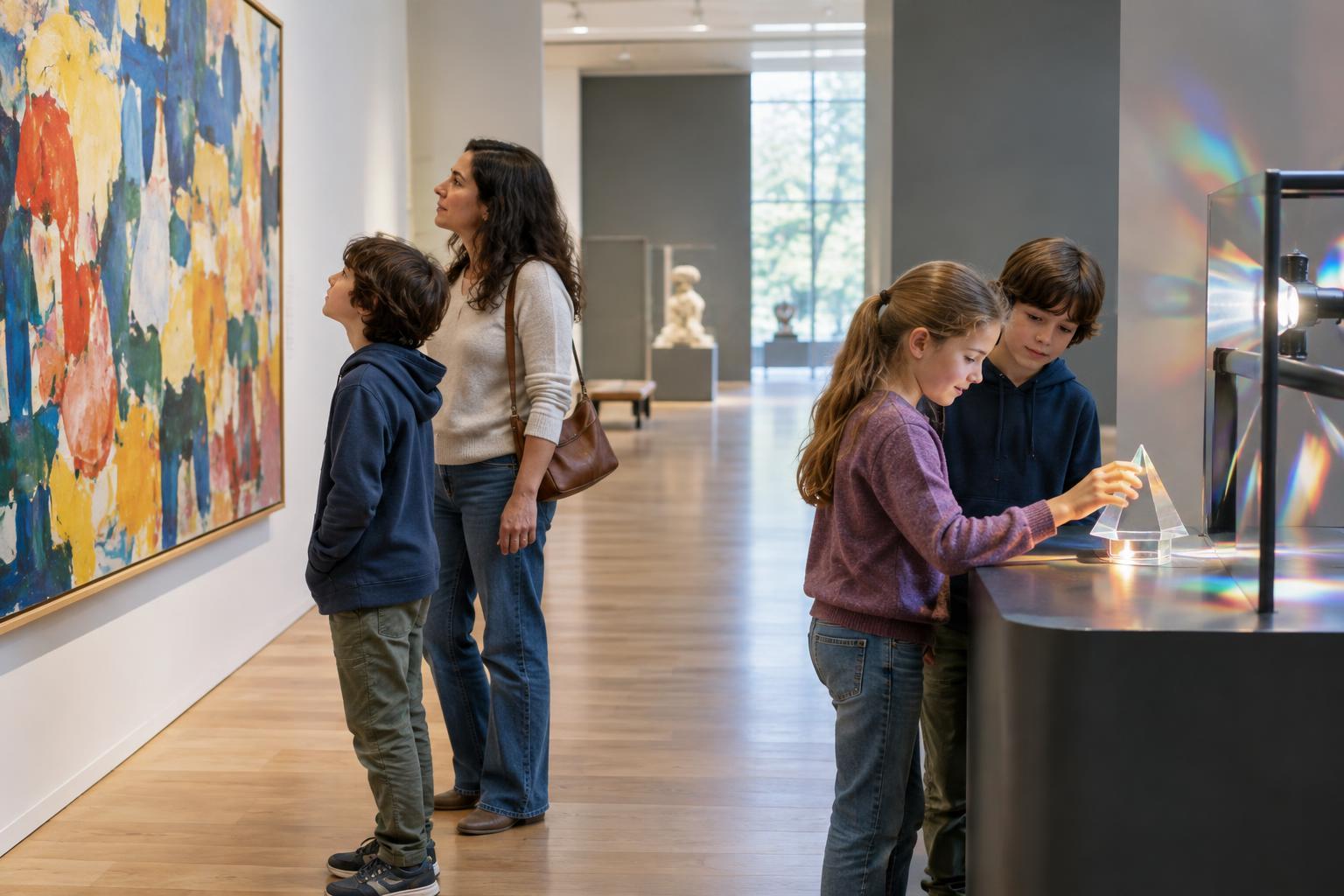
At an art museum, a child might stop in front of a painting and wonder what happened just outside its frame. At a science museum, the same child might turn a wheel and ask why something moved. One experience often starts with close looking; the other may begin with trying something. Neither approach belongs exclusively to one kind of museum. Art museums can offer interactive spaces, and science museums can display objects that reward quiet observation.
The most useful difference for families is not which museum is more educational. It is the kind of invitation your family is likely to meet. An artwork may leave room for several interpretations, while a science exhibit may encourage visitors to test an idea and notice a result. Knowing that helps you plan a visit without expecting every gallery to entertain children in the same way.
Prepare for the space, not just the subject
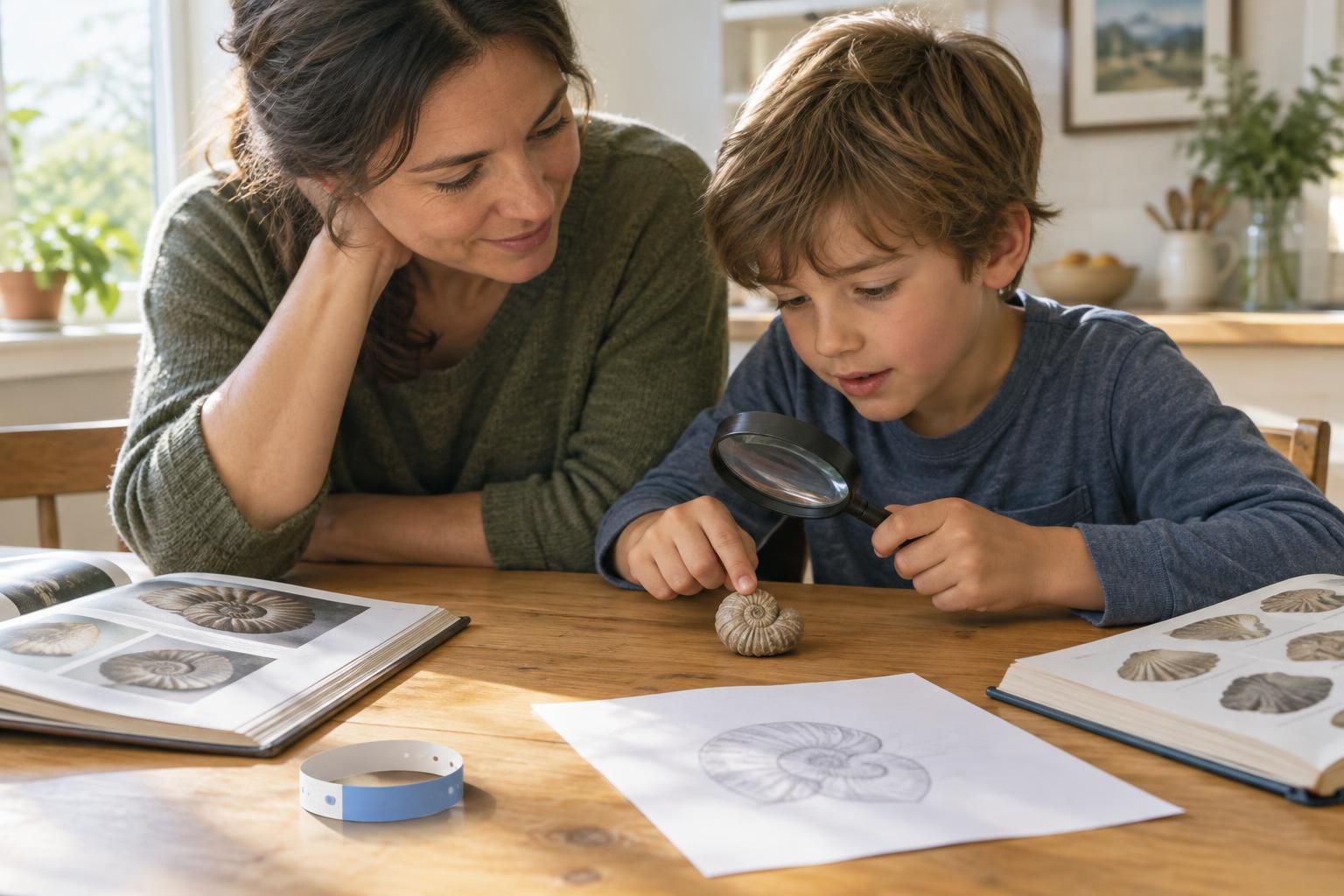
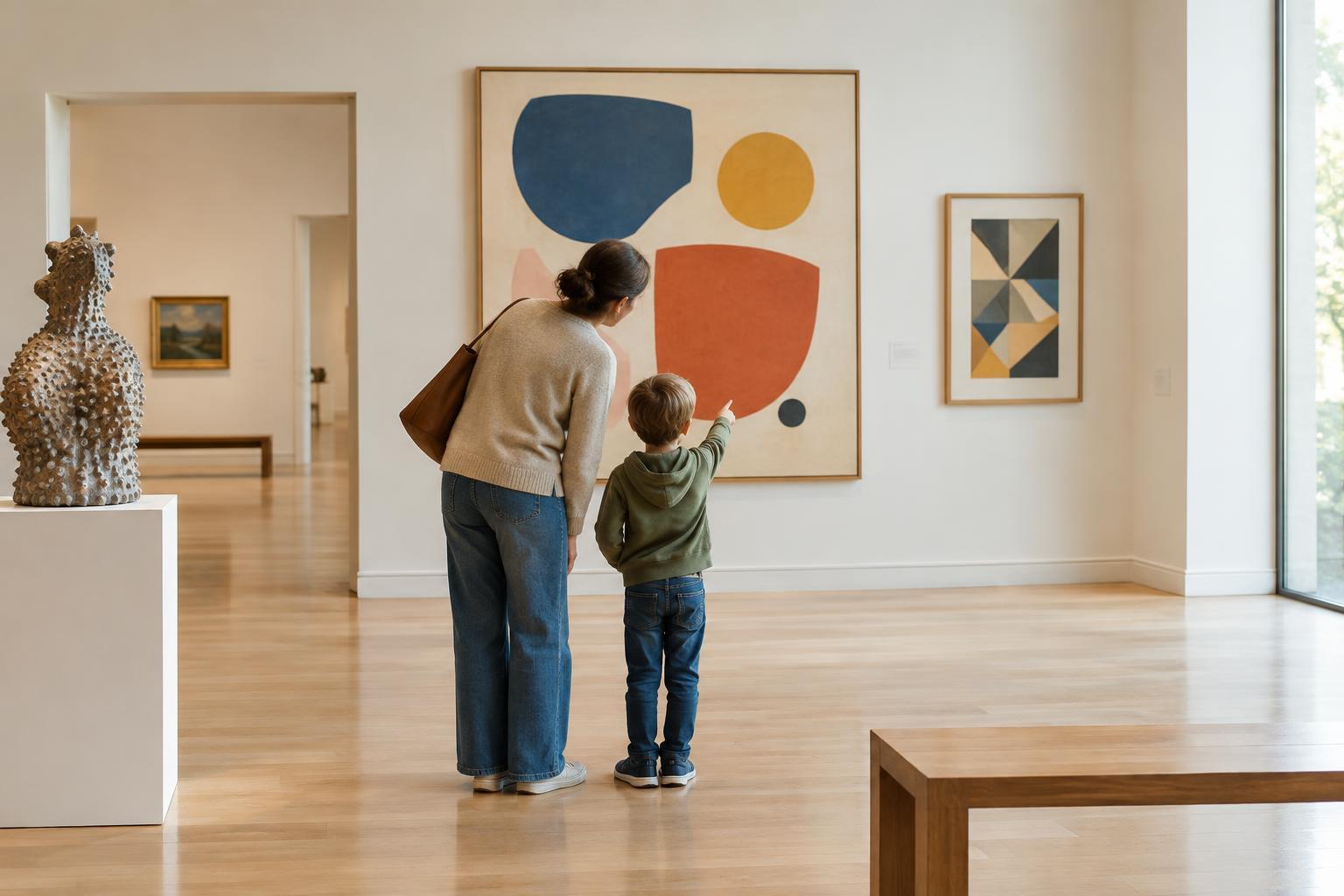
Before an art museum visit, talk about looking closely without touching unless a sign says an object is meant to be handled. You could practice with a picture at home: take turns naming one detail, asking one question and imagining one possible story. This gives children something to do when they reach a gallery where conversation and movement need to be gentle.
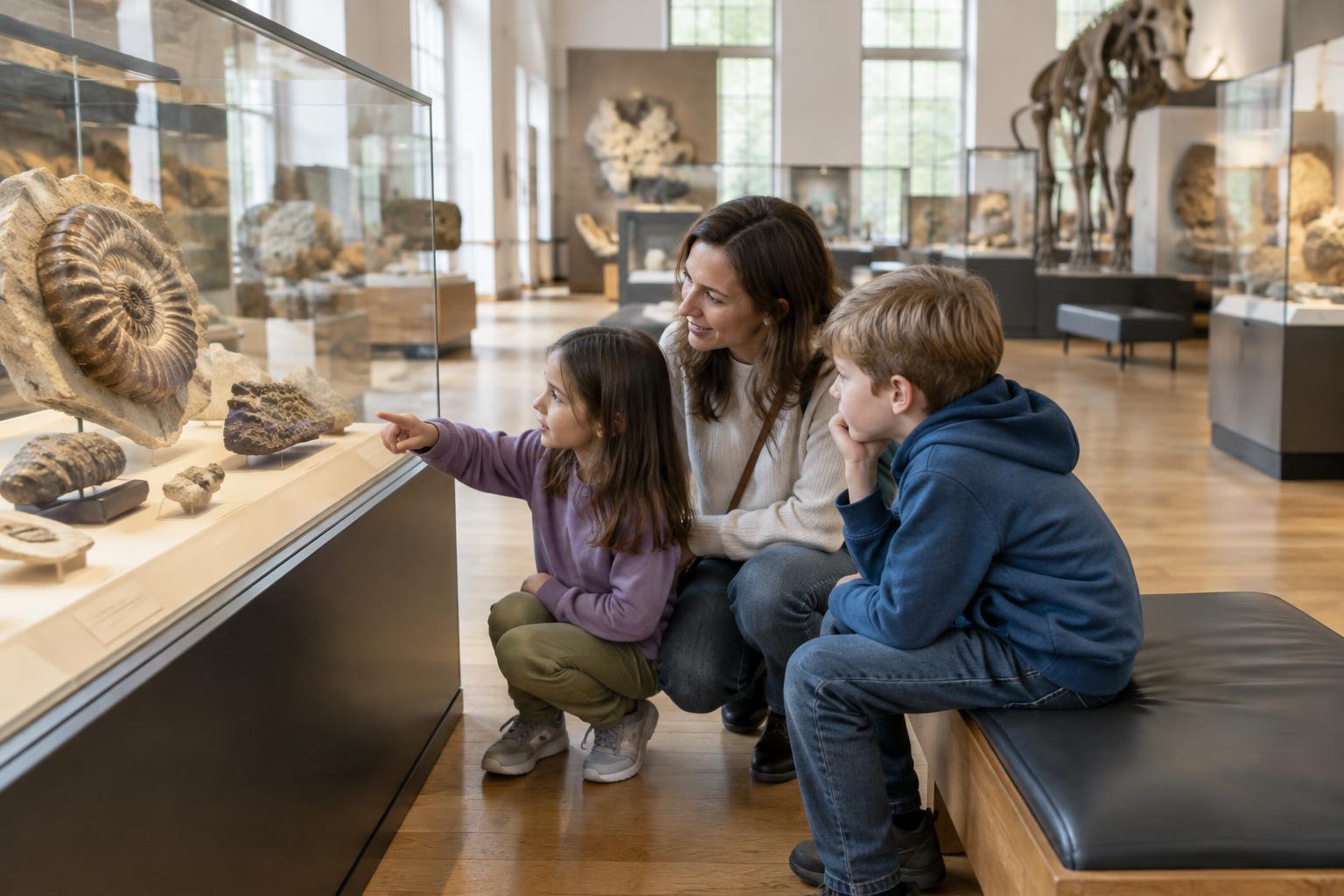
Before a science museum visit, prepare for waiting as well as experimenting. Popular hands-on exhibits may require turns, and some activities work best when visitors read a short instruction first. You might agree that each person gets a chance to try, observe and then let someone else take over. Checking the museum’s visitor information ahead of time can also help with practical questions such as tickets, food, accessibility and whether particular exhibits have sound or light effects.
For either destination, choose a modest goal. Seeing a few spaces with energy left to talk about them can be more satisfying than trying to cover every floor.
Notice what counts as participation
In an art gallery, participation may look quiet from the outside. A child who studies the colors in one work, compares two portraits or changes their mind about what a sculpture resembles is actively exploring. Open questions can make room for that thinking: “What did you notice first?” or “What would you look at again?” If a label adds context, you can read a small part together rather than treating every label as an assignment.
At a science museum, participation may be easier to see but harder to slow down. Children may want to press every button before they understand what changed. Invite them to predict what will happen, try one action and describe the result. If an exhibit does not work as expected, that can be interesting too: ask what they might change on a second attempt.
Watch for your child’s preferred pace. Some children need time to observe before joining an activity; others make sense of an idea by moving first and talking afterward. Both are reasonable ways to engage.
Use breaks to protect the fun
Museum fatigue can arrive in either setting. A quiet gallery can demand sustained attention, while a busy interactive floor can feel overwhelming. Instead of asking whether your child has “seen enough,” look for signs that a change of pace would help: repeated requests to leave, difficulty taking turns or little interest in the next room.
A break might mean sitting in an allowed area, having a snack where permitted or stepping outside for fresh air. You can also switch the task. In an art museum, try finding one shape or color across several works. In a science museum, choose one exhibit to revisit rather than starting something new. These small resets give children a sense of choice while respecting the space and other visitors.
If your family has different needs, it is fine to split into smaller groups for a while or end the visit early. A successful outing does not have to be a long one.
Bring one question home
You do not need a formal project to extend a museum visit. On the way home, ask everyone to name one thing they would like to see or try again. An art museum visit might lead to drawing the same object from two viewpoints or inventing a story about a pictured place. A science museum visit might lead to testing which household materials float, building a simple ramp or observing how shadows move during the day.
Let the child’s question guide the follow-up. If they remember a painting more clearly than an interactive display, or an unusual object more than an experiment, follow that interest. Art and science museums offer different starting points, but both can help families practice the same habit: noticing something, wondering about it and making time to explore further.