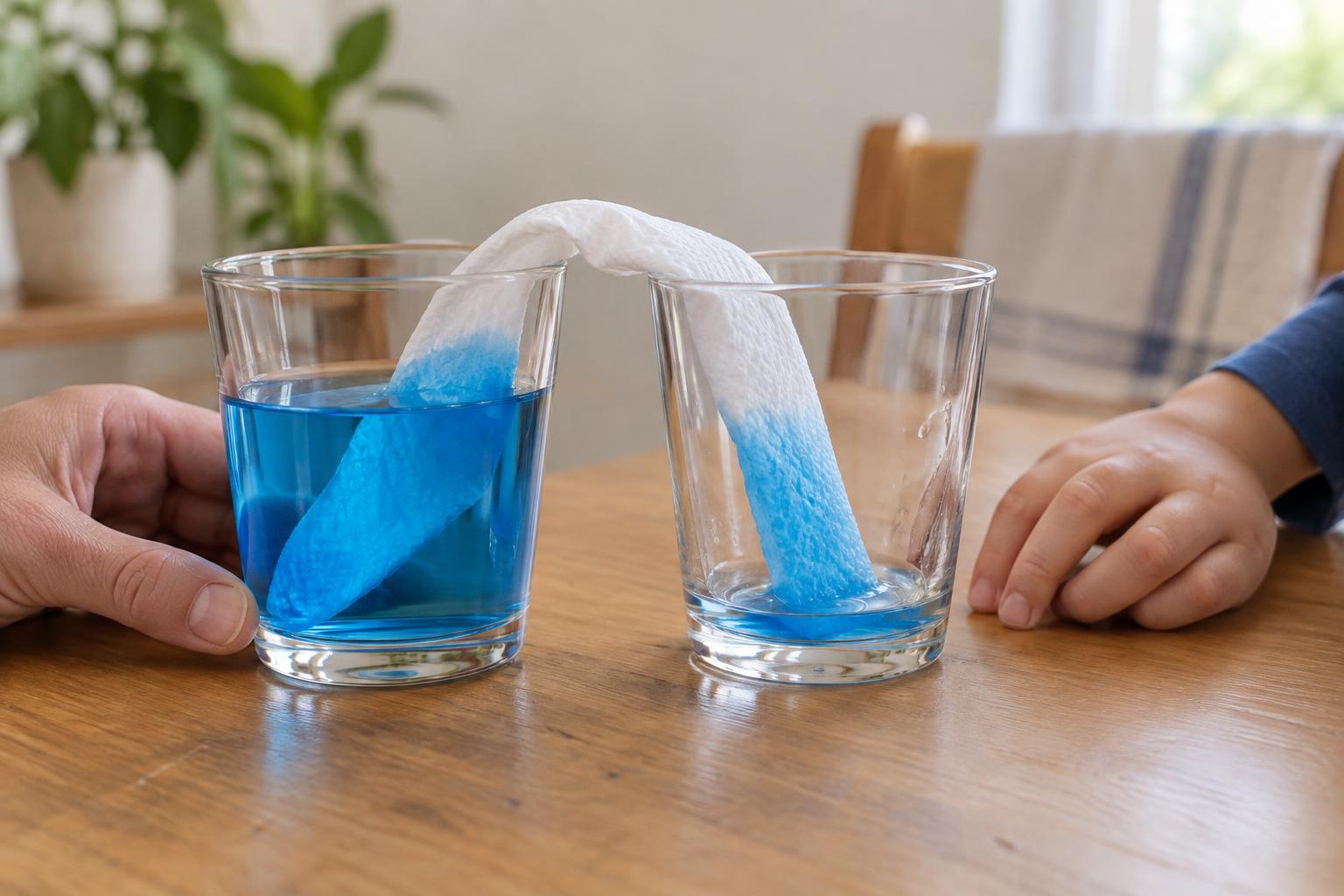
Hands-On ScienceSet up two cups and a paper towel strip to watch water move from one cup to another. This family-friendly investigation introduces capillary action, careful observation, and simple ways to compare materials.
Read article · 4 min↗
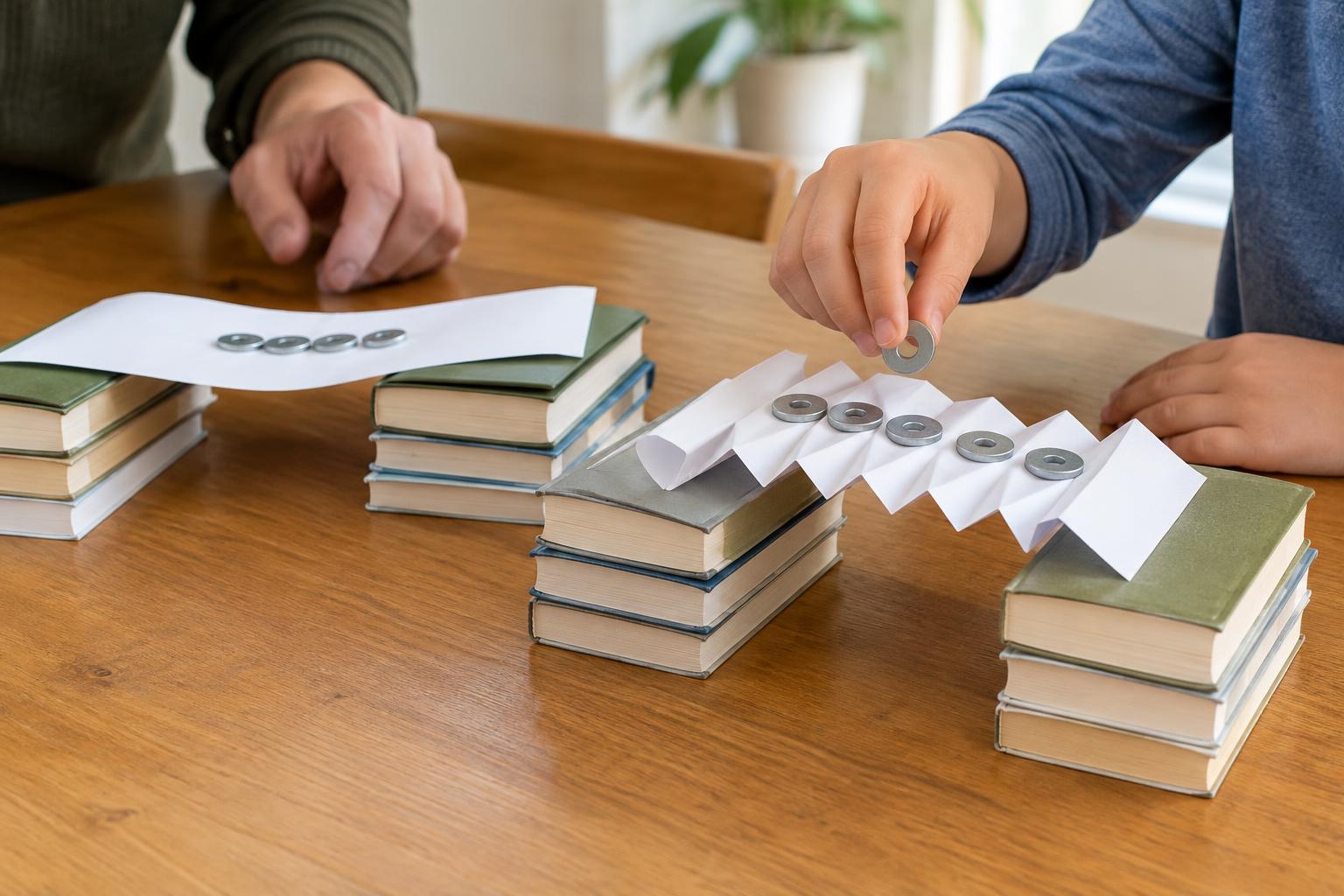
Hands-On ScienceTurn two sheets of paper into a small bridge-building investigation. Children can compare a flat bridge with a folded one, test each with the same objects, and use what they notice to improve their design.
Read article · 4 min↗
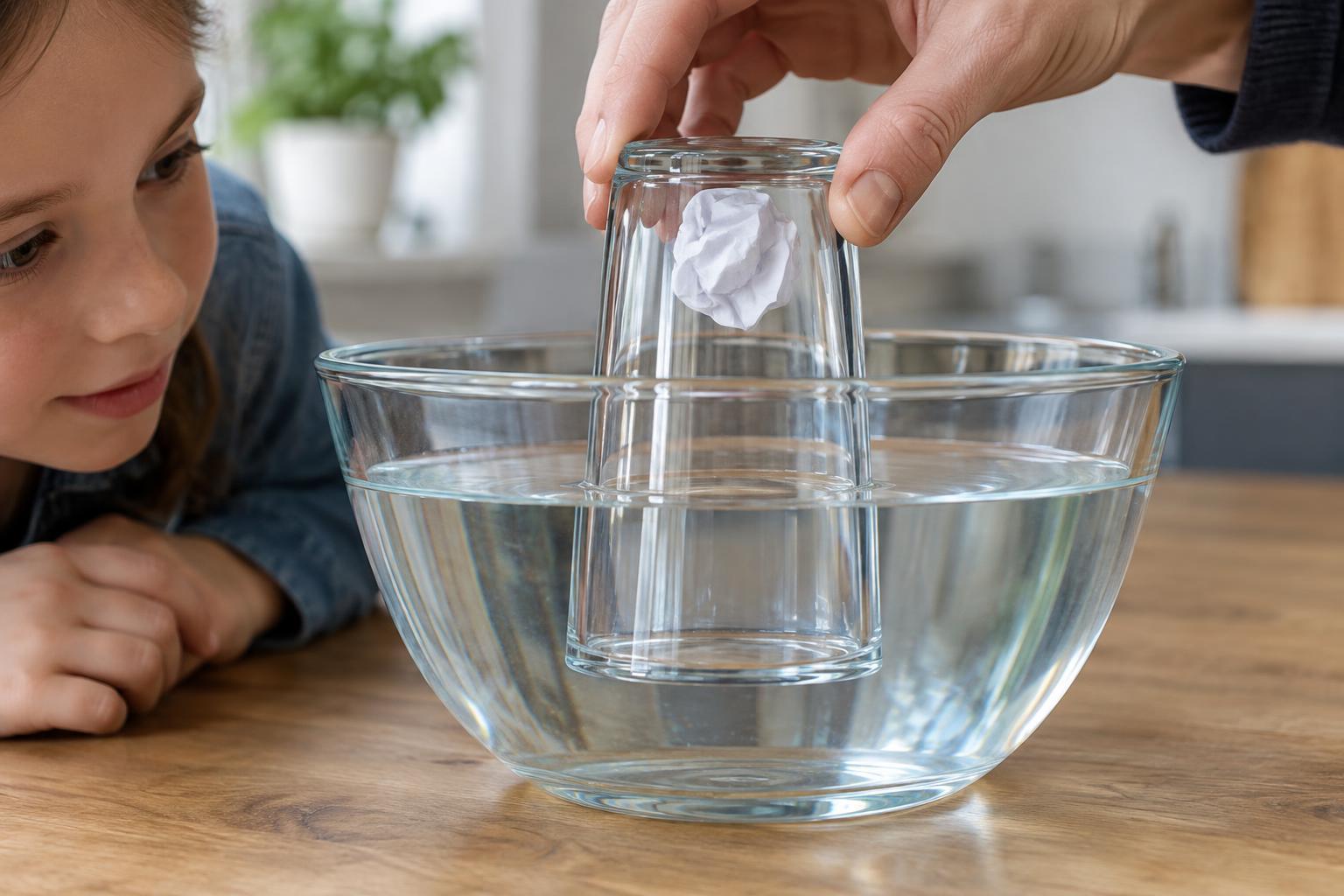
Hands-On ScienceAn upside-down cup can keep a small piece of paper dry underwater. Try this simple family experiment to make invisible air easier to notice, then change the angle of the cup to see what happens when the air escapes.
Read article · 4 min↗
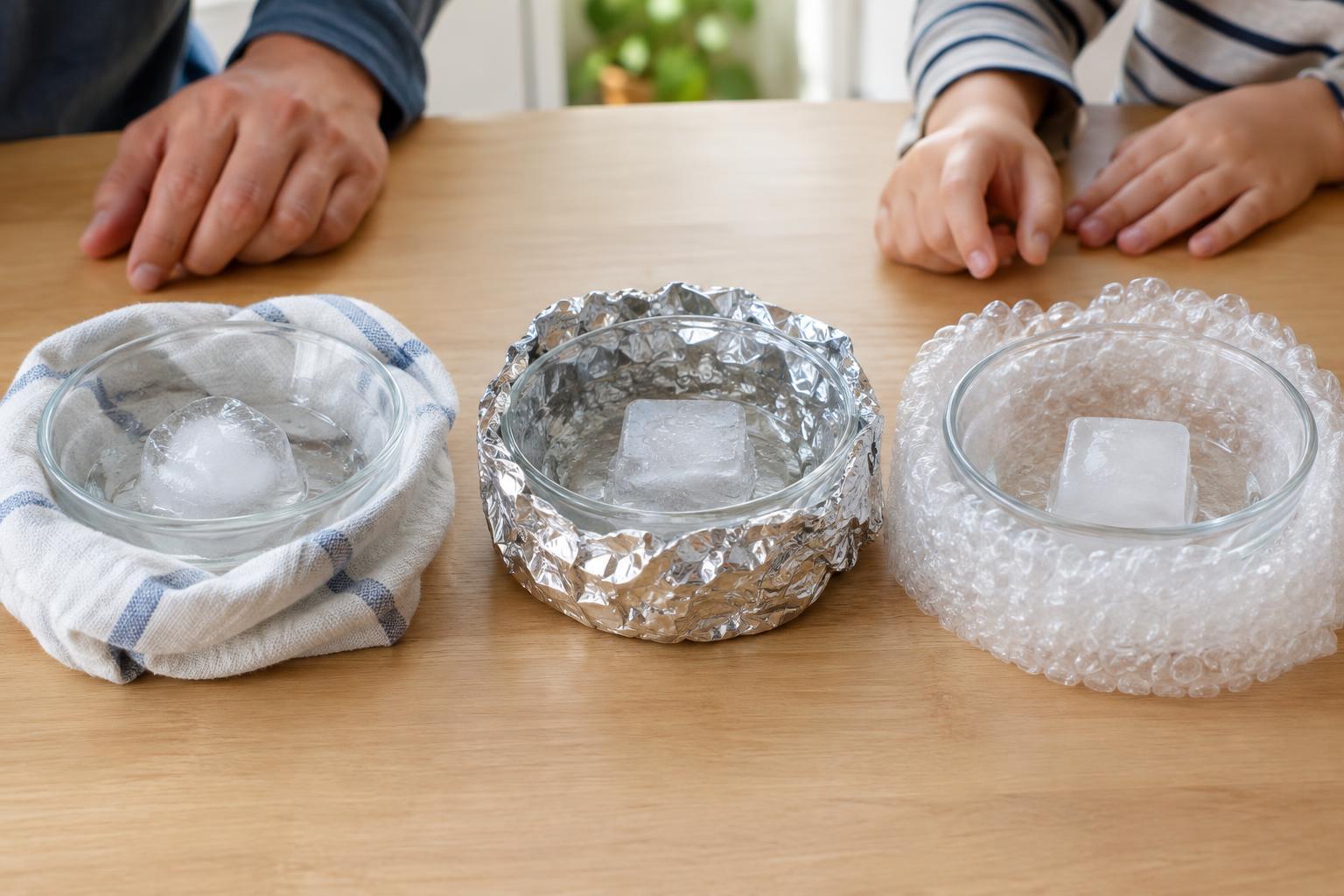
Hands-On ScienceTurn a few ice cubes and household wrapping materials into a family science experiment. Learn how to make a fair comparison, track melting, and use the results to ask better questions about insulation.
Read article · 4 min↗
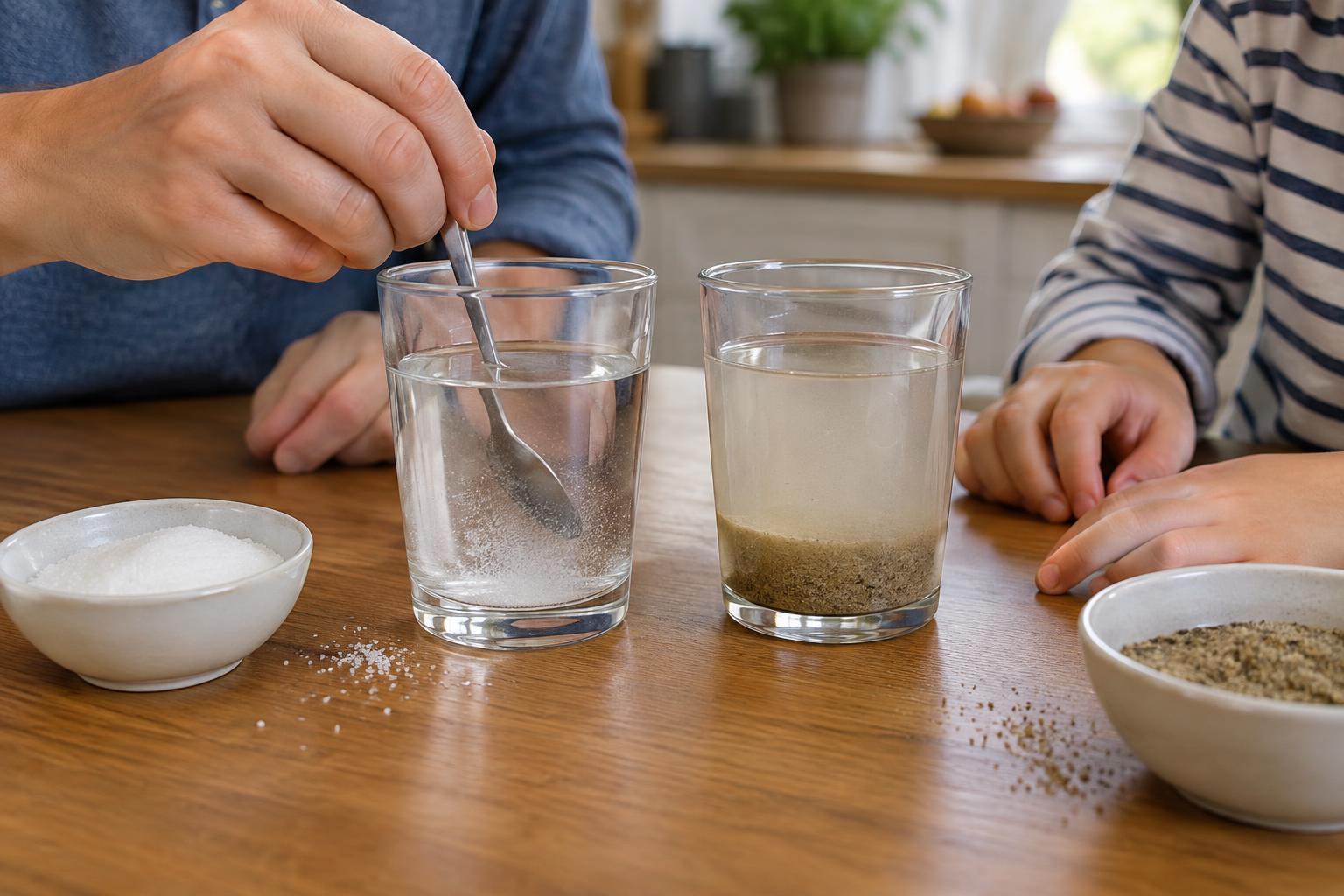
Hands-On ScienceA spoonful of sugar seems to vanish in water, while sand settles at the bottom. Use a few household materials to help children observe the difference between dissolving and mixing, then test their ideas with simple follow-up questions.
Read article · 4 min↗
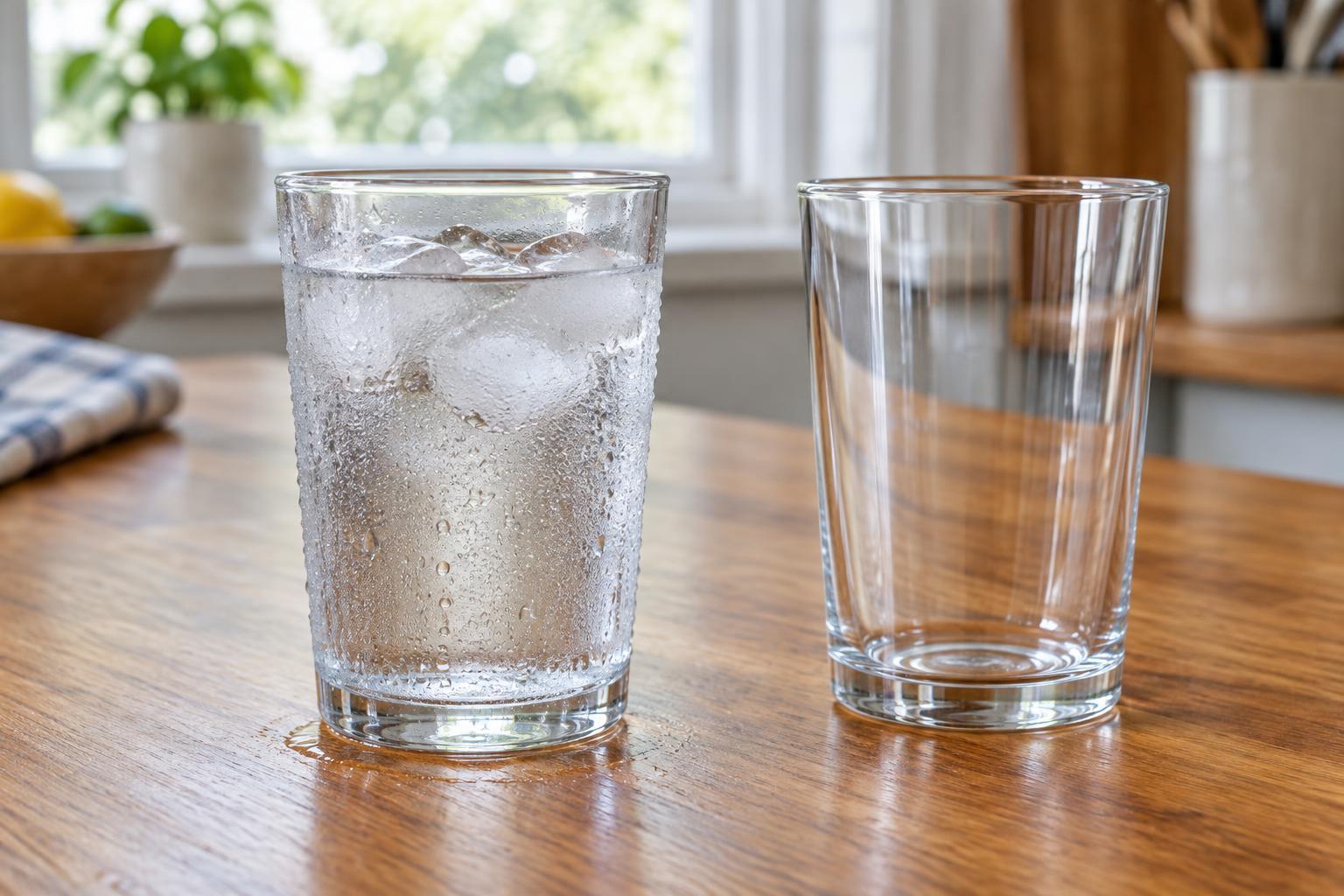
Hands-On ScienceA cold drink can turn an ordinary table into a small science investigation. Find out where the droplets on the glass come from, then try a simple comparison activity to explore how temperature and moisture in the air work together.
Read article · 4 min↗
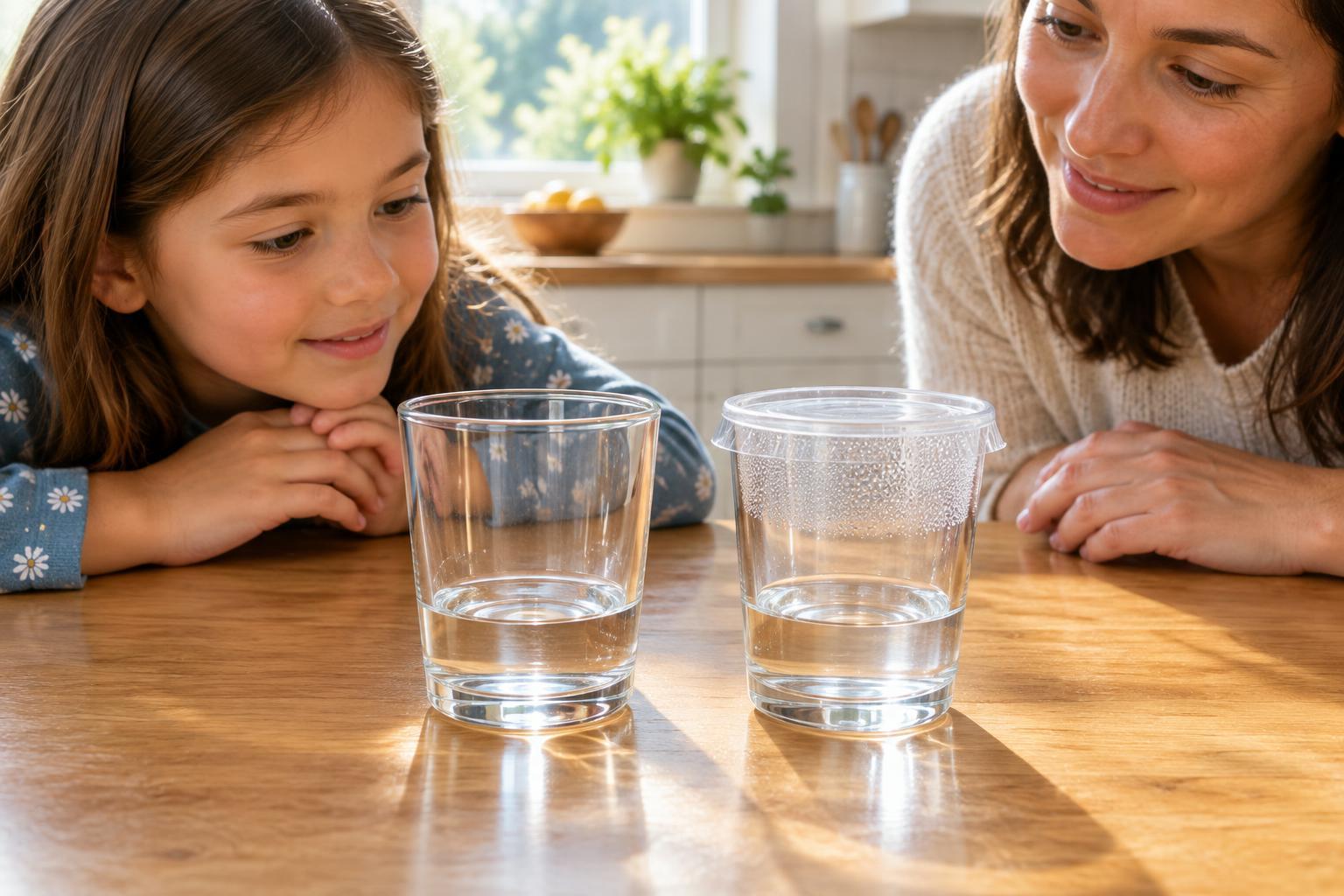
Hands-On ScienceSet up two cups of water to explore evaporation together. A simple cover helps children compare what happens when water vapor can escape with what happens when it collects and turns back into droplets.
Read article · 4 min↗
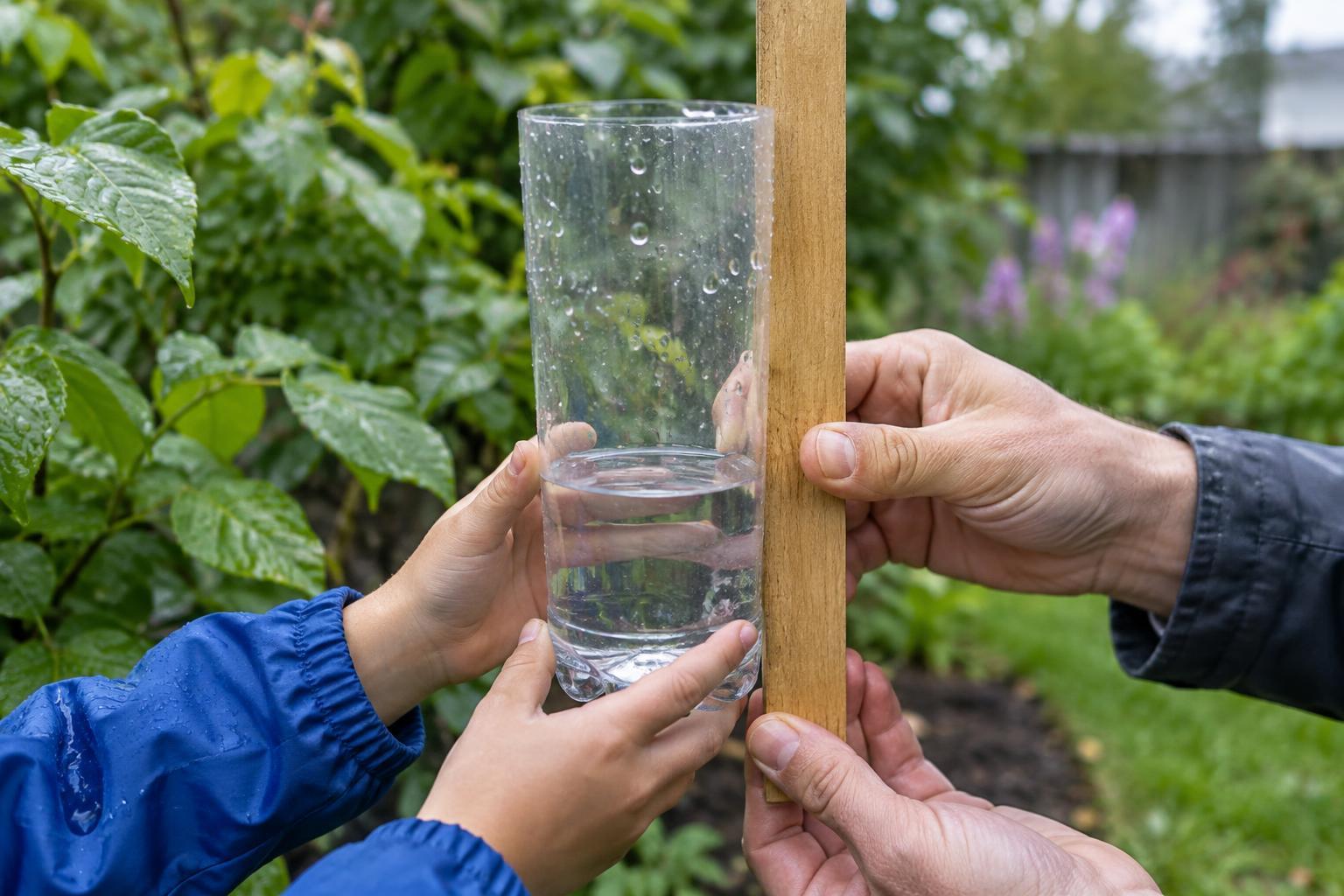
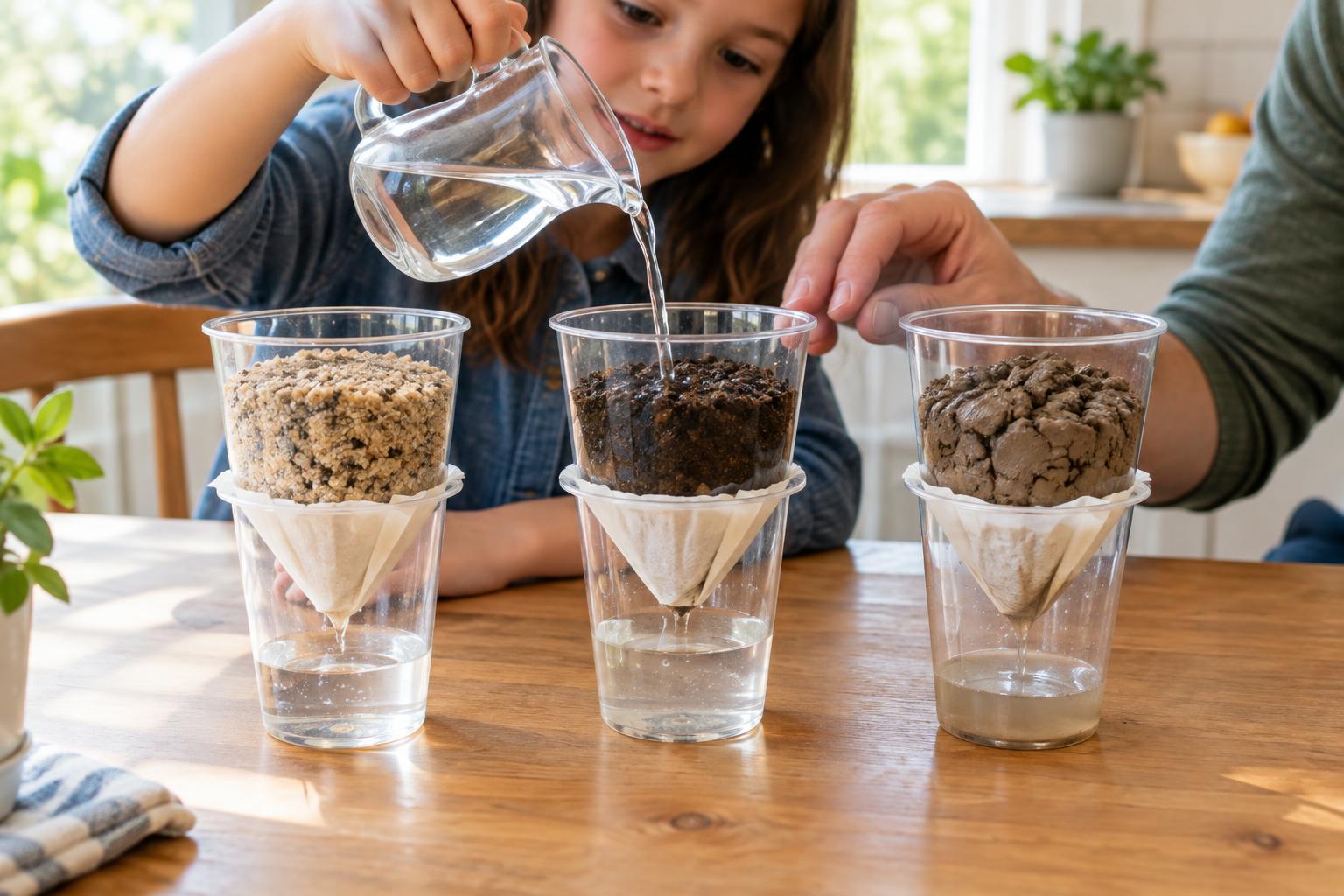
Hands-On ScienceTurn a few soil samples into a hands-on science investigation. With cups, filters and water, children can compare how quickly different soils drain, notice how much water they hold and practice making a fair test.
Read article · 4 min↗
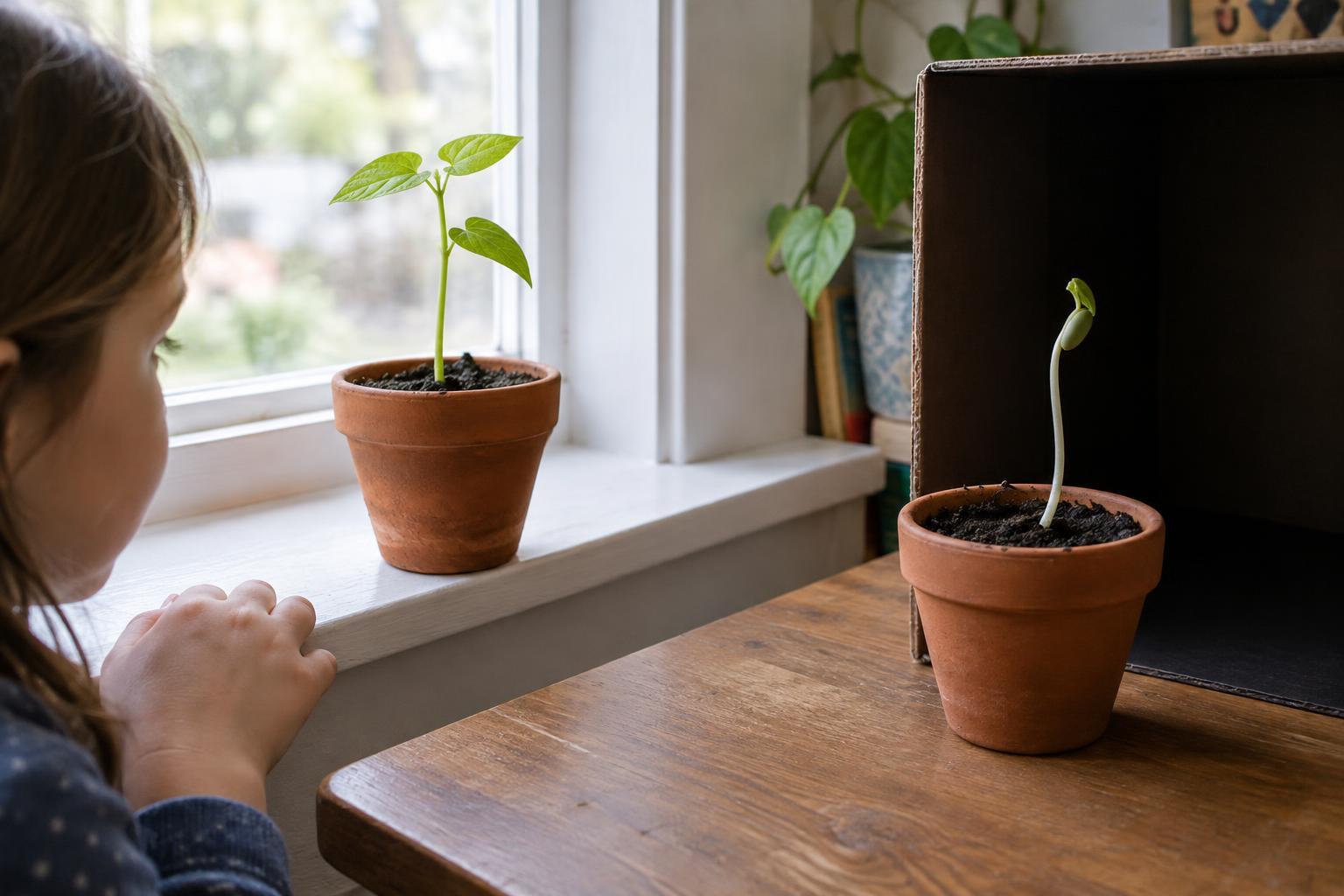
Hands-On ScienceDo seeds need light to sprout? Set up two small pots, keep their water and soil the same, and compare what happens near a window and in a dark place. This family-friendly test turns a familiar window sill into a place for careful observation.
Read article · 4 min↗
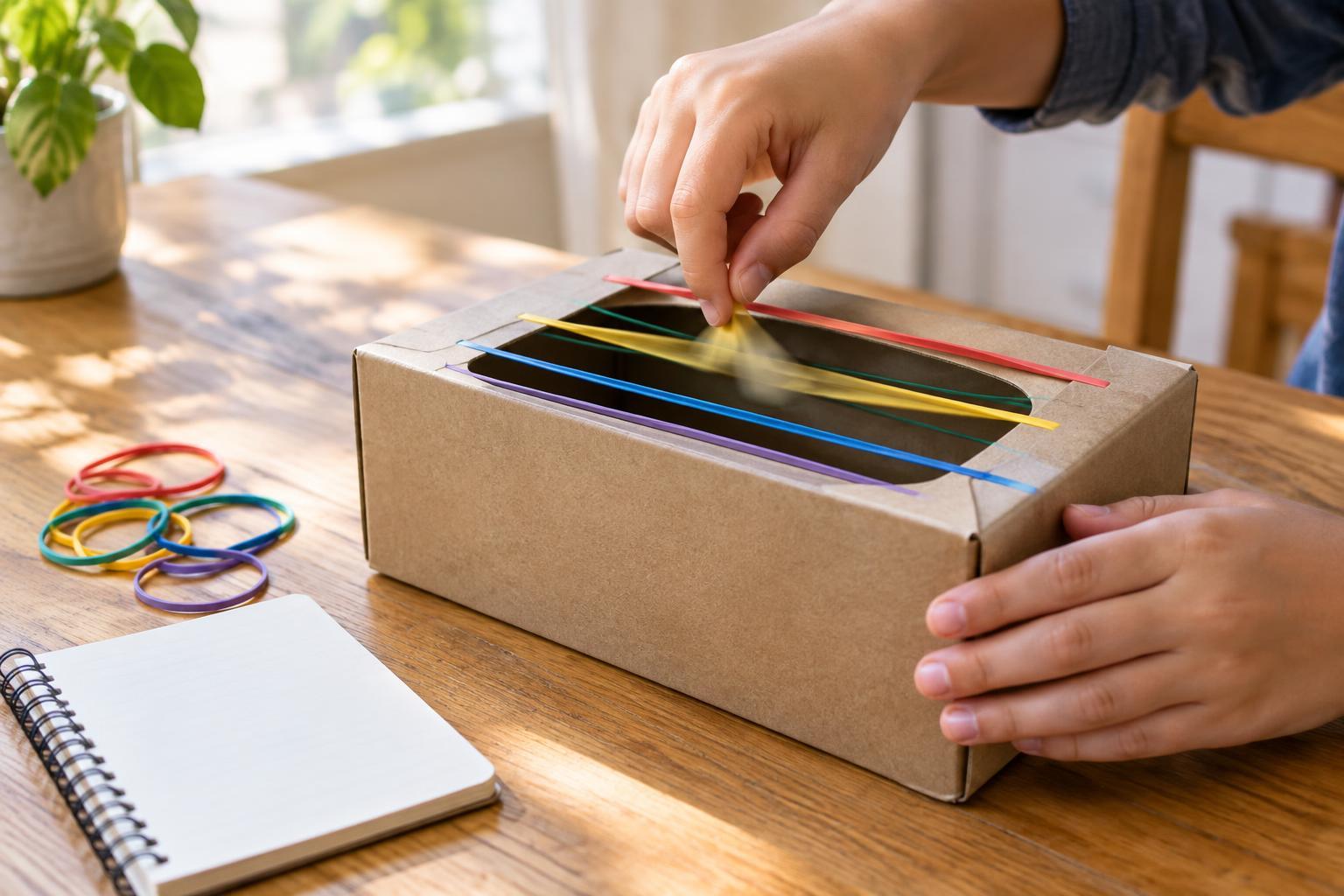
Hands-On ScienceTurn a box and a few rubber bands into a simple instrument. Children can pluck, listen, look closely and change one thing at a time to explore how vibrations make sound.
Read article · 4 min↗
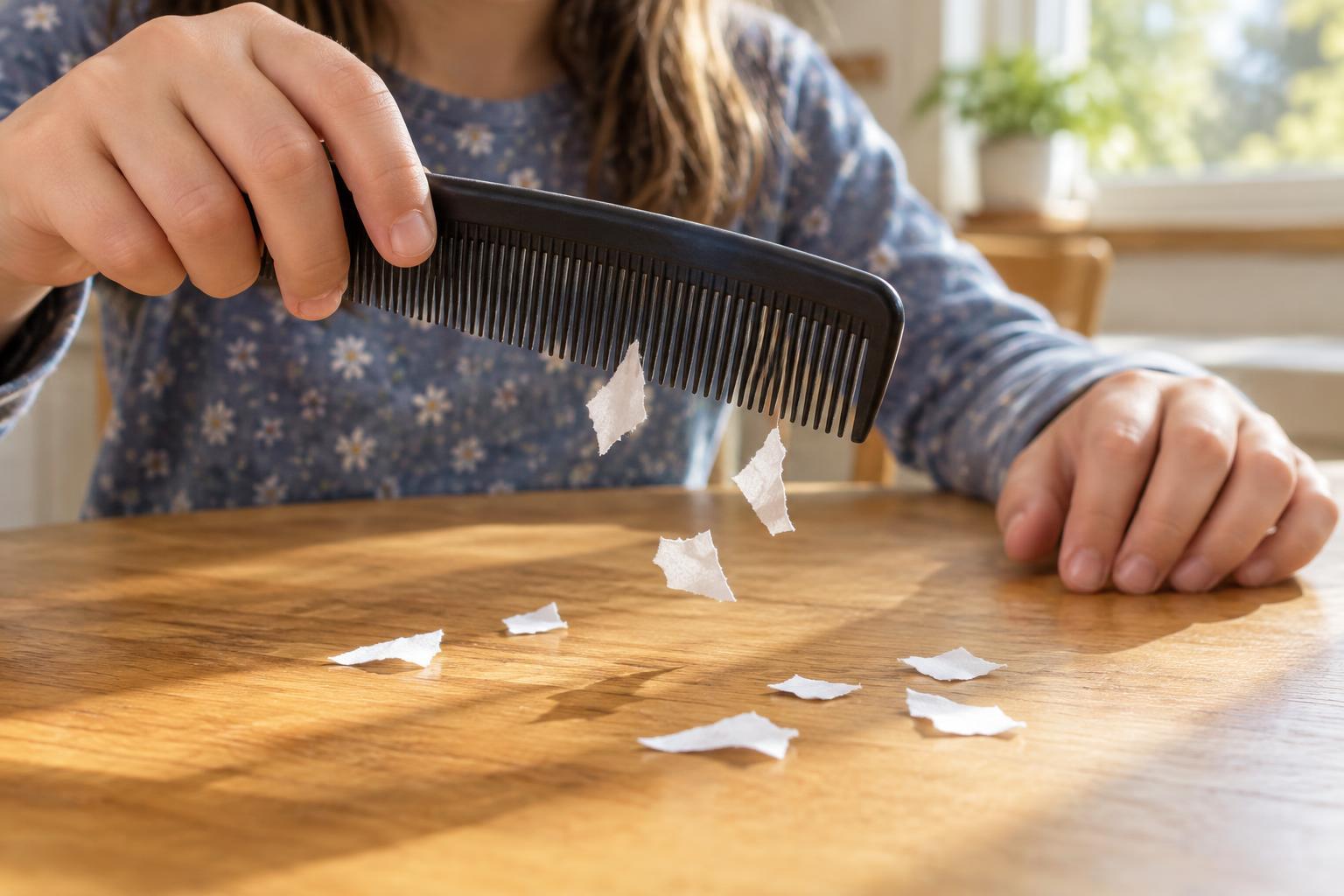
Hands-On ScienceTurn a plastic comb and a few paper scraps into a small science investigation. Children can watch paper move without being touched, then change one part of the setup to explore what affects the result.
Read article · 4 min↗
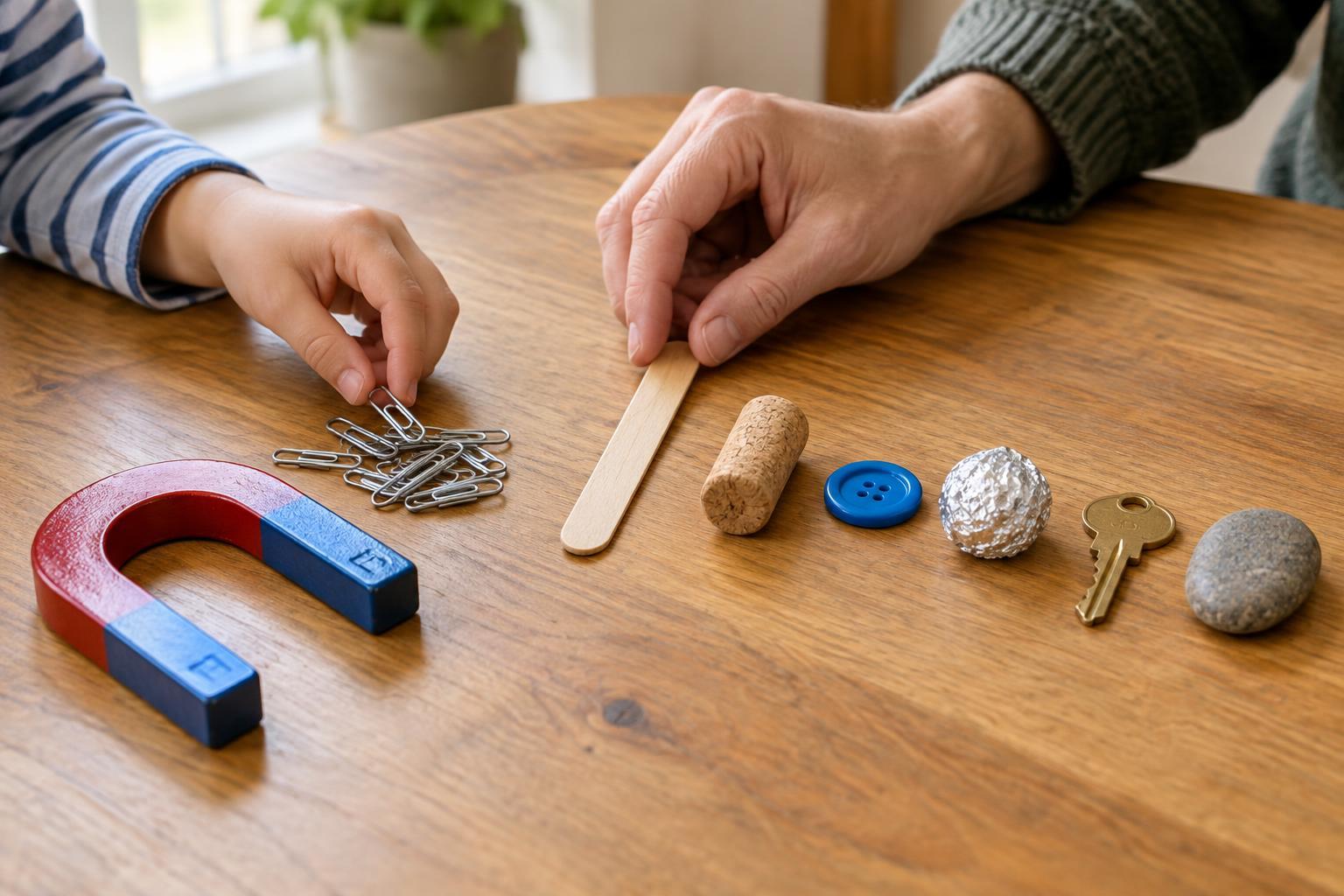
Hands-On ScienceTurn a collection of everyday objects into a hands-on science investigation. Families can predict which items a magnet will attract, test them safely, and explore why an object’s appearance does not always reveal what it is made of.
Read article · 4 min↗
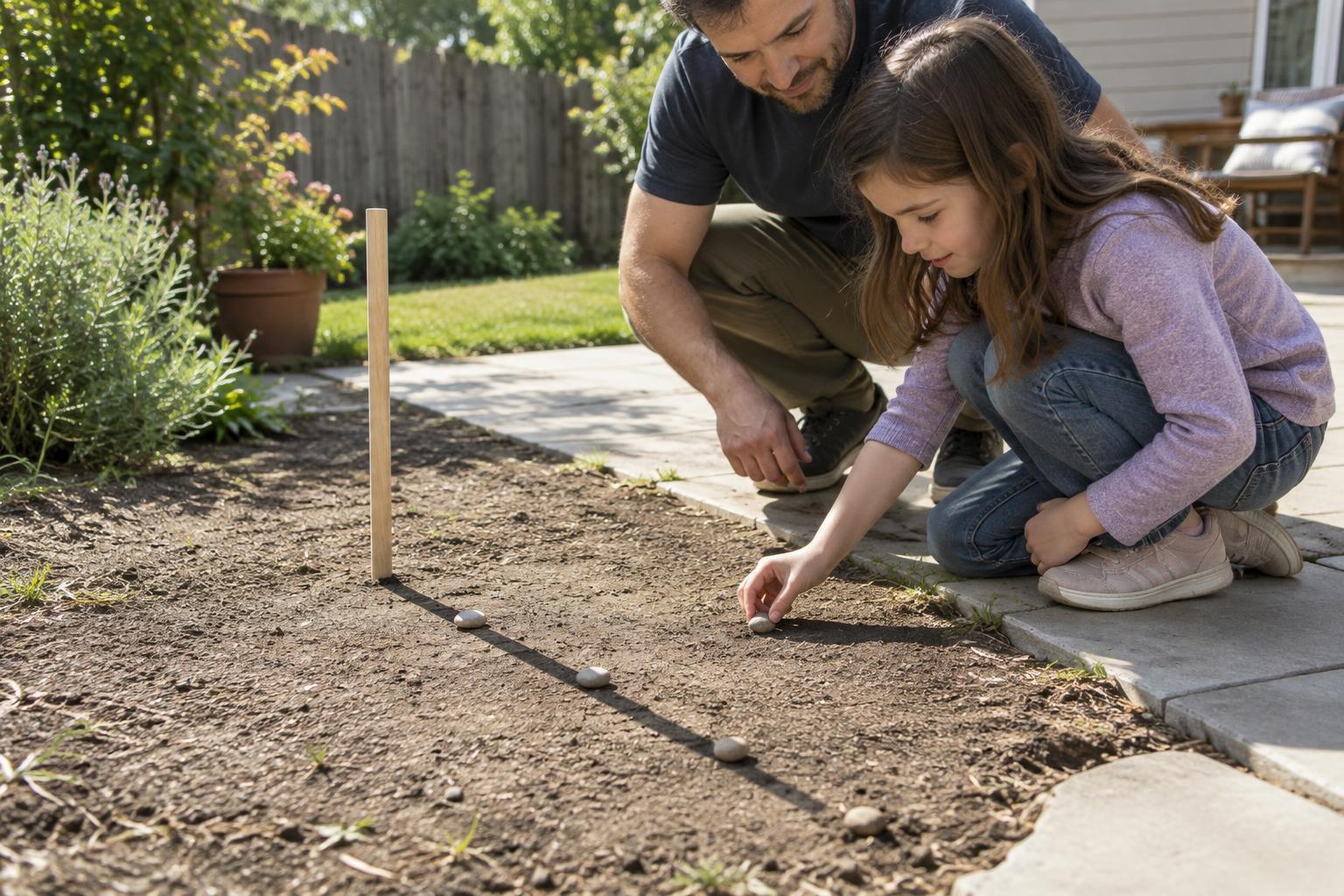
Hands-On ScienceA stick, a sunny spot and a few well-timed observations can turn an ordinary day into a science investigation. Learn how to mark a shadow’s changing position, compare its length and direction, and connect what you see to the Sun’s apparent path across the sky.
Read article · 4 min↗
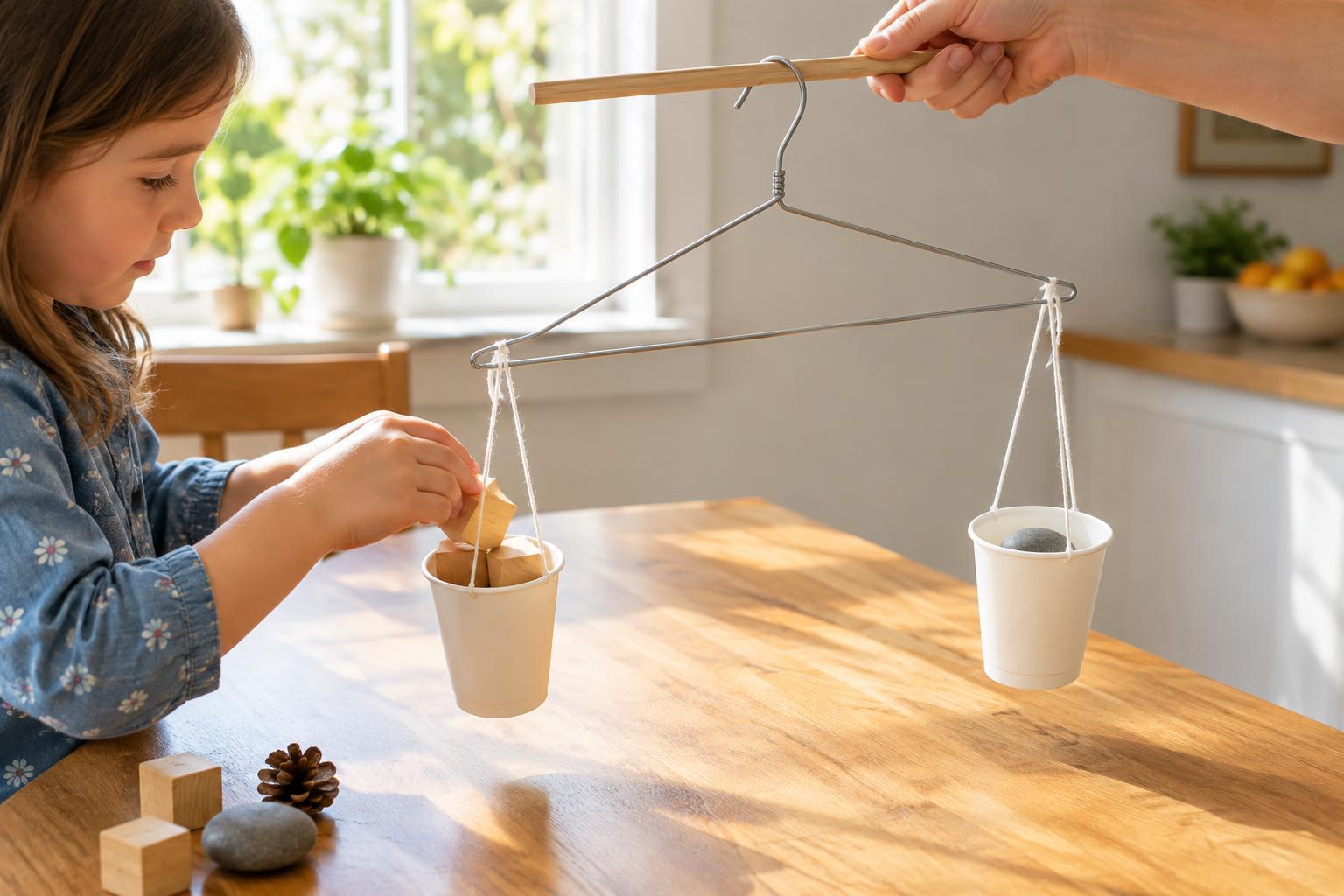
Hands-On ScienceTurn a coat hanger and two paper cups into a simple balance scale. Children can predict which household object is heavier, test their ideas, and explore how to make a comparison fair.
Read article · 3 min↗
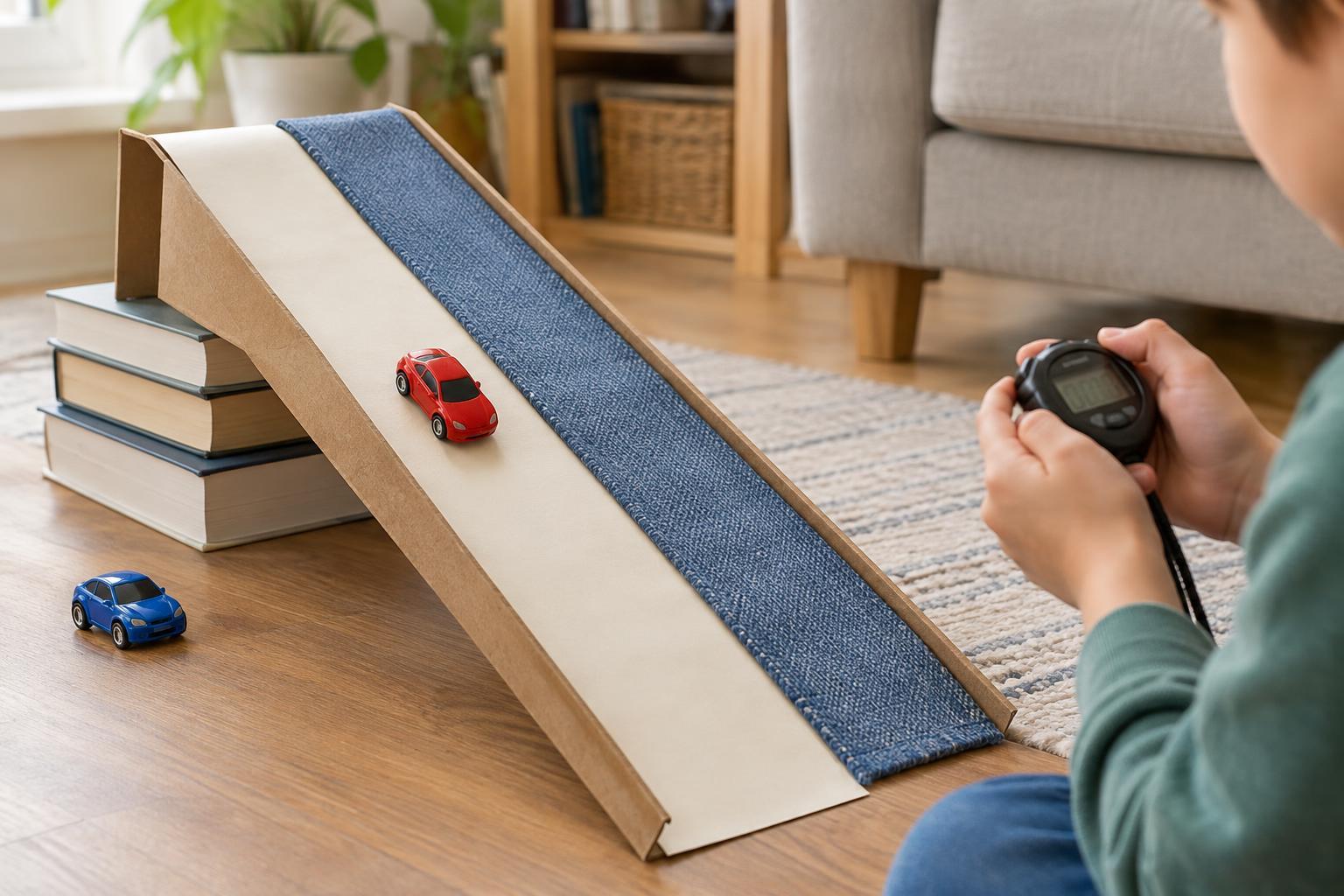
Hands-On ScienceTurn a toy car and a simple ramp into a hands-on science investigation. Children can compare surfaces, time each run, and explore why a car rolls differently on smooth paper, fabric, and other materials.
Read article · 4 min↗
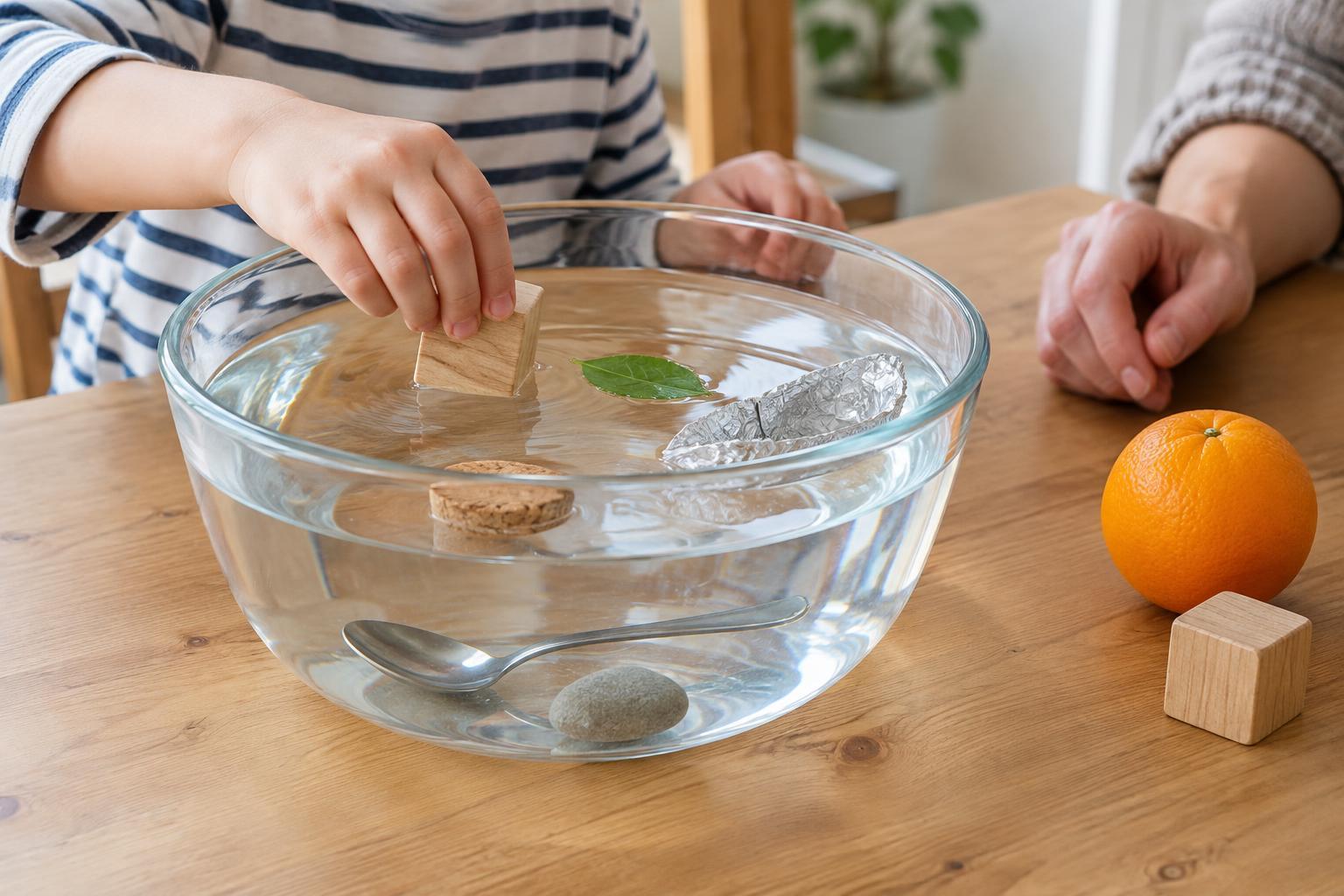
Hands-On ScienceTurn a bowl of water and a few household objects into a hands-on science investigation. Children can predict, test, compare results and explore why material, shape and trapped air all matter.
Read article · 4 min↗
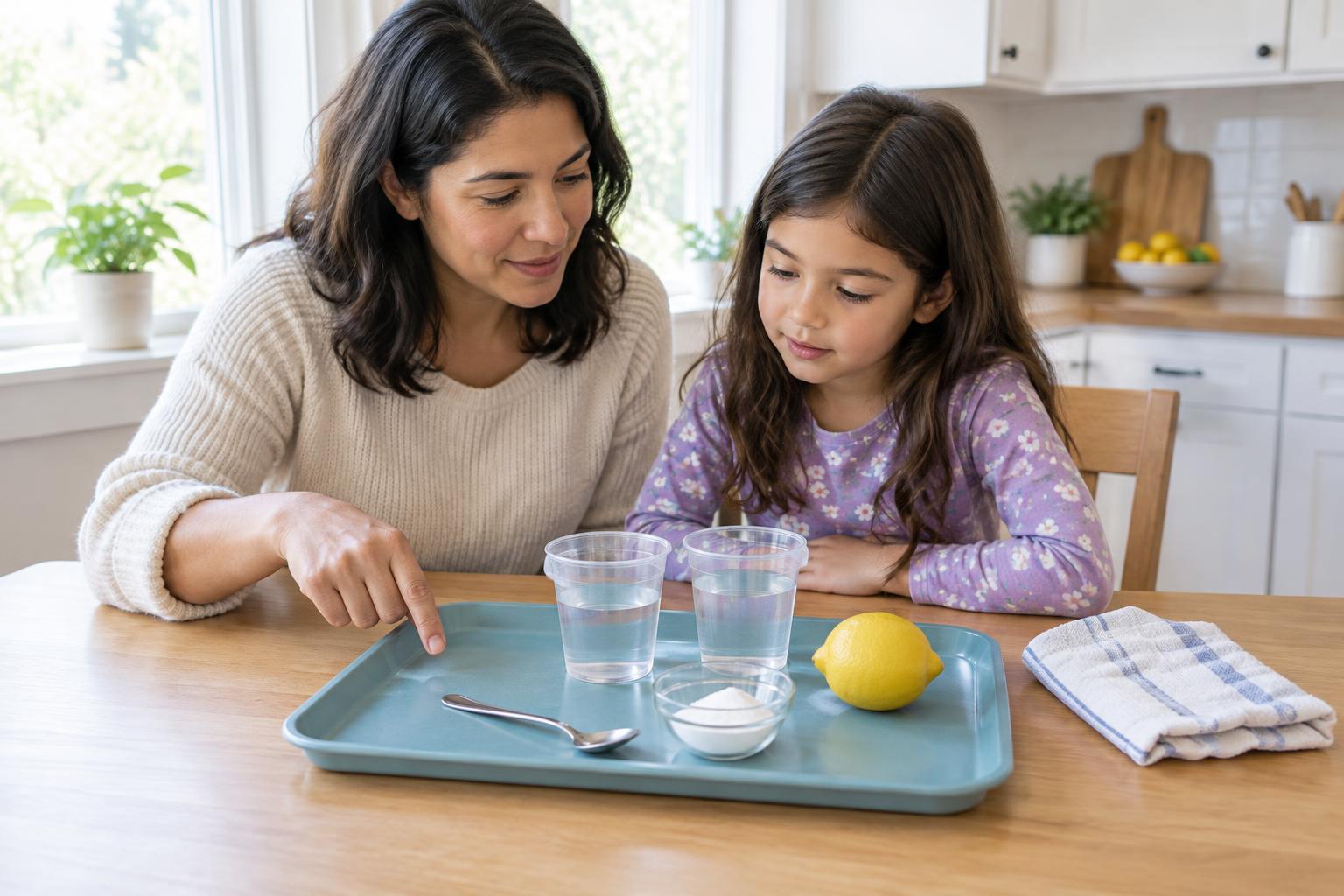
Hands-On ScienceHands-on science at home works best when everyone knows what is safe to use, where the activity will happen, and when to ask for help. Use these practical guidelines to choose simple materials, set family rules, and make cleanup part of the experiment.
Read article · 4 min↗
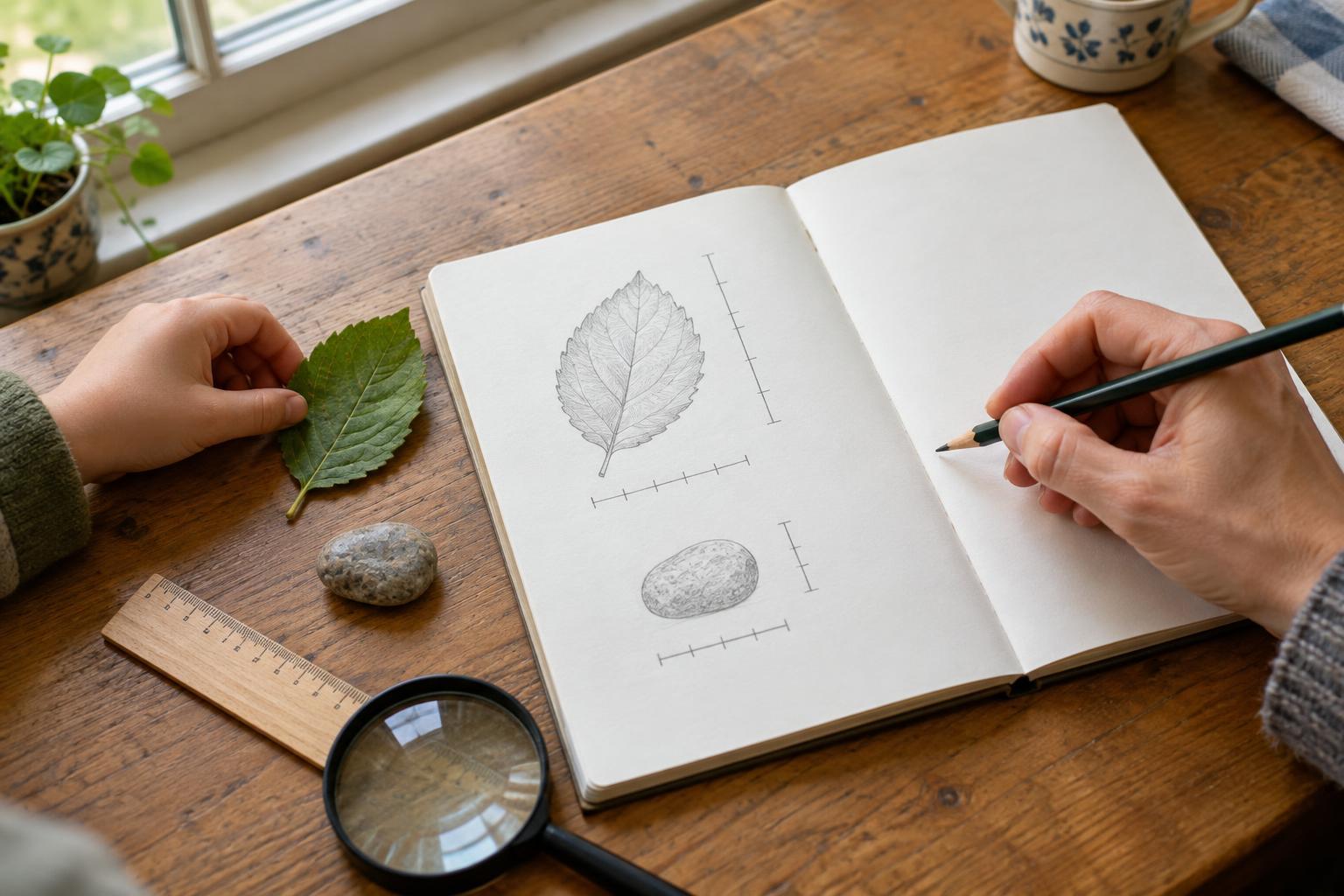
Hands-On ScienceA science notebook turns everyday noticing into an ongoing family investigation. Learn how to set up a page, draw what you see, record useful measurements, and keep questions alive without worrying about perfect answers.
Read article · 3 min↗
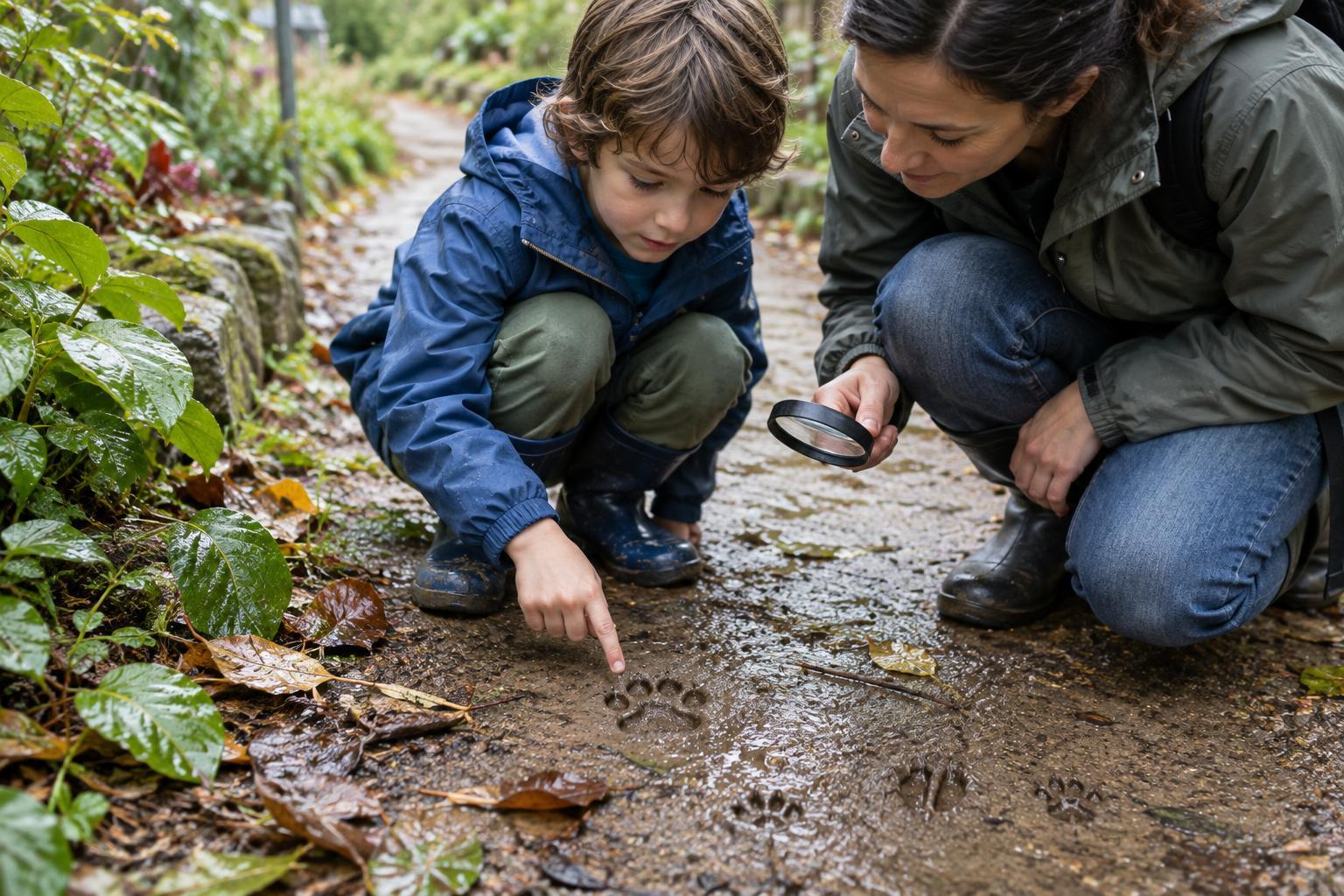
Hands-On ScienceA muddy footprint, a cloudy window, or a line of ants can spark a good question. Help kids separate what they notice from what they think it means with simple phrases and hands-on activities that fit into everyday life.
Read article · 4 min↗
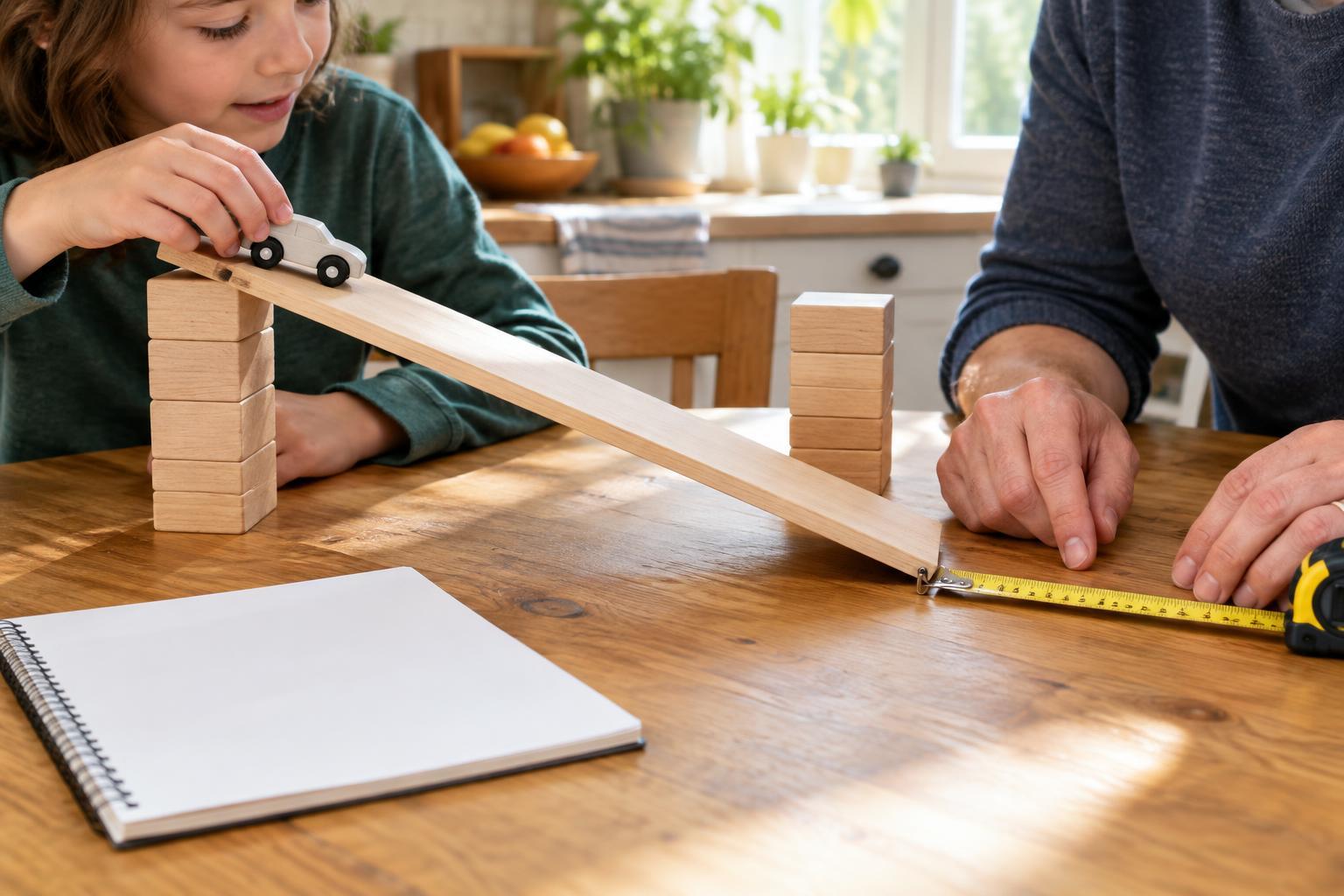
Hands-On ScienceTurn a simple toy-car ramp into a hands-on science investigation. Learn how to choose one change, keep other conditions steady, measure results and talk about surprises together.
Read article · 4 min↗
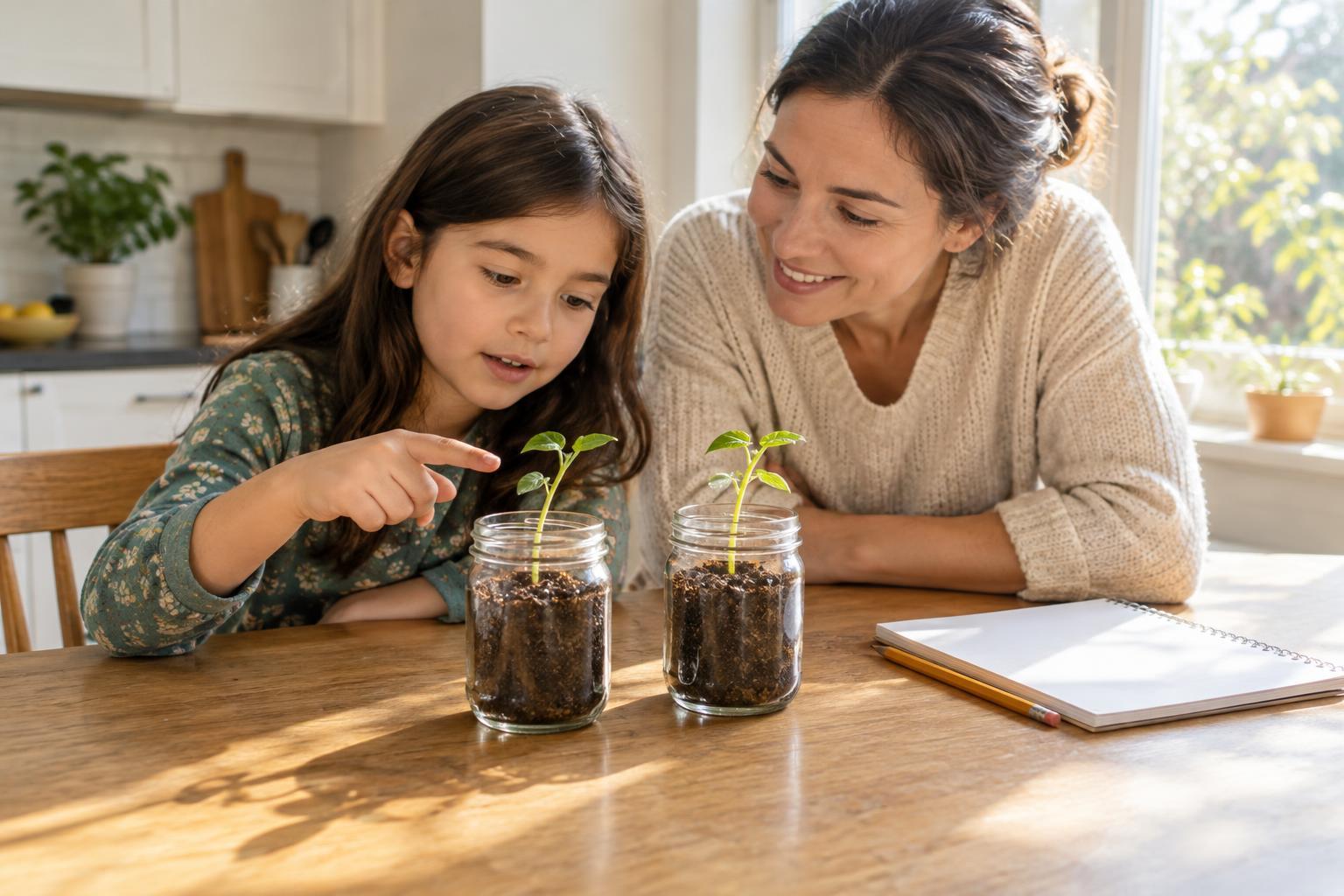
Hands-On ScienceA question like “Why did that happen?” can be the start of a family science investigation. Learn how to turn everyday observations into questions children can explore with simple materials, careful comparisons and an open mind.
Read article · 4 min↗