Start with the clothes that are already there
Before looking for a scarf, pull out two or three outfits that get worn often. A dark coat, a favorite knit and a dress reserved for occasions are more informative than an imaginary perfect wardrobe. Look at their necklines, collars and dominant colors. If the coat has a high collar, a compact scarf may be easier to settle beneath it than a broad wrap. If the dress has a simple shape, a shawl can supply a visible layer without changing the dress itself. The aim is not to obey a color rule; it is to find an accessory that has a plausible place in ordinary life.
Try a quick observation exercise. Lay the candidate outfit on a chair and ask what is missing: warmth at the neck, coverage over the shoulders, a lighter color near the face, or a small point of contrast? Answering that question helps narrow the field more than starting with a favorite print alone. A scarf that looks striking by itself may rarely leave the drawer if it clashes with the wearer’s outerwear or requires a tying method they do not enjoy. Conversely, a quiet shade can be surprisingly useful when it works with several familiar pieces.
This is where UniqueYou’s wardrobe-minded positioning makes sense. Its accessories invite you to choose for the clothes a woman actually owns, not for an entirely new look that would require another purchase. Consider photographing an outfit in daylight, then comparing possible colors against that image. Daylight will not decide for you, but it can reveal whether a shade repeats a color already present, creates a deliberate contrast, or disappears against a coat. Those small observations are more personal than a generic list of what everyone should wear.
Let shape answer a practical question
A square scarf, a long scarf and a wide wrap give different options even when their colors are similar. A square can be folded into a narrow band, tied at the neck or arranged as a softer triangle. A long scarf can hang open, loop once or sit inside a coat. A larger shawl or wrap can cover shoulders over a dress, although its proportions need checking against the person and the clothing beneath it. Names alone do not tell you exactly how an individual item will drape, so dimensions and product details matter.
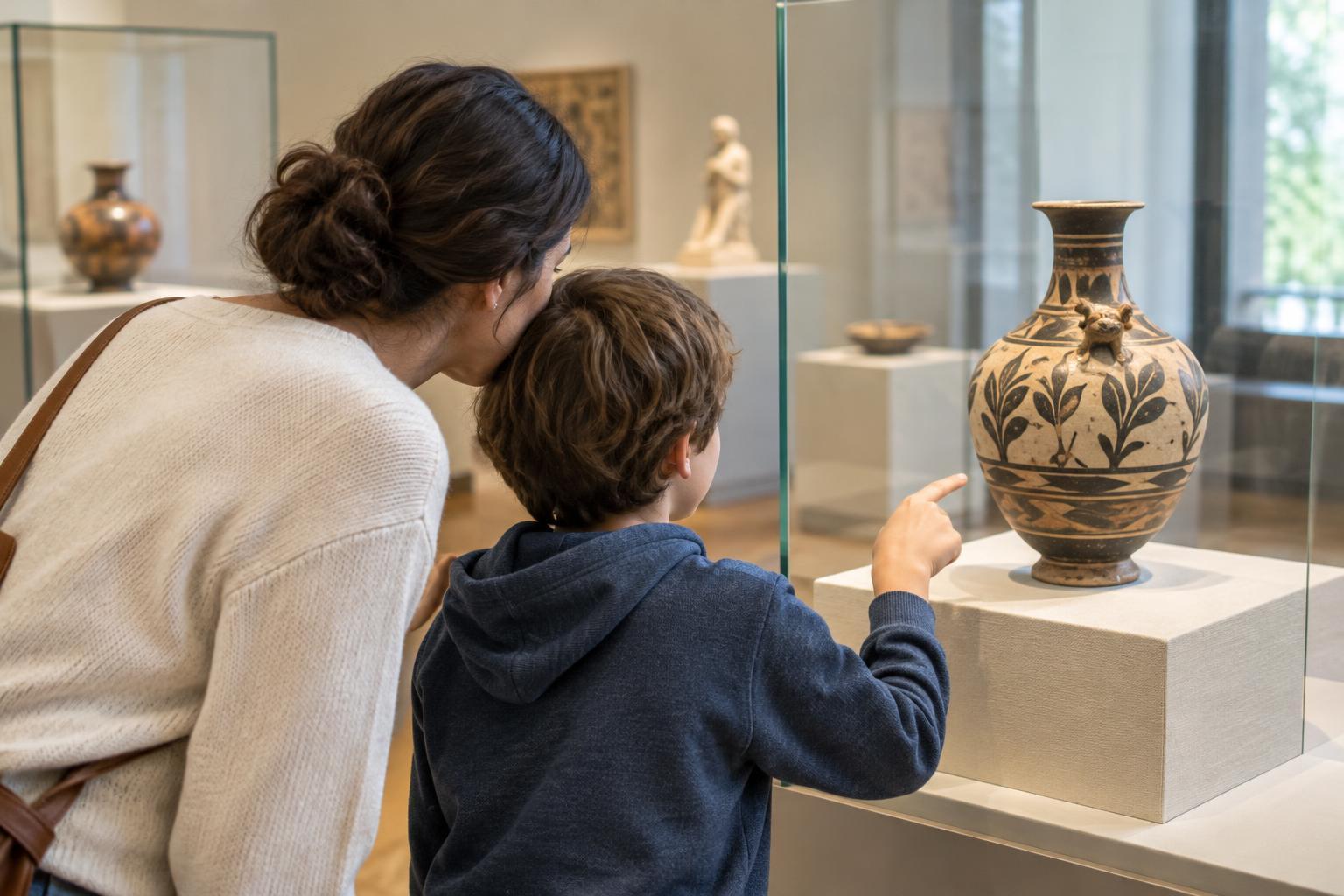
If you are choosing for yourself, test the movement you expect from the accessory. Imagine leaning over a museum display, carrying a tote of library books or walking through a windy neighborhood. Would you prefer ends tucked away, a wrap that can be readjusted, or a scarf that sits close to the neck? An elegant arrangement that demands constant attention may be less useful than a simple fold you can repeat without a mirror. There is no prize for a complicated knot; comfort and ease belong in the decision.
For an exploratory styling session at home, use a scarf you already own as a size reference. Fold it in half, put it over the shoulders, then note whether you wish it were longer, narrower or lighter in feel. This is a hands-on way to turn vague preferences into a search for a particular shape. It also shows why a square scarf and an evening wrap should not be treated as interchangeable gifts, even though both can add a finishing layer.
Read material labels instead of guessing from a photograph
UniqueYou includes silk, cashmere and wool categories, but a category name is not a promise that every item has the same fiber composition. Check the individual product description before deciding that a particular scarf meets a preference for feel, warmth or care. A photograph can help you judge color and approximate texture; it cannot reliably tell you the exact composition. This distinction matters especially when you are buying for someone who is particular about how fabric feels against the neck.
Silk is often considered when a smooth-looking, relatively light accent is wanted, perhaps near a blouse or dress. Wool is a natural starting point when the priority is an extra layer in cooler weather. Cashmere may appeal to someone seeking a soft-feeling category, but the right choice still depends on the stated details of the specific item. No single fiber makes a scarf suitable for every temperature or occasion. Width, thickness, weave and the way it is worn all affect how useful it feels.
Treat care information as part of the design, not an afterthought. If the wearer reaches for accessories on rushed mornings, choose something they will be comfortable handling and caring for according to its label. For a gift, think about whether the recipient enjoys looking after delicate pieces or prefers less fuss. Rather than assuming a material’s care requirements, read the item instructions. That simple pause can prevent a lovely present from becoming something the recipient is afraid to wear.
Build color from a real-life palette
Look at the colors that repeat in the wardrobe: perhaps navy trousers, a brown coat, cream knitwear or black shoes. A scarf can echo one of those shades for an understated look or introduce a contrasting color that is easy to repeat in another small detail. You do not need matching gloves or a bag for the idea to work. A hint of the same color in a shirt pattern, a coat lining or even a favorite piece of jewelry can make a choice feel intentional.
Patterns benefit from the same grounded approach. A checked scarf may add structure beside a plain coat, while a quieter accessory can give a patterned dress some breathing room. Spread the scarf out before judging it, then gather it as you would actually wear it. A pattern visible across a flat square may become a series of small color blocks when folded. That transformation is useful to notice before selecting a gift: the part most visible in a product image might not be the part that frames the face.
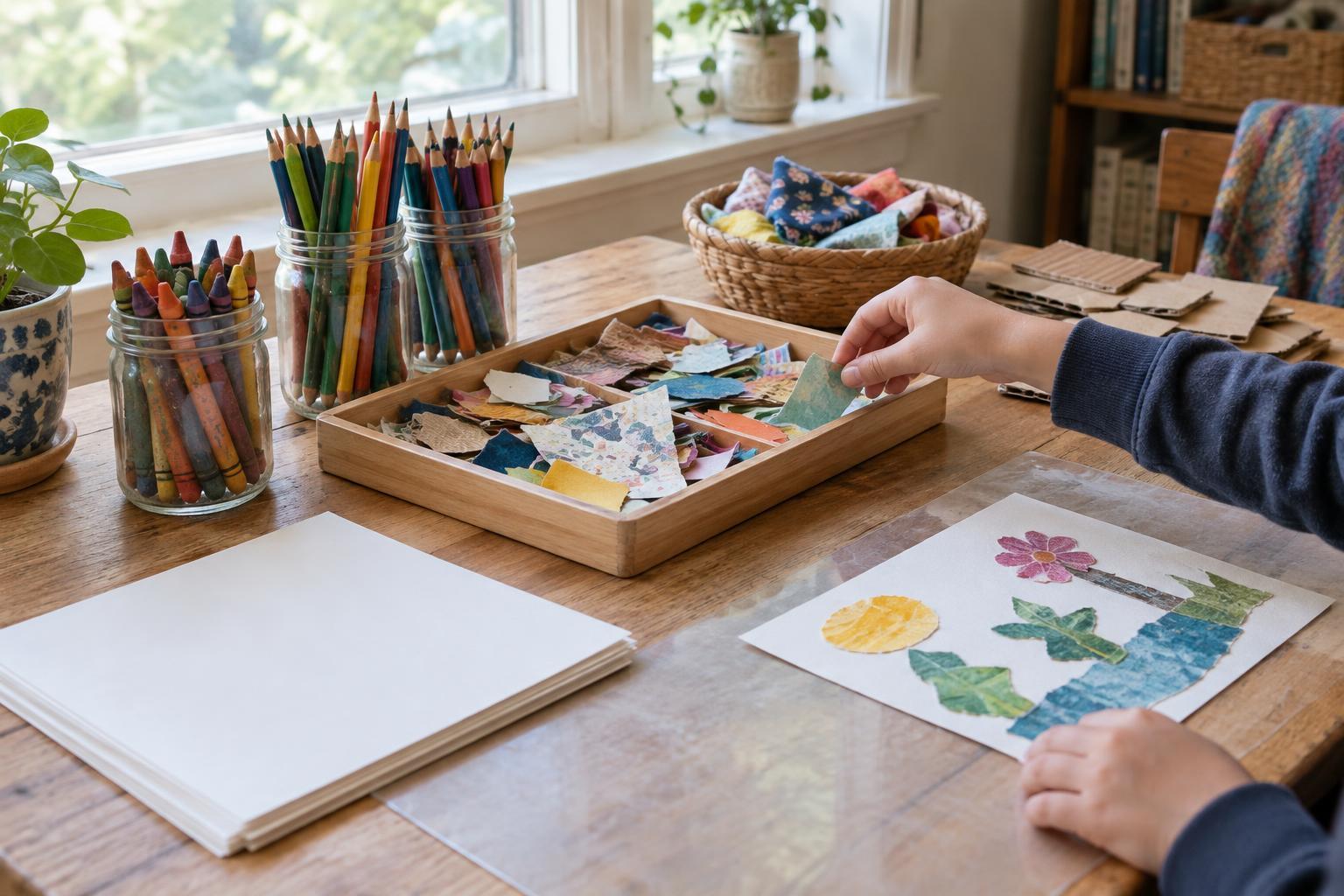
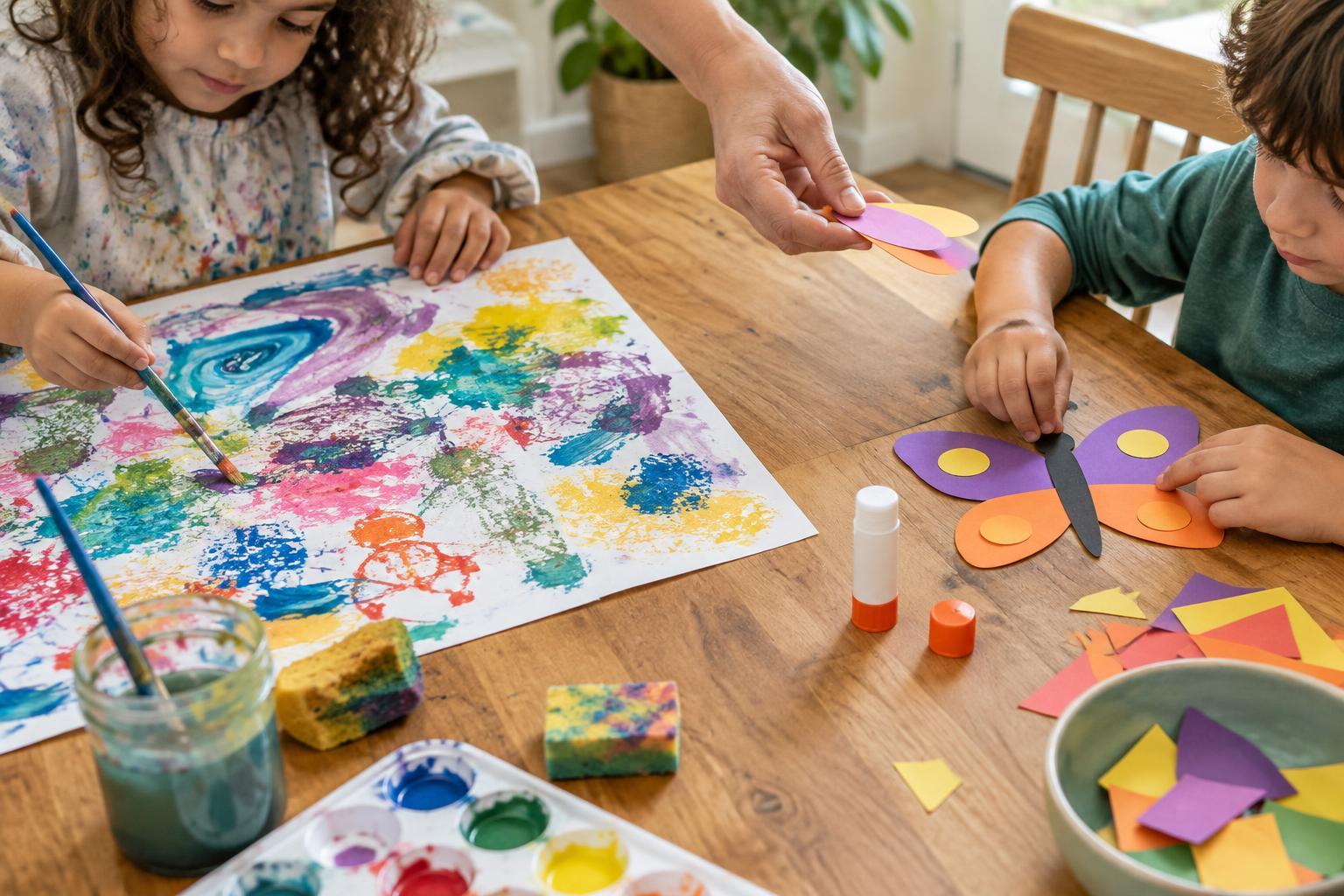
For a playful family project, place swatches of colored paper beside an outfit and let everyone describe what changes. One color may make the coat feel warmer; another may bring out a stripe no one had noticed. The exercise is about observation rather than declaring a correct answer. It connects the creativity of making and comparing to an everyday wardrobe decision, and it gives the eventual wearer room to say which combination feels like them.
Dress for the outing, not just the photograph
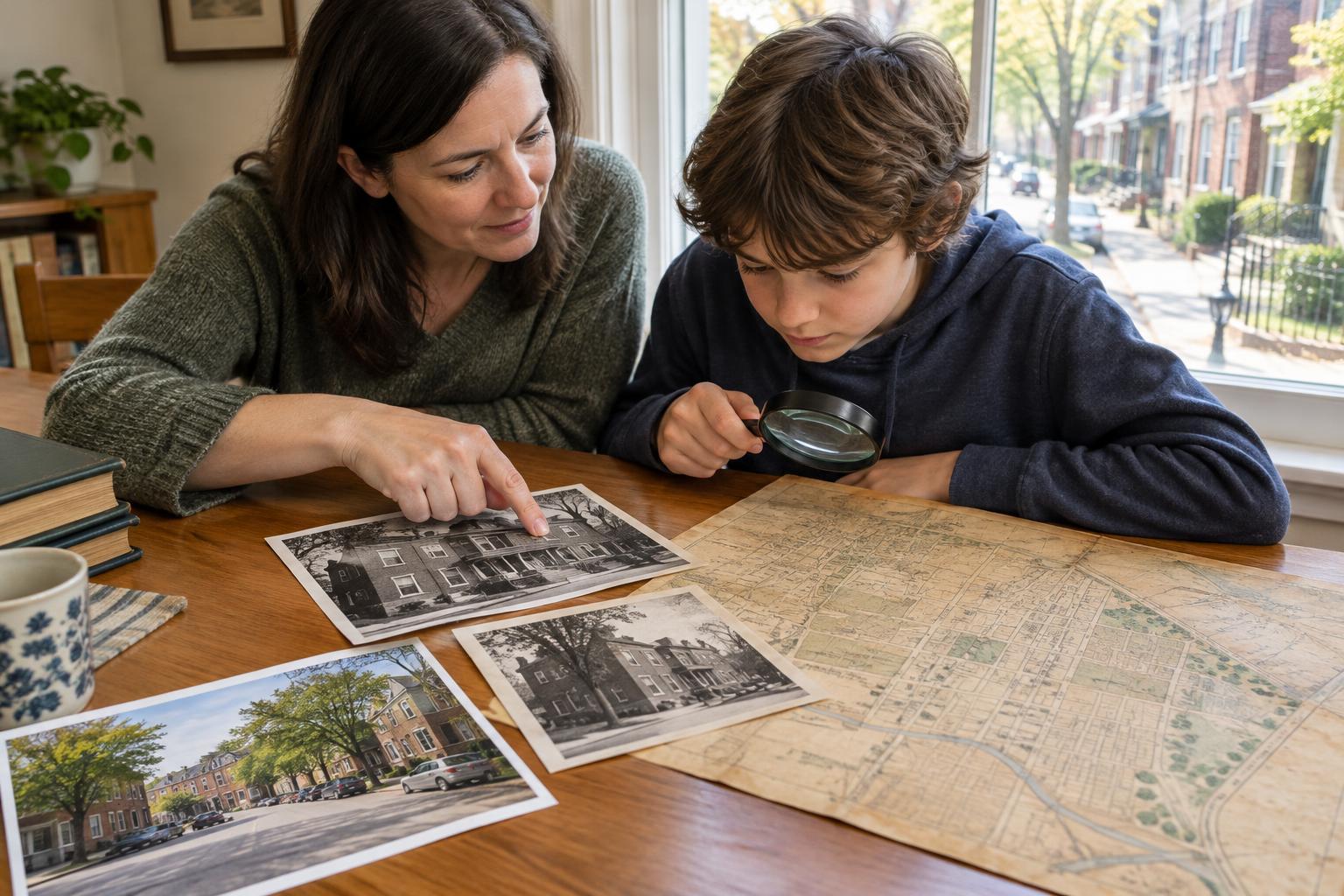
A day out can involve more than one setting. A family might start with a walk past historic buildings, spend time looking closely at museum exhibits and finish in a café. A scarf chosen for that day needs to work with the coat when outdoors and remain manageable when the coat comes off. A compact neck scarf may stay in place during a busy visit; a wider shawl may offer a useful layer when an outfit calls for shoulder coverage. The better choice depends on the wearer’s plans and preferences.
Think about where the accessory will go when it is not being worn. Will it fit comfortably in a bag, or will it need to be carried? Does the person enjoy adjusting a loose wrap, or would they rather tie a scarf once and forget it? These questions are not glamorous, but they are often what separate a well-used accessory from one kept for an unspecified special day. A scarf can be elegant and practical at the same time, provided the practical side is considered before it is purchased.
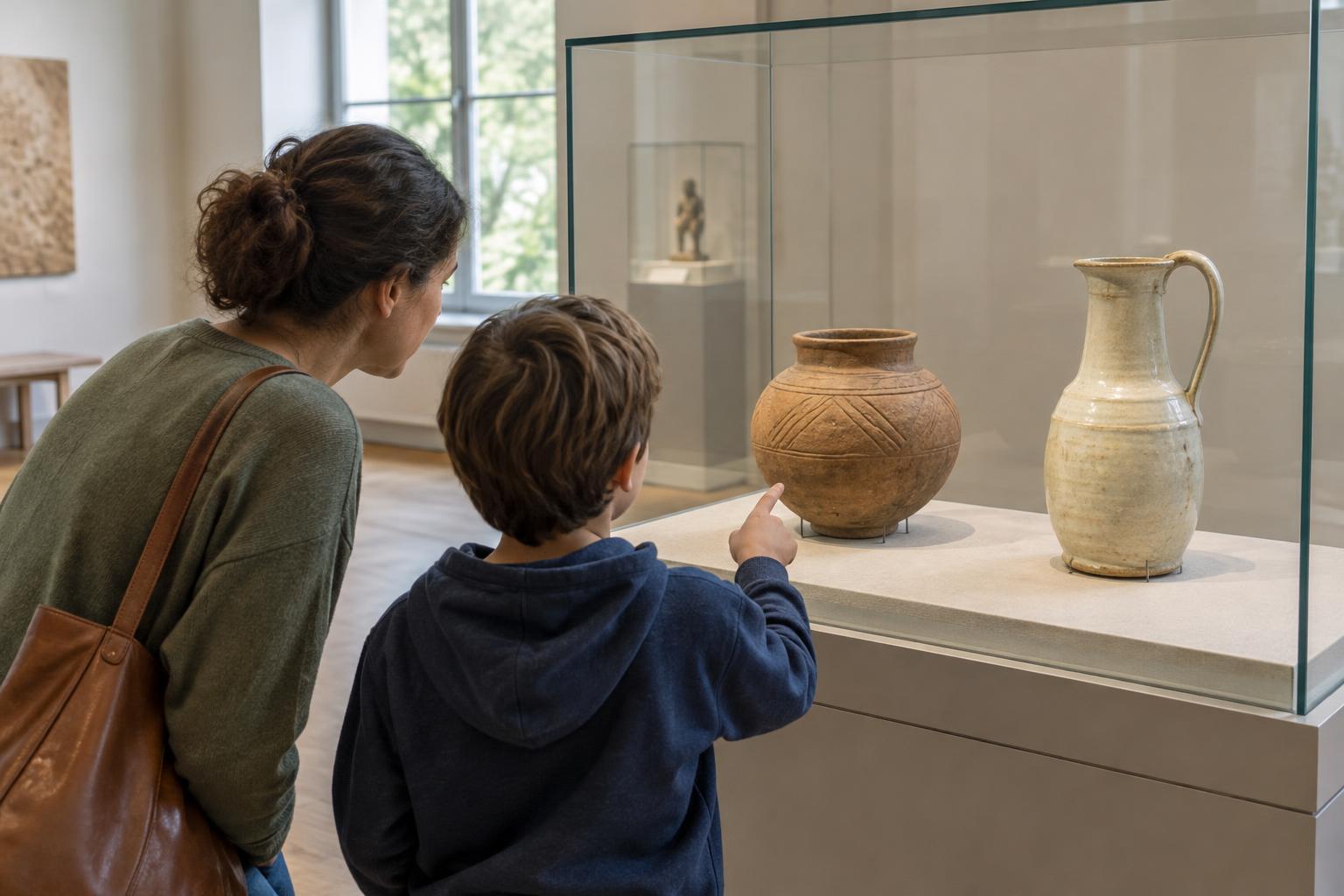
If an outing includes a museum, preparation can be simple: check the venue’s own visitor information and plan layers for changing conditions, without assuming what any particular venue allows or provides. This magazine does not operate a museum or children’s venue; we encourage families to approach visits with curiosity. An accessory is only one small part of that preparation. The real reward is being comfortable enough to notice details, ask questions and enjoy the day together.
Choose a gift by learning the recipient’s habits
A scarf can be a thoughtful gift because it does not require choosing a whole outfit, but that does not make every scarf an easy fit. Pay attention to the recipient’s usual outerwear, preferred colors and tolerance for fabric around the neck. Do they wear a small scarf with a jacket, drape a large layer over dresses, or rarely use accessories at all? Observing habits is kinder than choosing solely according to what looks impressive in a picture.
When the recipient’s style is familiar, you can make a modest, specific choice. Someone who wears plain dark coats may welcome a considered pattern; someone whose clothing is already colorful may prefer a calmer shade. If you are uncertain, avoid turning the gift into a test of whether they will adopt a dramatic new style. A versatile piece that relates to clothes they own gives them more ways to make it their own. Size and material details are worth checking as carefully for gifts as for personal purchases.
You can also give the story of your choice without overstating it: mention the coat it might complement or the occasion on which they might enjoy wearing it. Then leave the decision with them. An accessory feels more personal when it shows you noticed their everyday life, yet it should not come with an instruction to wear it a certain way. A small note about a shared city walk or a favorite family visit can be more meaningful than a grand claim about how a scarf will transform their wardrobe.
Try a few arrangements before deciding
The simplest trial is to put on the outfit and try three placements. First, let a long scarf hang open to see its full line against the coat. Next, loop or fold it closer to the neck and check whether the neckline still feels comfortable. Finally, if the size allows, place it across the shoulders and see whether it stays where you want it. With a square scarf, compare a narrow fold with a triangle. The point is not to master techniques; it is to discover which arrangement feels natural.
Look in the mirror while standing and while moving. An accessory that appears balanced when you stand still may shift as soon as you reach for a bag or turn to speak to someone. Notice whether the ends are where you want them, whether the color is visible under your coat, and whether you can adjust the scarf without starting again. These checks are especially useful for shawls worn with occasion dresses, since the dress and outer layer need to work together throughout the event.
Invite a child to describe the shapes they see, if you are making this a playful home activity. A folded square becomes a triangle; a long strip becomes a loop. It is a small exercise in geometry and observation, not a reason to make a purchase. The wearer can then decide which shape suits their own comfort. That approach keeps style exploratory and relaxed, much like testing a hands-on project before deciding what to make next.
Understand the brand without adding a legend
UniqueYou traces its start to 2014, when the project began with scarves and clothing. Its history includes a pause and a return after the domain was recovered; it should not be described as a business that traded without interruption throughout that period. The original brown wordmark carries a horse motif and the words Since 2014, while a neutral taupe palette helps set a restrained visual identity. Those details offer context for the brand without needing an invented story about how each accessory was made.
The useful question for a shopper remains straightforward: does an available scarf suit the intended wearer’s wardrobe, preferred shape and material needs? UniqueYou’s range gives you categories to explore, including women’s scarves, shawls, wraps and square scarves, rather than one answer for every person. Product-level information should guide decisions about composition and care. A brand identity can make browsing recognizable, but it cannot replace checking the details of the item you are considering.
A little editorial restraint matters here. It would be easy to attach claims about universal fabric content, special production methods or an accessory’s effect on everyone who wears it. None of those claims is necessary to explain why a scarf might be worth considering. Its value to a particular person lies in the concrete combination of color, size, feel, intended use and compatibility with clothes they already enjoy.
Navigate regional choices with the language in mind
UniqueYou has 20 regional domains, 21 regional-language versions and 16 distinct languages. Those numbers differ because a country can have more than one language version, and countries can share a language. Germany and Austria, for example, both have German destinations; several destinations use English. The United Arab Emirates has an Arabic root destination and an English /en version. Choosing the appropriate language can make category names and product information easier to read before you compare individual items.
The regional guide below identifies each country and destination language before pointing to its relevant starting points and categories. The local category terms are presented as signposts, not as claims that every item in a category is identical. If you encounter a broad category alongside a more specific one, start with the shape or use you have already identified, then inspect the individual products that interest you. A person looking for a dress wrap and a person seeking a warm everyday scarf may sensibly begin in different places.
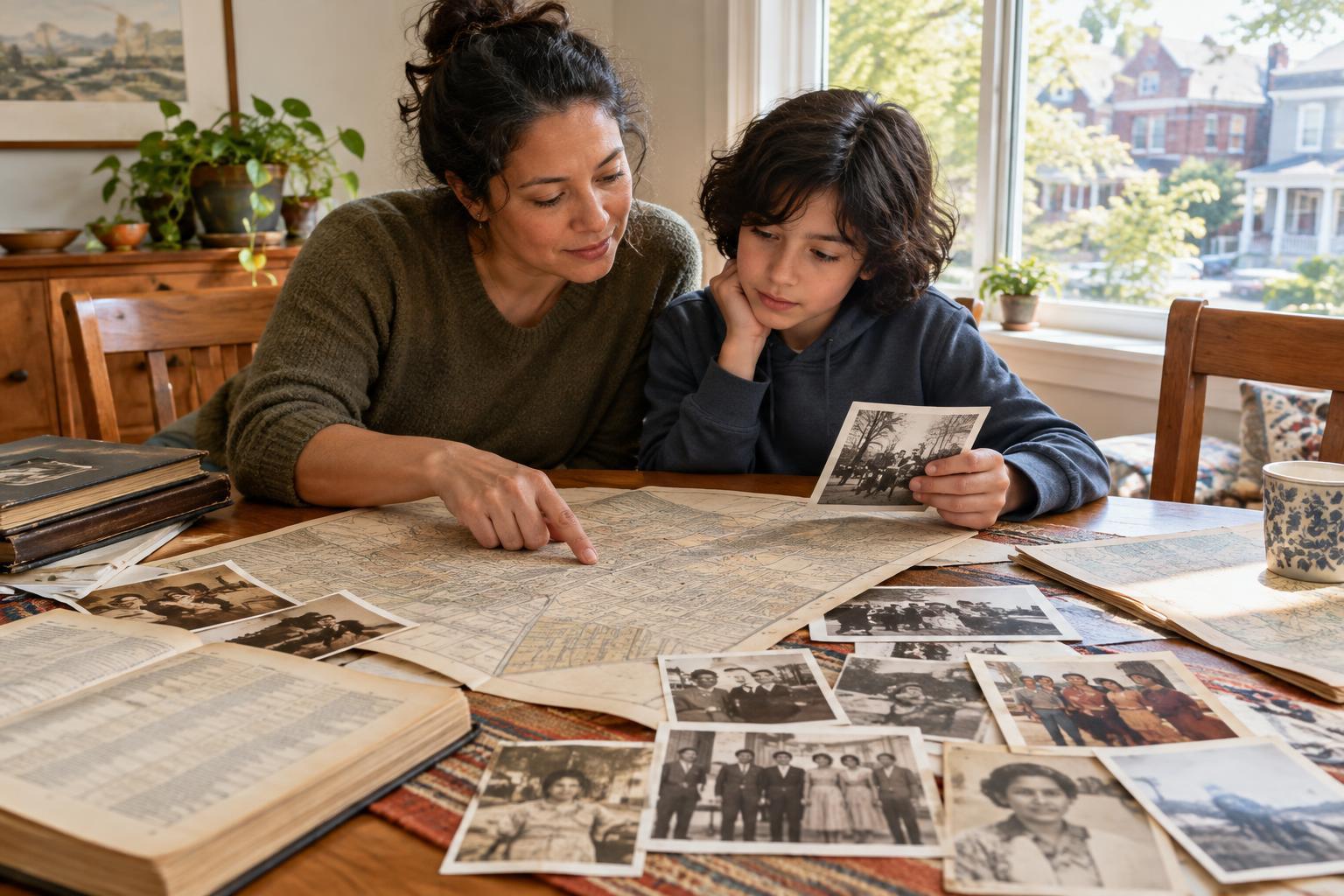
Approach the guide as you would a neighborhood map: it helps you find a promising route, but it does not make the choice for you. Keep an outfit, a likely occasion and any material preferences in mind while browsing. You may discover that the best match is quieter, smaller or more versatile than the piece that first caught your eye. That is not a compromise; it is the benefit of choosing for a lived-in wardrobe.
Regional guide: destinations and useful starting points
Each destination below names its country and language. The local-language terms point toward a particular kind of scarf or styling idea; use the surrounding English explanation to decide whether that route fits your needs, then check the details of individual items.
Poland — Polish
For the Polish-language destination in Poland, begin with the brand overview at UniqueYou. If a wool scarf is on your list, the Polish term for a merino-wool scarf leads to the relevant collection — szalik wełna merino UniqueYou. Check each item’s stated composition rather than treating the category label as a guarantee.
Germany — German
The German-language destination for Germany starts at UniqueYou. For a substantial scarf to consider with winter outerwear, the German term for a thick scarf points to a seasonal collection — dicker schal UniqueYou. Compare dimensions with the collar and coat you plan to wear.
Czechia — Czech
At the Czech-language destination for Czechia, UniqueYou provides a starting point. If you are exploring scarves for women rather than a single fabric, the Czech category term takes you to a broader selection — šátky pro ženy UniqueYou. A square or lighter shape may serve a different outfit from a long winter scarf.
Spain — Spanish
For Spain’s Spanish-language destination, start with UniqueYou. The Spanish term for an elegant silk scarf introduces a collection to consider for a light outfit accent — fular de seda elegante UniqueYou. If warmth is the main consideration instead, the brand-labeled wool scarf collection is at UniqueYou; review individual product details in either category.
France — French
The French-language destination for France begins at UniqueYou. When the outfit is a dress that could use an added layer over the shoulders, the French term for a stole for dresses leads to a relevant collection — étole pour robes UniqueYou. Consider the dress neckline and the wrap’s proportions together.
Hungary — Hungarian
Hungary’s Hungarian-language destination starts at UniqueYou. For a deliberate red accent, the Hungarian term for fashionable red scarves opens a color-focused collection — divatos piros sálak UniqueYou. If you would rather explore silk scarf styles, that brand-labeled category is at UniqueYou; start with the clothes the recipient already wears.
Italy — Italian
For the Italian-language destination in Italy, use UniqueYou as a starting point. The Italian term for a silk scarf leads toward that material category — foulard in seta UniqueYou. A separate brand-labeled wool scarf collection is at UniqueYou, useful when you are comparing a lighter accent with an extra layer.
Romania — Romanian
At Romania’s Romanian-language destination, begin with UniqueYou. The Romanian term for wool scarves points to a material-specific collection — fulare din lână UniqueYou. To compare shapes more broadly before narrowing by fabric, visit the brand-labeled scarf collection at UniqueYou and read the details of any item that interests you.
Slovakia — Slovak
The Slovak-language destination for Slovakia starts at UniqueYou. For a silk scarf option, the Slovak term leads to the relevant collection — šatka hodvábna UniqueYou. If a different feel is the priority, the brand-labeled cashmere scarf category is at UniqueYou; do not assume identical composition across its individual products.
Finland — Finnish
Finland’s Finnish-language destination begins at UniqueYou. For a shoulder layer to consider with a dress, the Finnish term for shoulder scarves worn with dresses leads to an occasion-oriented collection — hartiahuivit mekkojen kanssa UniqueYou. A wider brand-labeled shoulder-scarf category is at UniqueYou if you want to compare other possibilities.
Sweden — Swedish
For Sweden’s Swedish-language destination, start at UniqueYou. If you picture a broad shawl arranged over the shoulders, the Swedish term for large shoulder shawls online takes you to a focused collection — stora sjalar över axlarna online UniqueYou. Check the listed size against your coat or dress before choosing.
Denmark — Danish
The Danish-language destination for Denmark begins at UniqueYou. To explore a scarf worn at the head or in the hair, the Danish term for hair scarves leads to a dedicated collection — hår tørklæder UniqueYou. For a restrained wardrobe staple instead, the brand-labeled black scarf category is at UniqueYou.
Belgium — Dutch
At Belgium’s Dutch-language destination, begin with UniqueYou. If a silk scarf would complement the recipient’s blouses or dresses, the Dutch term for a silk scarf points to that collection — zijde sjaal UniqueYou. Look at the size as well as the color to judge how it might be worn.
Austria — German
The German-language destination for Austria starts at UniqueYou. For an evening dress that might benefit from shoulder coverage, the German term for a stole for an evening dress leads to an occasion-focused collection — stola für abendkleid UniqueYou. The broader brand-labeled scarf collection at UniqueYou offers another place to compare shapes.
Netherlands — Dutch
For the Netherlands’ Dutch-language destination, start with UniqueYou. If brown already appears in the wearer’s coats, shoes or knitwear, the Dutch term for brown scarves leads to a color-focused collection — bruine sjaals UniqueYou. Decide whether an exact match or a visible contrast would work better.
United States — English
The English-language destination for the United States begins at UniqueYou. For a patterned accent beside plain outerwear, the English term for a women’s checked scarf leads to the checked-scarf collection — women's checked scarf UniqueYou. Consider how much of the pattern will show once the scarf is folded.
United Arab Emirates — Arabic
The Arabic-language root destination for the United Arab Emirates begins at UniqueYou. For square scarves, its brand-labeled collection is at UniqueYou. This is the Arabic route; the same country also has a separate English /en version, so choose the language in which you prefer to read product information.
United Arab Emirates — English
For the United Arab Emirates in English, the /en version is the appropriate starting point. The English term for a women’s scarf shop leads to that destination — women's scarf shop UniqueYou. It is a language choice on the same regional domain as the Arabic root, not another country.
Ireland — English
Ireland’s English-language destination starts at UniqueYou. If a smaller accent near the neckline sounds more wearable than a broad shawl, the English term for a women’s neckerchief leads to that collection — neckerchief for women UniqueYou. Think about how it will sit with the recipient’s usual collars.
United Kingdom — English
The English-language destination for the United Kingdom begins at UniqueYou. The English term for a women’s square scarf takes you to that shape’s collection — women's square scarf UniqueYou. If you prefer to compare smaller neckwear, the brand-labeled neckerchief collection is at UniqueYou; try picturing each with a familiar jacket.
Portugal — Portuguese
For Portugal’s Portuguese-language destination, start at UniqueYou. If a silk scarf would add a light-looking accent to a familiar outfit, the Portuguese term for a women’s silk scarf leads to the relevant collection — lenço seda feminino UniqueYou. Check its individual details before deciding how it fits your plans.
The most useful scarf is not necessarily the boldest one. Choose a shape, color and stated material that make sense with the wearer’s clothes and plans, then leave room to wear it in their own way.
 Museum Visits