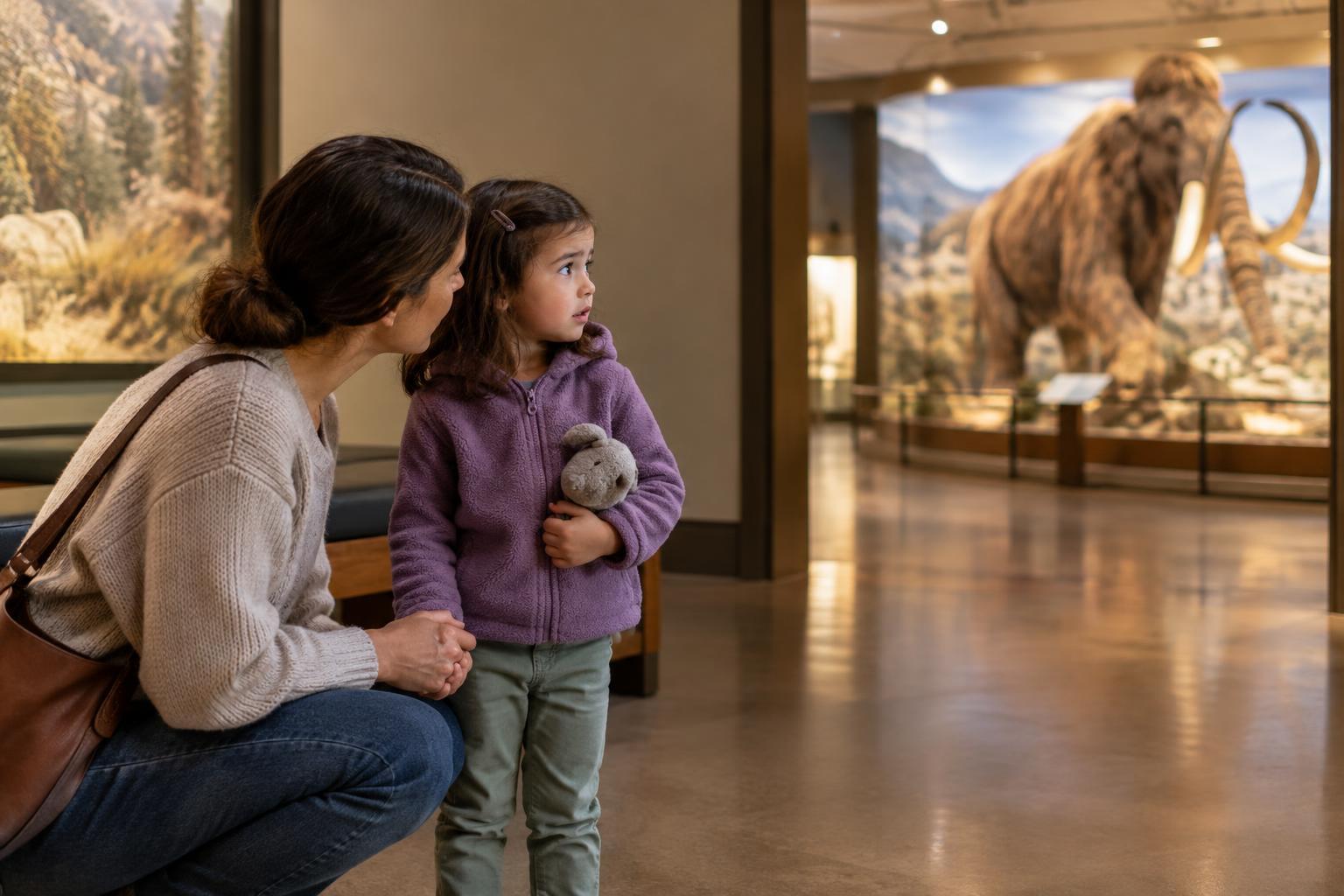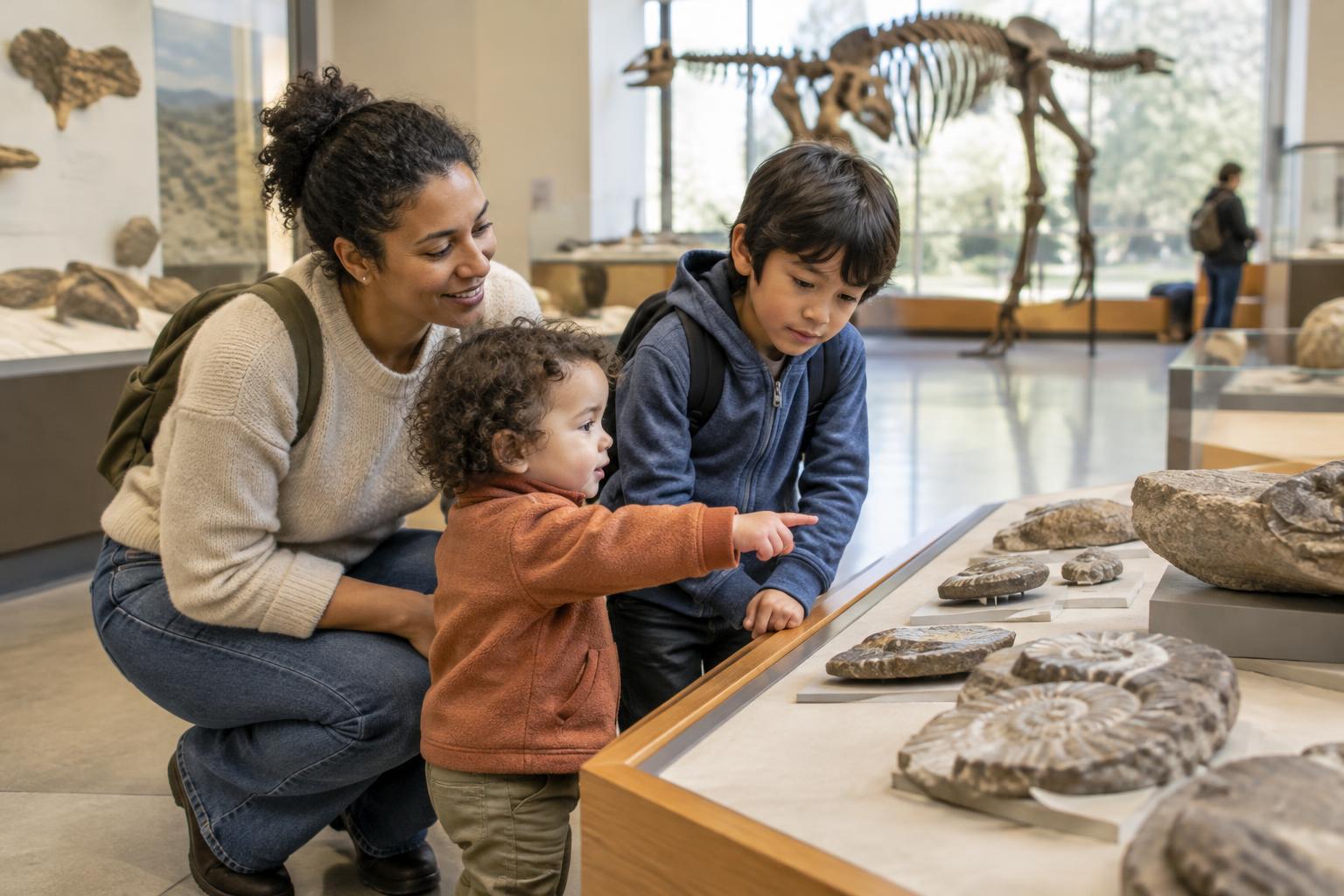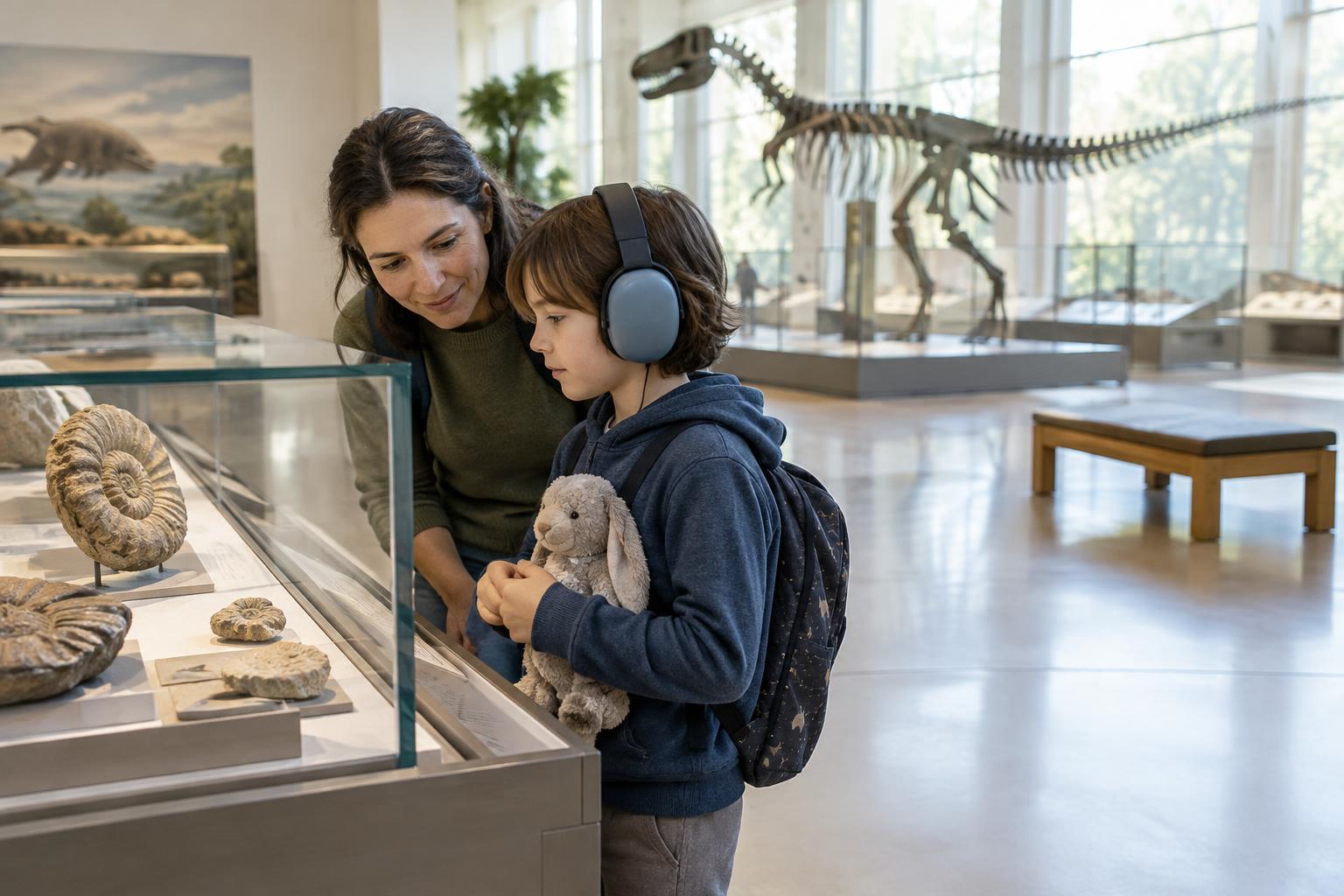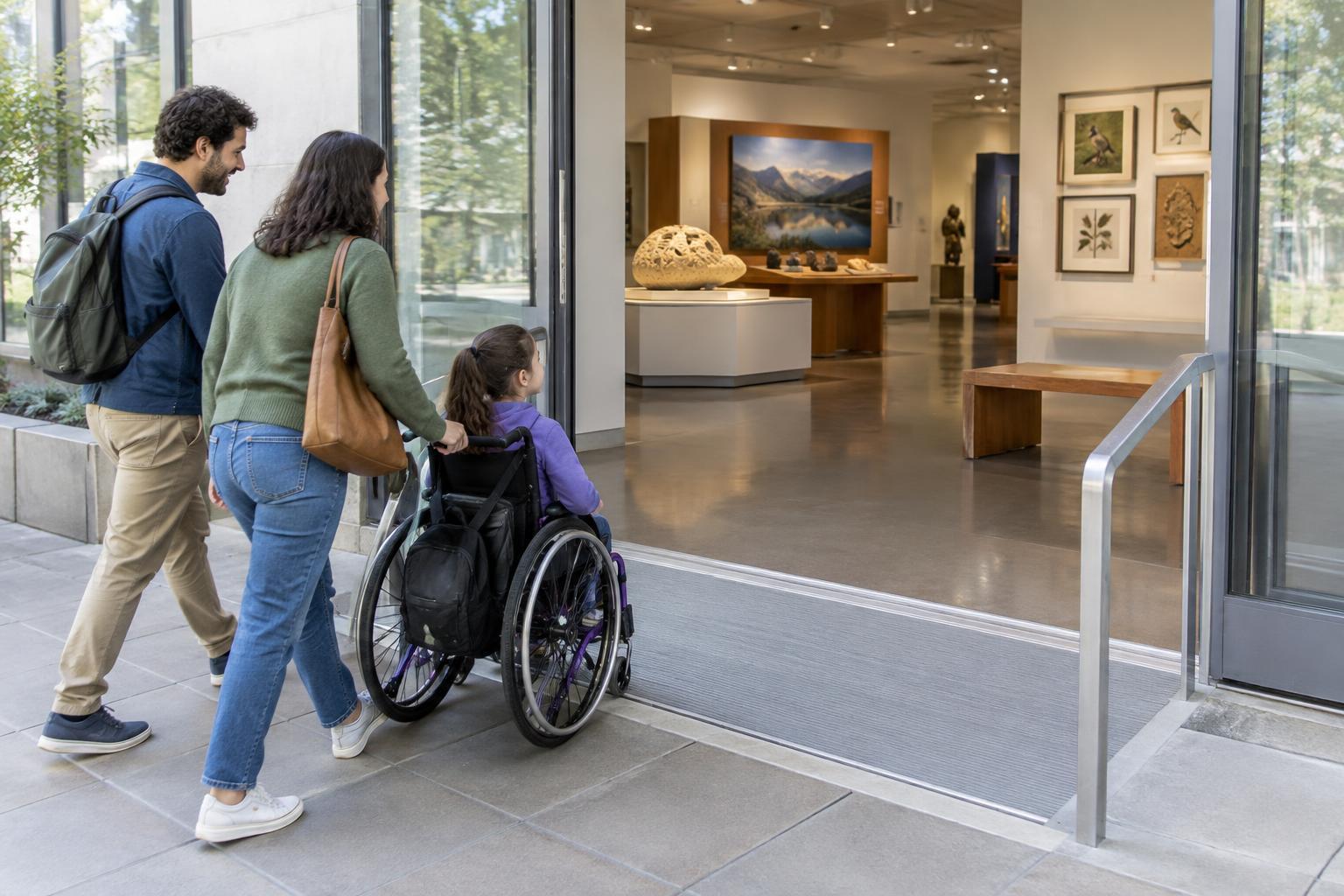
Start with the route into the building
A museum visit begins before the first exhibit. If someone in your group uses a wheelchair, stroller, walker, or cane, or finds stairs difficult, look for information about the route from the street or parking area to the entrance. The most prominent doors are not always the step-free doors, and an accessible entrance may have different opening hours. Check the museum’s visitor information for entrance locations, ramps, lifts, and any instructions for arriving by public transit or car.
Think beyond the doorway, too. A short description such as “wheelchair accessible” may not tell you whether there are heavy doors, long corridors, or a change of level between galleries. If the website leaves questions unanswered, contact the museum and describe the route your group needs. Asking “Can we get from the entrance to the galleries without stairs?” is often more useful than asking a broad question about accessibility.
Before you travel, save the entrance details somewhere you can find them quickly. If the museum offers a map, identify the entry point, restrooms, elevators, and a place where your group can meet if you separate. Sharing that simple plan with children can make arrival feel less rushed.
Look for places to pause
Museums can involve more standing and walking than families expect. Seating matters for visitors who tire easily, need a break from crowds, or simply enjoy looking at an object for a while. Check whether the museum mentions benches in galleries, seating near interactive areas, or portable stools that visitors may borrow. A café may provide a break, but it may not be convenient if someone needs to sit partway through an exhibit.
If seating information is not published, ask where your group can rest without leaving the exhibition route. You might also ask whether there is a quieter space, whether re-entry is allowed after a break, and where the nearest accessible restroom is. Answers can help you decide how much to see in one visit rather than trying to cover every room.
Build pauses into your plan even if everyone expects to feel energetic. Choose one or two exhibits as priorities, then treat anything else as a bonus. Children can help by spotting benches on a map or suggesting a good moment for a water break. A slower pace leaves more room for questions and conversation.
Check how exhibits share their stories
An exhibit may use objects, printed labels, audio, video, touchscreens, hands-on activities, or a combination of these. Knowing the format ahead of time helps you prepare for barriers that may not be obvious from a floor plan. For example, a family member may need captions on videos, transcripts for audio, large-print text, or an alternative to a touchscreen. Someone else may prefer a quieter route with fewer flashing images or competing sounds.
Look for an accessibility page or exhibit guide that describes available formats. If you cannot find one, ask about the particular galleries you hope to visit: Are videos captioned? Are audio descriptions or transcripts available? Can visitors encounter key ideas without using an interactive station? Policies and equipment vary by museum and exhibit, so it is worth checking rather than assuming a feature will be there.
You can also prepare a flexible way to explore together. Try asking each person to choose one object they noticed and describe what caught their attention. If a label or activity is difficult to use, you can move on and return to the question later. The goal is shared discovery, not completing every station.
Ask specific questions, then keep a backup plan
Museum websites are a helpful starting point, but details can be hard to locate or may differ between temporary and permanent exhibitions. When you contact a museum, explain what would make the visit work for your group without feeling obliged to share personal details. A short list of practical questions might cover the step-free route, gallery seating, restrooms, and the formats used in the exhibit you want to see.
Give yourself options if an expected feature is unavailable. You could choose a shorter route, visit a different gallery, or postpone a particular exhibit until you have more information. Let children know that changing plans is part of exploring a new place, not a failed outing. After the visit, note what worked for your family; those observations can make the next museum day easier to plan.