Mistake: Trying to see everything
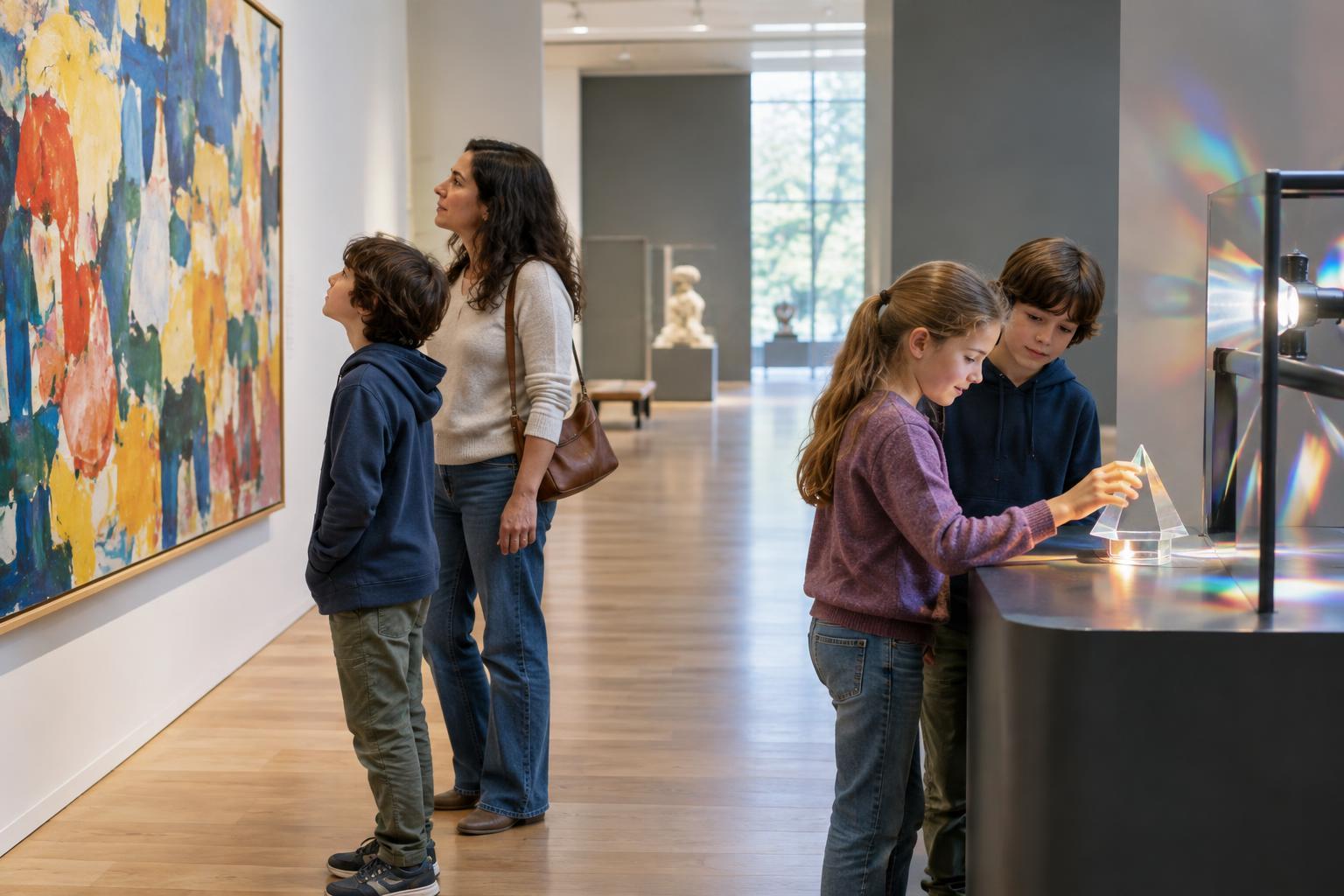
A museum map can make a visit feel like a checklist. Families may hurry from room to room, worried that skipping an exhibit means missing out. For children, though, one object they have time to notice can be more memorable than a long march past dozens of displays. The alternative is to pick a small goal before you go: one gallery, a favorite theme, or a few things to look for together.
Check the museum’s visitor information for opening hours, admission details and any rules that affect your plans. Then leave room to change course. A child who becomes fascinated by a model bridge or a painted portrait may have found the best part of the visit. You can always leave other galleries for another day, if a return trip is possible.
Mistake: Explaining every exhibit
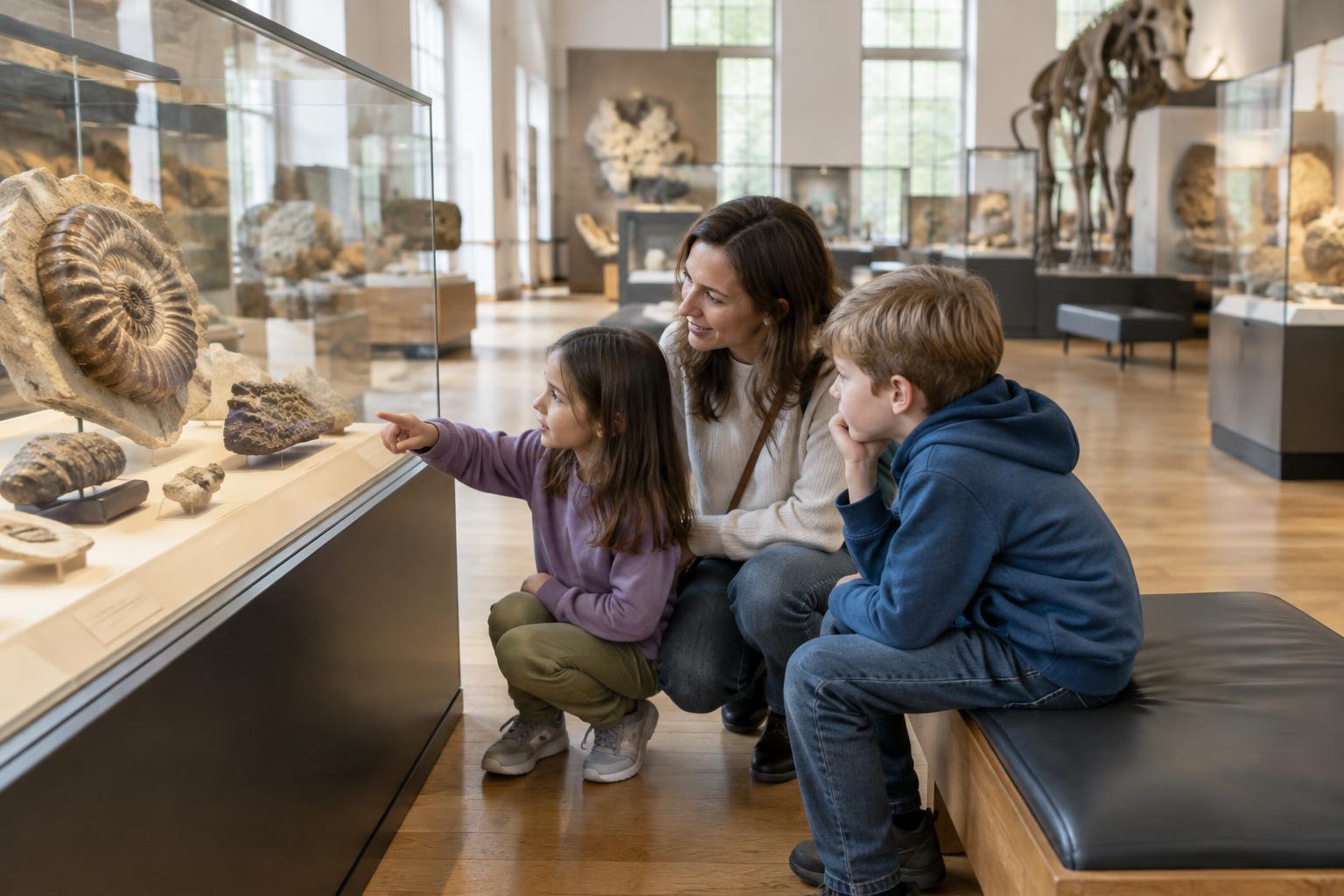
Adults often want to make a museum visit educational, so they read every label aloud or supply facts as soon as a child stops walking. That can crowd out the child’s own observations. Try giving everyone a quiet moment to look first. Ask, “What catches your eye?” or “What do you think this was used for?” These questions invite ideas without requiring a correct answer.
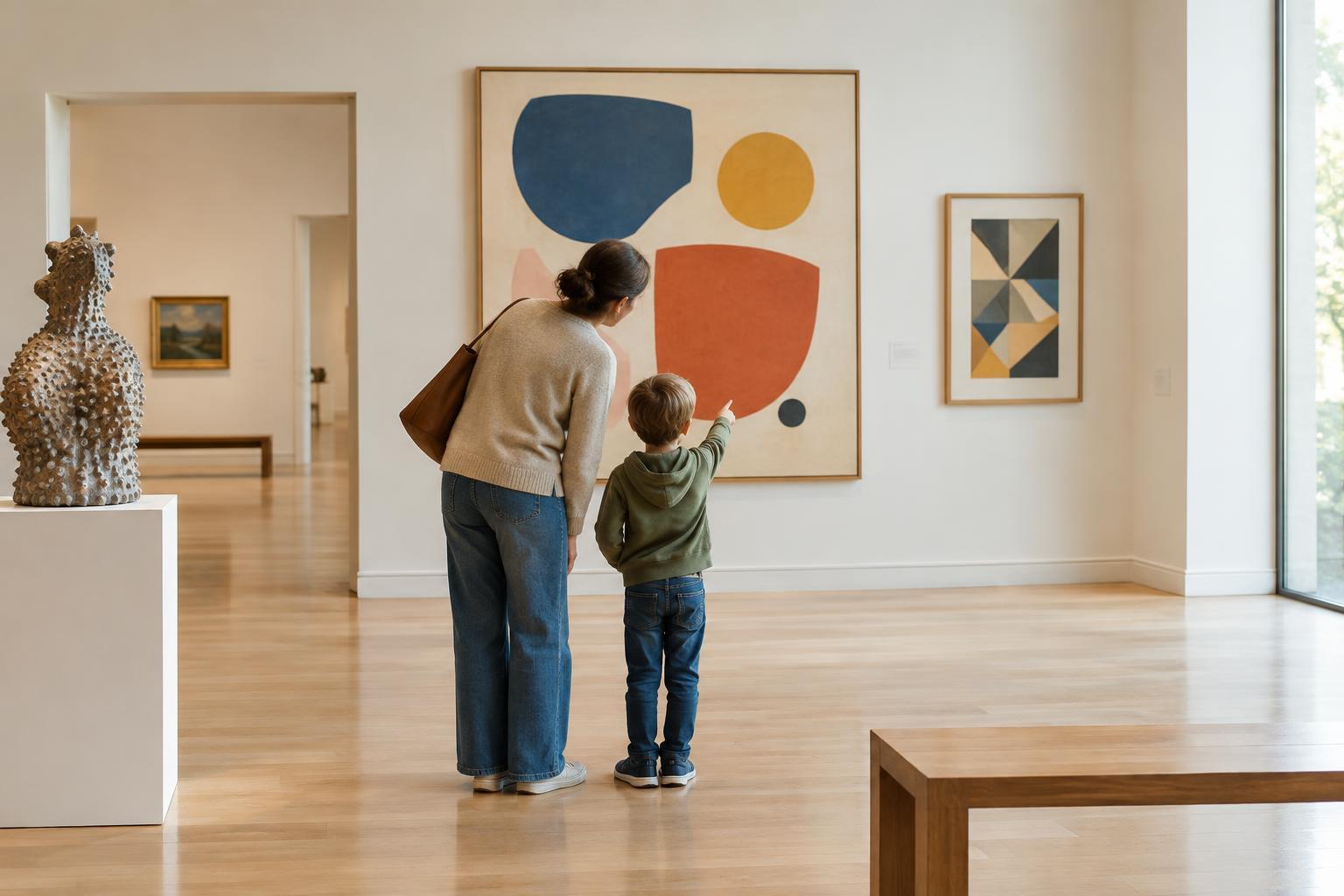
Labels can still be useful. Read one when it helps answer a question the family has raised, or summarize a short part in everyday language. If nobody knows the answer, it is fine to say so and look together. In an art museum, noticing a color or shape counts as engagement; in a history museum, wondering who used an object can open a conversation. Children do not need to master a subject to have a worthwhile visit.
Mistake: Treating rules as a surprise
Many museums ask visitors not to touch certain objects, run in galleries or use particular materials near displays. A child who encounters those limits for the first time at the doorway may feel frustrated. Before arriving, explain the basic distinction: some things are for looking, while others may be marked for hands-on use. Check posted signs and ask staff when you are unsure, since rules vary by museum and exhibit.
Give children something they can do instead of only listing what they cannot do. They can point from a safe distance, describe a texture they imagine, copy a pose, or sketch a shape if the museum permits drawing. For a child who needs movement, look for a suitable space to pause between galleries. Clear expectations and small choices make it easier to explore while respecting the collection and other visitors.
Mistake: Waiting too long for a break
Even an exciting visit can become tiring. Crowds, unfamiliar sounds, standing and repeated transitions may wear on children and adults alike. Rather than waiting until someone is upset, build in a pause after a room or two. Find a permitted place to sit, get a drink where allowed, or step outside if leaving and returning works with the museum’s admission policy.
It helps to agree on a simple signal for “I need a break.” A younger child might use a phrase such as “pause, please,” while an older child may prefer to say which space feels too busy. A short visit is not a failed visit. If the family has seen one interesting object and leaves feeling ready to talk about it, that may be enough for the day.
Mistake: Ending without a chance to reflect
Families sometimes leave a museum and move straight to the next errand. A brief conversation afterward helps everyone hold on to what interested them, without turning the outing into a test. On the way home, ask each person to name one thing they would show a friend. Answers can be surprising: a staircase, a sound, a tiny detail in a painting or a question nobody answered.
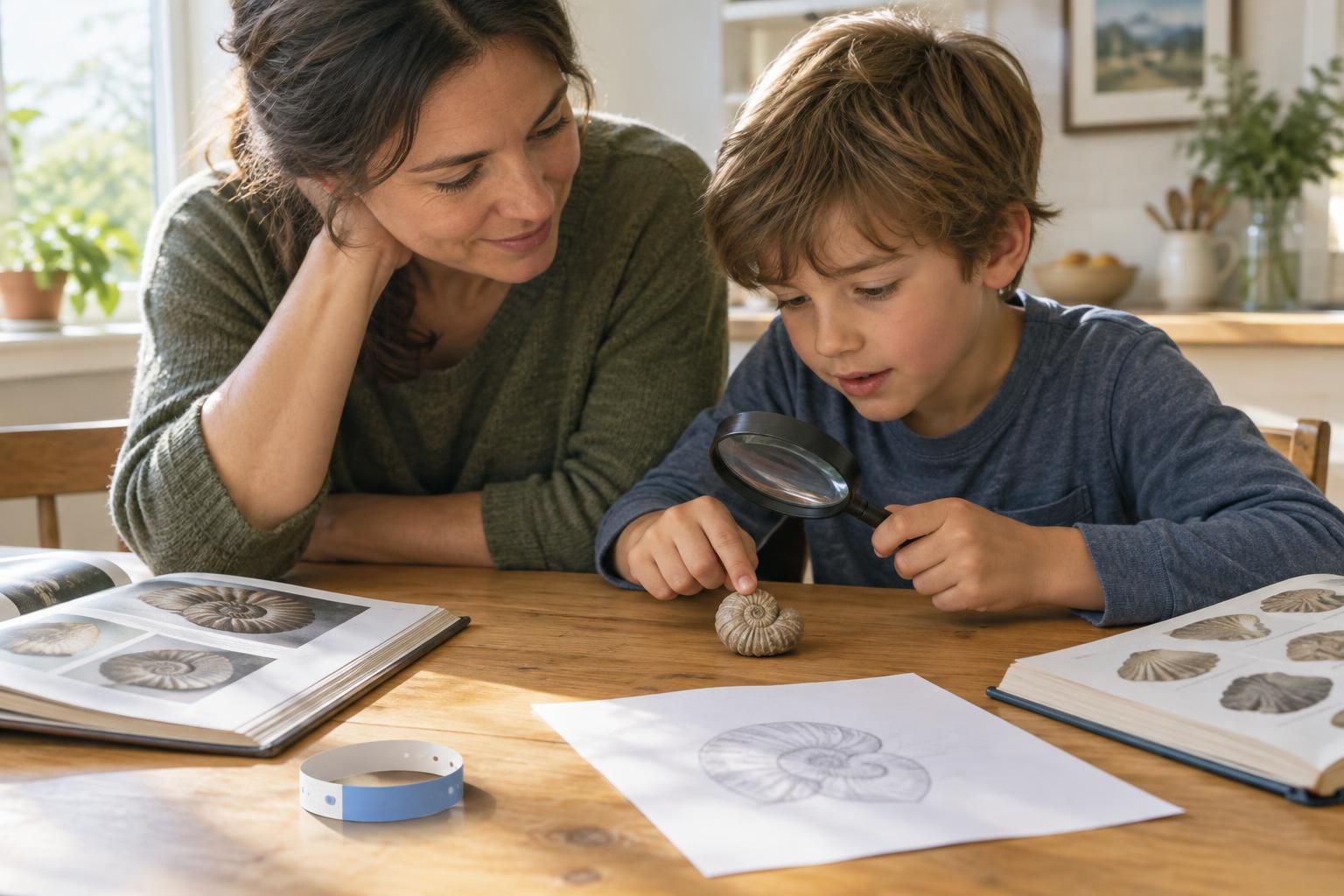
Keep the follow-up easy. Draw a remembered object, build a version from household materials, or look for a related shape or story in your neighborhood. If someone disliked part of the visit, listen to that too; it can help you plan a better-paced outing next time. The aim is not a perfect museum day. It is a shared experience that gives the family something new to notice together.