Mistake 1: Starting with a picture of the “right” result
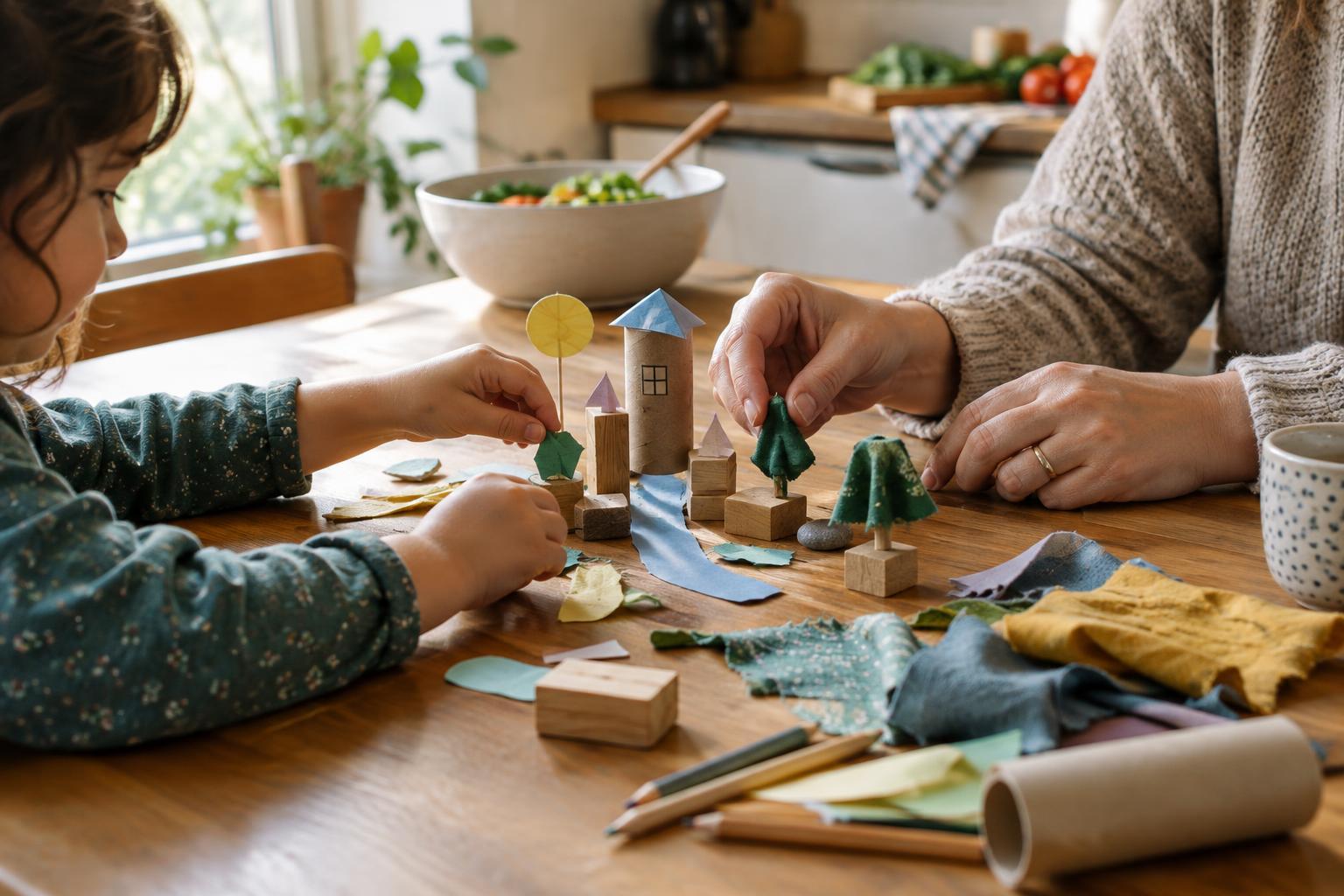
A craft sample can be useful for showing how materials fit together. It can also quietly turn an invitation into an assignment. If every cardboard house is expected to look like the adult’s house, a child may spend more energy copying than deciding what to make. The same thing can happen with pretend play when an adult has already planned the characters, the plot and the ending.
Try offering a starting point instead of a finished model: “These boxes could become buildings, vehicles or something else.” Put out a few materials that are easy to combine, such as paper, tape and clean packaging. If a sample is needed to demonstrate a technique, make it clear that it is one possibility, not a goal. A lopsided tower or an invented creature can be a complete idea in its own right.
Mistake 2: Turning every choice into a question
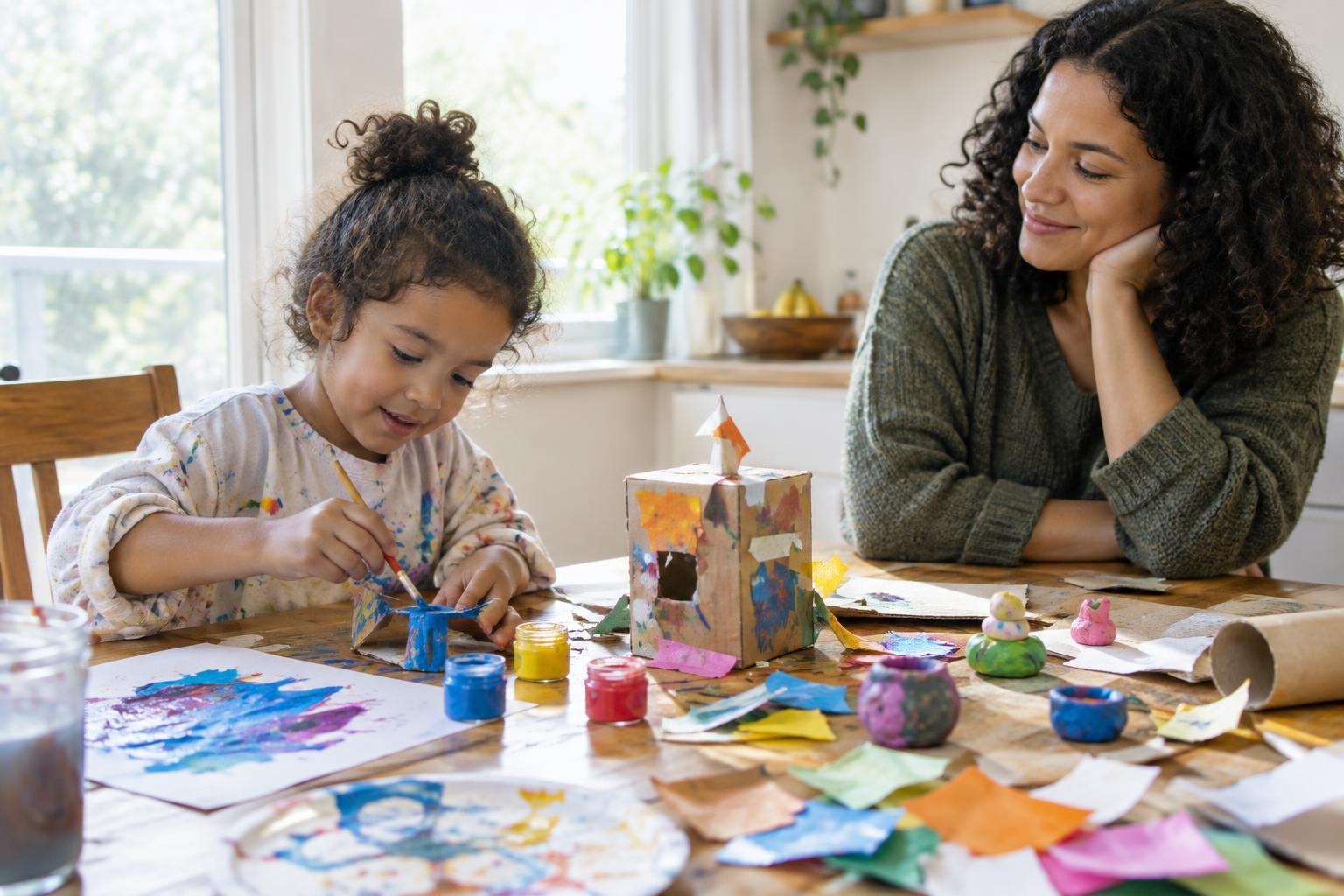
Questions can show interest, but a steady stream of them may feel like a quiz. “What color is that? What is it supposed to be? Why did you put that there?” asks a child to explain work that may still be taking shape. In some kinds of play, the child may not even have a name for what they are making yet. They may simply want to see what happens when the blue paint touches the yellow.
Leave some room for quiet observation. When you do speak, describe what you notice without asking for a defense: “You found a way to connect those two pieces,” or “That character has a very long journey.” If the child wants to explain, listen and follow their lead. If they change their mind halfway through, they do not need to justify the new direction.
Mistake 3: Praising only the polished product
It is natural to admire something a child has made. Yet repeated comments about whether a drawing is beautiful or a structure is perfect can make appearance seem like the point of the activity. A child who is exploring may hear a different message: messy attempts are less valuable. Even an enthusiastic “You’re the best artist!” can create pressure to keep earning that label.
Notice decisions and discoveries alongside finished pieces. You might say, “You tried three ways to make the bridge stand,” or “You kept adding sounds to that story.” Specific observations let a child know you were paying attention without ranking the result. You can also ask whether they want to save, display, take apart or reuse their creation. Not every project needs to become a keepsake.
Mistake 4: Fixing problems before a child can explore them
When a paper crown falls apart or a blanket fort sags, stepping in can seem helpful. Sometimes help is needed, especially with tools or tasks a child cannot manage safely. But immediately repairing every wobble can take away an interesting part of play: testing an idea, noticing what changed and trying something different. An adult’s stronger hands can also take over a project without meaning to.
Pause before intervening. You can offer a choice: “Would you like another piece of tape, a hand holding this corner, or time to try it yourself?” If frustration is building, suggest a break or a smaller experiment rather than insisting on persistence. Supporting creative play does not mean leaving a child alone with a problem; it means letting them keep ownership of the idea when possible.
Mistake 5: Measuring play by what it teaches
A pretend grocery store might involve counting, storytelling and cooperation, but it does not need to cover all three to be worthwhile. When adults try to attach a lesson to every moment, play can lose its sense of possibility. A child may want to arrange the cans, invent a customer who buys only clouds, or close the shop after two minutes and build a spaceship instead.
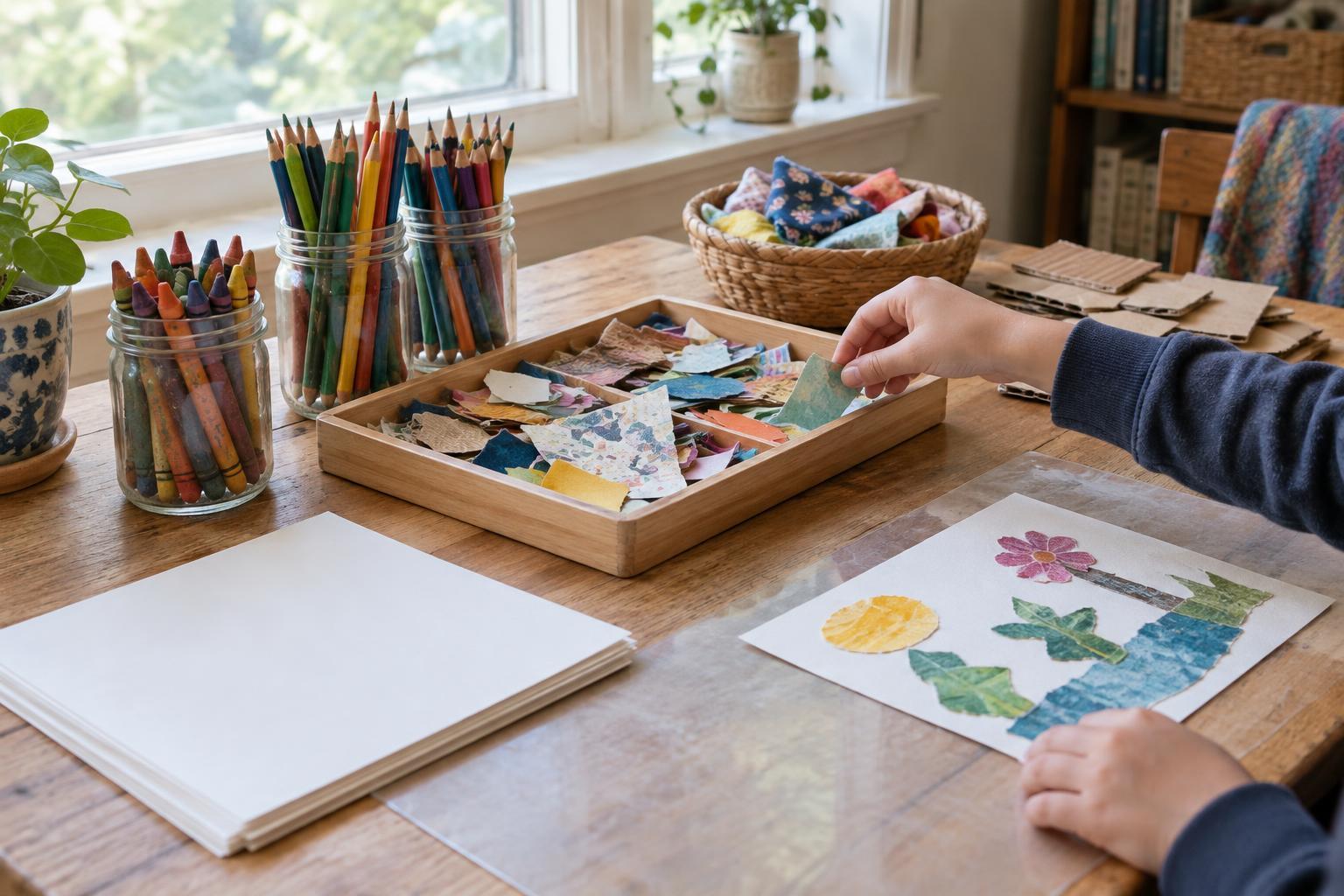
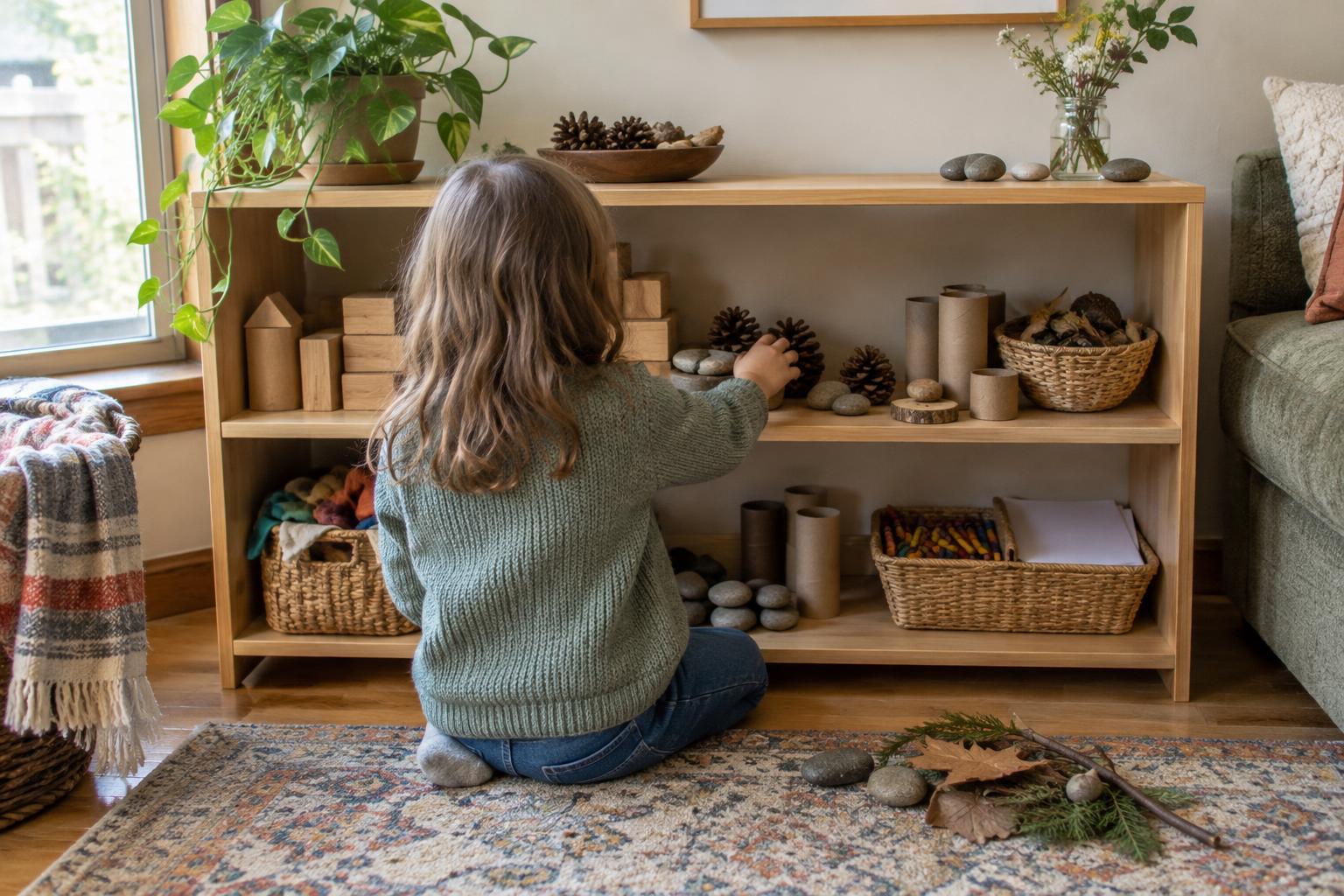
Set practical boundaries for time, space and materials, then allow some freedom within them. A tray can contain a messy experiment; a box can hold reusable costume pieces. If a child seems stuck, offer a gentle invitation, such as “What could this scarf become?” Then let their answer, or their refusal to answer, guide what happens next. Creative play does not have to produce a lesson or a display-worthy object. Sometimes its most useful feature is the chance to try an idea without being graded.