Start with two different kinds of clues
A grandparent remembers moving into a neighborhood in the spring, but a city directory lists the family at that address a year later. Which account is right? For a family exploring local history, the most useful first step is not to choose a winner. It is to ask what each clue can tell you.
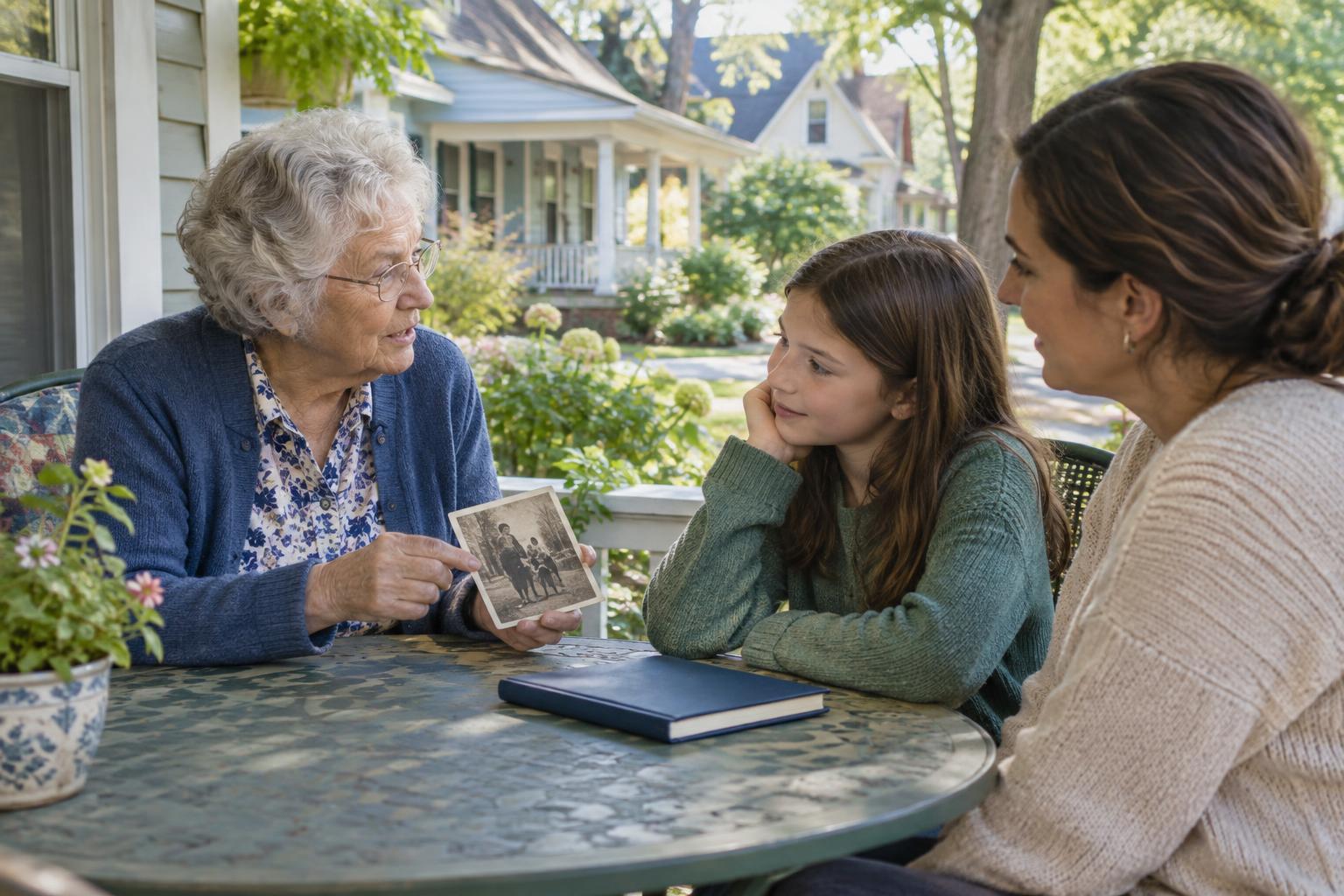
A remembered story may preserve details that a form never captured: the excitement of arriving, the smell of a nearby bakery or the reason a family chose a street. A public record may help pin down a name, address or year. Neither is a complete view of the past. Memories can shift, and records reflect the questions someone asked, the information available and the purpose for which the record was made. Treating both as clues makes room for a better conversation.
Name the disagreement precisely
With children, turn a vague conflict into a small, answerable question. Instead of saying, “The story is wrong,” try, “The story says the family arrived in spring, while this directory first shows them here the following year.” Those statements may not contradict each other: a directory might have been prepared after the move, or the family may have stayed somewhere else first. Identifying exactly what differs helps everyone resist a rushed conclusion.
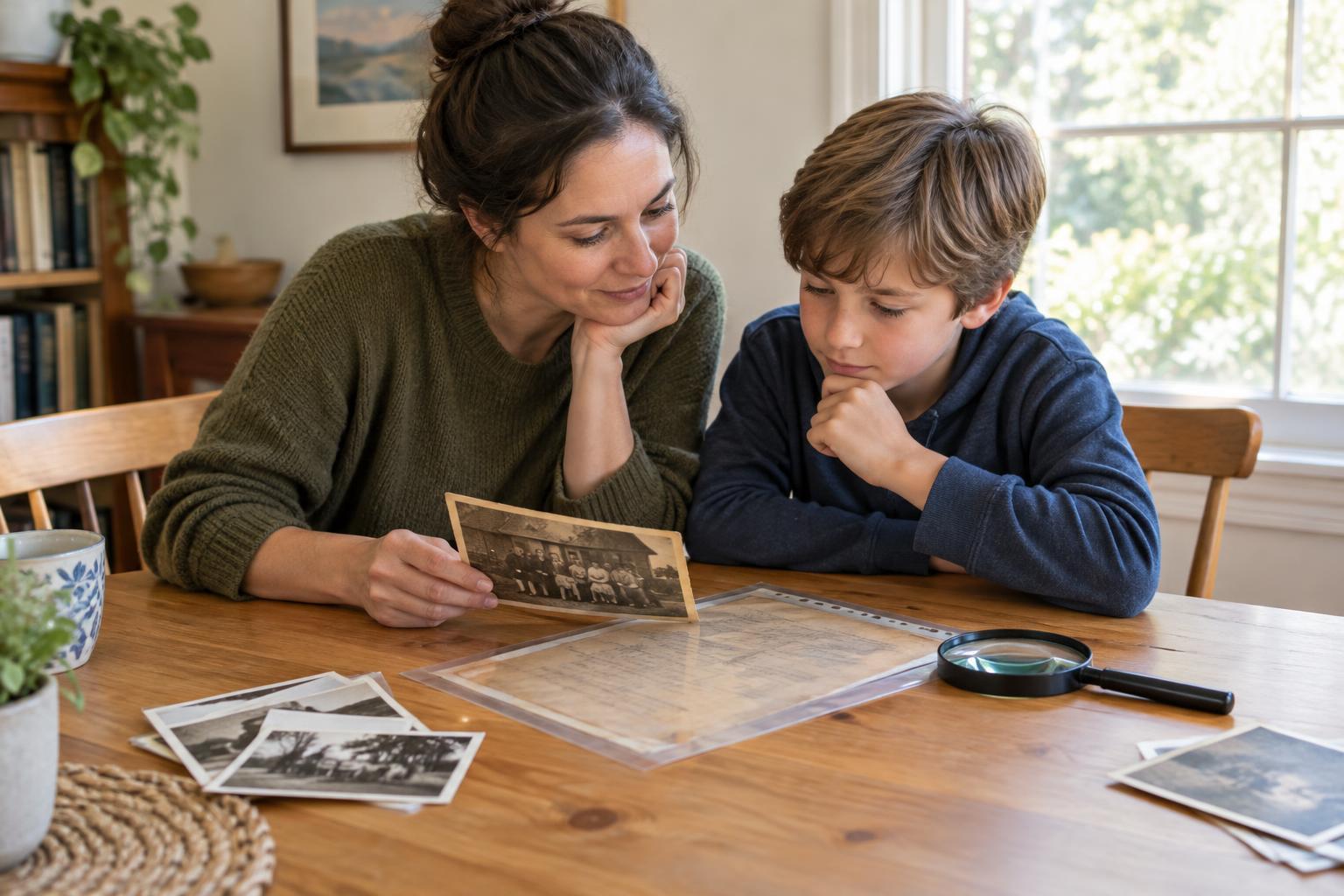
Make a simple three-column page labeled “Story,” “Record” and “Questions.” In the first two columns, write down the words each source actually uses. In the third, list possibilities without presenting them as facts. Children might ask who told the story, when it was told, what the record was created to show and whether an address could have changed. This is also a chance to distinguish an observation, such as “the record lists this address,” from an inference, such as “the family must have lived there all year.”
Look for context, not just a tie-breaker
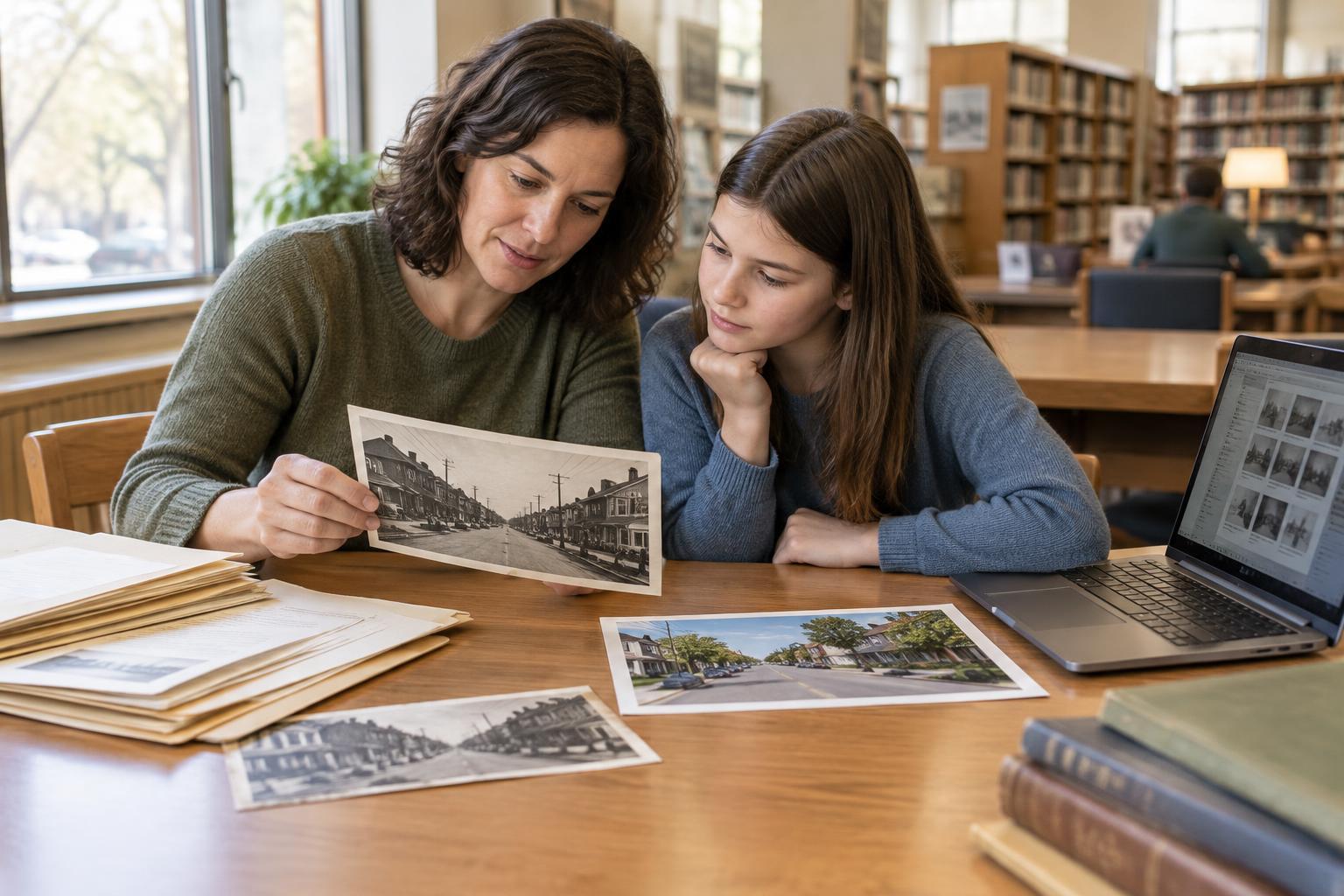
If the question matters to your project, look for another kind of clue. A labeled photograph, letter, map, school program or neighborhood newspaper item might help establish a sequence of events. Check names carefully; people may use nicknames, initials or different spellings. Compare the dates and purposes of sources rather than counting how many appear to agree. Several records may repeat information from the same original account.
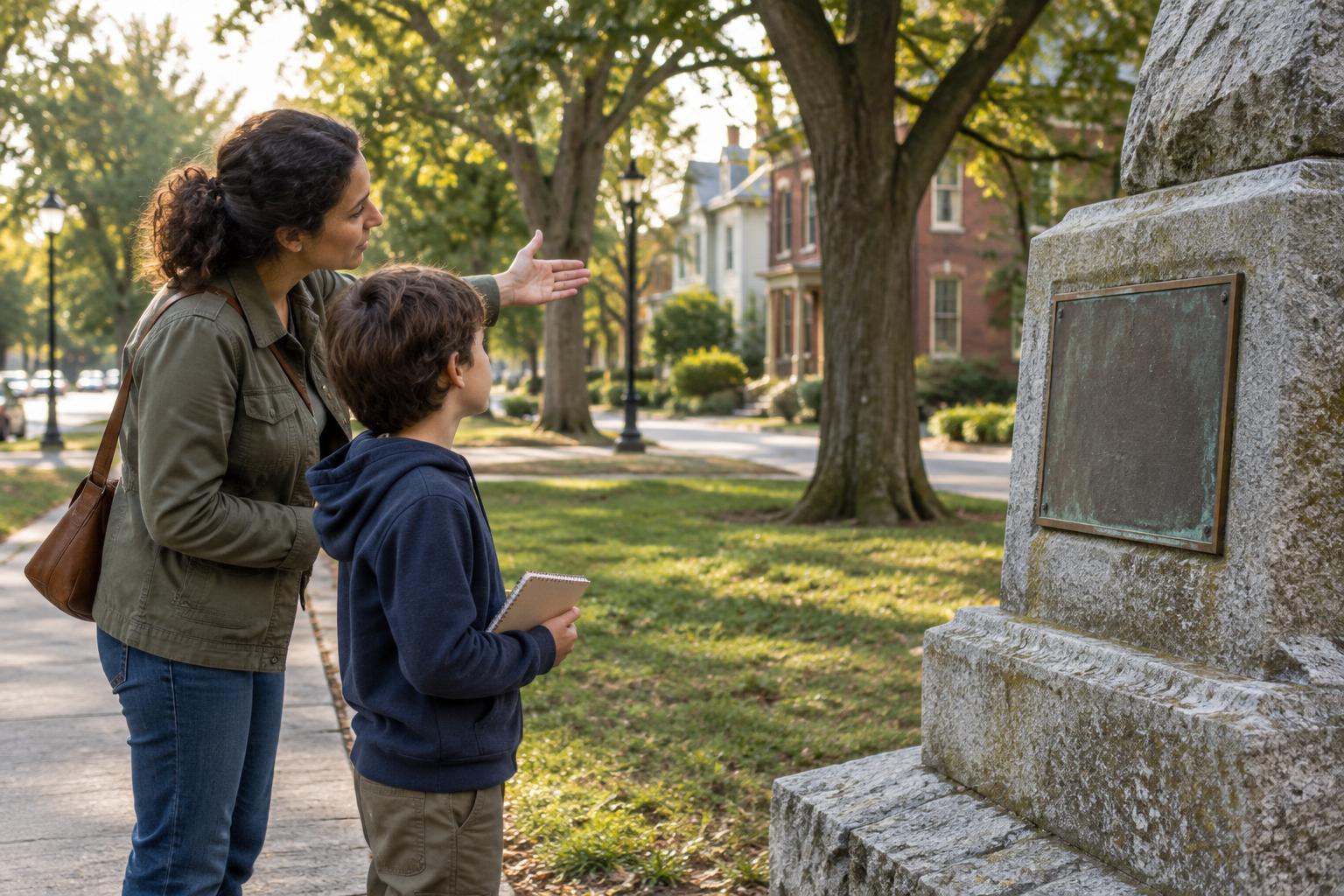
A neighborhood walk can add useful context even when it cannot settle a date. Look at the distance between places mentioned in a story, or notice whether a building has been changed or replaced. Ask children what the surroundings help them imagine and what they cannot prove. A walk might make a daily route easier to understand, for example, but today’s streetscape cannot tell you exactly what someone saw decades ago. Keeping that boundary clear is part of learning how local history works.
Protect people while you investigate
Some disagreements concern more than dates and addresses. A family story may touch on adoption, migration, work, conflict or a painful separation. Before sharing a discovery, consider whether the people involved are living, whether the information was offered in confidence and whether it is necessary for your learning activity. A document being accessible does not mean every detail belongs in a family newsletter, classroom project or online post.
Children can practice asking permission in ordinary language: “May I write down your story?” and “Is there any part you would rather keep private?” Let someone decline an interview or correct how their words are presented. If an account differs from a record, describe the difference without turning it into an accusation. Respectful questions often invite richer stories than attempts to prove someone mistaken.
Share what you know and what remains open
At the end of an investigation, create a short caption or timeline that separates evidence from uncertainty. It might say: “Our relative recalled arriving in spring. The first directory we found lists the family at this address the following year. We do not yet know when they moved into this particular home.” That is a satisfying result, even without a single definitive date, because it shows what you checked and where the question stands.
Keep a note of where each clue came from and, for an interview, who shared it and when, if they are comfortable with that. Save copies or descriptions of records alongside your notes so you can revisit your reasoning. Most importantly, make space for a family story to be valuable without asking it to do the job of a calendar or official form. Exploring the gap between accounts teaches children that history is built through careful questions as well as answers.