Set expectations before the first exhibit
A hands-on gallery can feel exciting the moment a child walks in: there are buttons to press, pieces to move and experiments to repeat. Before entering, offer a short plan rather than a long list of rules. Try: “We’ll look for the instructions, use gentle hands and make space for other people to try.” These three ideas are easy to remember when the room gets busy.
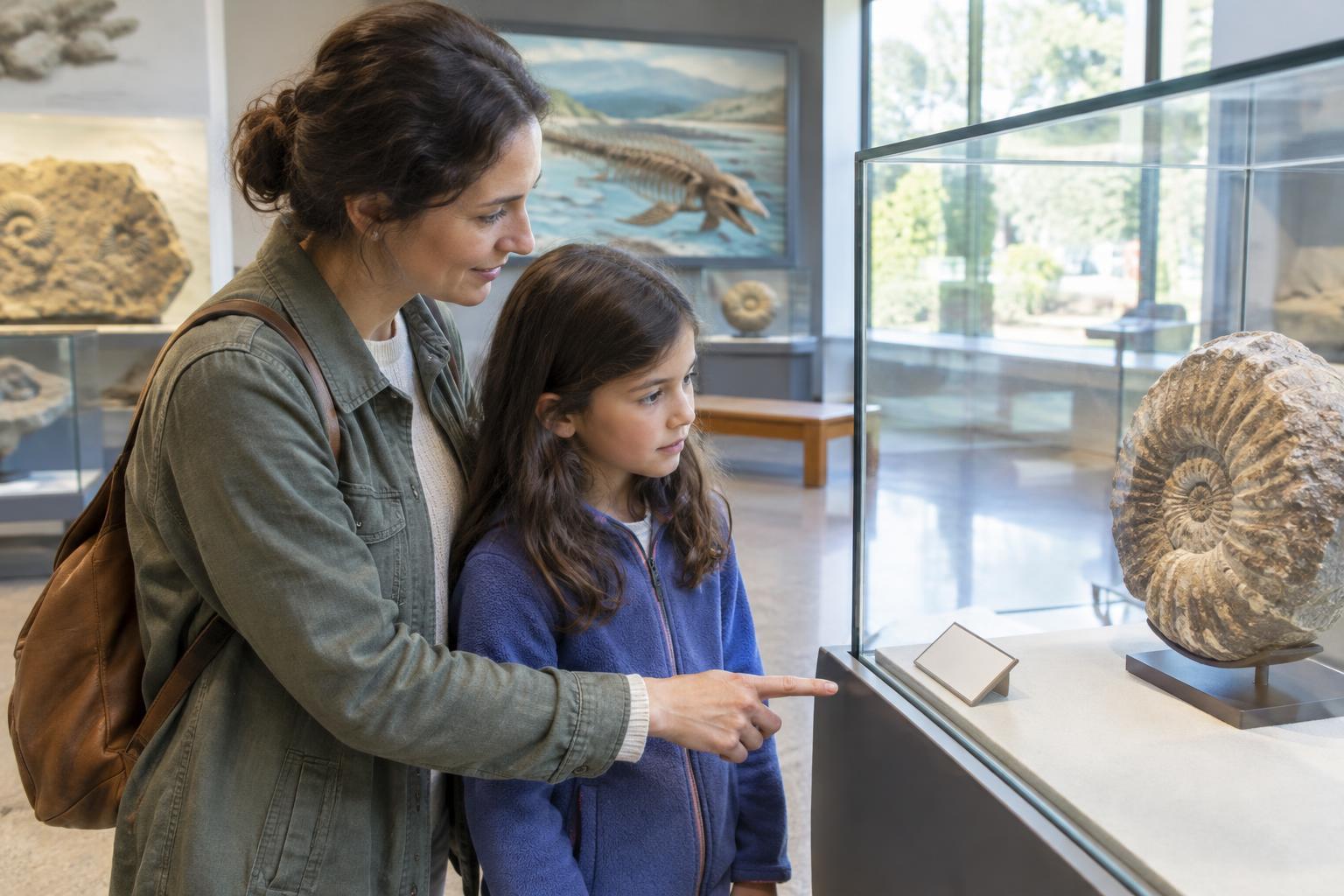
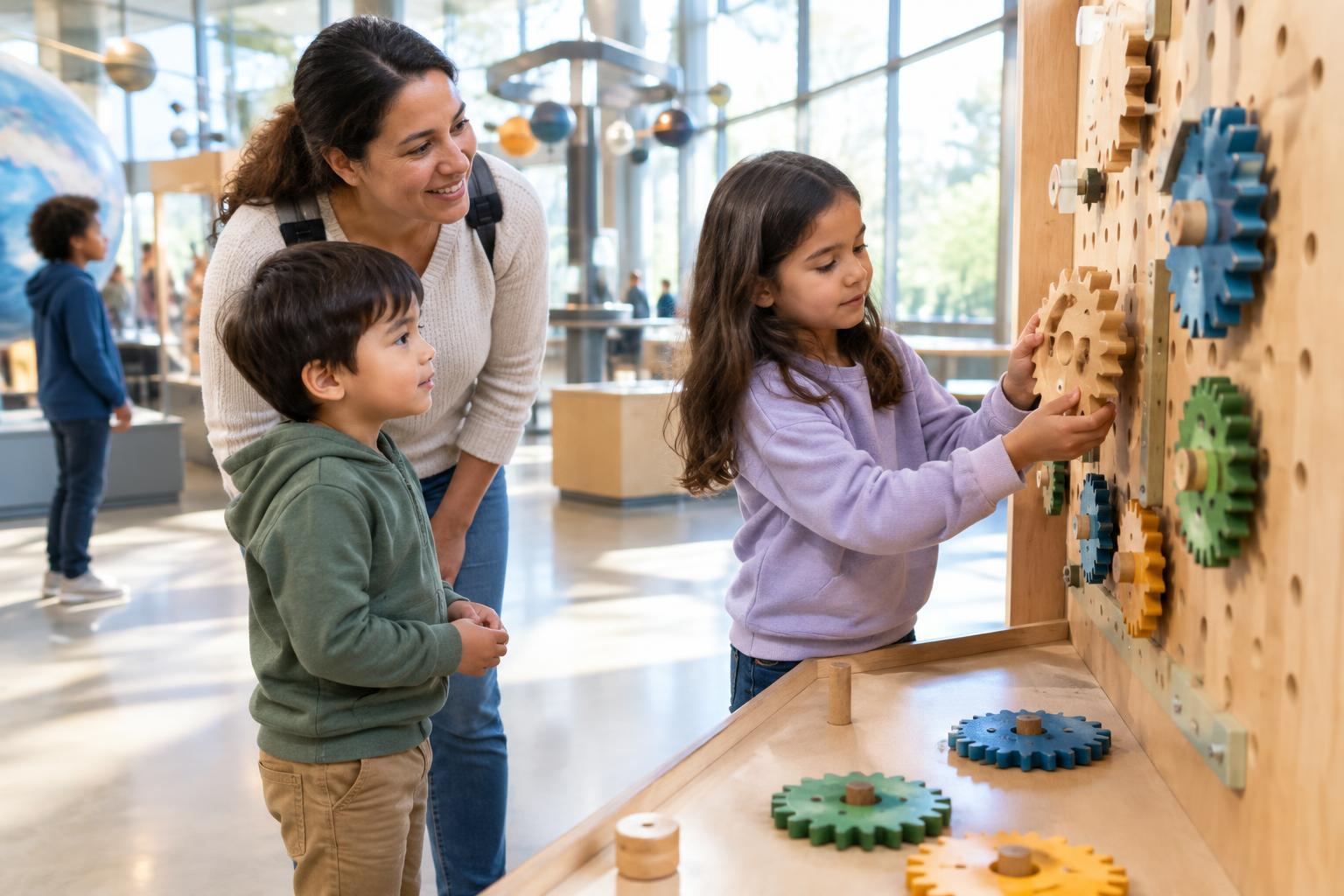
At each station, pause long enough to notice what the display asks visitors to do. A sign may explain which parts can be touched, how many pieces belong in an activity or whether an adult should help. If the instructions are unclear, ask a staff member instead of testing a piece by force. Children learn from watching adults read, wait and treat an exhibit with care.
Make turns clear and manageable
“Take turns” is easier to follow when a child knows what counts as a turn. At a building table, one turn might be making a structure and then clearing space for the next builder. At a button-operated display, it might be one complete demonstration. Where a museum posts a time limit or has its own queue system, follow that guidance. Otherwise, look around and adjust: a short turn may be plenty when others are waiting, while an empty station leaves room for a longer investigation.
Give children a way to finish without feeling abruptly pulled away. You might say, “Let’s try the lever once more, then watch what the next person discovers.” Waiting can become part of the visit, too. From nearby, a child can predict what will happen, notice another approach or choose which station to visit next. Avoid holding a place at one display while using another if it makes the line confusing.
Care for pieces everyone uses
Shared displays work best when their parts stay together and ready for the next visitor. Encourage children to carry loose pieces close to the activity, set them down rather than toss them and return them to their marked spots when finished. If a component sticks, a screen does not respond or something appears broken, stop and let museum staff know. Pulling harder can make a small problem worse.
Hands-on does not always mean every surface is meant for hands. Models, labels and nearby artwork may have different rules from the interactive station itself. Food and drinks are best kept wherever the museum permits them, away from shared materials. If a child needs help following the rules, step in calmly and explain the reason: “These pieces stay here so the next family can try it, too.”
Leave room for different visitors
People explore at different speeds and in different ways. Some children want to repeat an experiment; others prefer to watch before touching. A visitor may need more time to reach a control, read a label or move around a crowded area. Keep bags and strollers clear of pathways where possible, and avoid reaching across someone who is using a display. Offer help to your own child without taking over another visitor’s experience.
Not every child can wait quietly or switch activities quickly. If a transition is difficult, move to the side together, name what is happening and offer a concrete next step: “You wanted another turn. We can wait behind this group or come back later.” A short break in a quieter area may help. The goal is not a perfectly silent visit; it is a welcoming space where families stay aware of one another.
Turn etiquette into part of the learning
After a station, ask a question that connects courtesy with discovery: “What changed when someone else built it a different way?” or “How did we know it was time to make space?” These conversations help children see that shared exhibits are places to learn from other people as well as from the materials.
Before leaving a gallery, take a quick look back. Are the pieces where they belong? Is the station ready for someone else? A simple reset gives a child a useful role and makes the next visitor’s first moment more inviting. That small habit can travel beyond museums—to libraries, playgrounds and any place where curious people share a chance to explore.