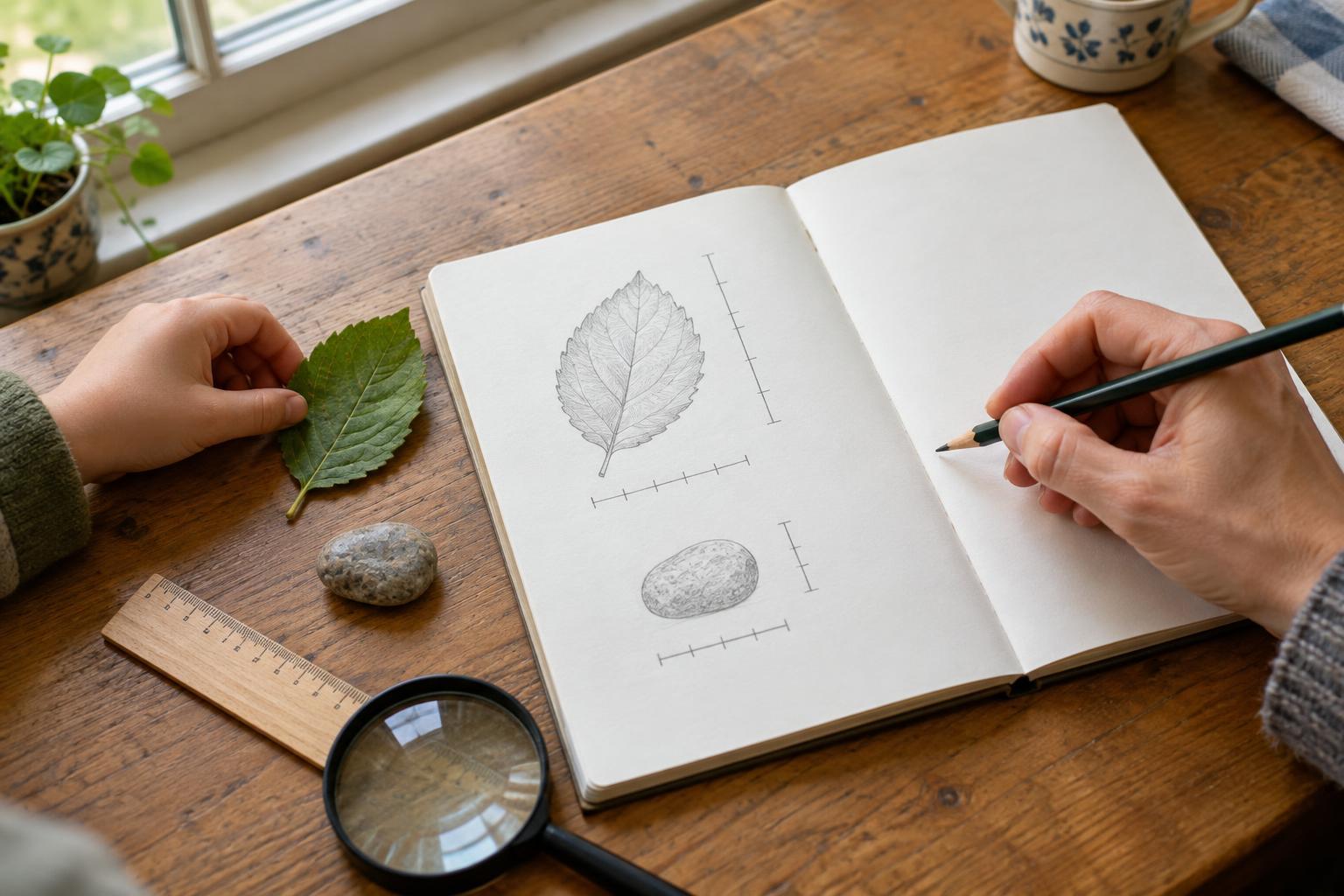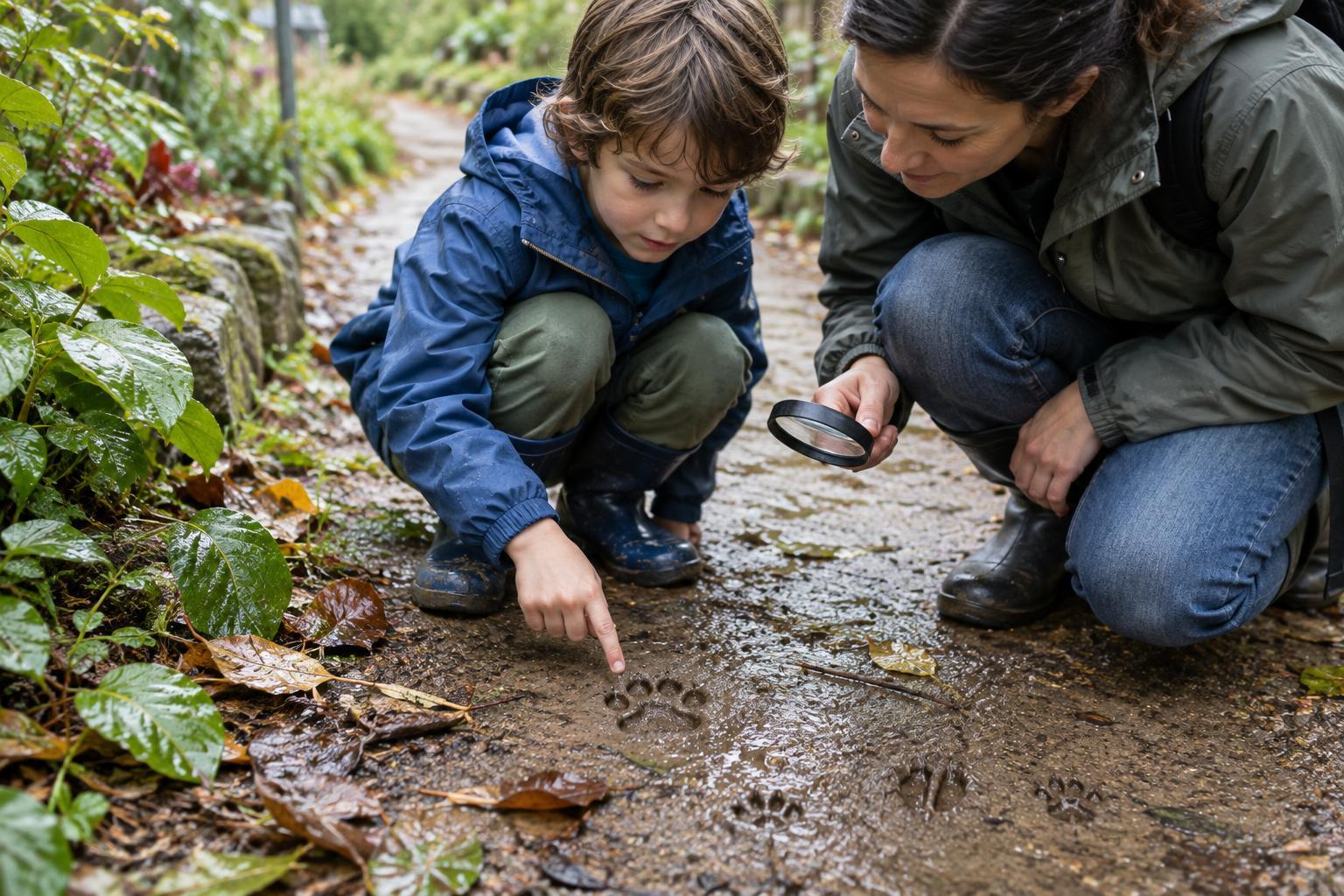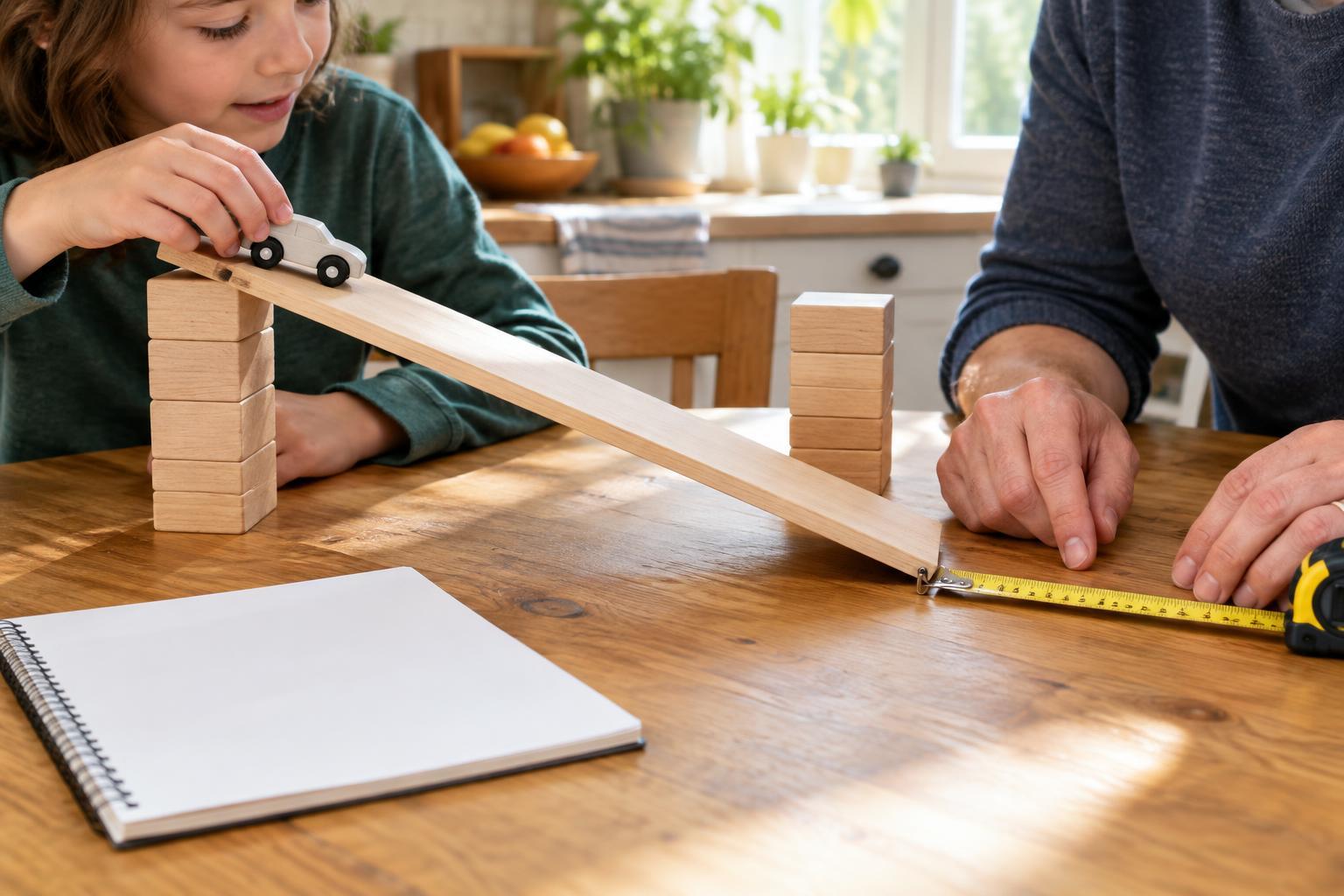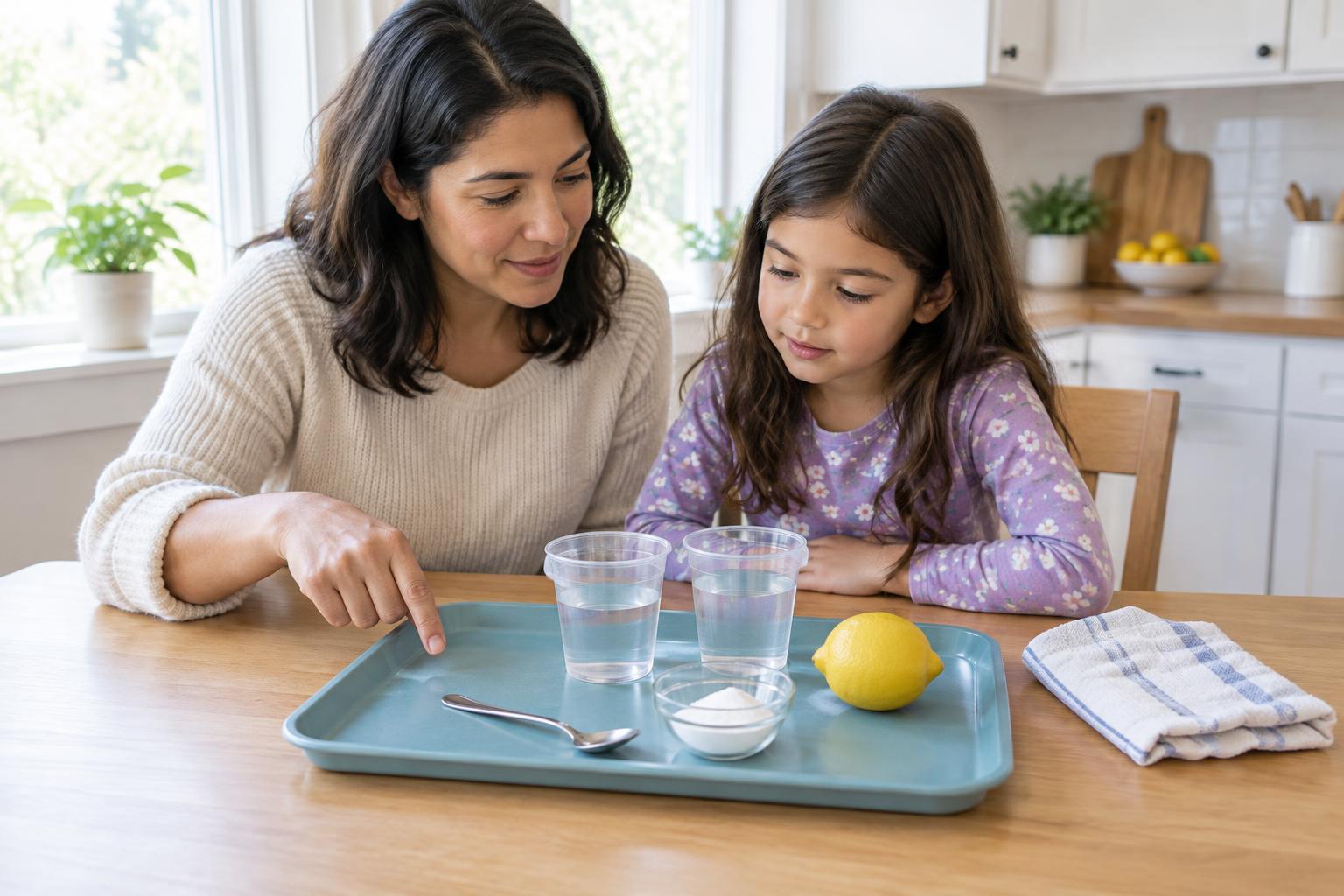
Start with the question, not the equipment
A home science activity does not need dramatic reactions or specialized supplies. Begin with a question a child can explore using familiar objects: Which paper towel absorbs more water? What happens to a shadow when a flashlight moves? Which objects float? These questions leave room for observation, prediction, and surprise without requiring hazardous materials.
Before gathering supplies, an adult can read through the whole activity and picture each step. Consider what a child might reasonably try beyond the directions: tasting a mixture, putting a small piece in their mouth, splashing water near an outlet, or carrying a container across the room. If a project would be hard to supervise or explain safely, simplify it or choose another question. A worthwhile experiment is one the family can explore with confidence.
Choose materials with children’s habits in mind
For many activities, water, paper, cardboard, washable markers, large reusable containers, and ordinary measuring tools are enough. Choose materials based on the children taking part, not just the age suggested by an activity. Small beads, loose magnets, button batteries, and tiny parts are poor choices when younger children may handle them. Glass, sharp tools, hot water, and electrical equipment call for adult control or a different approach.
Keep household cleaners, medicines, fuels, and unknown substances out of home experiments. Never mix cleaning products or invite children to test unidentified liquids or powders. Even familiar food ingredients may irritate skin or be unsuitable for someone with an allergy, so check what participants can handle. Use only the amount needed, and keep ingredients in their original containers until an adult measures them out. A labeled cup of water is easier to manage than a crowded table of mystery mixtures.
Set a workspace and a few firm rules
Choose a stable surface with room for hands, tools, and spills. Keep food and drinks away from the activity, protect the surface if needed, and make sure everyone can reach supplies without leaning over one another. If water is involved, work away from outlets and plugged-in devices. For outdoor projects, check the ground for hazards and agree on the area children may explore.
State the boundaries before starting, in words children can repeat: materials stay on the table, nothing goes in mouths, and everyone stops when an adult says to pause. Decide which jobs children can do independently and which belong to an adult. For example, a child might pour water from a small cup while an adult handles scissors. Stay close enough to notice when an activity changes direction; supervision matters more than a perfect set of rules.
Make stopping and cleanup part of the plan
Children often learn by trying something the directions did not anticipate. That curiosity is useful, but it needs a pause point. Teach a simple routine: stop, put the material down, and ask before changing the plan. Use it when someone wants to add a new ingredient, move to another room, or test an object that was not chosen for the activity. If a container cracks, a spill spreads, or someone feels uncomfortable, stop the experiment and deal with the immediate problem rather than trying to finish.
Plan cleanup before materials come out. Set aside a place for used paper and reusable tools, and decide how to dispose of any mixtures. Do not pour solids or thick mixtures down a drain. Wash hands after handling materials, wipe the work surface, and return supplies to their usual storage spots. Cleanup gives children another chance to observe: Did the color wash off? Did the wet paper change shape as it dried?
Keep the science playful within the boundaries
Safety rules work best when they support exploration rather than replacing it. Offer children choices inside clear limits: which two papers to compare, where to place a flashlight, or how many spoonfuls of water to test. Invite them to describe what they notice before explaining what they think it means. A result that differs from a prediction is still useful; there is no need to make the experiment bigger or messier to make it count.
At the end, ask what the family would keep or change next time. Perhaps a wider tray would catch spills, a larger object would be easier for small hands, or fewer materials would make the question clearer. Those adjustments are part of learning how to investigate. When children know the boundaries and have room to make observations within them, an ordinary afternoon activity can become a thoughtful science experience.