Choose a goal, not a finishing time
There is no ideal number of hours for every family museum visit. A short visit with lively questions can feel more rewarding than an afternoon spent trying to see every room. The right length depends on your children’s interests, the size and layout of the museum, travel time, and how much energy everyone has that day.
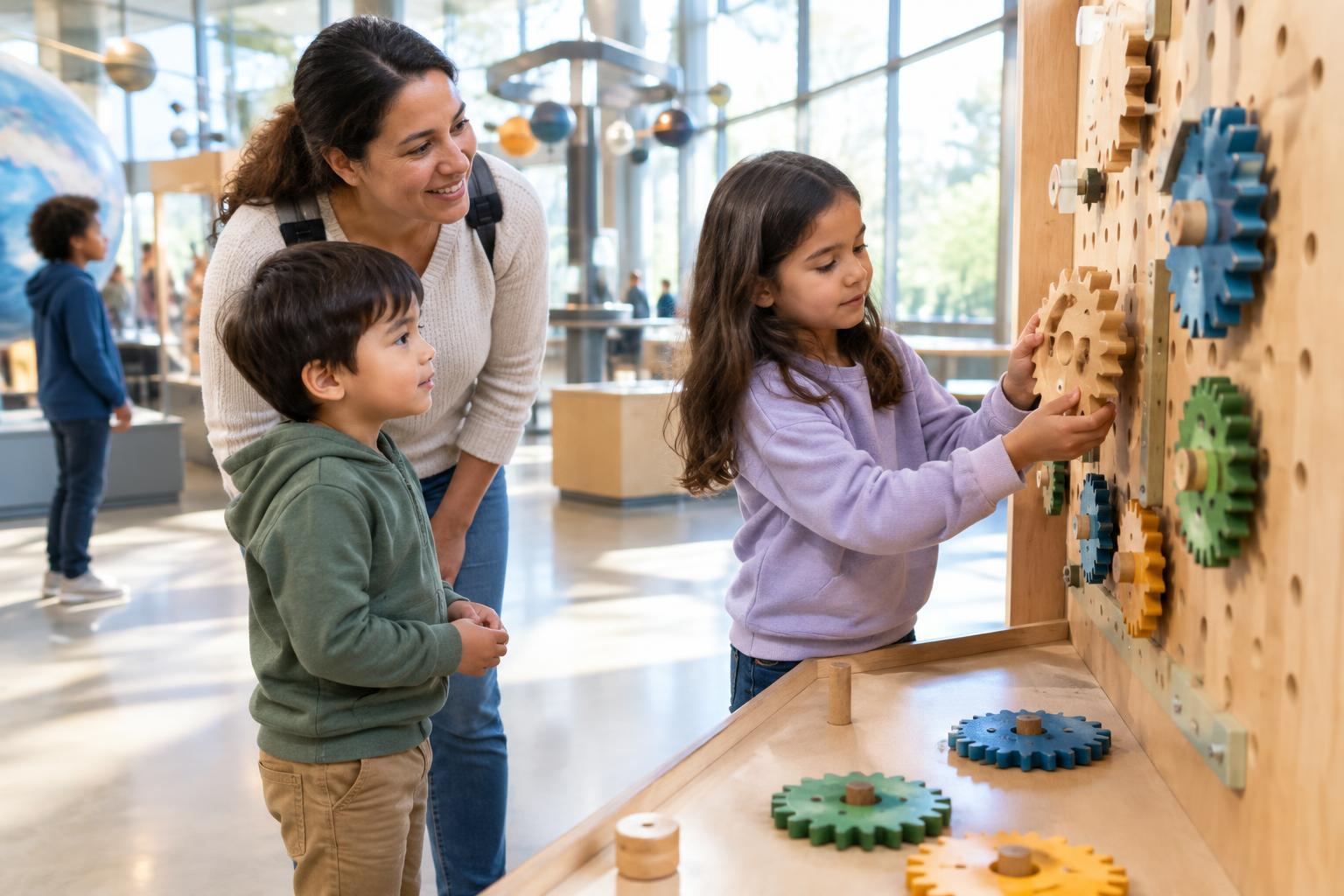
Before you go, pick one modest goal: explore a particular exhibit, look for three surprising objects, or let each person choose something to show the others. Treat anything beyond that as a bonus. This gives the visit a satisfying shape without turning it into a race. If you are visiting a large museum, check its map and practical information ahead of time so you can find entrances, restrooms, seating and a route that does not require crossing the whole building.
Start small and leave room to linger
For a first visit, consider planning one focused stretch of gallery time rather than committing to a full day. Younger children may want to move quickly through some displays and spend a long time with one object or activity. Older children may enjoy reading labels and comparing ideas, but they, too, can tire of standing and concentrating. A flexible plan works better than an itinerary measured room by room.
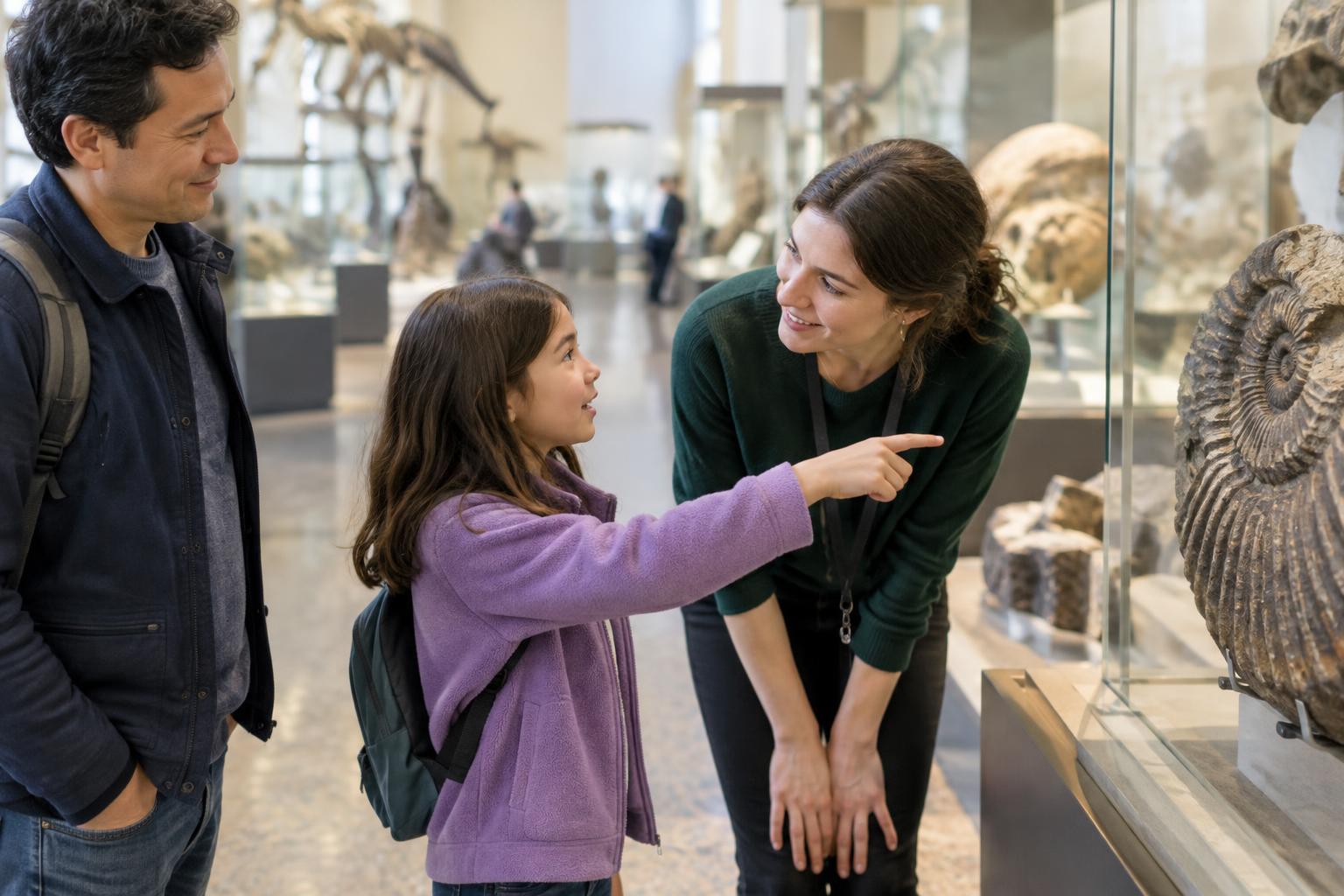
Choose a small number of things you hope to see, then let curiosity set the pace. If a child wants to return to a favorite display, that repetition can be part of learning. If another gallery does not hold anyone’s attention, moving on is fine. You can also split up briefly with another adult, if that suits your group, and agree on an easy meeting point. The aim is not equal time at every exhibit; it is time well spent together.
Make breaks part of the visit
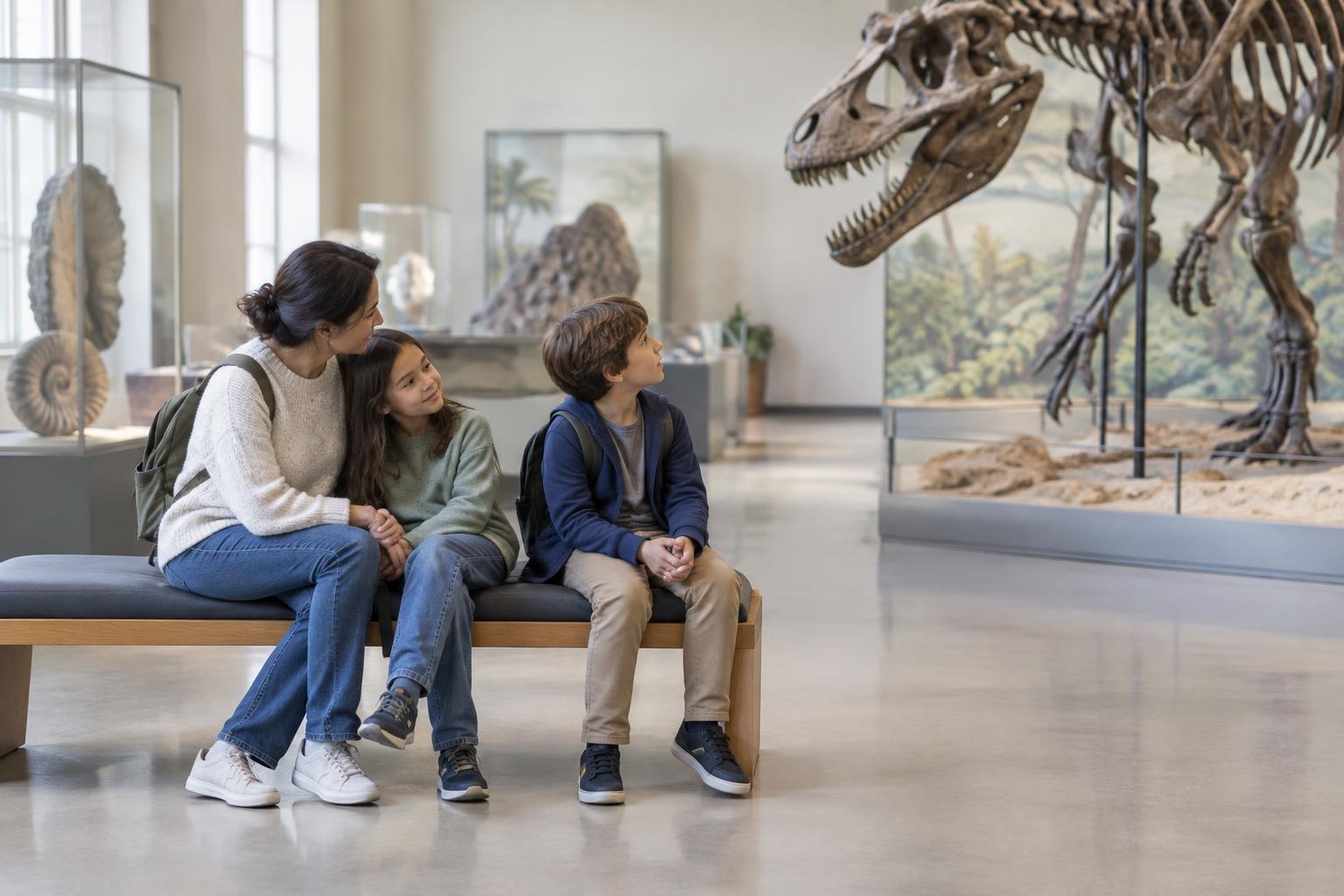
Do not wait until everyone is exhausted to pause. After a stretch of looking, reading or listening, find a place to sit and reset. A break might mean having a snack in a permitted area, getting water, using the restroom, or simply resting your feet. Check the museum’s food and drink rules before unpacking anything. If you can step outside and return under the museum’s admission policy, fresh air may offer a useful change of scene.
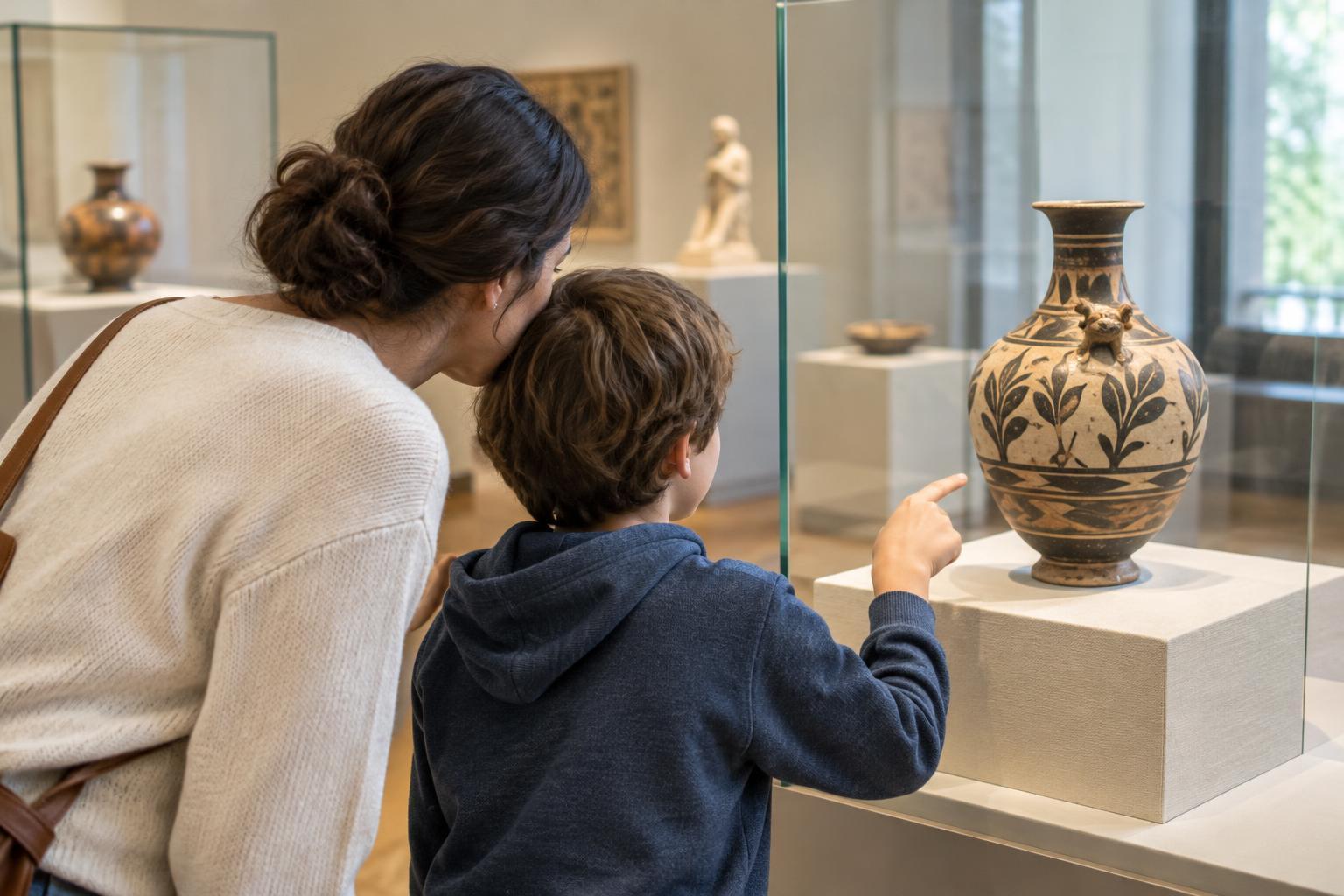
A pause can also help children process what they have seen. Ask a low-pressure question such as, “Which thing would you tell someone about?” or “Was anything different from what you expected?” There is no need to turn every break into a lesson. Quiet time, a sketch in a notebook, or a few minutes without questions may be exactly what your family needs before deciding whether to continue.
Notice when it is time to change plans
Watch for signs that the visit has stopped being enjoyable: repeated requests to leave, trouble following simple directions, irritability, or rushing past everything without looking. These signals do not mean the trip has failed. They may mean it is time for a break, a different kind of gallery, or the journey home. Hunger and tiredness can make even a fascinating exhibit hard to enjoy.
Try offering a simple choice: “Would you like to sit for a bit, see one more thing, or head out?” For a child who finds choices overwhelming, offer just two options. Adults can check in with themselves, too. If you are struggling to keep the group together or read a map, shortening the visit may be kinder to everyone. Ending after a good moment often leaves more enthusiasm for coming back.
Give the visit a gentle ending
Before leaving, allow a little time for coats, restrooms and the walk to the exit. If possible, invite each person to pick one final object or activity rather than announcing an abrupt stop. This creates a natural ending even when you have seen only a small portion of the museum.
On the way home, let conversation happen without quizzing anyone. A child might remember the stairs, a strange sound, or the color of an object rather than the exhibit you expected them to love. Those details still belong to their experience. You can follow up later by drawing a favorite object, looking for a related shape in your neighborhood, or talking about one question the visit raised. A museum trip is long enough when your family has had space to notice something, enjoy it and leave with curiosity intact.