Start with what already catches their attention
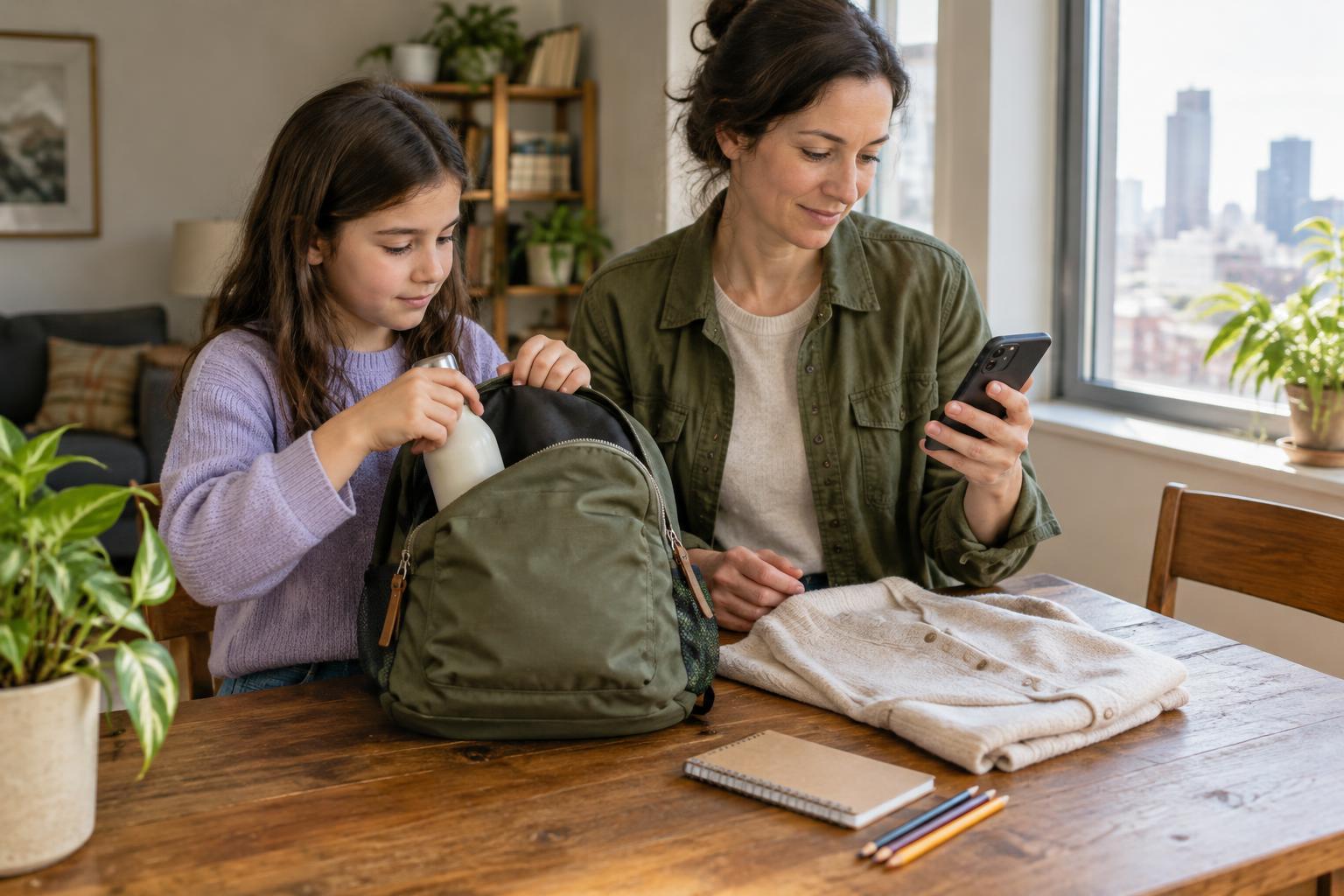
The best museum for your family may not be the biggest or best known. Start by noticing what your child returns to in ordinary life. Do they collect interesting stones, sketch buildings, ask how machines work, invent stories about old photographs, or stop to watch insects? Each habit points toward a possible visit: a natural history collection, a science center, an art gallery, a local history display, or a small community museum.
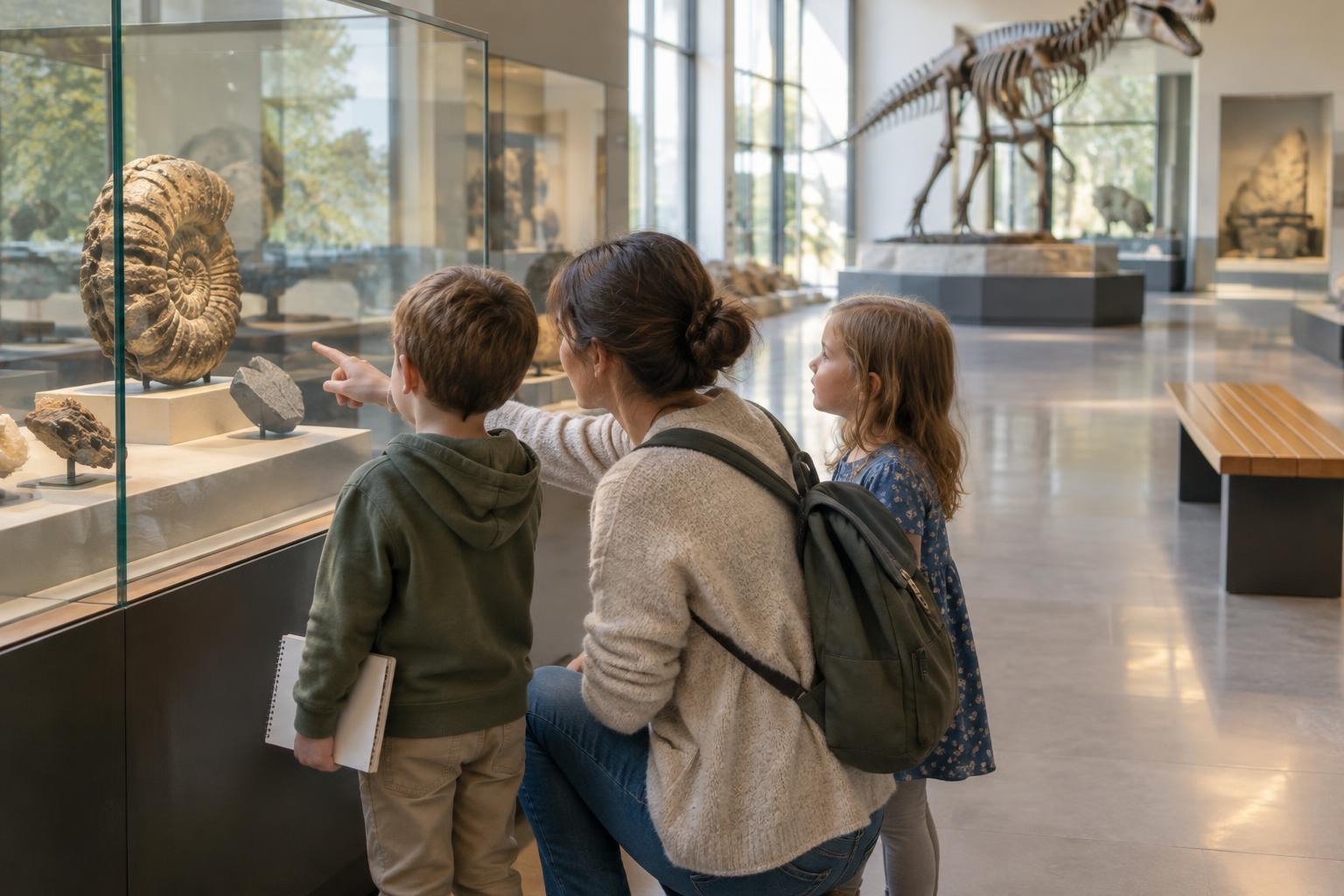
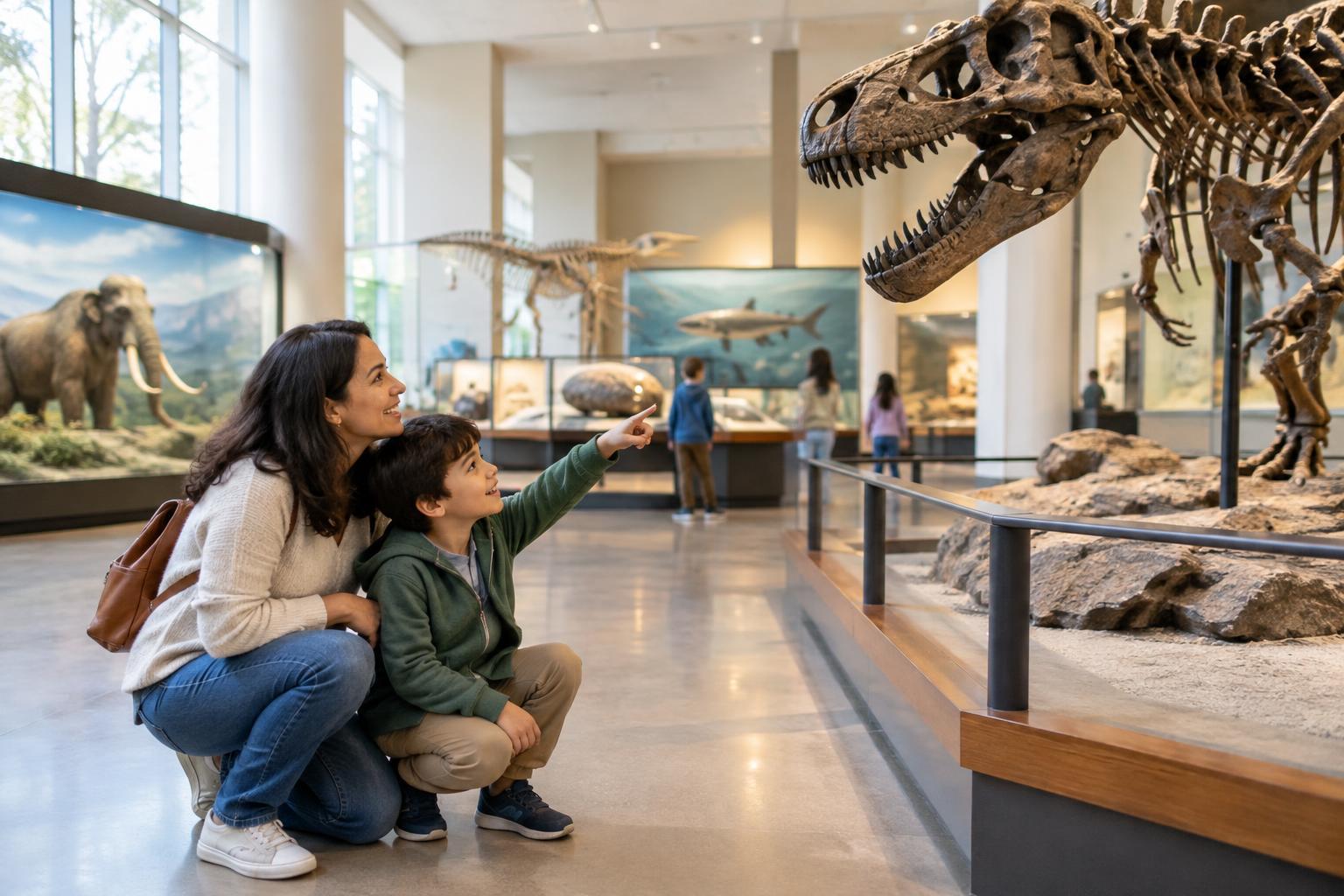
Ask a question that invites more than a yes or no: “What would you like to find out?” A child who says “dinosaurs” may want to see enormous skeletons, learn how fossils form, or simply draw an animal with sharp teeth. Those are different goals. You do not need a perfect match, but knowing the appeal helps you choose where to spend your time once you arrive.
Match the experience, not just the subject
Two museums about similar subjects can feel very different. One might offer objects behind glass and short labels; another might invite visitors to test, build, or touch. Think about how your child likes to explore. A child who learns by moving may enjoy interactive exhibits. One who likes to look closely and talk may be happy examining a few objects in a quieter gallery. Neither approach is better; the useful question is what will hold their attention today.
Consider the whole group, too. If siblings have different interests, look for a place with more than one kind of exhibit, or give each child a turn choosing something to investigate. For a first visit, a smaller venue can be a good choice: it may feel less overwhelming, and leaving after a satisfying hour can be more rewarding than trying to cover every room.
Check the practical details before committing
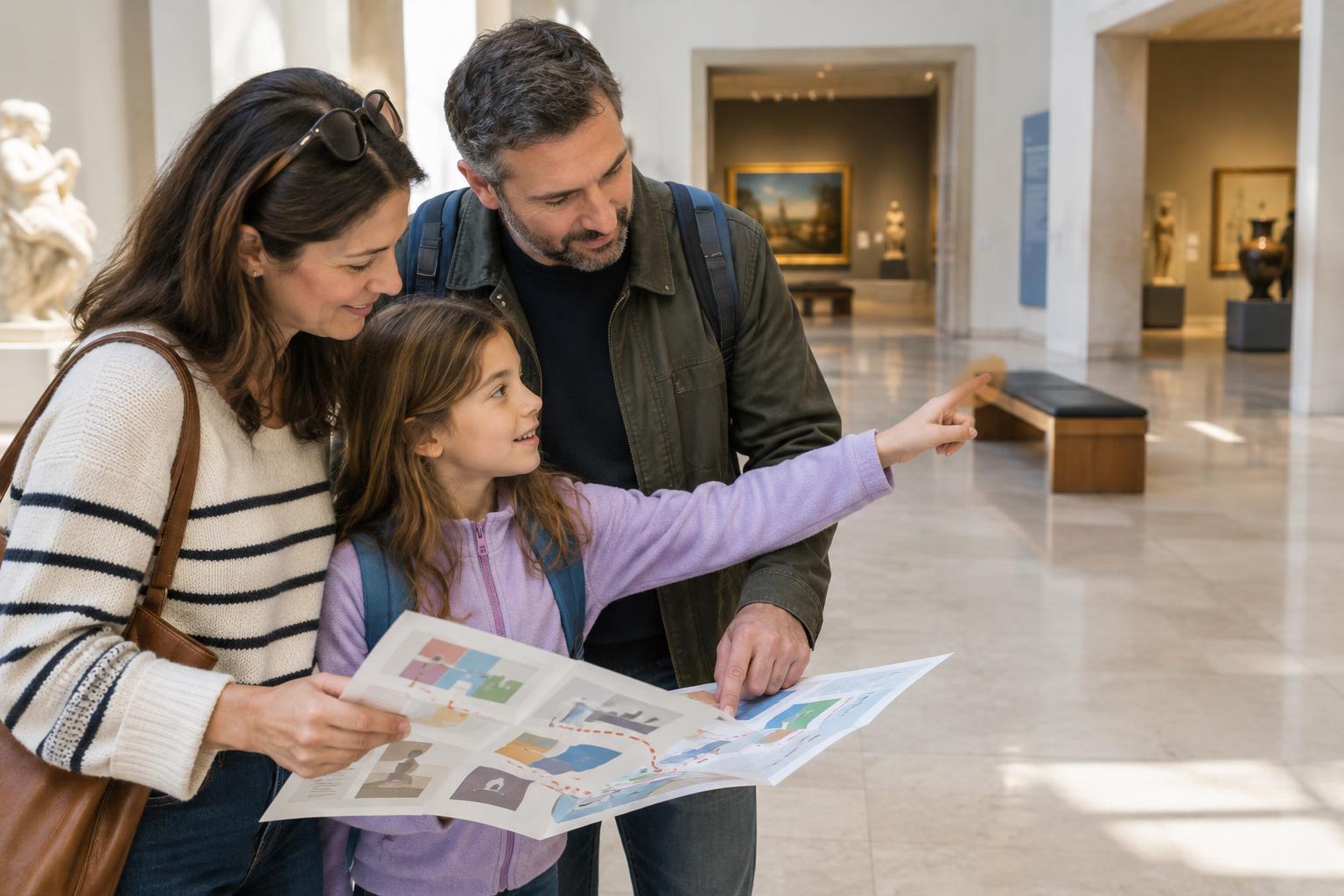
A promising exhibit is only part of a workable outing. Before you go, check the museum’s own visitor information for hours, admission, reservations, age guidance, and any rules about bags, food, photography, or hands-on areas. If a particular exhibit is the reason for your trip, confirm that it will be available. Plans and access arrangements can change, so checking close to your visit is worthwhile.
Think through your child’s comfort as well. Look for information about restrooms, places to sit, stroller access, noise levels, and quiet spaces if those matter to your family. You can contact a venue with a specific access question rather than guessing from a general description. A nearby option with an easy journey may suit a tired child better than a more ambitious trip across town.
Give the visit a small, flexible purpose
You do not need an elaborate lesson plan. Try choosing one simple mission connected to your child’s interest: find three objects with an unusual shape, spot a tool people used long ago, or look for an artwork that suggests a story. A mission gives a child a way in without turning the outing into a test. If something unexpected captures their attention, follow it.
Set an easy expectation before you enter. You might say, “We’ll explore one area, take a break, and decide what to do next.” This makes it easier to pause or leave without treating a short visit as a failure. Bring a notebook for sketches or questions if your child enjoys using one, but let observation and conversation be enough if they do not.
Let their response guide the next outing
Afterward, ask what they remember rather than whether they liked the museum as a whole. The answer might be a tiny detail: a painted shoe, a model bridge, or the sound an exhibit made. That detail tells you more about their curiosity than the number of galleries you covered. You can build on it at home by drawing, making a simple model, looking for a related feature in your neighborhood, or borrowing a book on the subject.
If the visit did not click, that is useful information too. Perhaps the subject was right but the space was too crowded, or your child wanted to make something rather than read about it. Use that insight to try a different format next time. Choosing a museum visit is less about finding a universally perfect destination than about making room for your child to notice, wonder, and ask what comes next.