Begin with a question you can explore
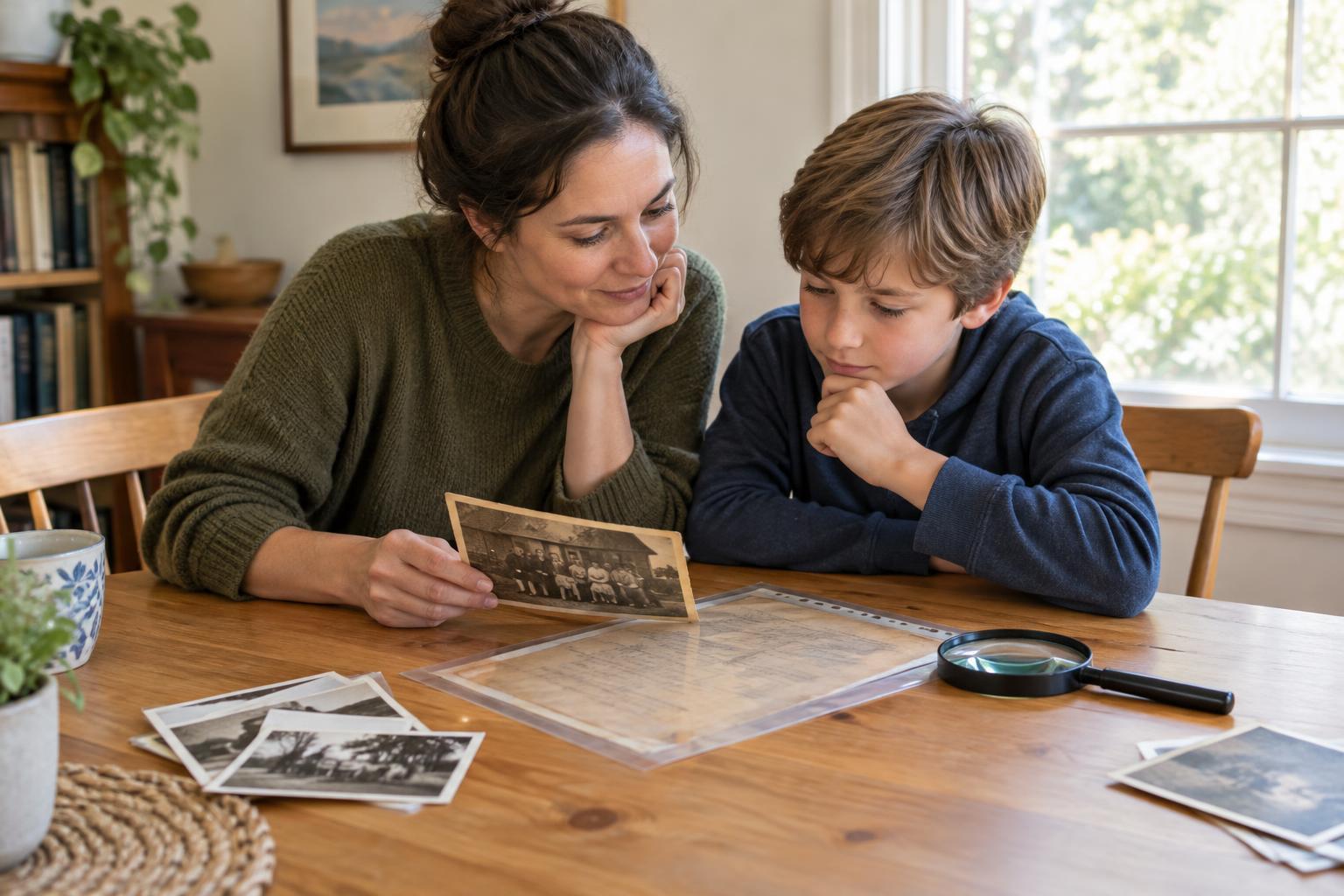
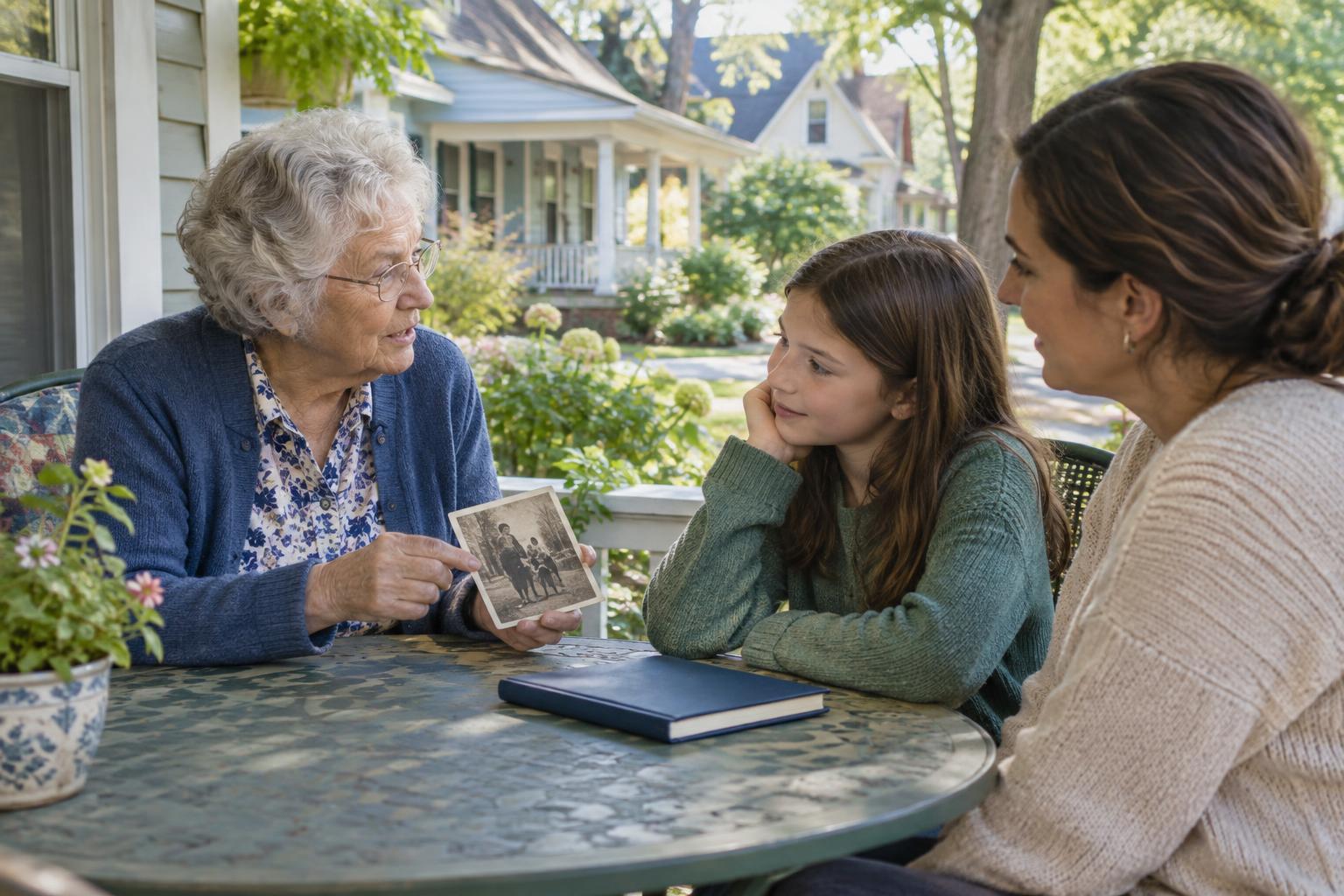
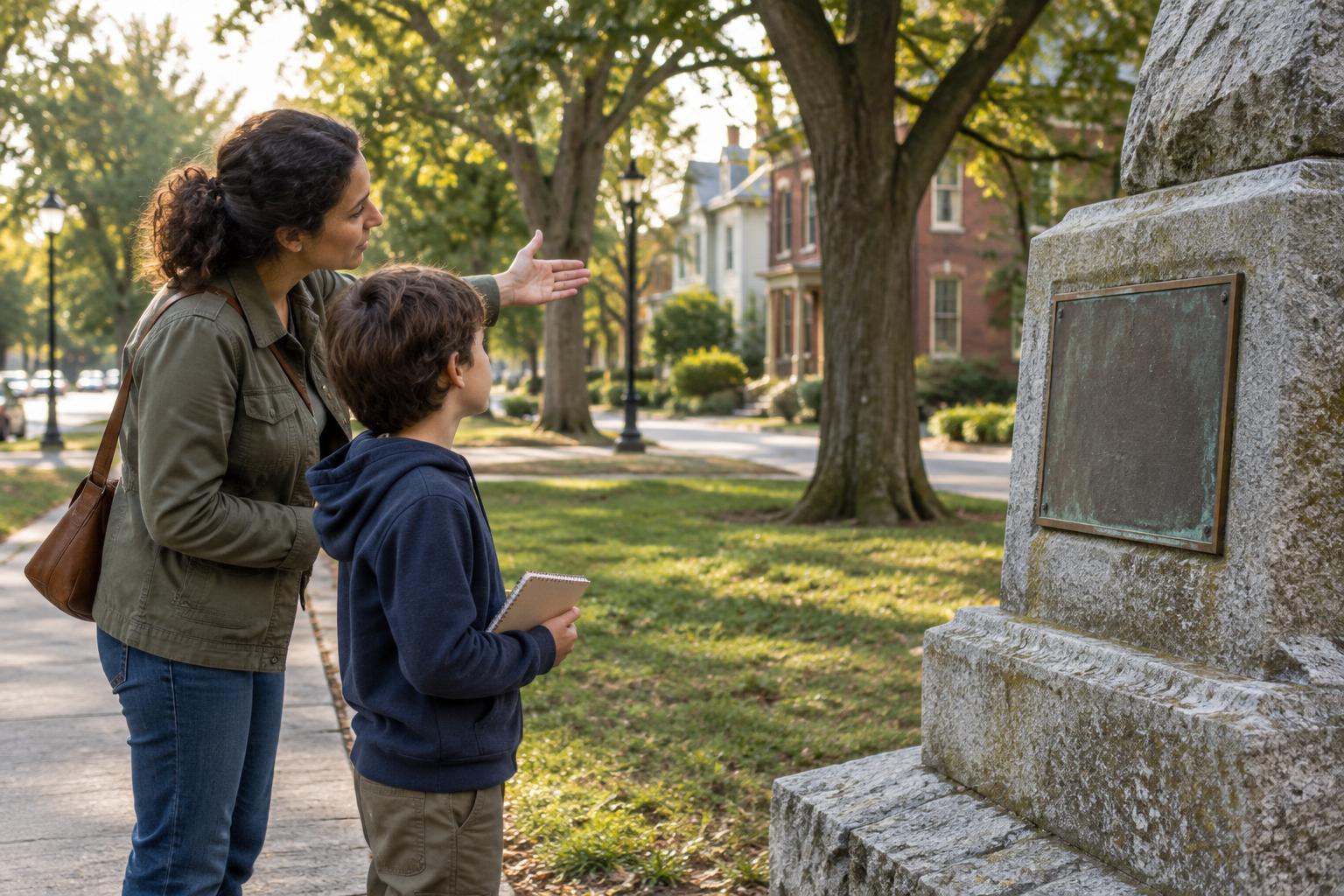
Local history often begins with something familiar: a building you pass every day, the name of a park or a photograph in a relative’s drawer. Turn that curiosity into a small question before you search. “What used to be on this block?” is easier to investigate than “What was this town like long ago?” Write down the place, person or event you are interested in, along with any names, approximate time periods and details you already know.
Invite children to make a prediction and draw or describe what they expect to find. The goal is not to guess correctly; it is to notice how evidence can change an idea. If your first question is too narrow to produce results, widen it. A search for one address, for example, might become a search for the street, neighborhood or type of building.
Find the right starting point
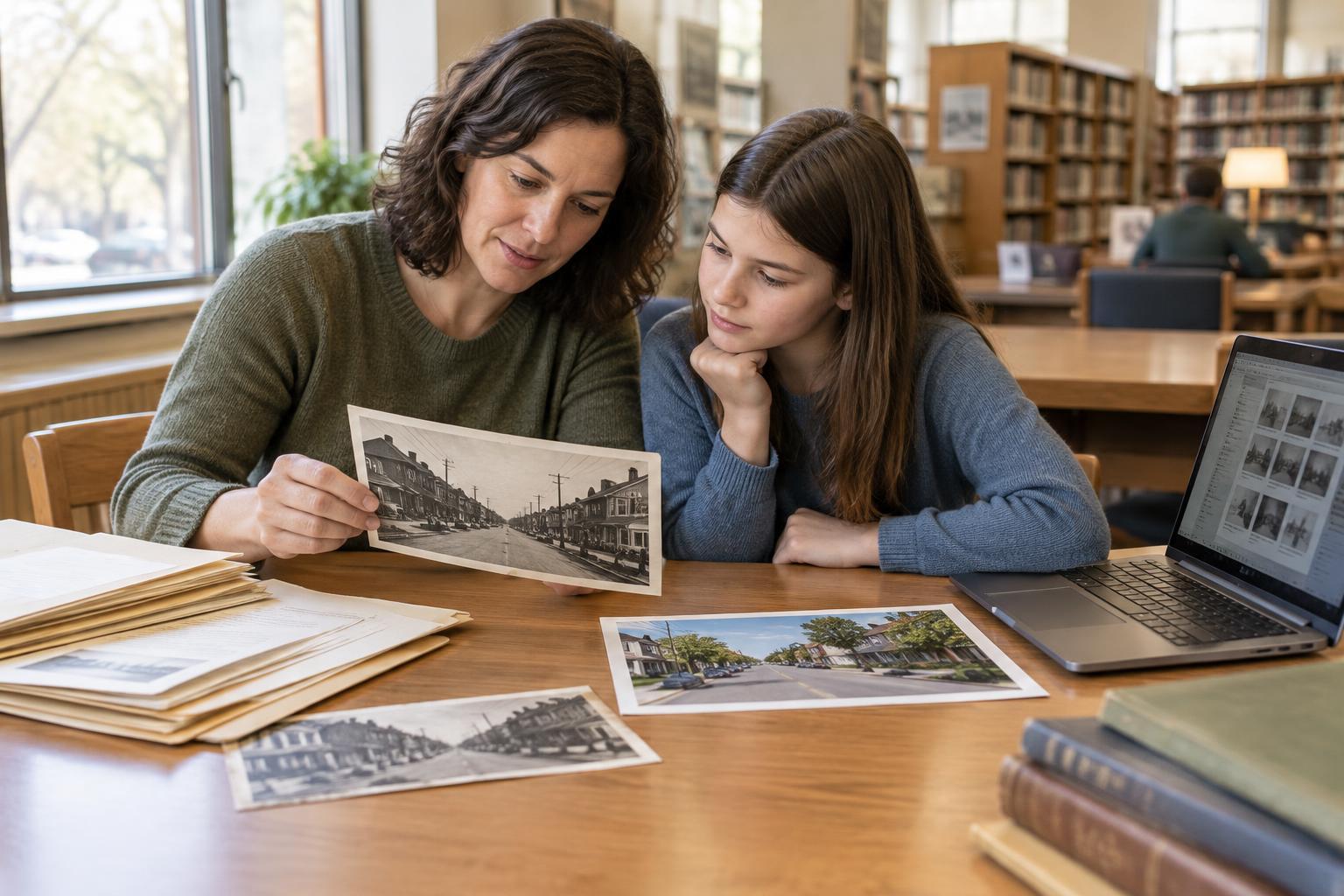
At a library, start with the catalog or ask a librarian which collections cover your area. Useful materials may include local newspapers, maps, city directories, yearbooks, photographs, oral histories and books about the community. Some items can be borrowed, while others may need to be viewed in a local history room or through a library computer. Check the collection description and access rules before planning a visit.
Digital archives offer another way to explore, including when you do not know exactly what you need. Look for a search box and a way to browse by place, date, subject or collection. Read the archive’s “about” page to learn who maintains it and what it contains. A collection with few results for your search may still hold relevant material under a broader subject or a different spelling.
Search with flexible words
Try the most specific terms first, then change one part of the search at a time. Use a street name without the house number, a school’s former name or a nearby landmark. Older records may use different boundaries or labels for a place. If a search for “playground” comes up empty, try “park,” “recreation” or the name of the neighborhood. Keep a short list of terms you have tried so you do not circle back to the same searches.
Search results are clues, not answers. Open promising records and read their titles, descriptions and dates. A newspaper item about a building’s opening tells a different story from a later photograph of the same site. When possible, compare several kinds of sources. A map might show where a building stood, while a directory might identify how it was used.
Ask what each source can—and cannot—tell you
A primary source was created during the time you are studying, such as a letter, map or photograph. A secondary source looks back and interprets the past, as a history book might. Both are useful, but neither answers every question. A photograph can show what was in the frame on a particular occasion; it may not explain what happened there on an ordinary day. A newspaper report may describe an event while leaving out some people’s experiences.
Check the information attached to each item. Who made it? When was it created? Is the date certain, estimated or simply unknown? Was the description written at the time, or added later by an archive? If a record raises a question you cannot settle, note that uncertainty rather than filling the gap with a guess. Children can practice this by sorting observations into “I see,” “The record says” and “I wonder.”
Save your trail and share with care
For each useful item, record its title, creator if listed, date, collection name and the library or archive where you found it. Save a catalog identifier or stable item link when one is provided. These details help you return to the source and let others follow your trail. A simple project page can pair a present-day sketch of a place with an older map or photograph, plus a sentence explaining what each source supports.
Before copying an image into a handout or posting it online, check the collection’s guidance on reuse and credit. Material available to view is not necessarily free to republish. Be thoughtful with records about living people, too. A rewarding local history project does not need a dramatic discovery: it can end with a clearer question, a more careful description of a familiar place and a plan for what to look for next.