Start with what your child remembers
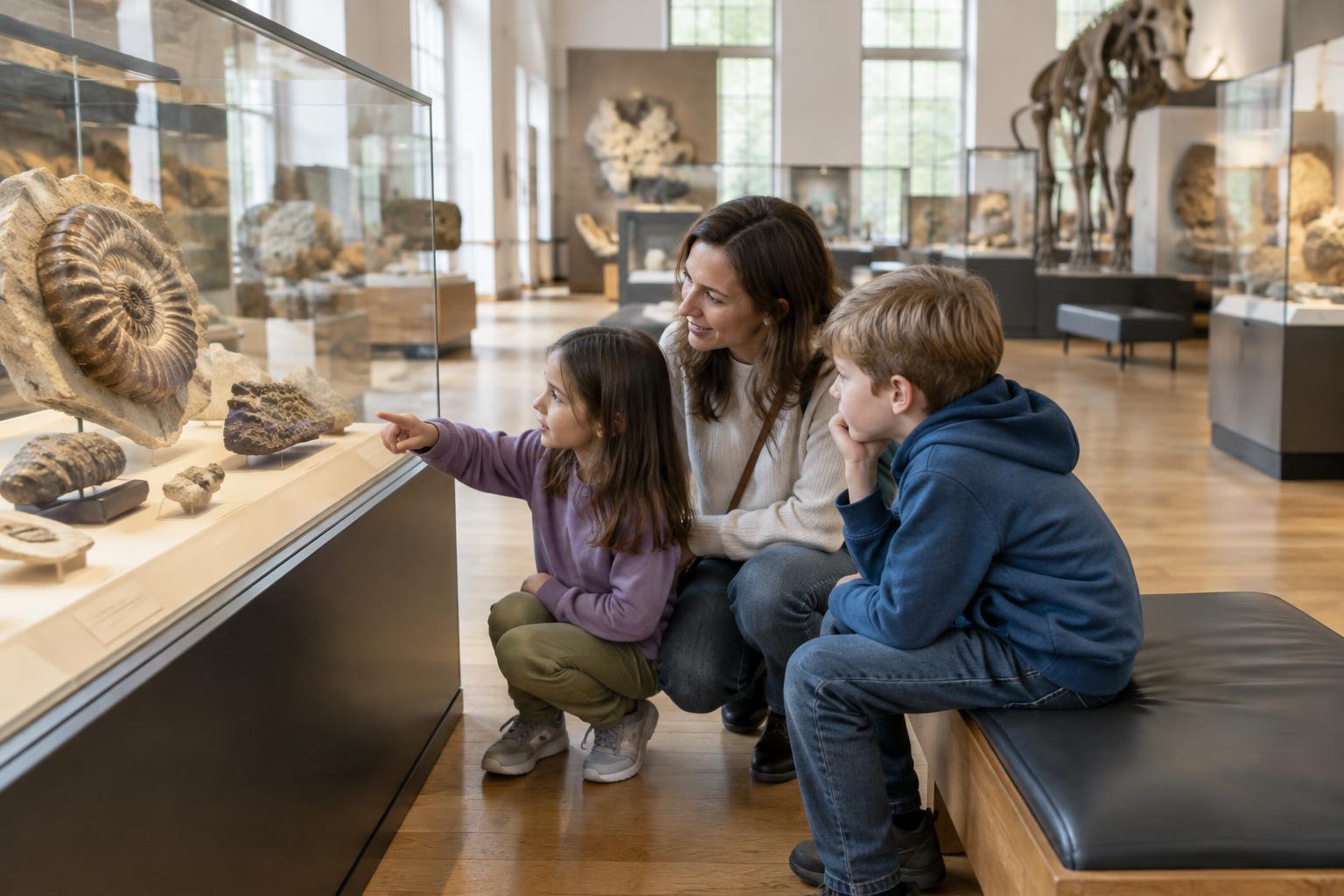
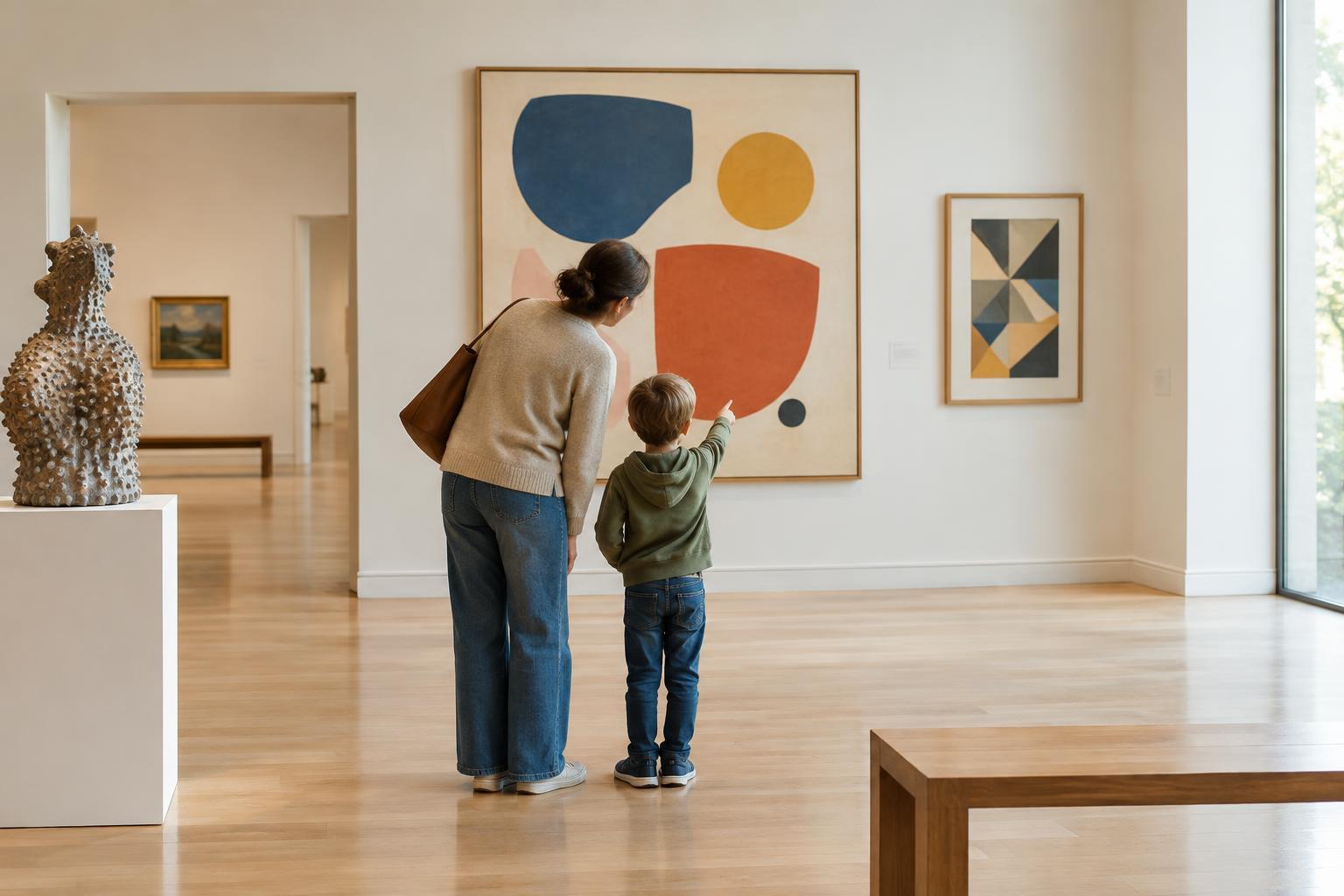
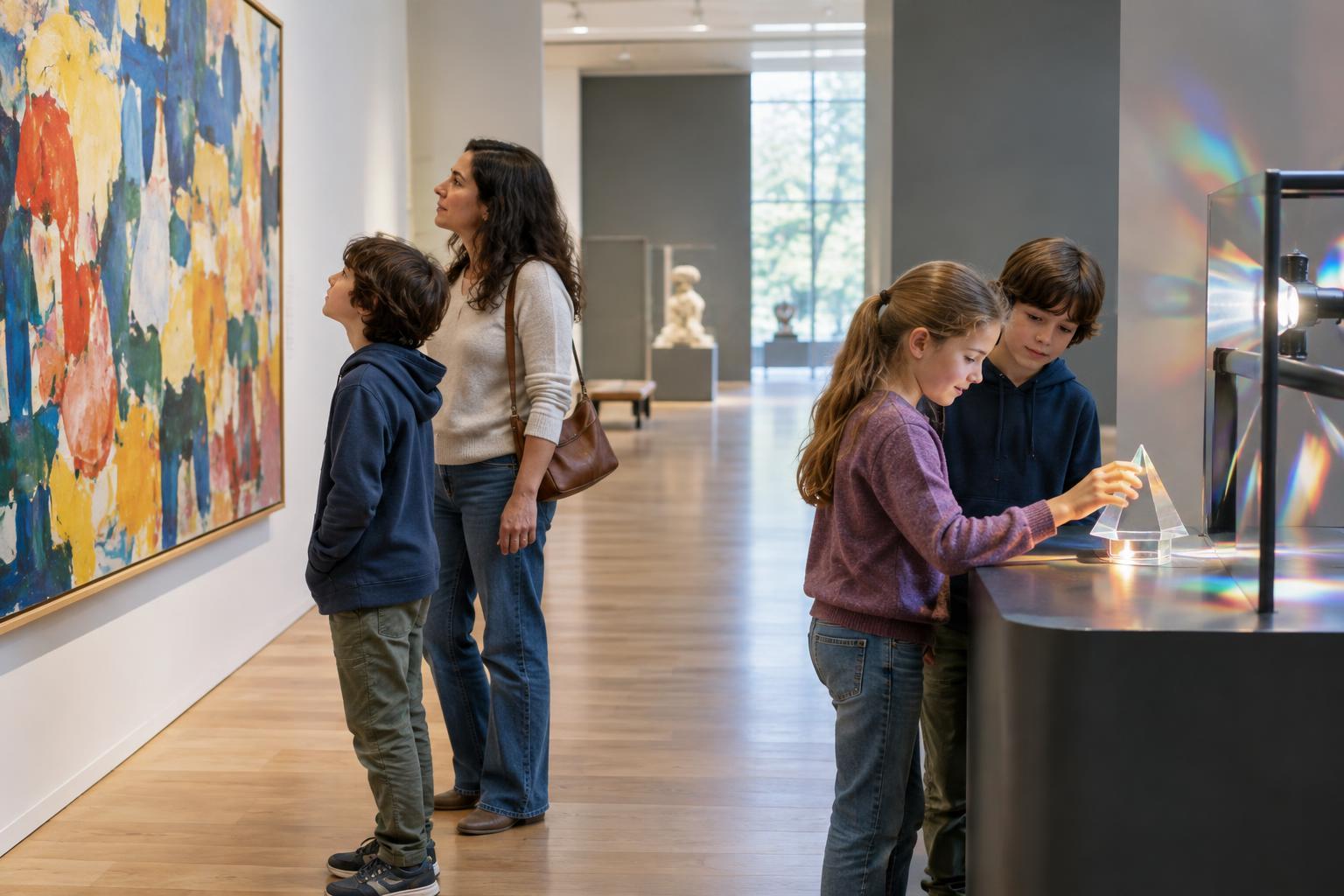
On the way home from a museum, you might hear a precise question about a fossil, a painting or an old tool. By the next day, that question may have become “Why was that thing so big?” You do not need to remember every label to keep the conversation going. Ask what your child noticed, what surprised them and what they would like to see again. Their description gives you a starting point, even if neither of you knows the object’s name.
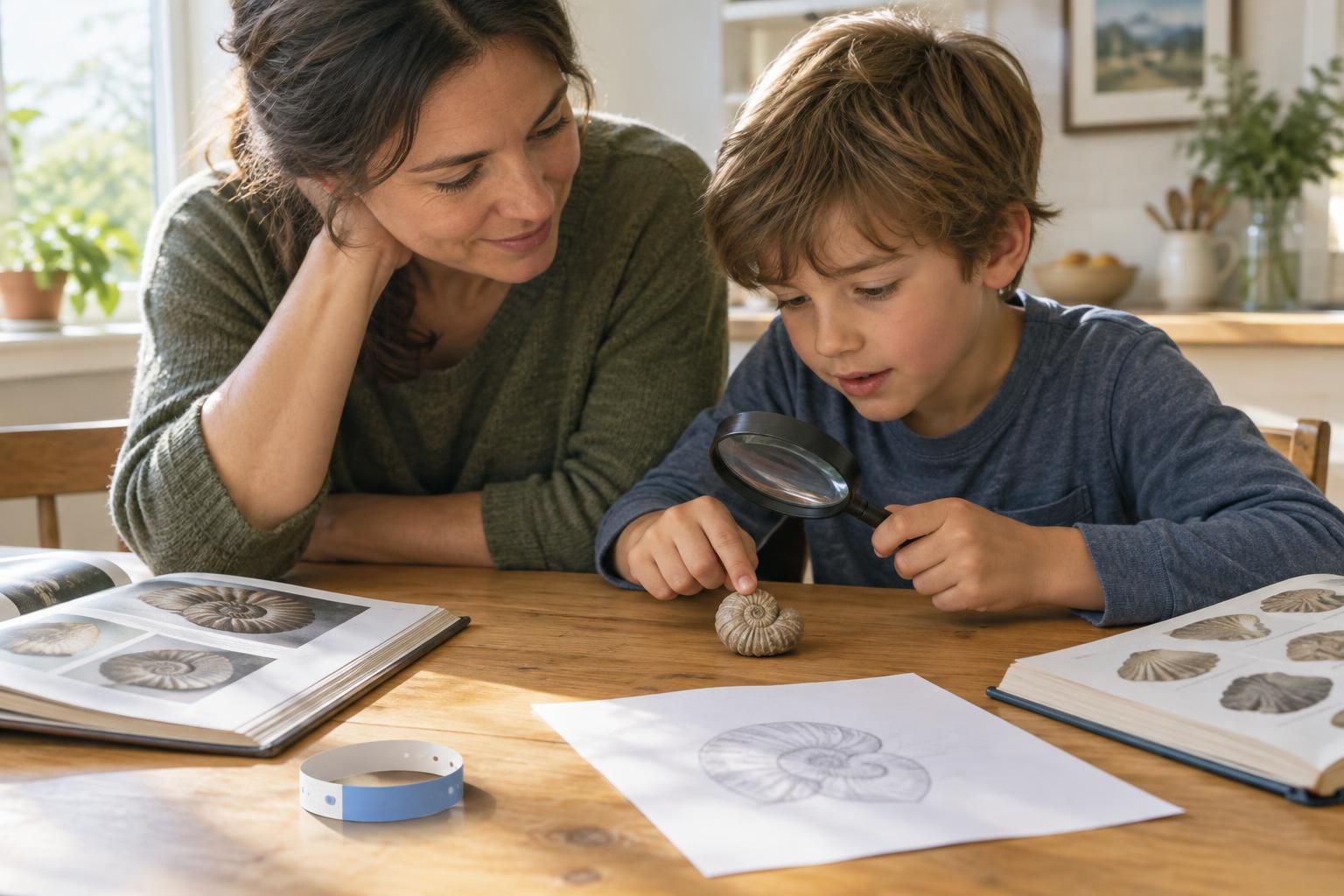
Try recording the question in the child’s own words. Write it on a scrap of paper, make a voice note together or invite them to draw the exhibit from memory. Add whatever details you can recall: the room, the shape of the object or a word from the display. This small record helps you return to the idea later without making the child feel tested on the visit.
Choose one question to explore first
A lively visit can produce too many questions for one afternoon. Invite your child to pick one they are most curious about right now. You can save the rest in a question jar or notebook. Choosing one keeps the follow-up manageable and shows that a good question deserves time, not an instant answer.
Before looking anything up, ask, “What do you think might be happening?” or “How could we find out?” Treat guesses as ideas to investigate rather than answers to grade. If the question is “How did people lift that heavy stone?”, for example, you might talk about ramps, ropes and teamwork, then look for information about the particular object. It is fine to say, “I’m not sure.” That makes room for you to learn together.
Look for an answer without losing the question
If you have a photo of an exhibit label, begin there. A museum’s own exhibit materials, online collection pages or visitor information may provide useful context, though not every object will have a detailed page. A library book can also help explain a broader idea, such as how fossils form or why artists use certain materials. When information is written for adults, read a short part yourself and restate it in everyday language.
Keep the original question in view as you search. An answer about how all bridges work may not tell you how the bridge in the museum’s model was built. Point out that difference to your child: “This explains one way people build bridges, but we still don’t know about that model.” If you find conflicting explanations or cannot identify the exhibit, say so plainly. An unanswered question can become something to ask on a future visit.
Make a small project from a big idea
A follow-up activity does not need to recreate an exhibit. It can help a child explore one part of the question. After seeing an animal skeleton, for instance, you could compare the shapes of clean, dry leaves and discuss how their structures help them hold together. After seeing a model building, try making a tower from paper and testing which folds help it stand. Ask what the activity can show and what it cannot; a paper tower will not explain every choice made by a real builder.
Let the question guide the materials you already have. Children interested in patterns might sort buttons or draw repeating shapes. A child curious about an old household object might compare it with something your family uses for a similar job today. Keep the experiment short enough to end while everyone is still interested, and welcome unexpected results as a reason to ask another question.
Bring curiosity into everyday places
Museum questions often connect to things just outside the door. If an exhibit sparked interest in local transportation, notice road signs, paths or bus stops on a familiar walk. If your child wondered how plants survive, compare leaves in a sunny spot and a shaded one. You are not trying to prove that every nearby example works like the museum exhibit. You are helping your child practice observing closely and noticing differences.
A few days later, return to the note or drawing you made after the visit. Ask whether your child has a new answer, a better question or a different favorite memory. They may have moved on, and that is fine. Keep the record for a future conversation without turning it into homework. The most valuable follow-up may be a child discovering that their questions can lead to more looking, making and wondering.