Begin with an invitation, not an assignment
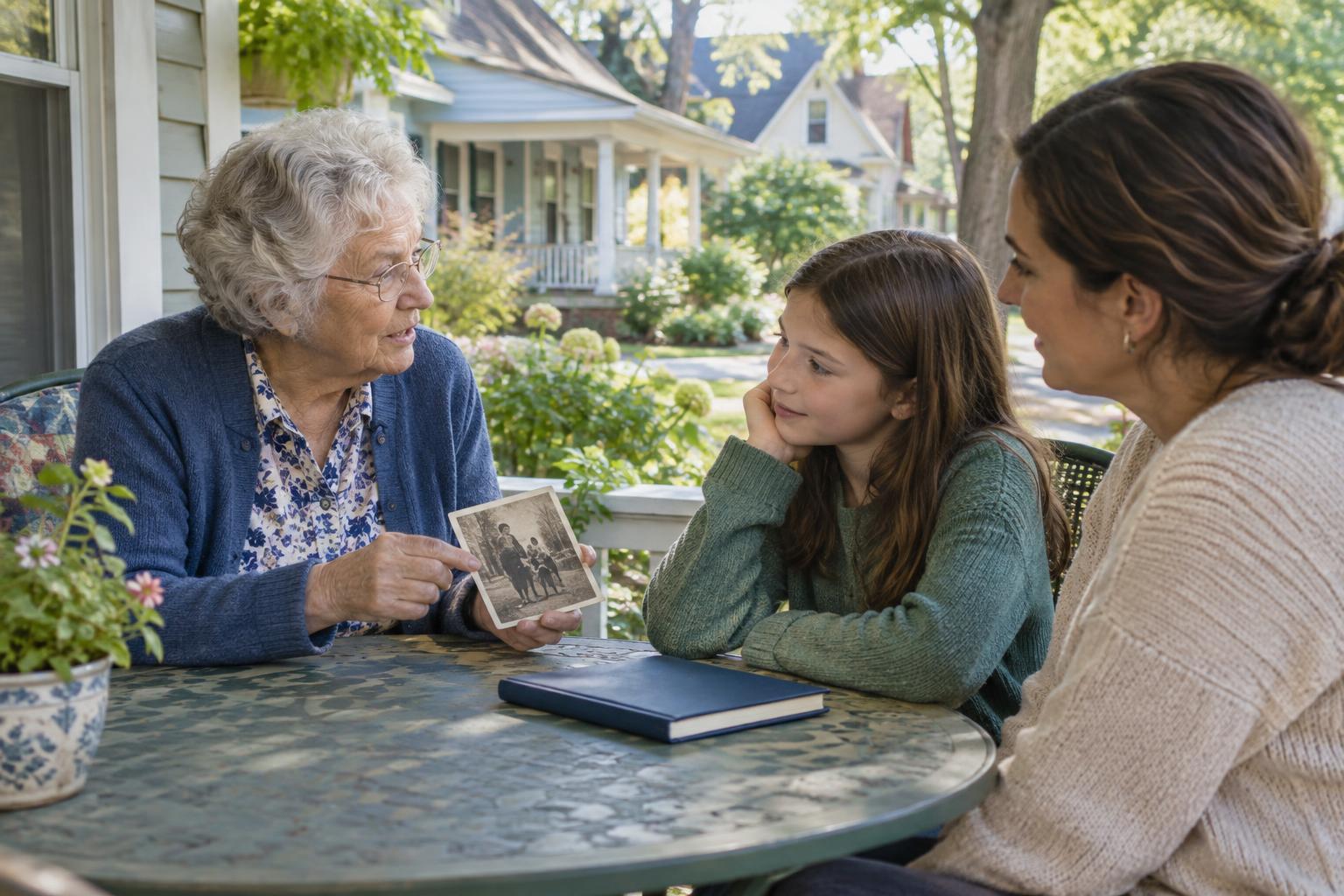
An older neighbor may remember a street before its trees grew tall, a shop that has since closed, or games children played nearby. Those memories can make local history feel close to home. But no one owes a family their story. Approach the conversation as an invitation that is easy to decline, rather than a request for someone to perform a history lesson.
A child and their adult might say, “We’re learning about how our neighborhood has changed. Would you enjoy talking with us for about 20 minutes sometime?” Explain who will be there, what the conversation is for, and whether you hope to take notes. Ask what time and place would be comfortable. For a child’s project, an adult should arrange and attend the meeting; children should not be sent to interview a neighbor alone.
Avoid assuming that age means someone has lived locally for decades, remembers particular events, or wants to discuss the past. A newer resident may have valuable observations too. If the person declines, thank them warmly and leave it there.
Prepare questions that leave room for choice
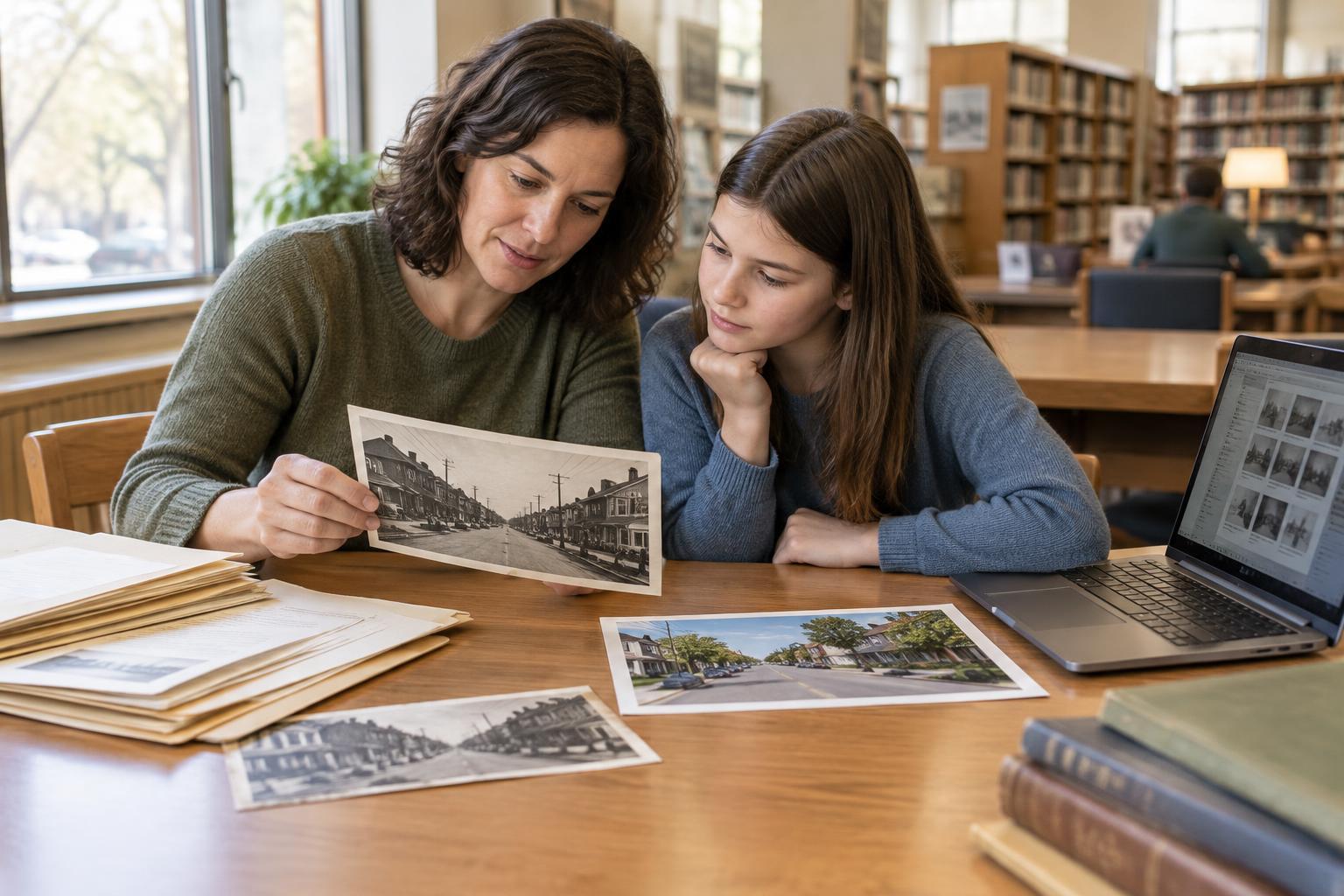
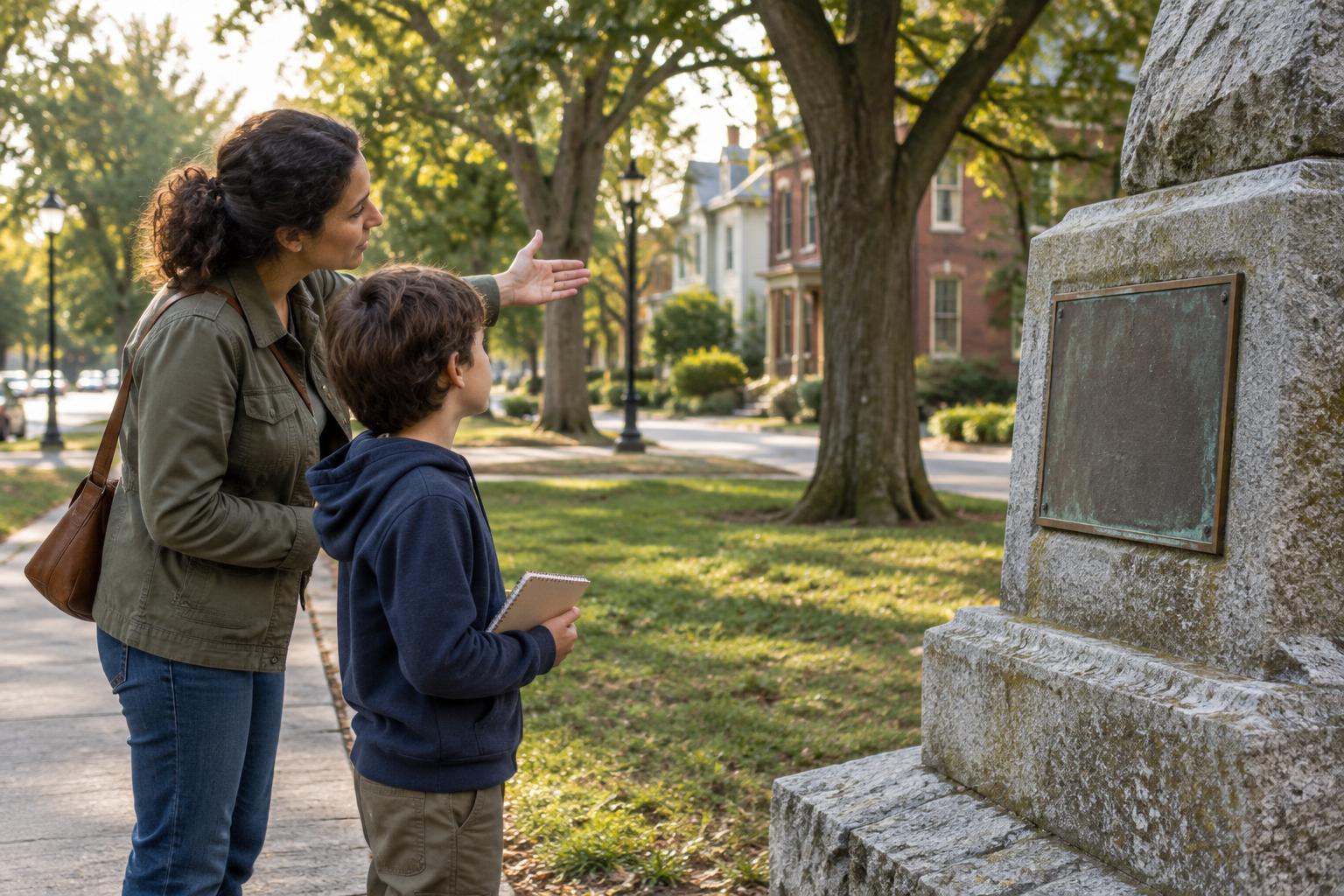
Before the visit, invite the child to choose one small focus, such as a park, a block of shops, or the walk to school. Look at the place together and write down what you notice now. That gives the conversation a starting point without expecting the neighbor to recall every detail of a whole neighborhood.
Prepare a few open questions: “What do you remember about this street when you first knew it?” “Where did people gather?” “What sounds or activities do you associate with this place?” Follow-ups such as “What was that like for you?” can bring out details while letting the speaker decide what matters. Questions about a person’s age, income, family circumstances, or difficult experiences may feel intrusive. Let them introduce personal topics if they wish.
Tell the neighbor in advance that they can skip any question or stop at any point. During the interview, pay attention to short answers or signs that they are ready to finish. A good conversation need not use every question on the list.
Ask separately before recording or sharing
Permission to talk is not automatically permission to record. Before using a phone, camera, or audio recorder, explain why you want a recording, who could hear or see it, and where it would be kept. Accept a no without trying to persuade the person. Notes can work just as well for a family learning activity; even then, let the neighbor know you are writing things down.
Sharing requires another decision. A neighbor might be happy for a child to tell their family about the conversation but not want their name, photograph, voice, or words posted online or included in a public display. Ask about the specific use you have in mind, and check again if that use changes. If permission is unclear, keep the material private or leave identifying details out. Be especially careful with stories that mention other people, who have not agreed to be part of the project.
At the end, offer to show the neighbor any passage you plan to share. This gives them a chance to correct a detail, clarify what they meant, or ask you not to use something.
Listen to memories without treating them as a test
The child’s most useful job is to listen. Encourage them to allow pauses, ask one question at a time, and avoid finishing the speaker’s sentences. If an unfamiliar place or word comes up, they can ask, “Could you tell me more about that?” Sensory details—a bakery smell, a busy corner, the feel of a walk—often help children picture an everyday past.
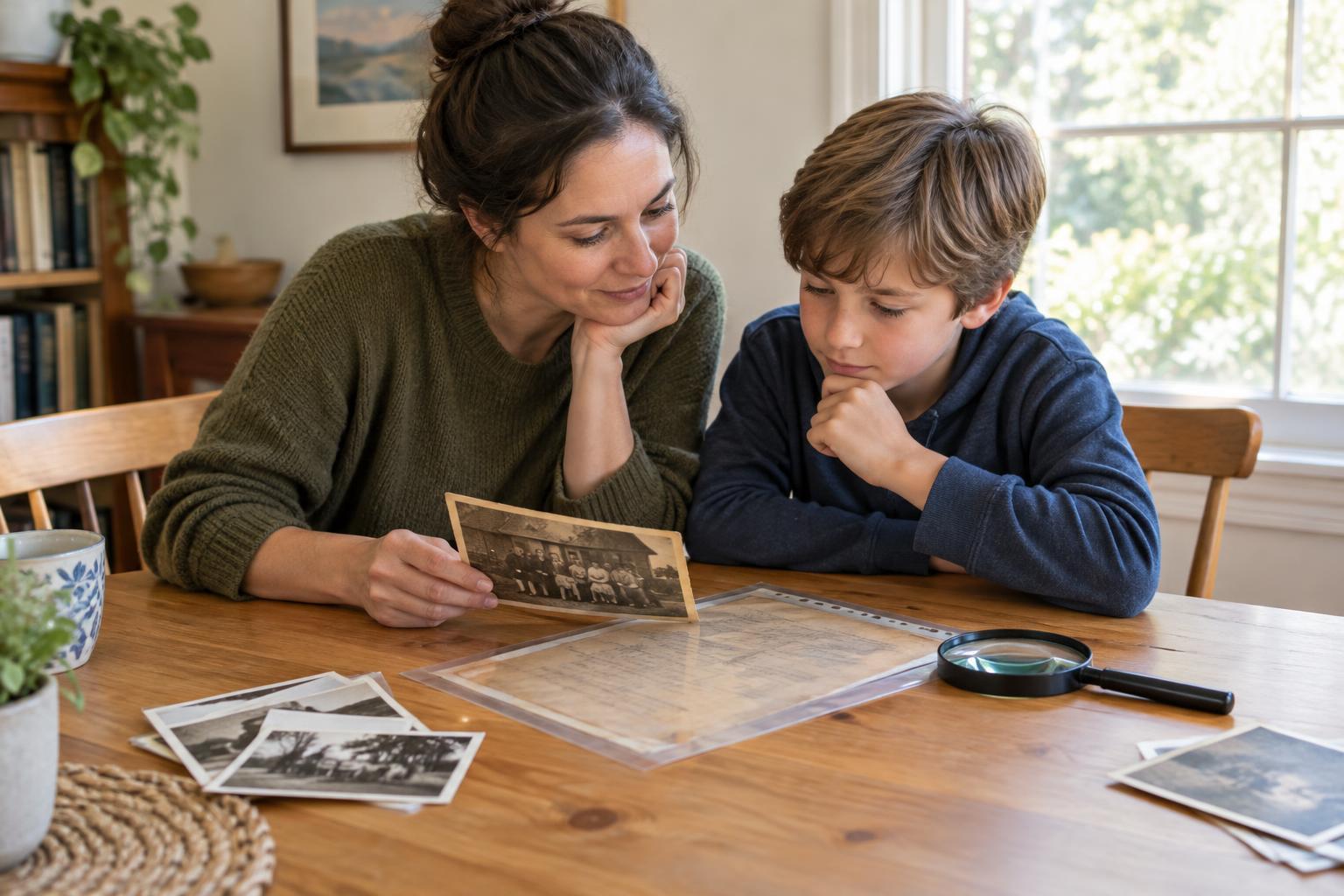
Memory is personal. People may recall the same place differently, and a speaker may be unsure whether something happened in one year or another. Rather than correcting them mid-story or presenting a recollection as a settled fact, note it as their memory: “Ms. Lee remembers a small grocery on this corner.” If the family later compares the account with maps, photographs, or other stories, explain to the child that these can add context without diminishing the neighbor’s experience.
Make space for more than change or nostalgia. Asking “What do you like about the neighborhood now?” recognizes that the person still belongs to its living story.
Close with thanks and a small, respectful project
End when you said you would, unless the neighbor clearly wants to continue. Thank them for their time without pressing for one last story. Later, the child could draw a then-and-now picture of the chosen place, make a private family map marked with remembered details, or write a few sentences about what surprised them. These projects turn listening into observation without requiring anyone’s words or image to become public.
If you plan to give the neighbor a copy, ask whether they would like one and check that it represents their account fairly. Keep recordings and notes somewhere reasonably private, and do not retain or circulate material the person has asked you not to use. The lasting lesson is not just what a street used to look like. It is that local history is made of people’s experiences, and those people get a say in how their stories are heard.