Start with a question, not a date
A building can look older or newer than it is. A restored storefront may have a recently made sign in an old-fashioned style. A house may have a new porch attached to a much older structure. Instead of asking, “How old does it look?” ask a question you can investigate: “When does this building first appear in a record?” or “Has its front entrance changed?”
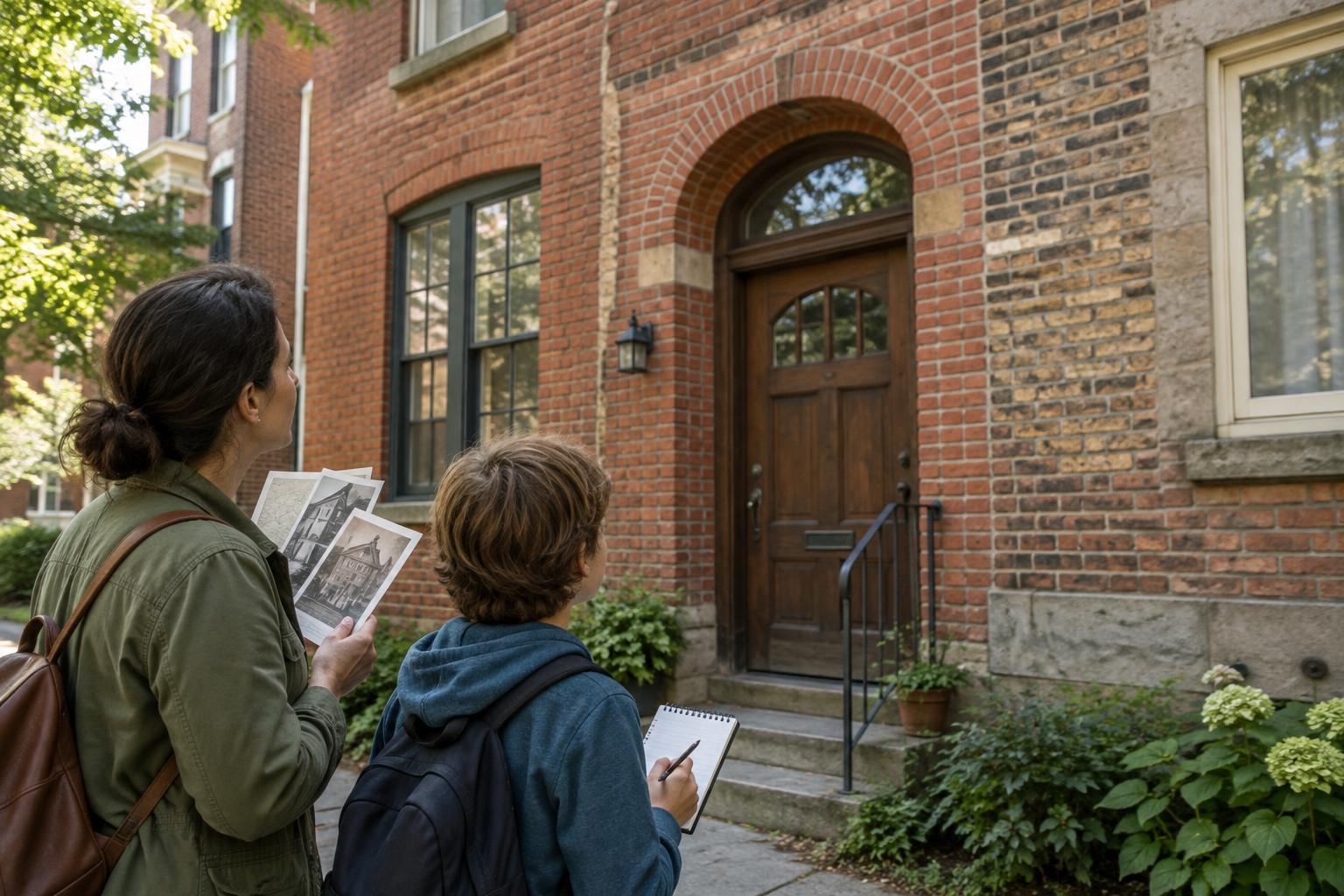
Choose a building you can observe from a public place, and write down its present address and any visible business name. Make a simple sketch or take a photograph where permitted. Note features such as the number of stories, roof shape, doors, windows and materials. Keep observations separate from interpretations: “The bricks around one window are a different color” is an observation; “That window was added later” is a possibility to check.
Look for a trail of evidence
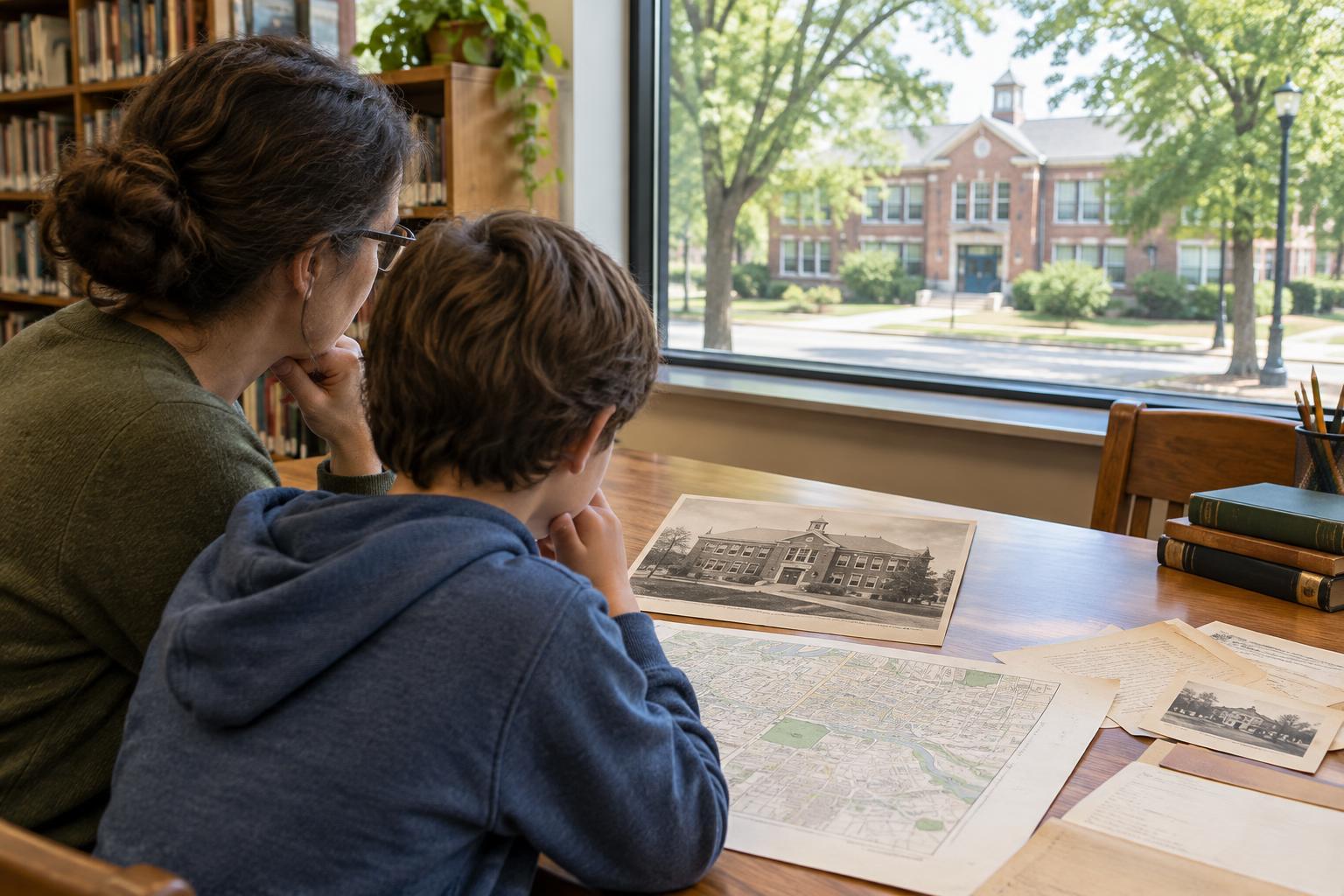
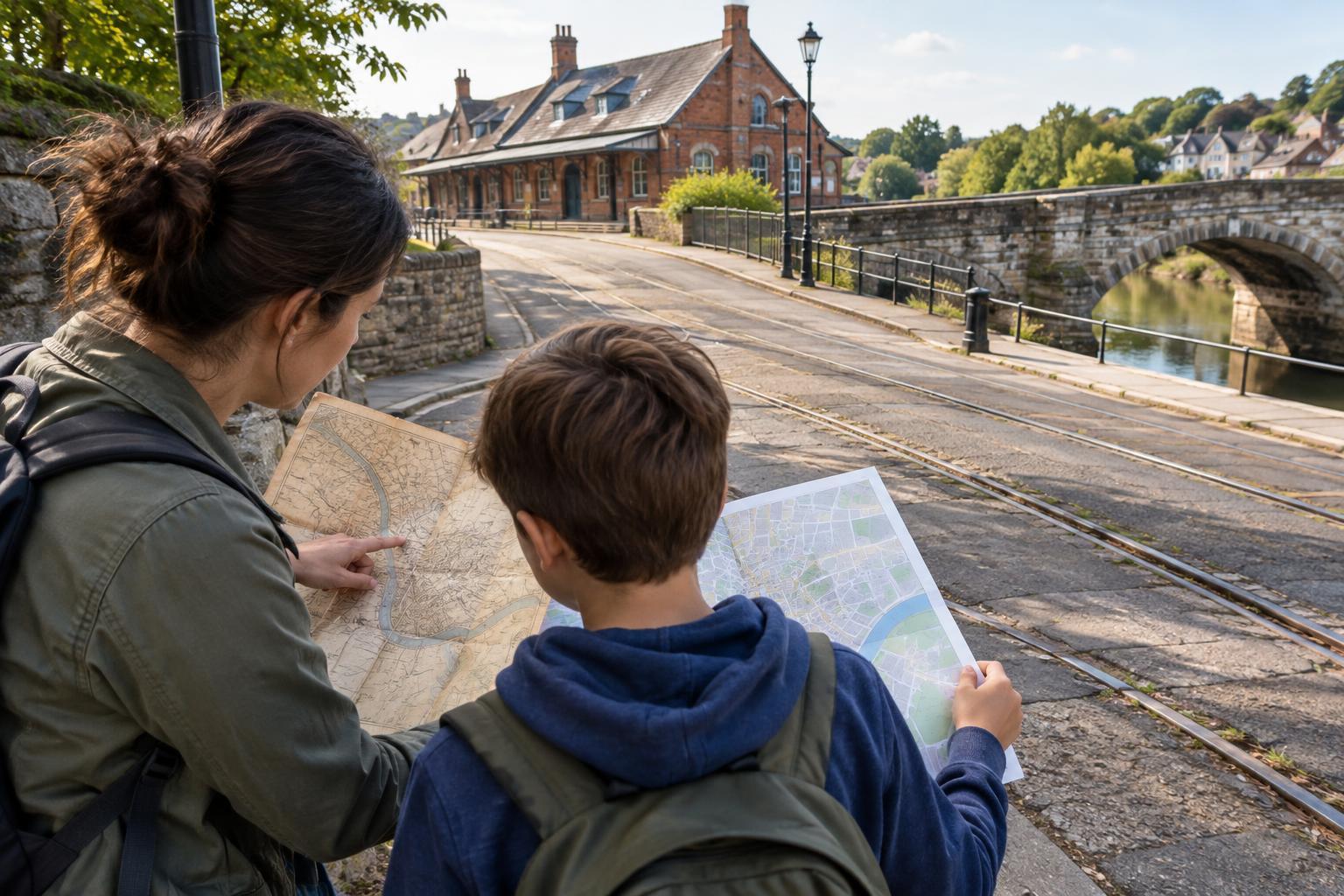
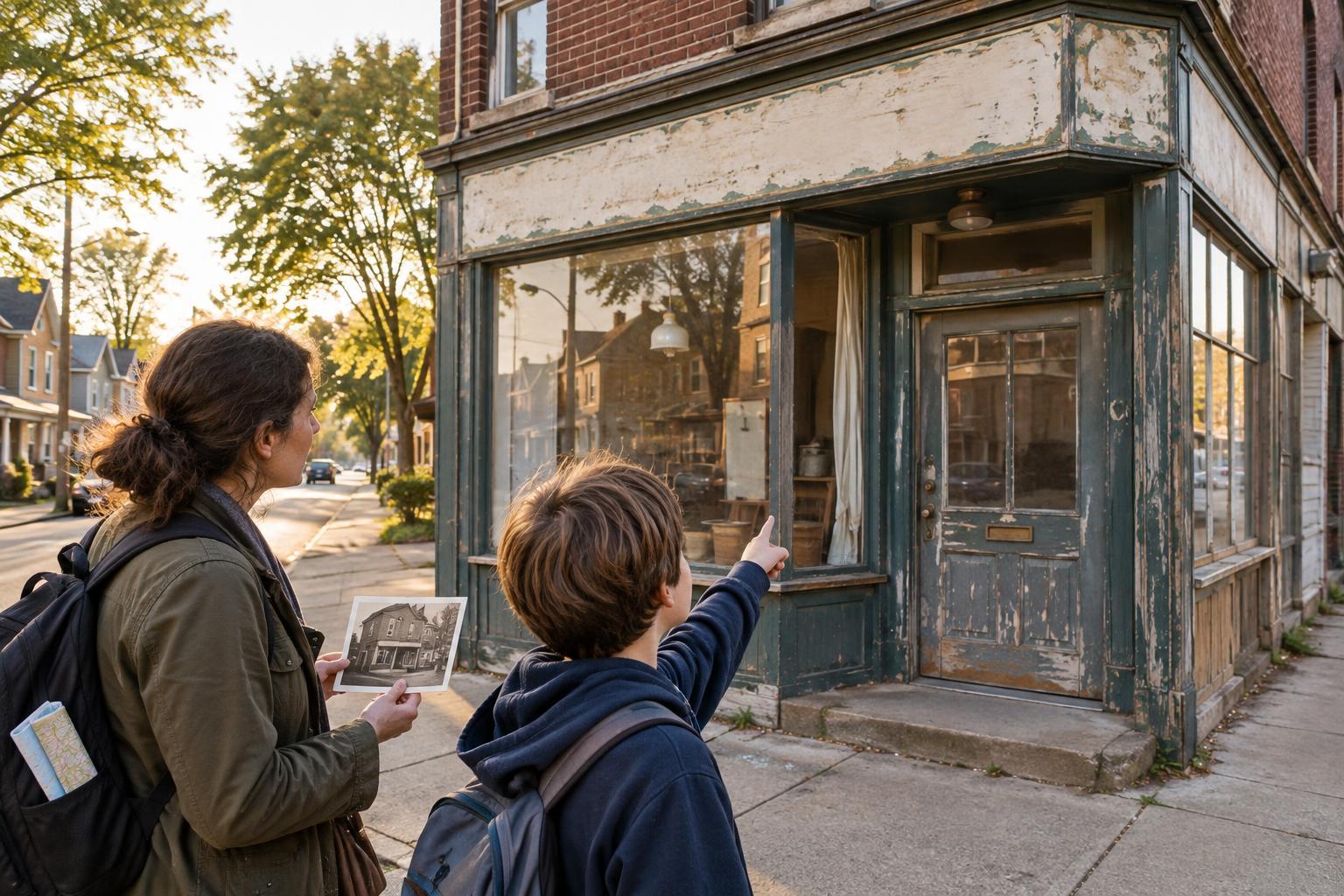
A local library, historical society or public archive may have photographs, neighborhood guides, newspapers or directories. Historical maps can show whether a building footprint existed at a particular time, although a map may not reveal every change to the structure. A dated photograph can offer a closer look at its appearance. If you are exploring with children, invite them to compare the old and new views: Which details match? Which might have changed?
Publicly available property records may list a construction year, while building permits may document later work. Treat each entry as a clue rather than a final answer. A recorded construction year may be approximate, and a permit for a renovation does not establish when the original building was built. Search for records using both the address and, when useful, the parcel or lot information available through local public resources.
Addresses can change, and a present-day street name may not appear on an older map. Before concluding that a building is missing from a record, compare nearby intersections, lot shapes and neighboring landmarks. If the property is part of a row, check whether the record describes one building or several attached structures.
Build a timeline that shows what you know
Make three columns labeled “Evidence,” “What it shows” and “What it does not show.” For example, a map might show a structure on the lot, but not whether it is the same structure standing there today. A photograph might show the current doorway, but only establish that the doorway existed by the photograph’s date. This small habit keeps an appealing story from turning into an unsupported claim.
Arrange your clues from earliest to latest. If an older map shows an empty lot and a later photograph shows a building, you have narrowed the period in which a structure appeared—but you may not yet know its exact construction year. Look for at least one other clue that supports your interpretation. When records disagree, keep both in your notes and consider whether they describe different parts of the building, later additions or an error in a record.
Tell the story without filling the gaps
A useful building history can be modest: “A building appears on this lot in a map from one period, and its storefront looks different in a later photograph.” Phrases such as “appears to,” “by this point” and “the available records suggest” help readers understand the strength of the evidence. If you cannot confirm an exact age, say so. Changes in use, shape or surroundings can still make an engaging story.
As a family activity, create a one-page building profile with a sketch, a short timeline and two open questions for a future library visit. Record where each clue came from so you can find it again. Observe from public spaces, respect private property and avoid sharing details about current occupants that are not needed for the building’s history. The goal is not to solve every mystery at once; it is to practice noticing, checking and asking better questions.