Start with a question you can investigate
A park or public square may seem familiar, but its paths, trees and signs can prompt questions about how the place changed. Why is the entrance on this street? Was the open lawn always open? Who chose the park’s name? Pick one question to begin with rather than trying to tell the whole story at once. A focused question gives your family something to look for on a walk and in later records.
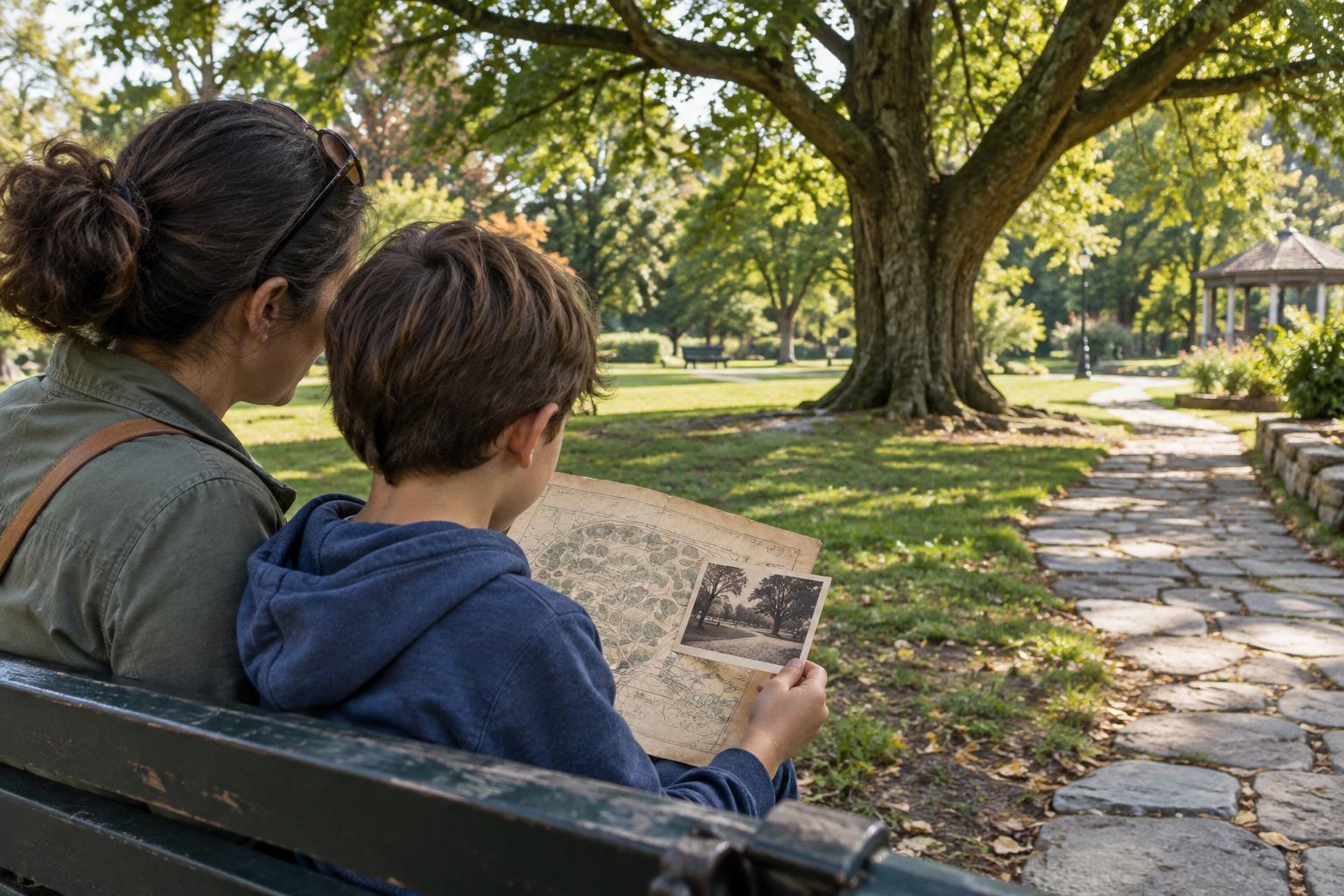
Bring a notebook or make a simple sketch map. Mark entrances, paths, monuments, play areas, planted spaces and nearby buildings. Copy the wording on public signs accurately, including any dates, but treat signs as starting points rather than complete histories. Notice which features appear old and which seem newer without assigning an age based only on appearance. If children want to take photographs, invite them to capture details that might help answer the question: a plaque, a path junction or a view toward the surrounding streets.
Look for earlier versions of the place
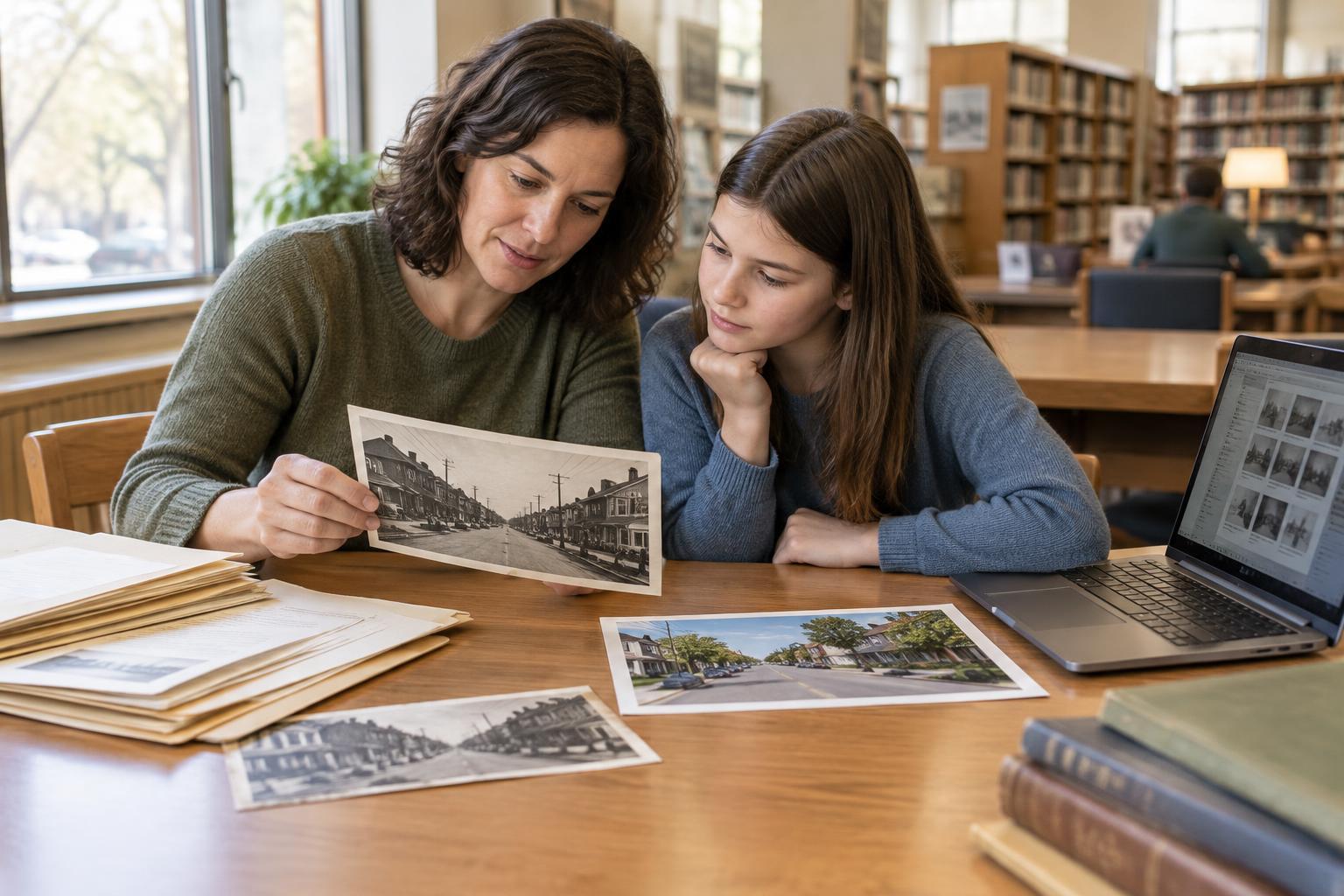
Old maps are useful because they show what occupied the site at different times. A public library, local historical society or municipal archive may have street maps, planning maps or aerial photographs. Search under the park’s current name, but also try its street names or a former name if you find one. Compare the edges of the site first: streets and nearby landmarks can help you match an older map to the place you visited.
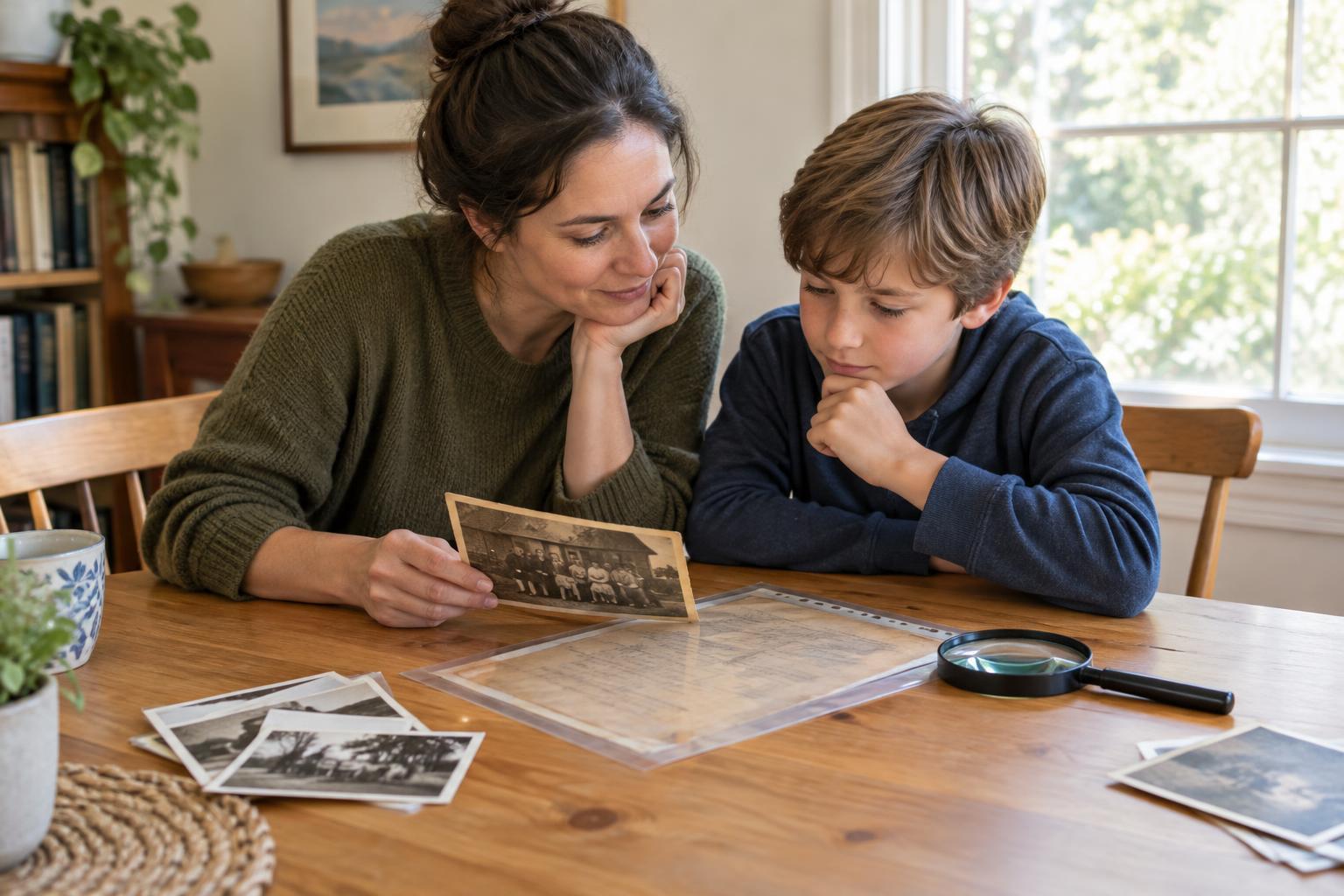
Photographs, postcards and newspaper archives may reveal changes a map cannot, such as a bandstand, fence, garden or gathering. Read captions carefully, then check whether the image truly shows the park and whether its date is known. A picture of a crowded square tells you that people were there at that moment; it does not, by itself, explain who they were or what the space meant to everyone in the neighborhood. Keep a note of where you found each item so you can return to it.
Follow decisions, names and everyday uses
To learn how a public space came to be, look for records of decisions as well as images of the finished place. Depending on what is available locally, council minutes, parks department documents, planning reports or dedication programs may describe land purchases, designs, renamings and renovations. Library staff or archivists can often suggest which collections to search. If a document uses an unfamiliar term, write it down and check its meaning before building a story around it.
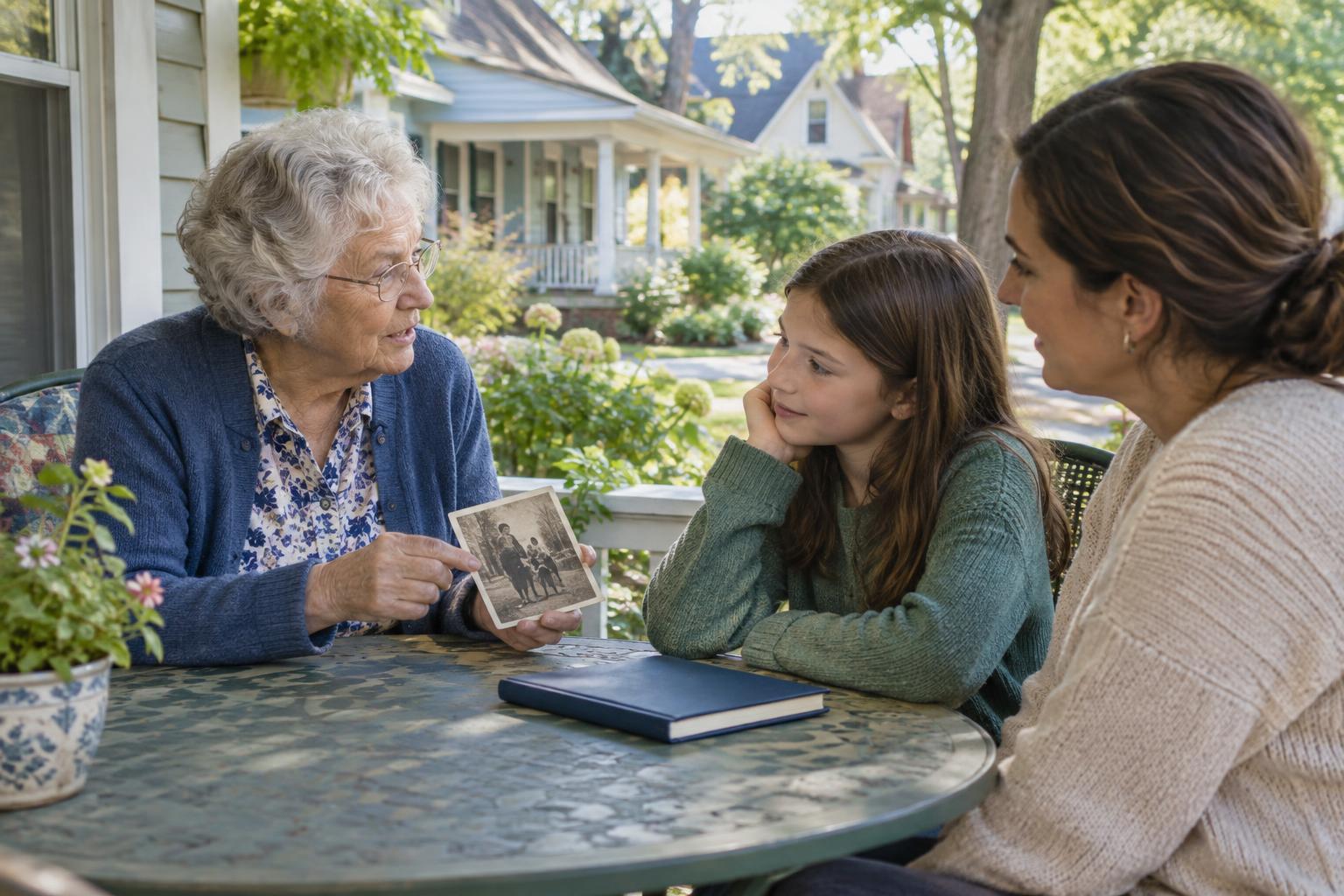
Ask who appears in the records and who may be missing. Official documents can explain a decision without capturing how residents used a place for walking, play, protest or celebration. Community newsletters and recorded memories may add perspectives, though memories can differ and dates may need checking. Avoid assuming that a park’s recorded history began when it received its current name: land and communities had histories before a public park was established. When exploring those earlier histories, seek sources that identify whose account you are reading rather than guessing from a place-name or monument.
Compare clues instead of rushing to a conclusion
Make a small timeline with three columns: date, what the source shows and what remains uncertain. Put observations from your walk beside information from maps, images and written records. If one map labels an area as a square while a later document calls it a park, note the difference; the words may reflect a change, or they may simply be different descriptions. When sources disagree, record both versions and look for another clue rather than choosing the more exciting one.
This step can be a good family activity. Ask children to sort findings into “we saw,” “a source says” and “we wonder.” For example, “We saw a stone marker” is an observation; “the inscription gives a dedication year” is a report of what the marker says; and “was the marker moved?” is a question. Those distinctions make the investigation more interesting, not less. They also help you share a story that is honest about its gaps.
Share what you learned respectfully
Finish with a short walking route, a drawing of the park at two points in time or a one-page account answering your original question. Name the records you used in everyday language, such as “a city planning map” or “a photograph in the library collection,” and label uncertain details as possibilities. If you share images or documents publicly, check any reuse rules attached to them. Be considerate when photographing people or homes near the site.
A good local history project does not need to settle every question. It might show how a path changed, explain the origin of a name or uncover a question worth asking an archivist next. On your next visit, look at the space again. The same benches and paths may now suggest both the park people use today and the choices that shaped it over time.