Set the stage, then leave the plan open
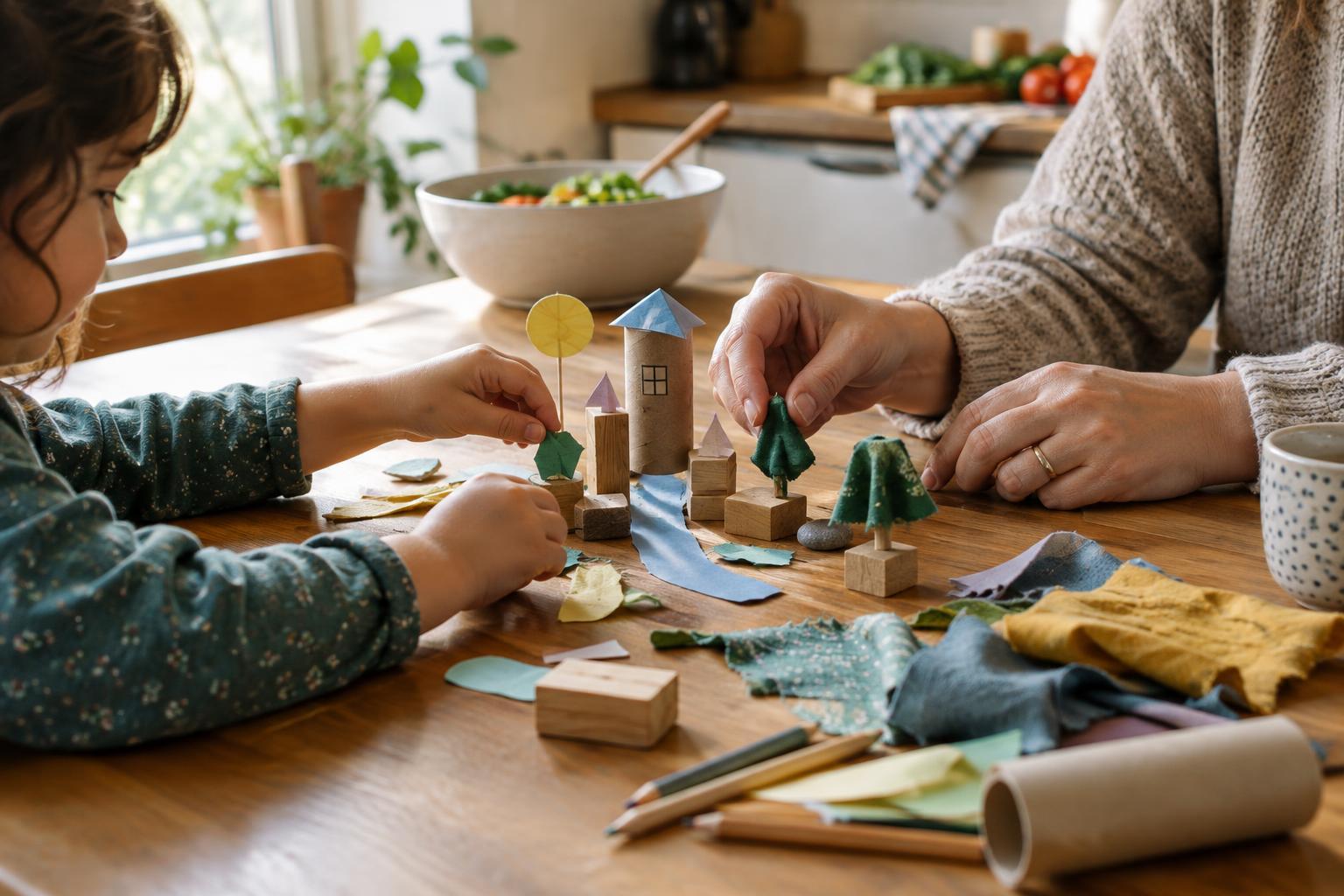
Collaborative play can begin with something small: a box of fabric scraps, a pile of blocks, or a pretend ticket booth made from a chair. An adult’s job is not to turn these materials into a finished activity. It is to make it easy for children to notice possibilities and start talking to one another.
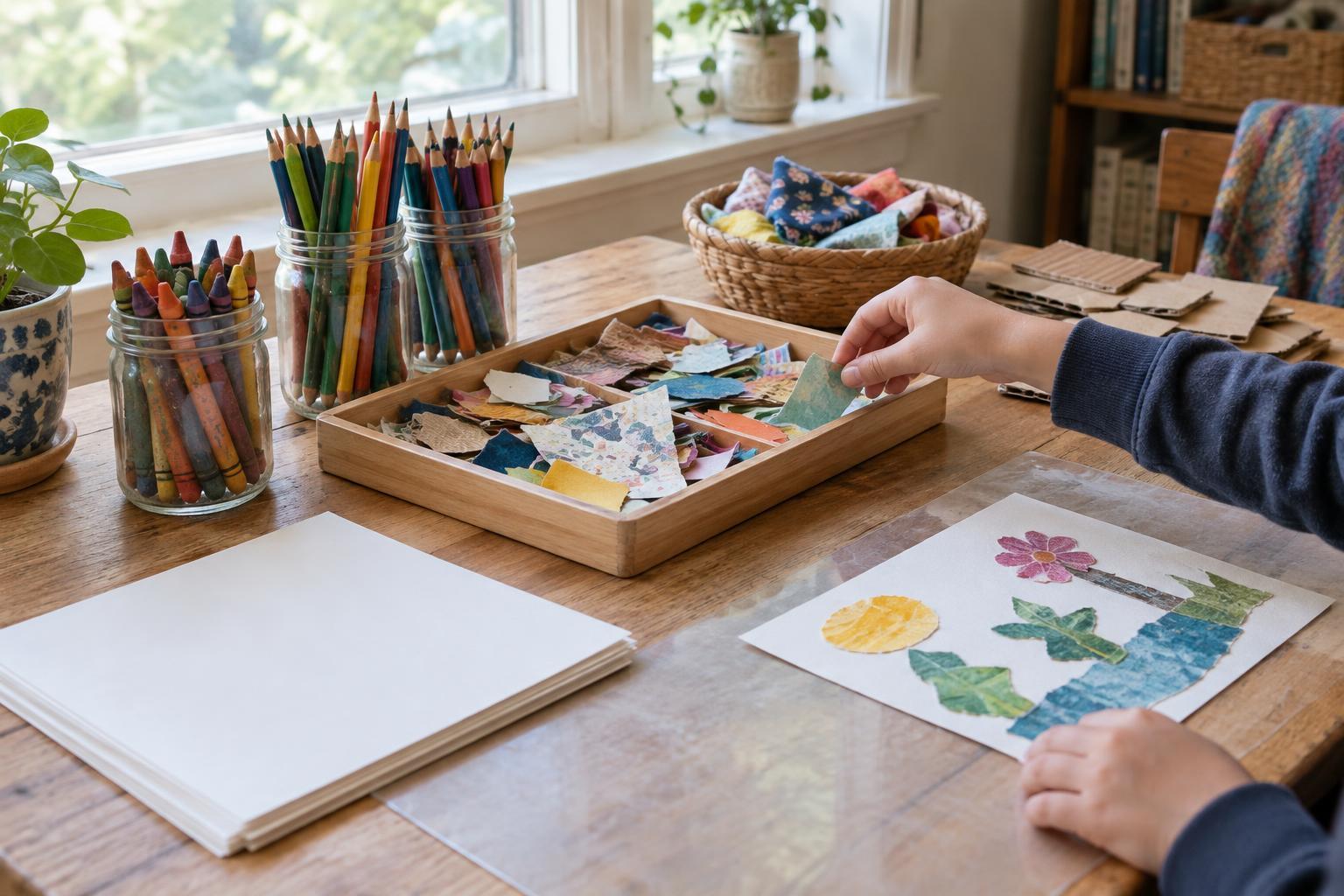
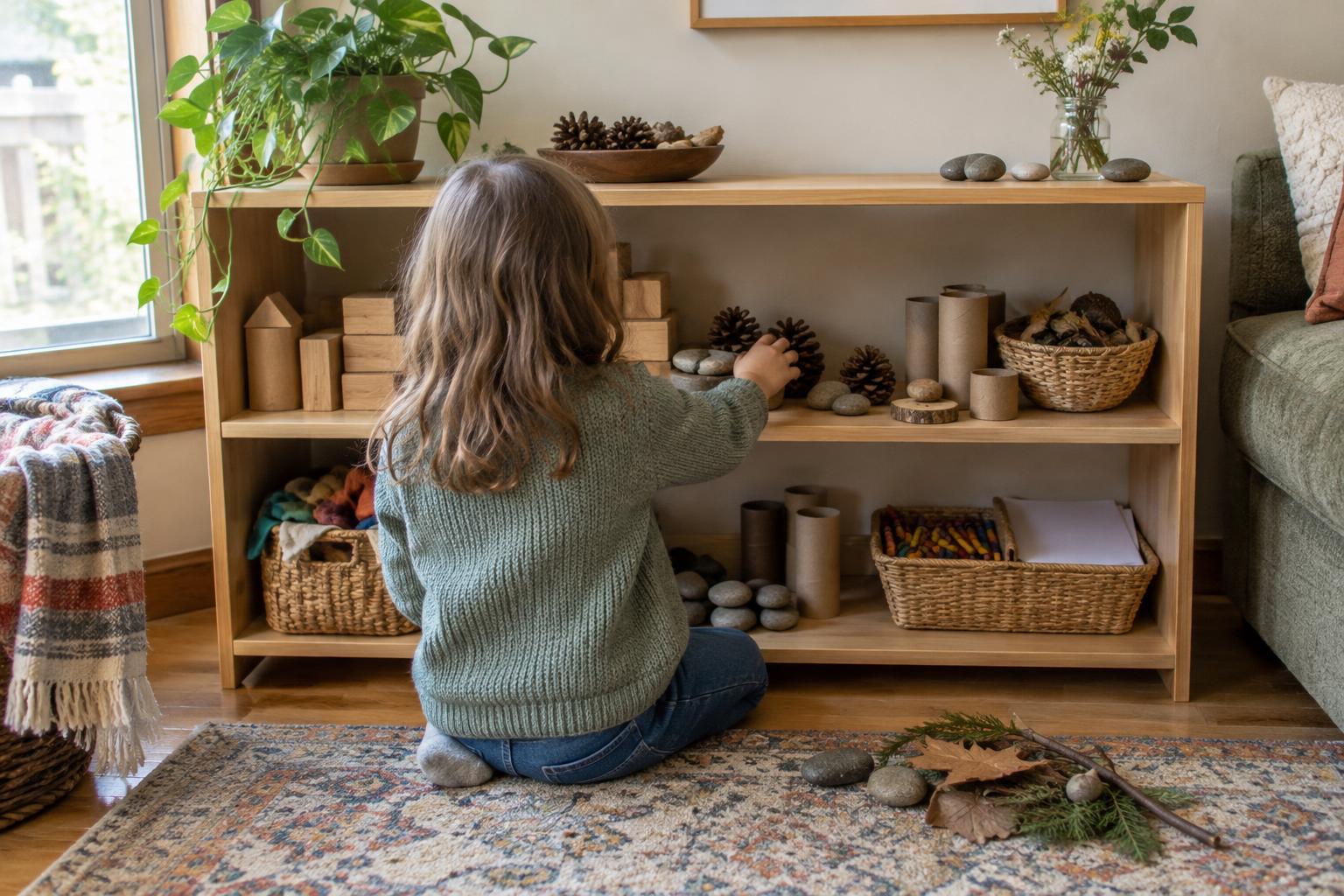
Offer materials that can be used in more than one way. Paper, tape, containers, washable markers, and loose parts such as large cardboard tubes invite children to build, sort, decorate, or invent a story. Choose items suitable for the children’s ages, and set simple boundaries before play begins: where materials may go, which tools need adult help, and what should be cleaned up afterward. Within those boundaries, let the children decide what they are making.
An opening question can help without supplying the answer: “What could we make with these?” or “Where should the story begin?” Once someone proposes an idea, give the group time to respond. The pause may feel long, but it makes room for children to take the next step themselves.
Help every child find a way in
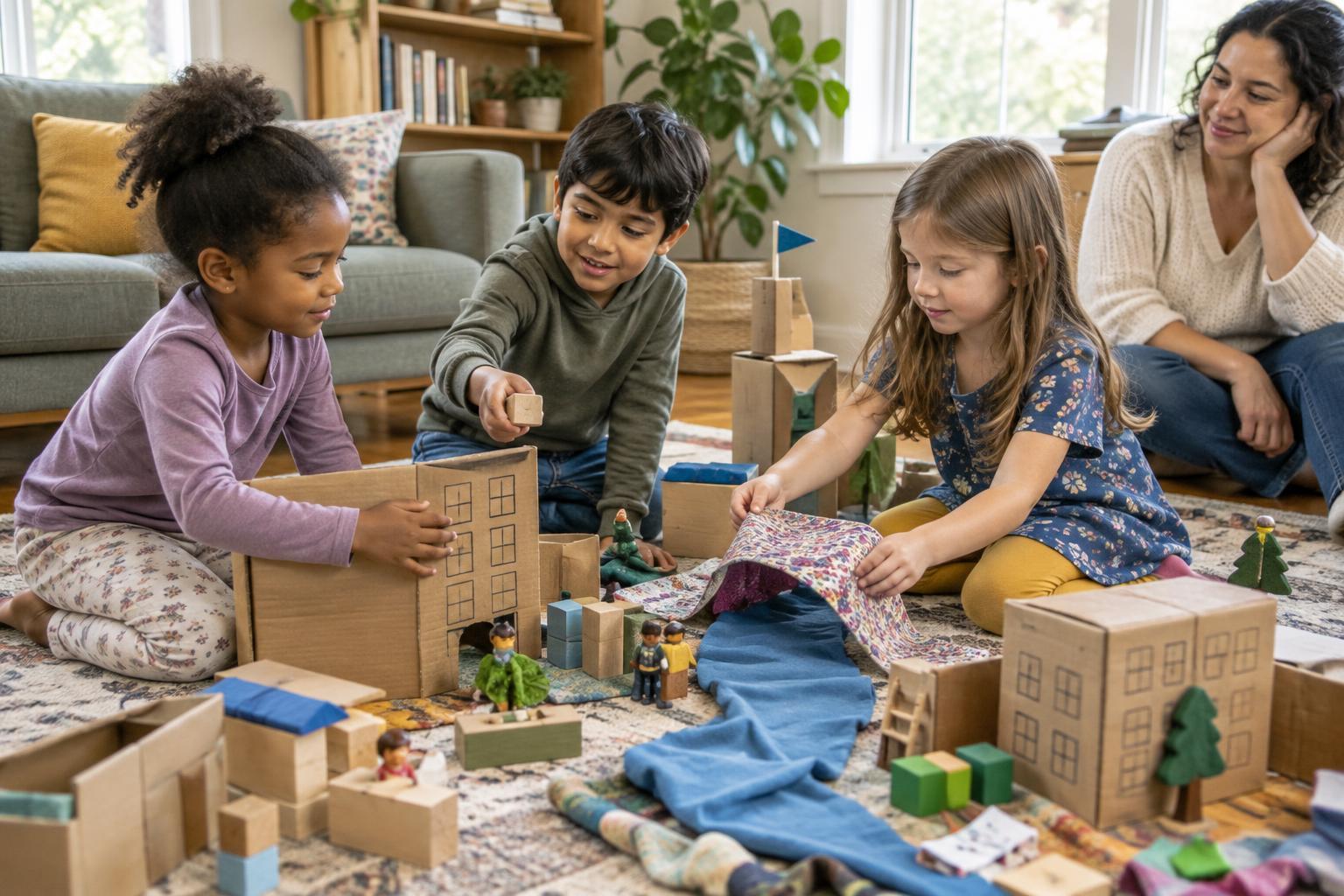
Playing together does not require everyone to do the same thing. In a pretend city, one child might arrange roads while another makes signs and a third acts out a delivery route. These different contributions can give quieter children a comfortable entry point, especially when a game is already underway.
If someone is watching from the edge, avoid assigning them a role on the group’s behalf. Instead, offer a gentle bridge: “I see they’re making a shop. Would you like to ask if they need anything for it?” A child may prefer to observe, work alongside the group, or join later. Those are valid ways to approach shared play, too.
Notice contributions without ranking them. “You found a way to hold the roof up” draws attention to a useful idea; “That’s the best building” can turn the focus toward approval. Specific observations show children that their choices matter while leaving space for the group’s own opinions.
Use questions to return decisions to the group
When children disagree, adults can be tempted to settle the question immediately. Sometimes that is necessary, particularly if someone is unsafe or being excluded. But many ordinary play decisions are worth handing back. If two children want the same cardboard box, try: “You both have an idea for this box. What could work?” Then listen before offering solutions.
Keep questions short and tied to what is happening. “What do we need next?” may help a stalled building project. “How will someone know it’s their turn?” may help a pretend game keep moving. If the group cannot find a way forward, offer two workable possibilities rather than a complete plan, and let the children choose or suggest another option.
It is also fine to play a small part yourself. You might hold a piece steady while children tape it, or take the role of a customer in a shop they invented. Follow their directions when you can. If you find yourself explaining what the shop should sell or how the walls ought to look, it may be time to step back.
Make room for bumps and changes
Shared ideas often change. A cardboard rocket may become a bus halfway through construction, and a child who wanted to draw windows may decide to drive it instead. Unless a change creates a safety problem or breaks an agreed boundary, it does not need correcting. Adapting to a new idea is part of the play.
Disagreements deserve attention when a child is repeatedly ignored, a game becomes hurtful, or frustration makes it hard to continue. Start by describing what you can see without deciding who is right: “You both want to choose the next stop, and it sounds like neither of you feels heard.” Invite each child to say what they want. They may find a compromise, decide to take turns, or split into two activities for a while. Working separately is not a failure; sometimes it gives everyone breathing room.
Know when to step out
One sign that children have taken ownership is that they begin asking one another questions instead of looking to you for each answer. You can move from the center of the activity to a nearby seat, remaining available while letting their conversation lead. If they call you back, ask what kind of help they want before joining in.
Afterward, you do not need a formal lesson about teamwork. A simple comment such as “Your plan changed a few times, and you kept finding ways to use the materials” can help children notice what they did together. The goal is not a perfect project or a conflict-free afternoon. It is a welcoming space where children can offer ideas, listen, experiment, and discover what they can make with someone else.