Start with noticing, not cleaning
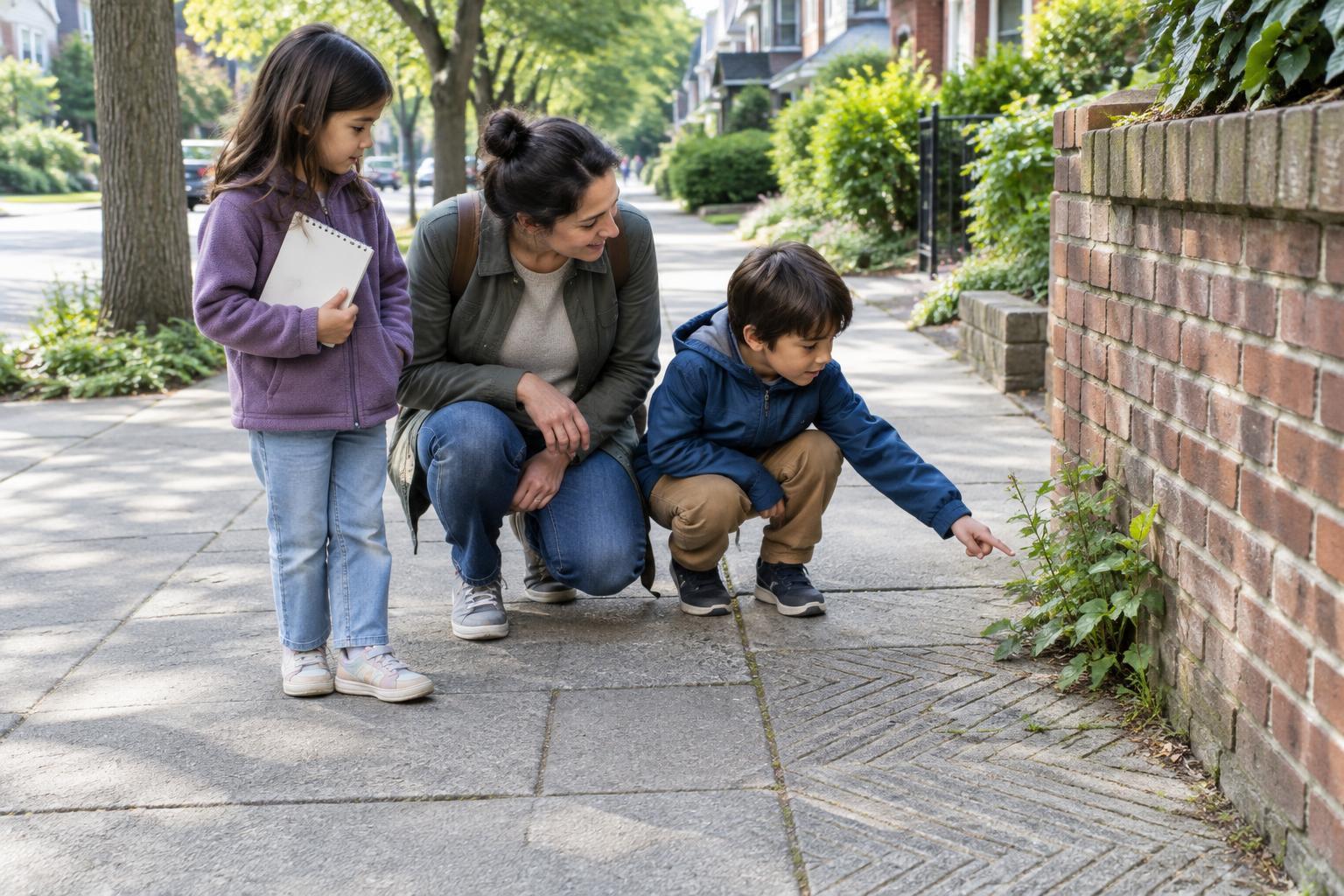
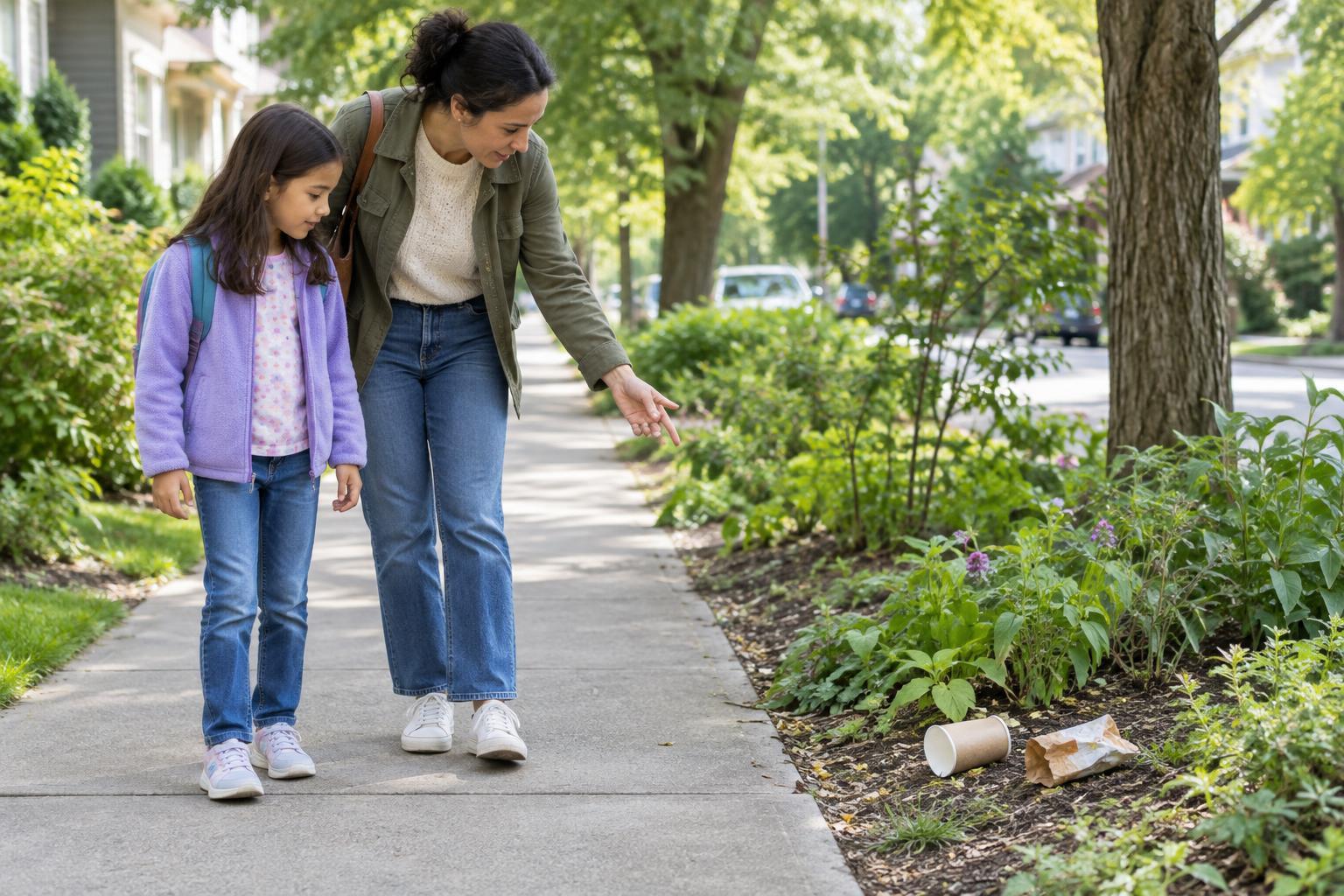
A walk to the library, a bus stop or a nearby park offers plenty for children to observe. They might spot a snack wrapper beside a bench or a cup caught in a fence. Litter can open a conversation about how people use shared places, where waste goes and what helps a neighborhood feel welcoming. The goal is to make room for curiosity without turning every outing into a cleanup.
Set the boundary before you leave: “Today we can look and talk, but we won’t touch things we find on the ground.” Give children a positive job instead, such as counting public trash bins, looking for places where wind gathers leaves and wrappers, or describing what they notice from the sidewalk. A clear observation task helps them participate without feeling that they must solve the problem themselves.
Use questions that invite thought, not blame
If a child asks why someone left something behind, it is fine to say you do not know. A wrapper may have been dropped, blown out of a bin or carried by rain. Rather than guessing who is responsible, ask, “What do you think might happen to this if the wind picks it up?” or “Where would a bin be useful here?” These questions focus on what children can observe and imagine.
Keep the conversation kind toward the people who share the space. Avoid calling a street “dirty” or suggesting that its residents do not care. Children can learn that places have different needs and that caring for a neighborhood includes respecting the people in it. You might ask what makes a walk pleasant for everyone, including people with strollers, wheelchairs or dogs.
Make the no-touch rule specific
Children may see a small bottle or colorful object and assume it is safe to pick up. Explain that they cannot tell what an unfamiliar object is, what is inside it or whether it has a sharp edge just by looking. Broken glass, needles, unknown containers and items with bodily fluids are especially important to leave alone. Practice a short response together: “Stop, step back and tell an adult.”
An adult can then decide whether the object needs to be reported through the appropriate local service or to the person responsible for that space. There is no need for a child to stand guard or inspect it closely. If you are near traffic, water, a construction area or another hazard, move to a safer spot before discussing what you saw. After an ordinary walk, washing hands before eating is a sensible routine, even when no one has picked anything up.
Turn observations into a project at home
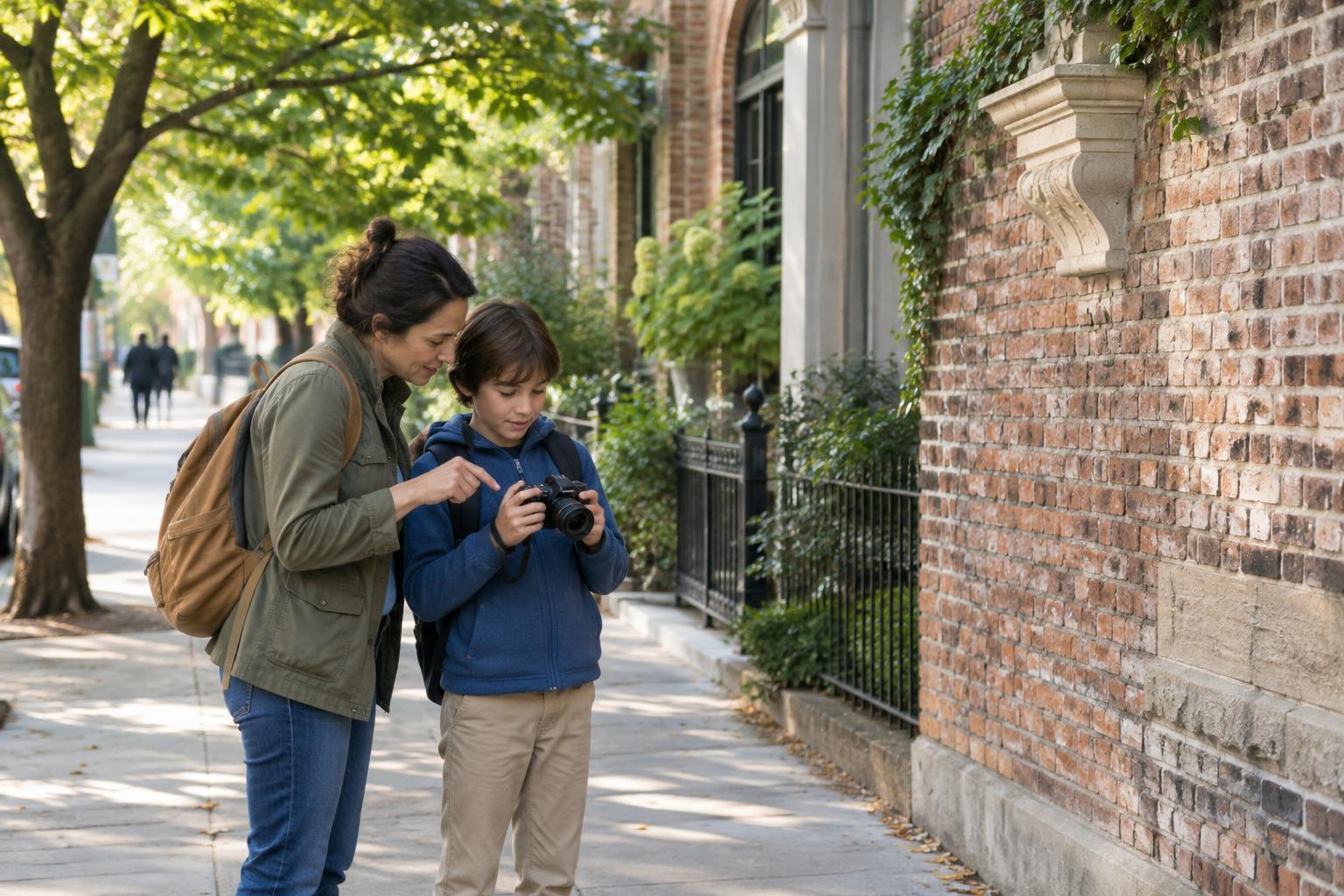
The best part of a neighborhood discovery activity can happen after the walk. Invite children to draw a simple map from memory: Where were the benches, bins, trees and busy corners? They can add symbols for places where litter seemed to gather, without recording exact addresses or photographing strangers. Compare ideas about why some spots collect more loose material than others. Wind, foot traffic and the placement of bins are possibilities to discuss, not conclusions you need to prove.
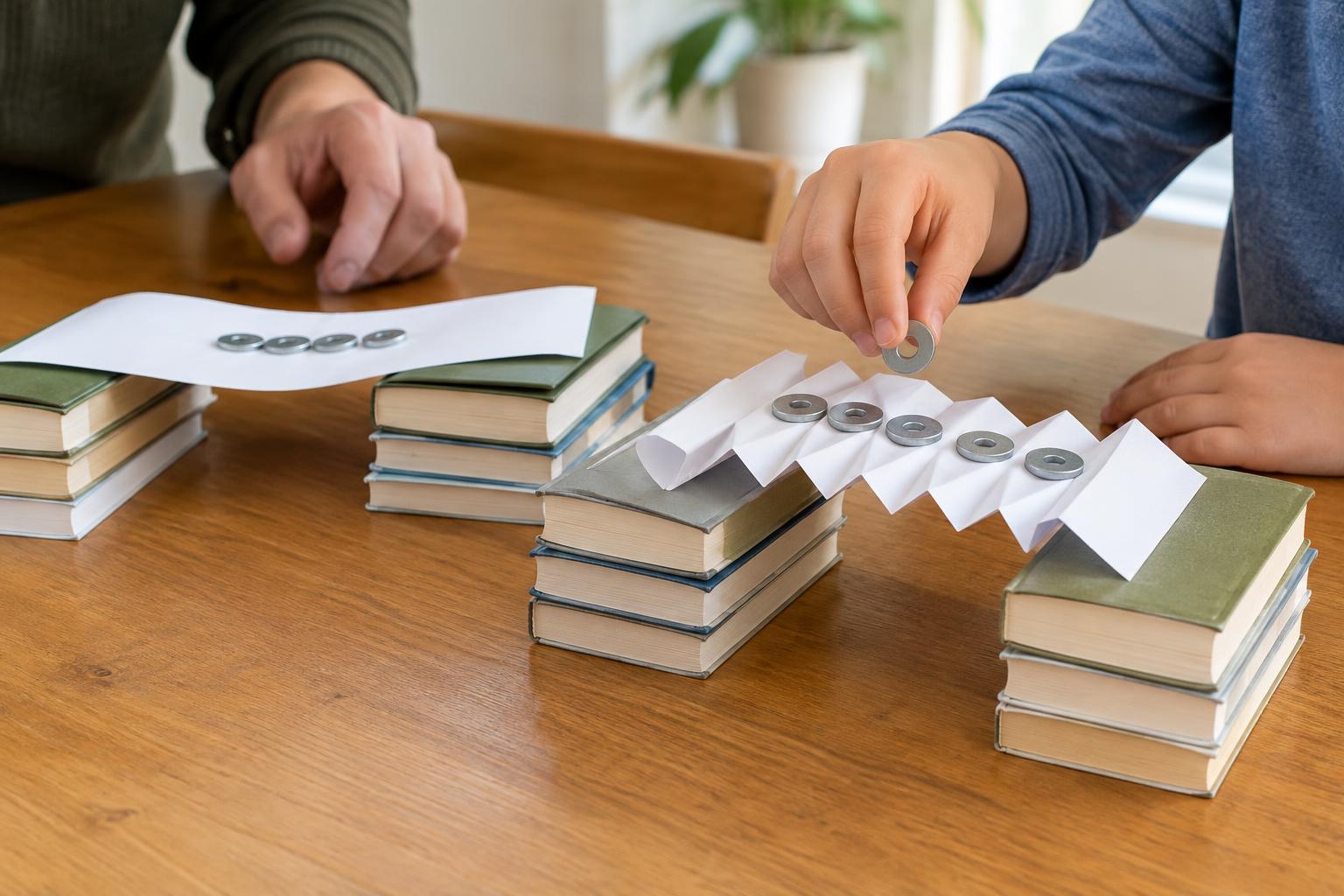
For a creative follow-up, make a model street with paper, blocks or reusable craft materials. Ask children where they would put bins and signs so people could find them easily. Younger children may enjoy sorting pictures of everyday items into “use again,” “put in a bin” and “ask an adult” groups. The point is to practice decisions in a safe setting, not to make children responsible for managing public waste.
Show what caring for a place can look like
Children often want to help as soon as they notice a problem. You can acknowledge that impulse: “You spotted something that could make this path less pleasant. Thank you for paying attention.” Then offer actions within their reach, such as carrying their own snack packaging to a bin or reminding the family to bring a reusable water bottle. Those habits connect care with everyday choices rather than risky tasks.
If your family wants to join an organized cleanup another day, look for an activity with clear adult supervision, suitable equipment and rules about what participants should leave untouched. A regular observation walk does not need to become one. When children learn that noticing, asking questions and telling a trusted adult are useful forms of participation, they can explore their neighborhood with both care and confidence.