Start with what your child noticed
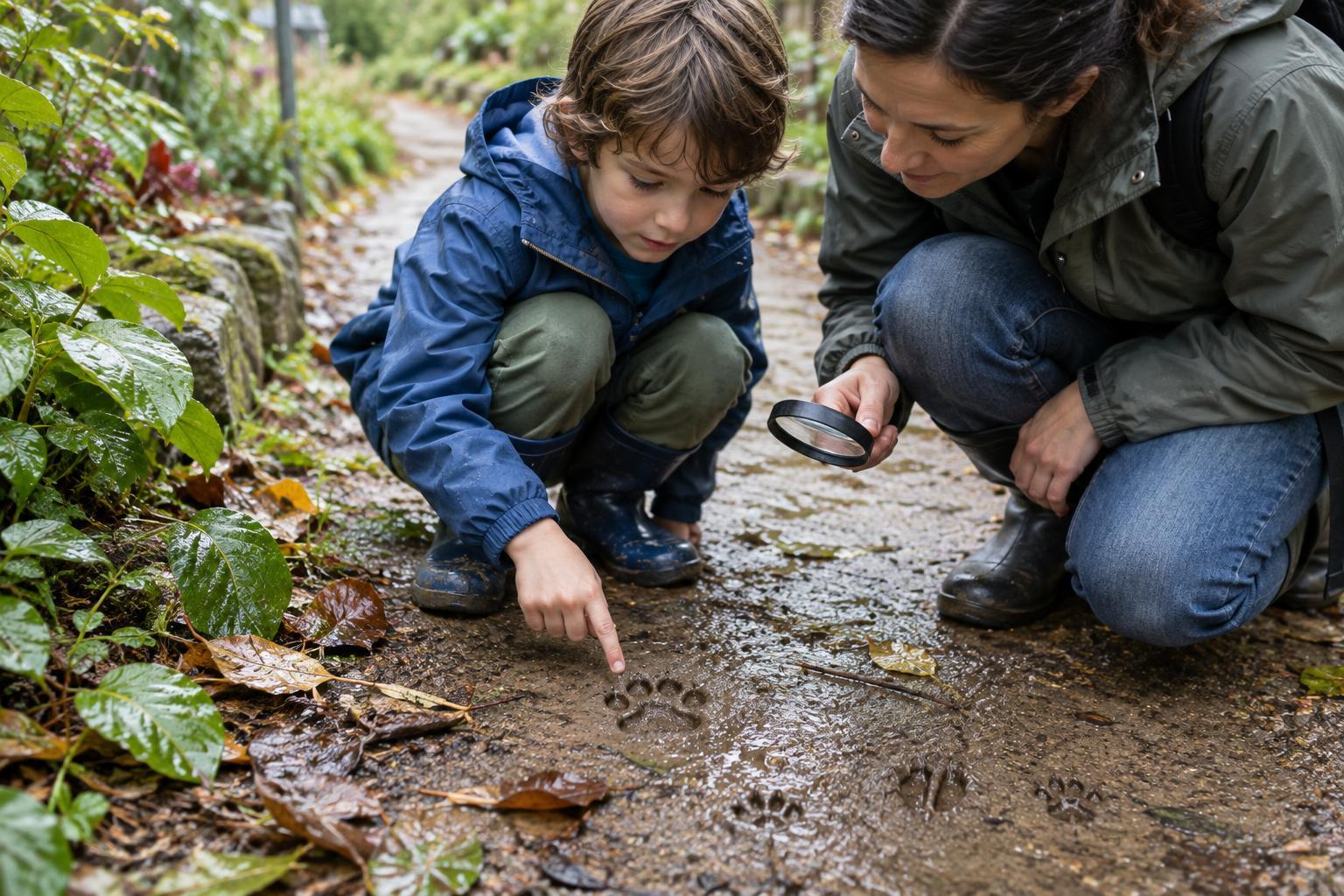
A puddle disappears, a paper airplane veers sideways, or one patch of snow melts before another. Children often begin with a broad question: “Why did that happen?” Instead of rushing to explain, ask what they saw and what they would like to find out. The goal is not to produce a perfect experiment immediately. It is to help them move from a surprising observation toward something they can investigate.
Try repeating their question in concrete terms. “Why do airplanes fly?” might become “Why does my paper airplane turn?” Then ask, “What could we change to learn more?” This keeps the child’s interest at the center of the activity. It also shows that a science question can start with an ordinary moment, not special equipment.
Choose something you can change and something you can observe
A testable question connects a change to an outcome you can notice or measure. For a paper airplane, your child might ask, “Does folding the wing tips upward change how far the plane travels?” The fold is what they will change; distance is what they will observe. A question such as “Which airplane is best?” is harder to test until you decide what “best” means. It could mean longest flight, straightest path or easiest fold.
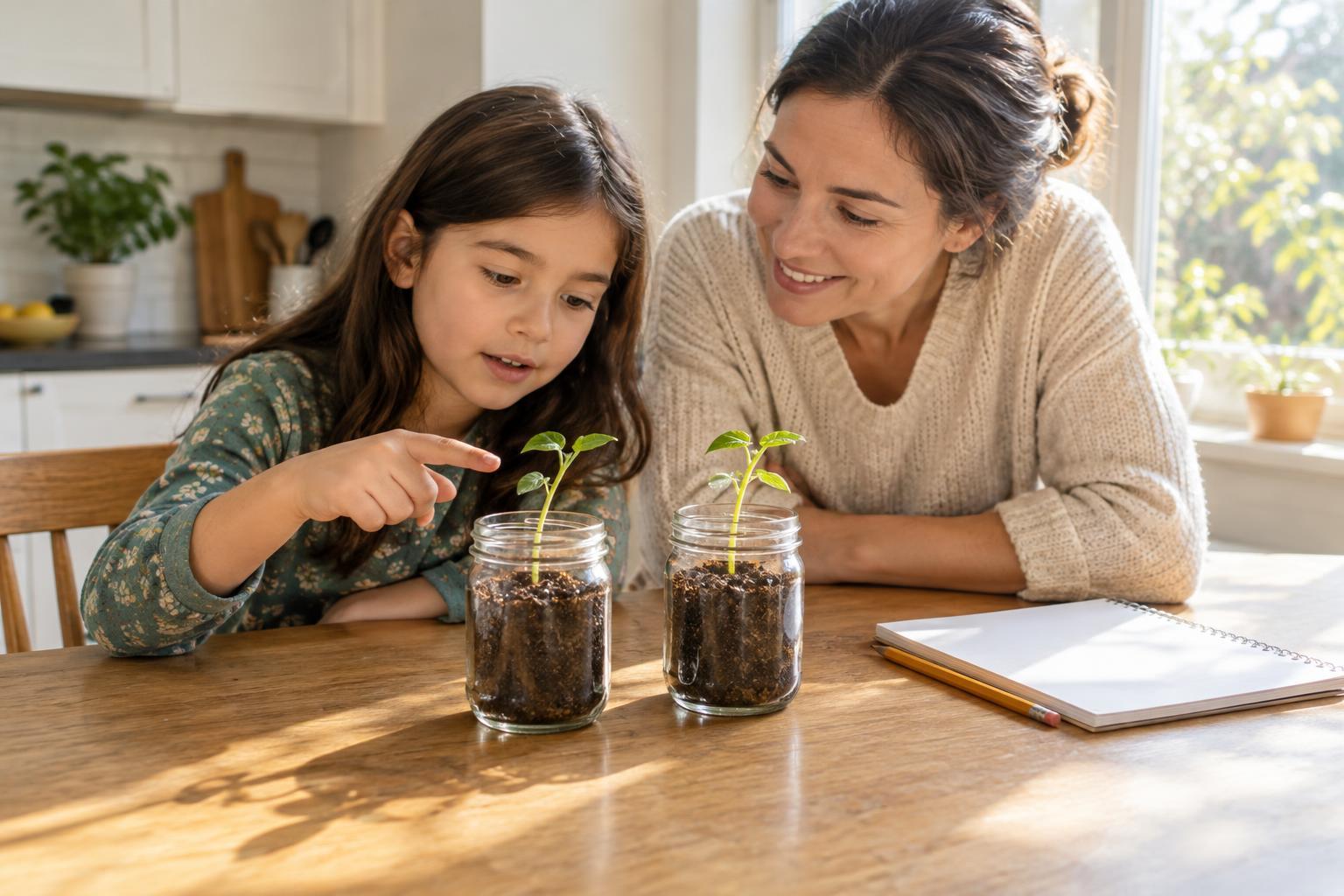
Questions can be simple without being trivial. “Does a larger shadow appear when the flashlight is closer to the toy?” gives a child two things to compare. “Which fabric holds more water?” invites them to observe what happens to equal-sized pieces of cloth after adding the same amount of water. If a question requires tools or conditions you do not have, make it smaller. You can explore how a seed changes over several days without trying to answer every question about how plants grow.
Make the comparison fair enough to learn from
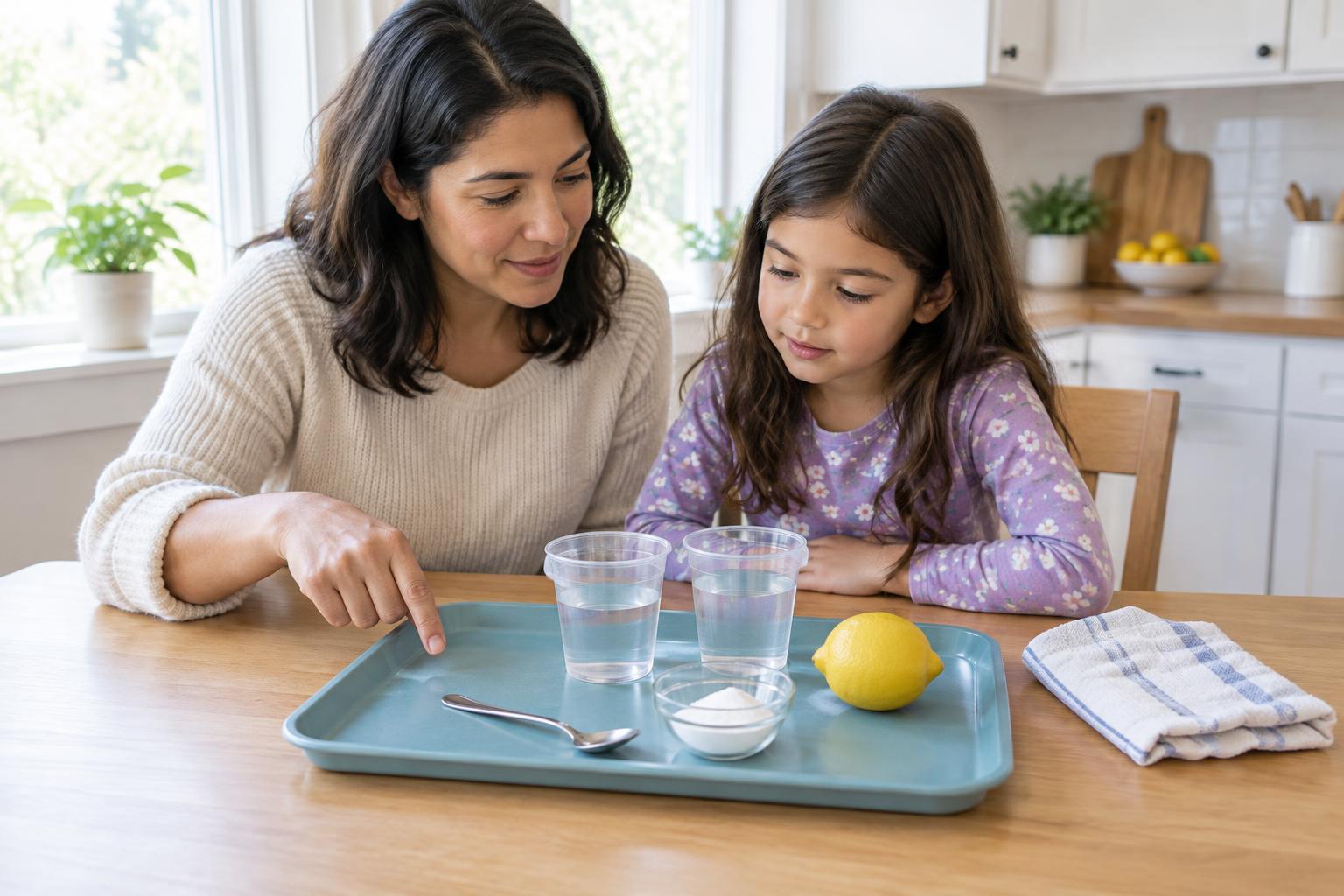
Once you have a question, decide what will stay the same. If you are comparing two paper airplane designs, use the same kind of paper and launch them from the same spot. If you are testing shadows, keep the toy in place while you move the flashlight. These choices make it easier to connect an observed difference to the thing you changed. Young children do not need a lesson in technical terms to understand the idea: change one thing, then look for what happens.
Everyday tests are rarely perfect. A plane may catch a draft, and a child may throw with different force each time. Repeating a trial can help you see whether a result happens again. You might mark landing spots with scraps of paper or compare shadow outlines traced on a page. If the results vary, that is worth noticing rather than hiding. Ask what else might have changed and whether there is a way to try again.
Let children predict, record and revise
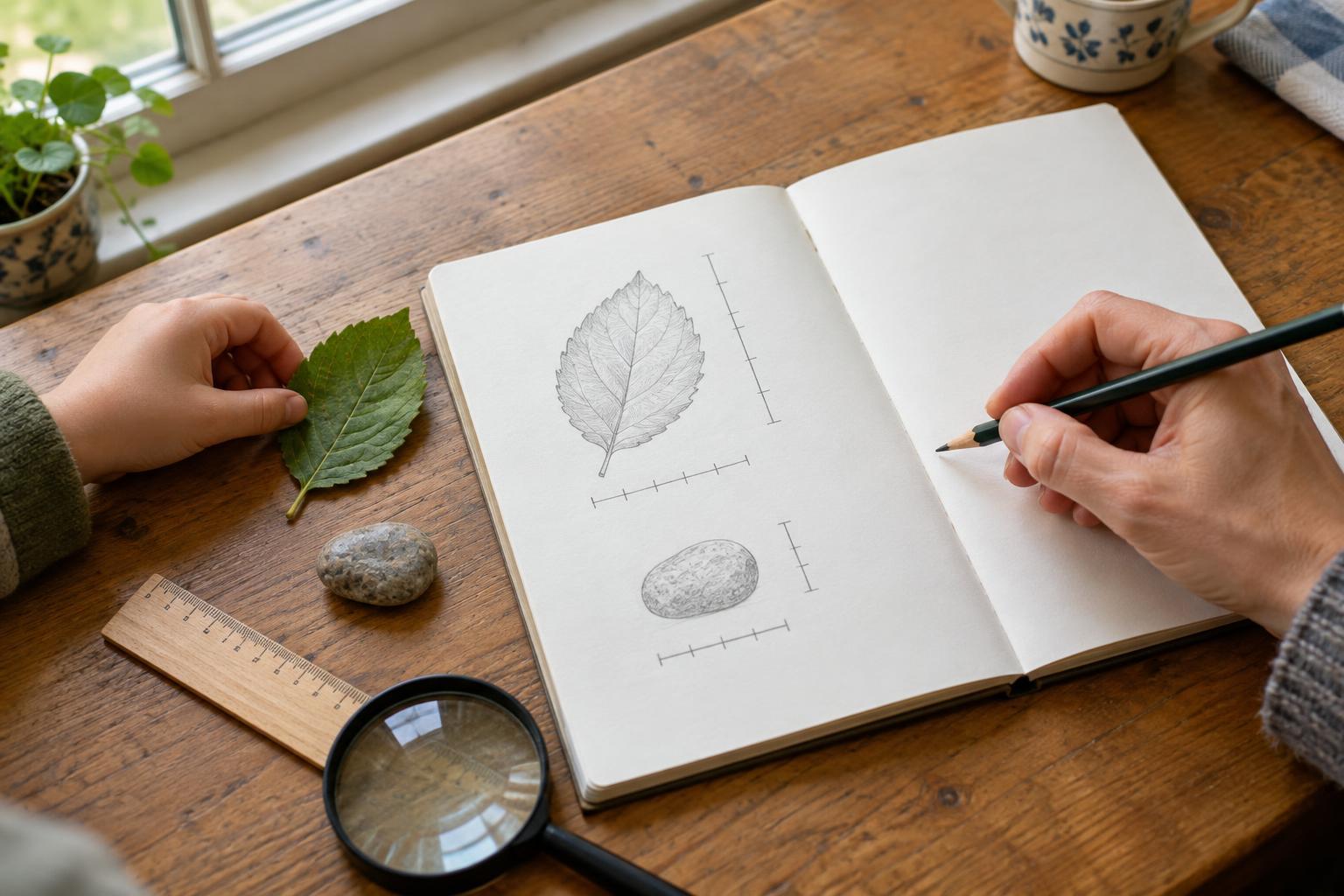
Before the test, invite a prediction: “What do you think will happen, and why?” A prediction is a starting idea, not a promise to be right. Afterward, help your child record what they observed with a drawing, a few words, tally marks or measurements they can manage. For a series of airplane flights, a page with two columns—one for each design—may be enough to show the pattern.
When the result surprises you, resist calling the attempt a failure. Compare the prediction with the observation: “We thought the taller tower would cast a longer shadow, but our drawings look almost the same. What should we check?” Perhaps the light moved between tests, or perhaps your question needs a clearer way to measure the shadow. Revising a question is part of investigating, and children can take an active role in deciding what to try next.
Keep the investigation manageable and safe
Pick materials that suit your child’s age and the space you have. Paper, water, fabric scraps, blocks and a flashlight can support many questions. An adult should handle any tools or materials that pose a risk, and activities involving heat, chemicals, sharp objects or tasting unknown items are best avoided. A short test that leaves time for conversation can teach more than an elaborate setup that loses the child’s interest.
To close, ask what your child knows now and what they still wonder about. Their first question may lead to another: after testing airplane wing tips, they may want to compare different paper. You do not need to settle every “why” in one afternoon. Helping a child ask a question they can explore, notice the result and think about what it might mean gives their curiosity room to grow.