Start with what your child knows about themselves
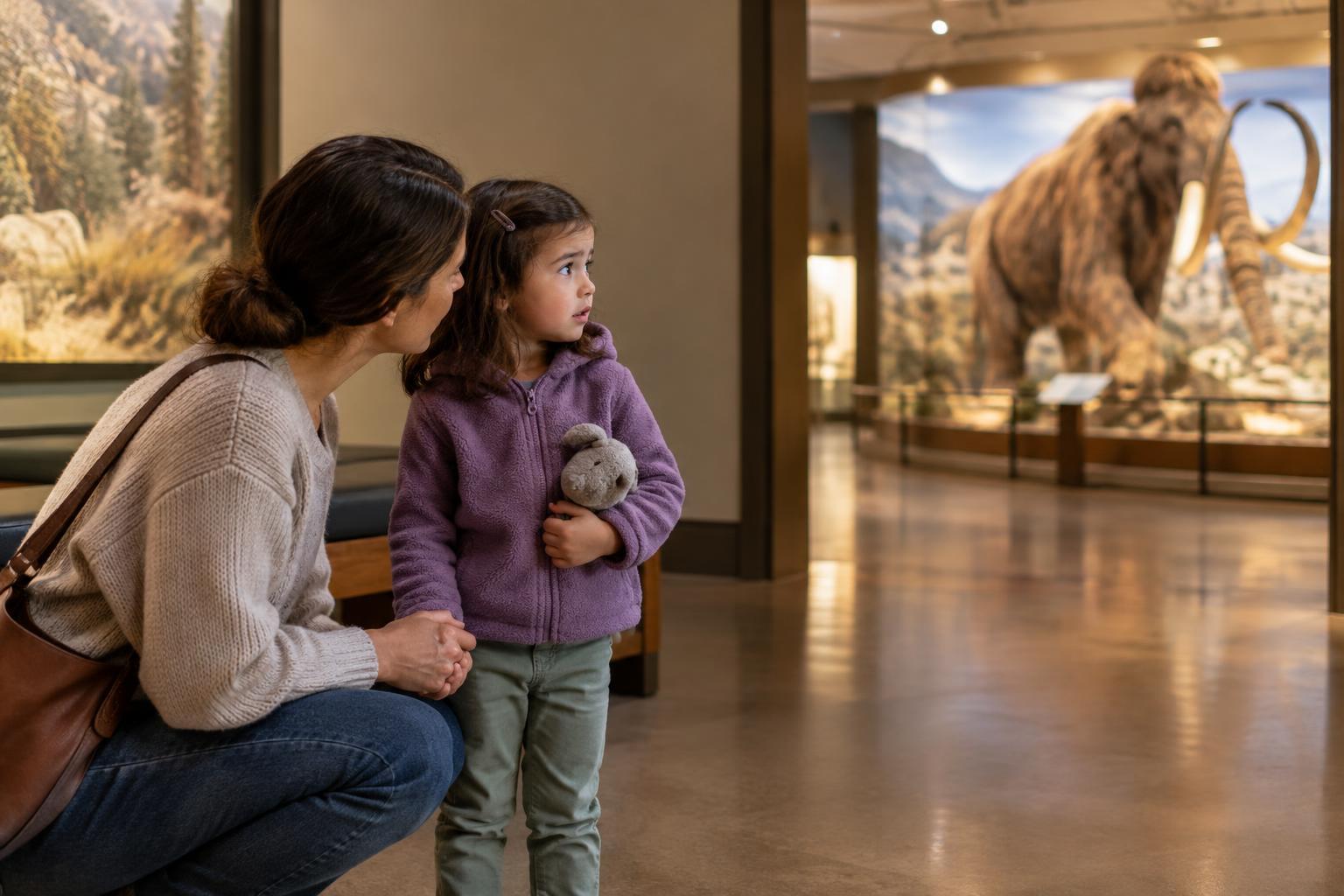
A successful museum visit does not have to mean seeing every gallery. It might mean studying one fossil, trying one hands-on activity, or spending a calm half hour looking at paintings. Before making plans, talk with your child about what they hope to see and what might feel difficult. Bright lights, echoing rooms, crowded entrances, unexpected sounds, and the feel of interactive materials can affect children differently. Ask what has helped them in other busy places, and take their answers seriously.
Keep the conversation concrete. You might say, “Some rooms could be noisy, and we can leave a room whenever we need to.” If your child likes knowing the order of events, sketch a simple plan: arrive, find the restroom, explore one exhibit, take a break, then decide what comes next. Make clear that changing the plan is allowed. The goal is not to build tolerance for discomfort; it is to make room for curiosity without pressure.
Look for useful details before you go
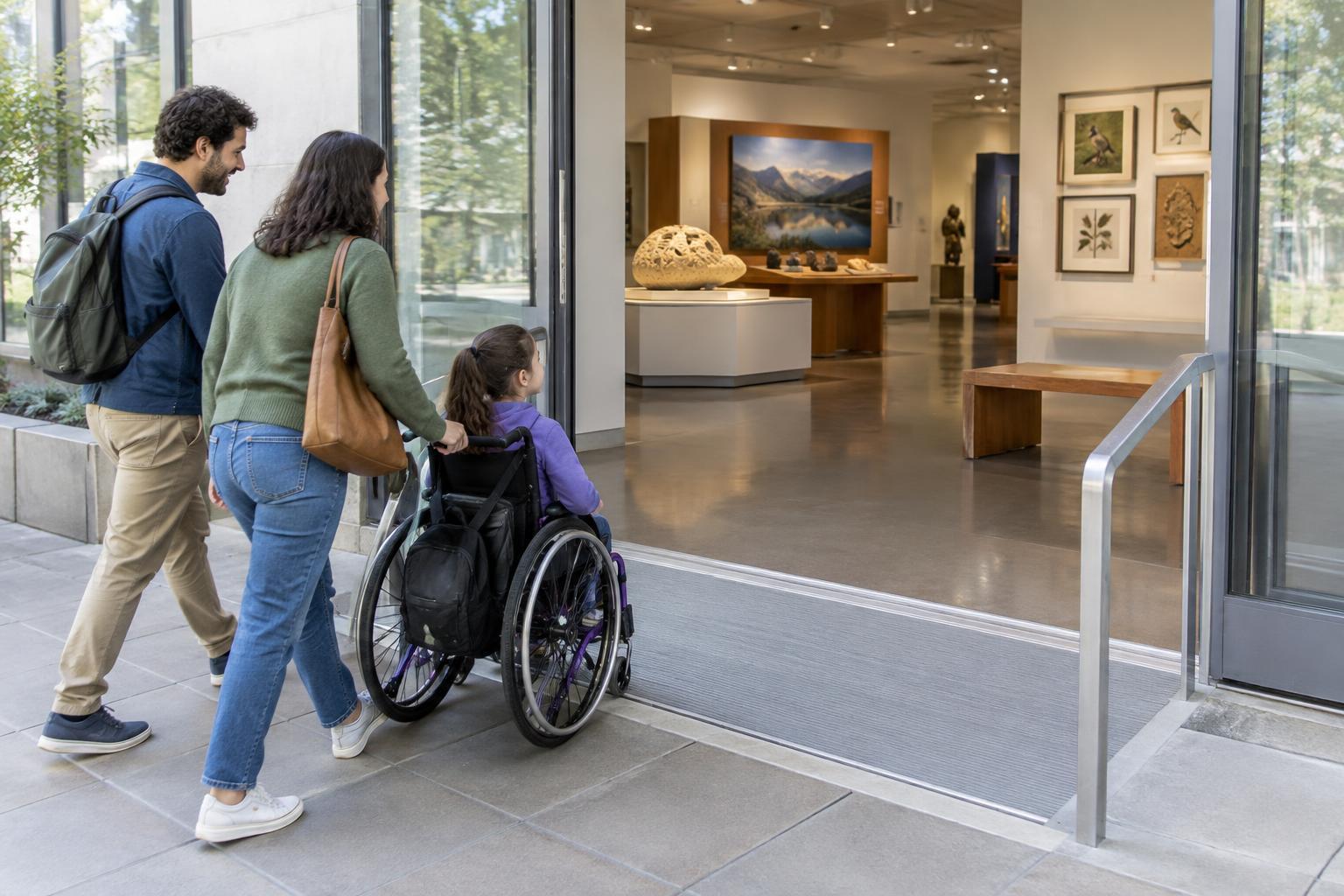
A museum’s website may offer a floor map, accessibility information, photographs of galleries, or notes about quieter times. These can help you identify an exhibit your child would enjoy and a place to pause nearby. If the information is unclear, consider contacting the museum with specific questions: Are there timed demonstrations with loud sounds? Is there a quiet space or a low-traffic area? Can visitors step outside and return on the same ticket? Policies and facilities vary, so it is worth checking rather than assuming.
Choose a manageable starting point instead of planning a route through the whole building. If possible, let your child see pictures of the entrance and the exhibit you hope to visit. You can also describe ordinary parts of the trip, such as waiting in line, checking a bag, or speaking with a staff member. Familiarity will not remove every surprise, but it gives your child a clearer picture of what the day may involve.
Pack supports and plan for pauses
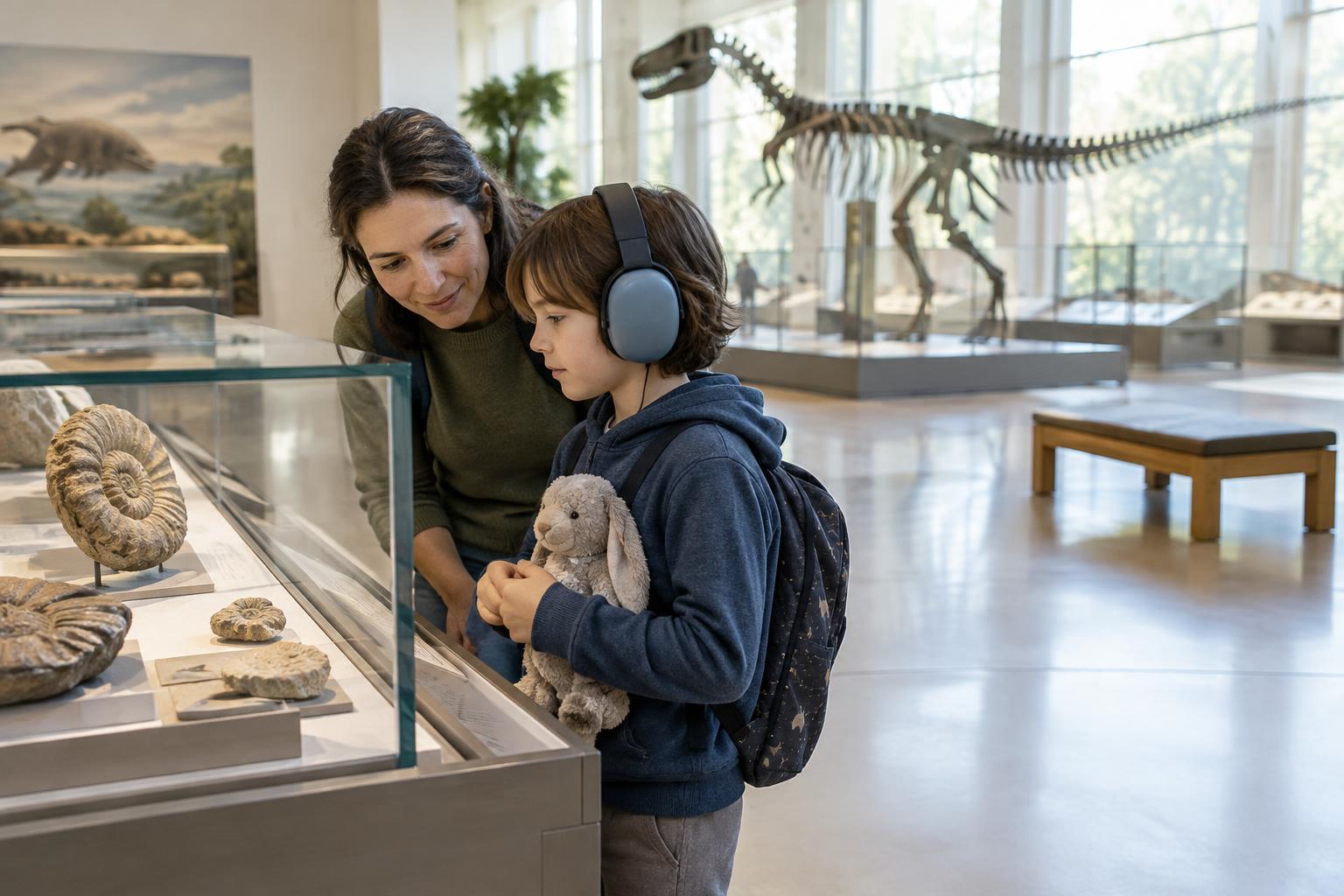
Bring items your child already finds helpful, within the museum’s rules. These might include ear defenders, a familiar small object, a water bottle, or a snack for an appropriate break area. Comfortable clothing can matter, too, especially if your child is bothered by seams or changing temperatures. Check bag, food, and drink policies ahead of time so an item your child relies on does not have to be put away unexpectedly.
Build pauses into the plan before anyone is overwhelmed. A bench, lobby corner, courtyard, or nearby outdoor spot may offer a chance to rest; not every museum has a dedicated quiet room. Notice signs that your child is ready for a break, and agree on an easy way for them to ask for one. You might use a phrase such as “pause please” or a simple hand signal. Stepping away is part of the visit, not a failure of it.
Let the child set the pace inside
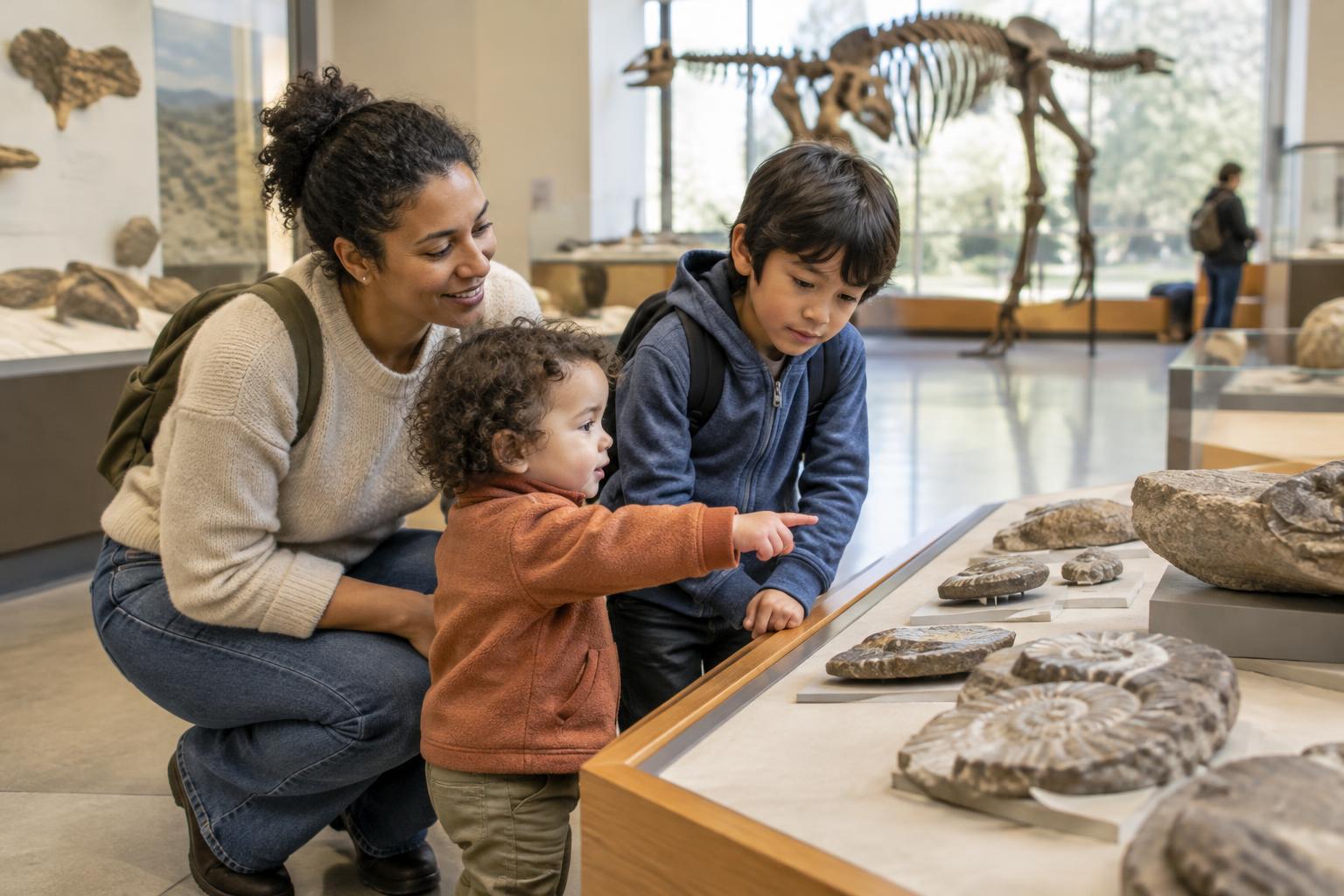
At the museum, orient yourselves before heading into an exhibit. Find the restroom, point out an exit from the gallery, and check whether the space looks or sounds as expected. Offer small choices: “Would you like to look at this case or that model first?” A child who wants to linger over a single object is still learning. There is no need to rush onward to make the trip feel worthwhile.
Interactive areas can be especially appealing, but they may also be crowded or loud. Watching from a little distance is a valid way to explore before joining in. If an activity does not feel comfortable, describe what you notice together and move on. Follow the museum’s guidance for touching objects and using exhibits, while giving your child permission not to participate. A shorter visit that ends while everyone is doing well can leave a better memory than an ambitious route that becomes exhausting.
Carry the discovery home
Afterward, invite your child to share what stood out without requiring a full recap. They could draw a favorite object, build something inspired by an exhibit, or tell you one thing they would like to see again. If talking about the trip feels like too much, let it wait. A museum visit can spark questions days later, when your child spots a related shape, material, or idea in everyday life.
Make a brief note for yourself about what worked: the time of arrival, the spaces your child enjoyed, the supports they used, and when a break helped. Those details can guide a future outing, whether it is another museum or a neighborhood walk. Each visit is a chance to learn about the place and about the conditions that help your child explore it comfortably.