Choose a visit that fits your day
Start with a simple question: what kind of outing would suit your family today? A large museum can invite hours of wandering, while a smaller exhibition may work better as one stop in a wider day out. You do not need to see everything for the visit to be worthwhile. Choosing one gallery, object, or theme to explore gives children a manageable starting point and leaves space for unexpected discoveries.
Before making plans, check the museum’s own website for its current opening days and hours. Look for differences between general admission and the hours of a particular exhibition, café, or activity. Holiday schedules and special events can change the usual timetable. If you have a long journey, check again shortly before you leave, especially if you are relying on a specific opening time.
Understand tickets before you go
Ticket arrangements vary. Some museums offer general admission without a ticket, while others charge for entry, special exhibitions, or activities. Look at what each ticket includes rather than assuming one purchase covers every part of the building. Check age bands, family tickets, and any discounts that may apply to your group. If a child needs their own ticket even when admission is free, it is useful to know that before arrival.
Read the practical details alongside the price. Can tickets be bought at the door, or must they be booked in advance? Are they valid for a particular day or entry time? If plans change, can you move or cancel the booking? Keep the confirmation somewhere easy to find, and check whether the museum accepts a digital ticket or asks for a printed one. For a group visit, make sure the booking covers everyone who is coming.
Check for reservations and timed entry
A reservation is not always the same thing as an admission ticket. A museum might ask visitors to reserve a time for a popular exhibition, a family workshop, or an interactive space. Even when general entry is flexible, a booked activity may have a fixed start time. Read the instructions for each part of your visit so you know where to check in and whether you need to arrive early.
Try not to pack the schedule too tightly. Children may want to linger at an exhibit, take a break, or ask questions along the way. If you are booking more than one activity, allow time to move between spaces and find essentials such as restrooms. A plan with one firm reservation and plenty of open time is often easier to enjoy than an itinerary that depends on everything running exactly to schedule.
Map the journey and the arrival
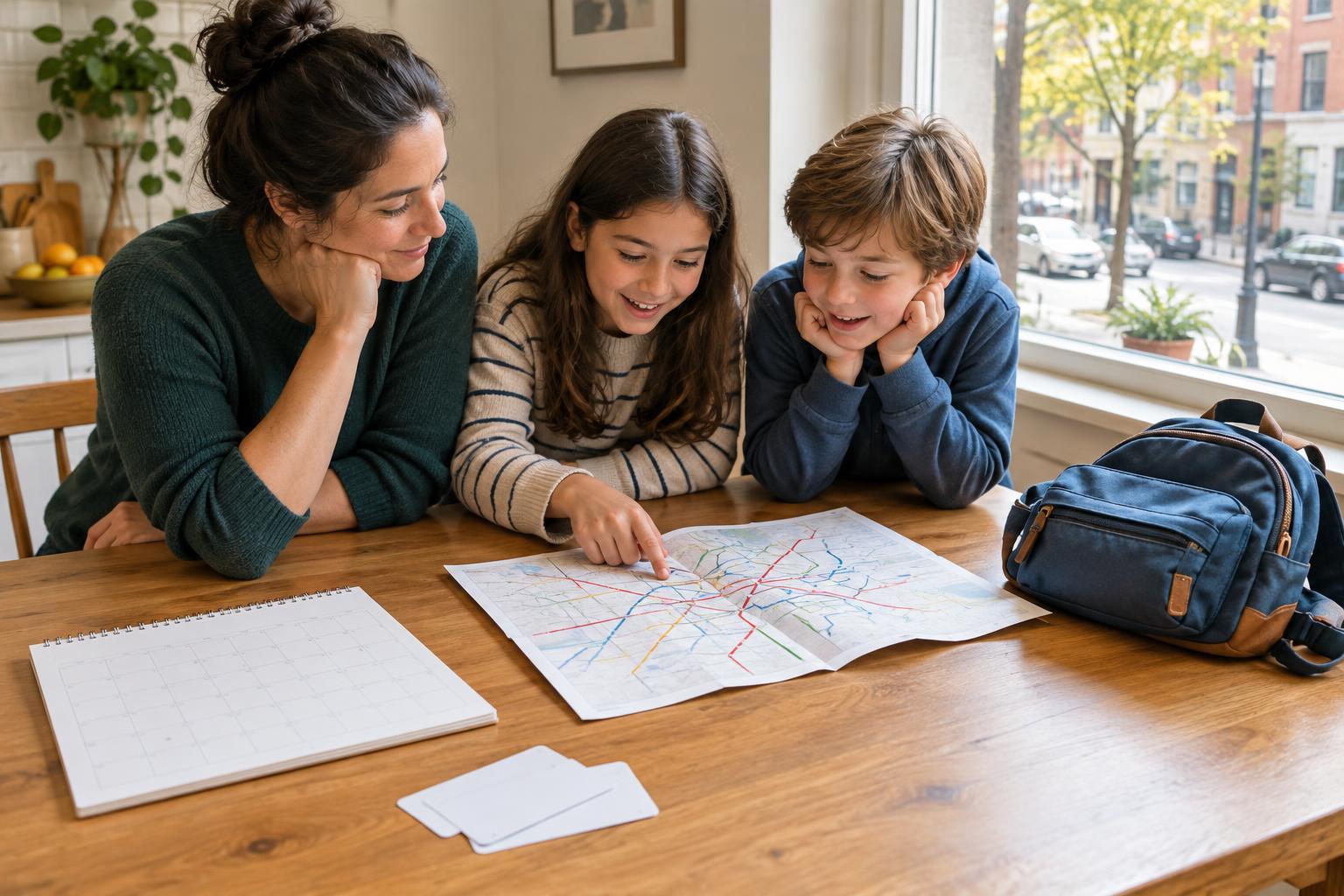
Work backward from the time you hope to enter. Check the museum’s address and which entrance visitors should use; the nearest-looking door is not always the public entrance. If you are driving, look up parking options, costs, and the walk from the parking area. If you are using public transport, check the stop, route, and walking distance. Build in a little extra time for finding your way, especially on a first visit.
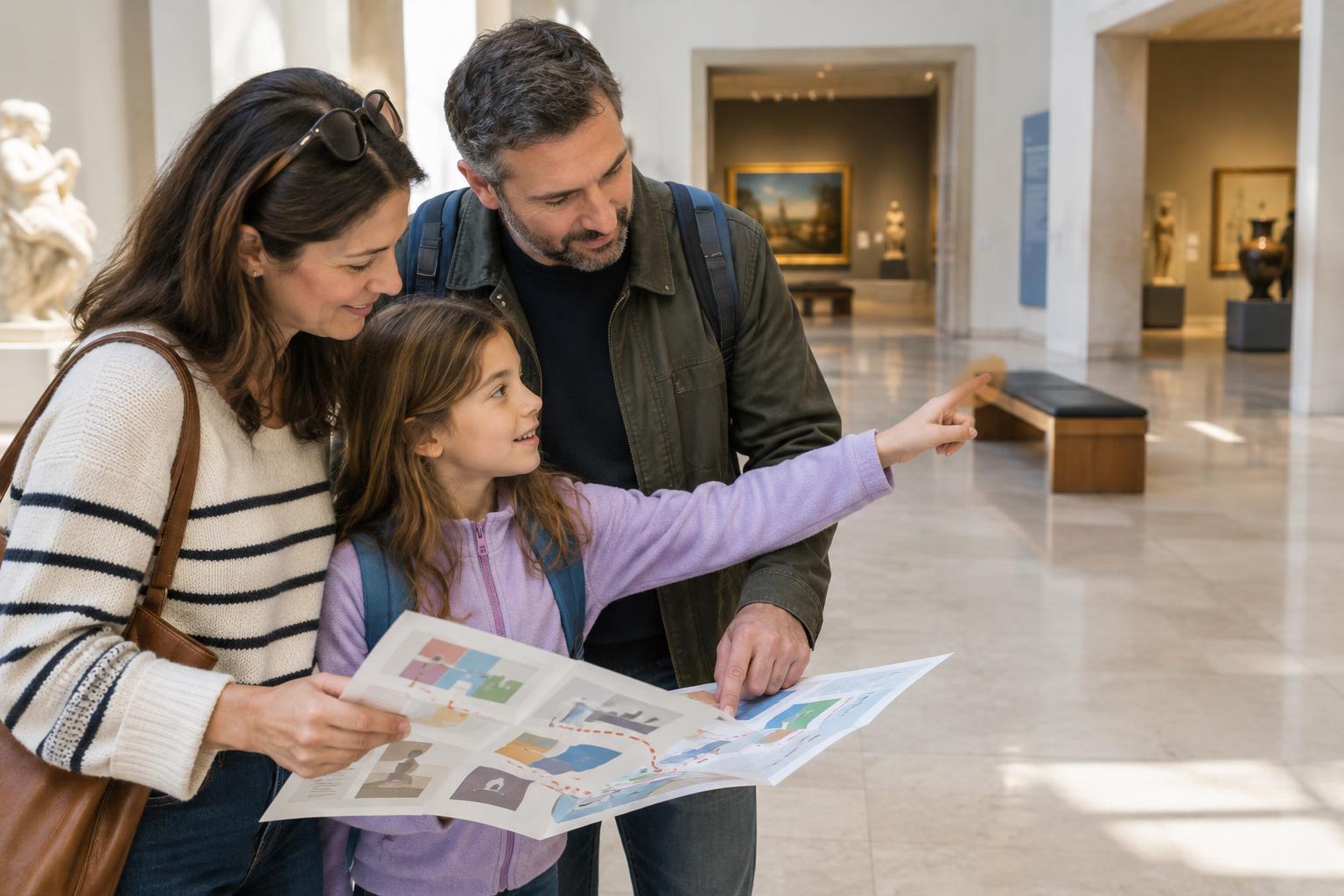
Arrival details matter for a comfortable family outing. Look for information about step-free access, stroller rules, bag policies, lockers, and places to eat or refill water. If someone in your group has a specific access need, the museum’s visitor information can help you decide what to ask before you travel. A quick look at the floor plan, when one is available, can also help you identify a good place for a break.
Keep a flexible plan for the day
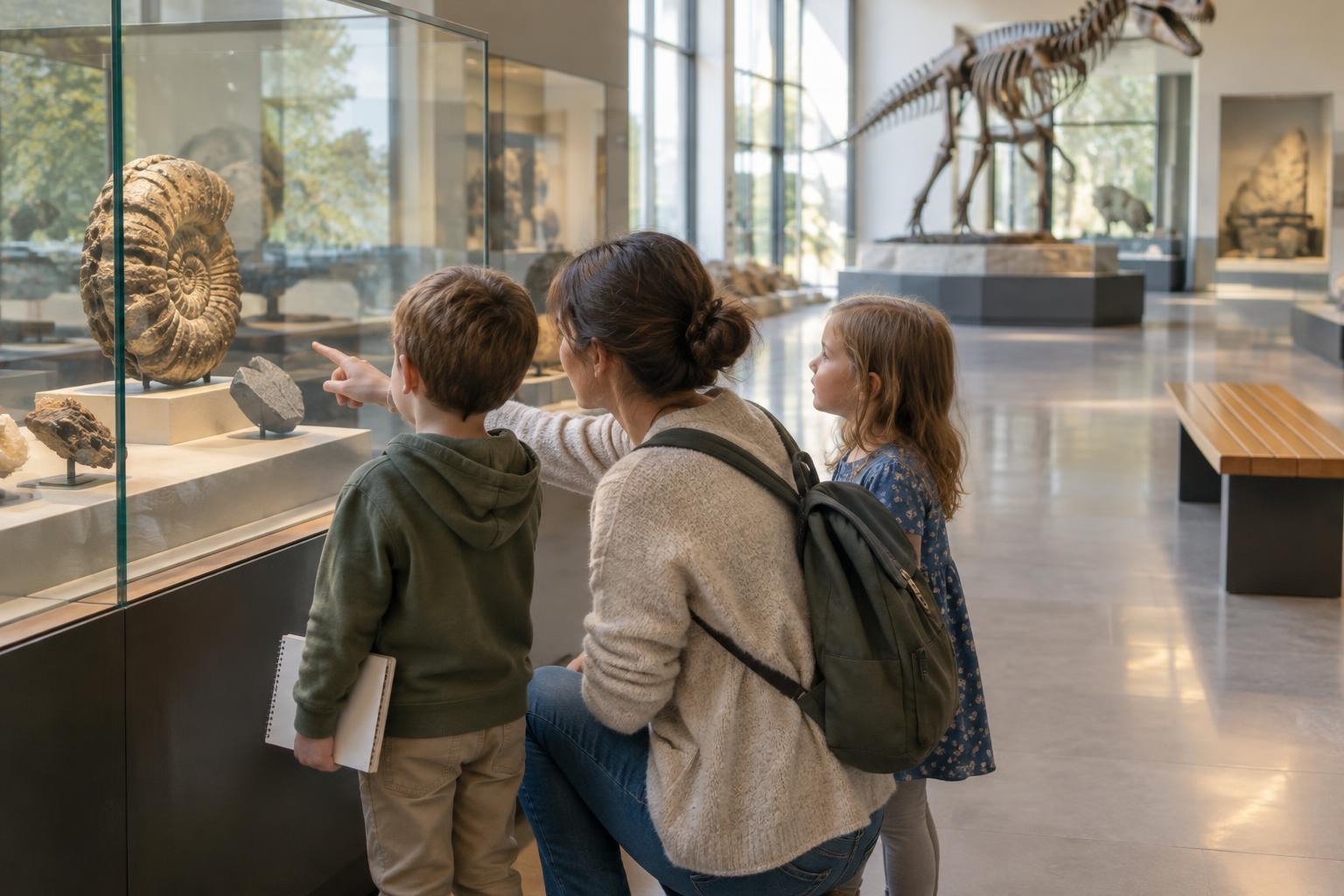
The night before, gather the essentials: booking details, travel information, weather-appropriate clothing, and any items permitted by the museum that will help your family feel comfortable. Invite children to choose one thing they hope to find, such as an animal, a surprising machine, or an object connected to the neighborhood. Their choice can turn the first few minutes into a shared search rather than a rush to cover every room.
Once you arrive, let the logistics do their job in the background. Confirm any timed entry, locate restrooms, and agree on a meeting point if your group may split up. Then slow down. A successful museum visit is not measured by the number of exhibits seen. It may be a thoughtful question, a sketch of a favorite object, or a conversation that continues on the journey home.