Start with a simple picture of the visit
For a child who has never been to a museum, the word “museum” may not explain much. Describe it in familiar terms: a place where people look closely at objects, pictures, specimens or stories and ask questions about them. Some museums have things visitors can touch; others ask visitors to look without touching. You do not need to promise a particular experience. The goal is to replace a big unknown with a few understandable expectations.
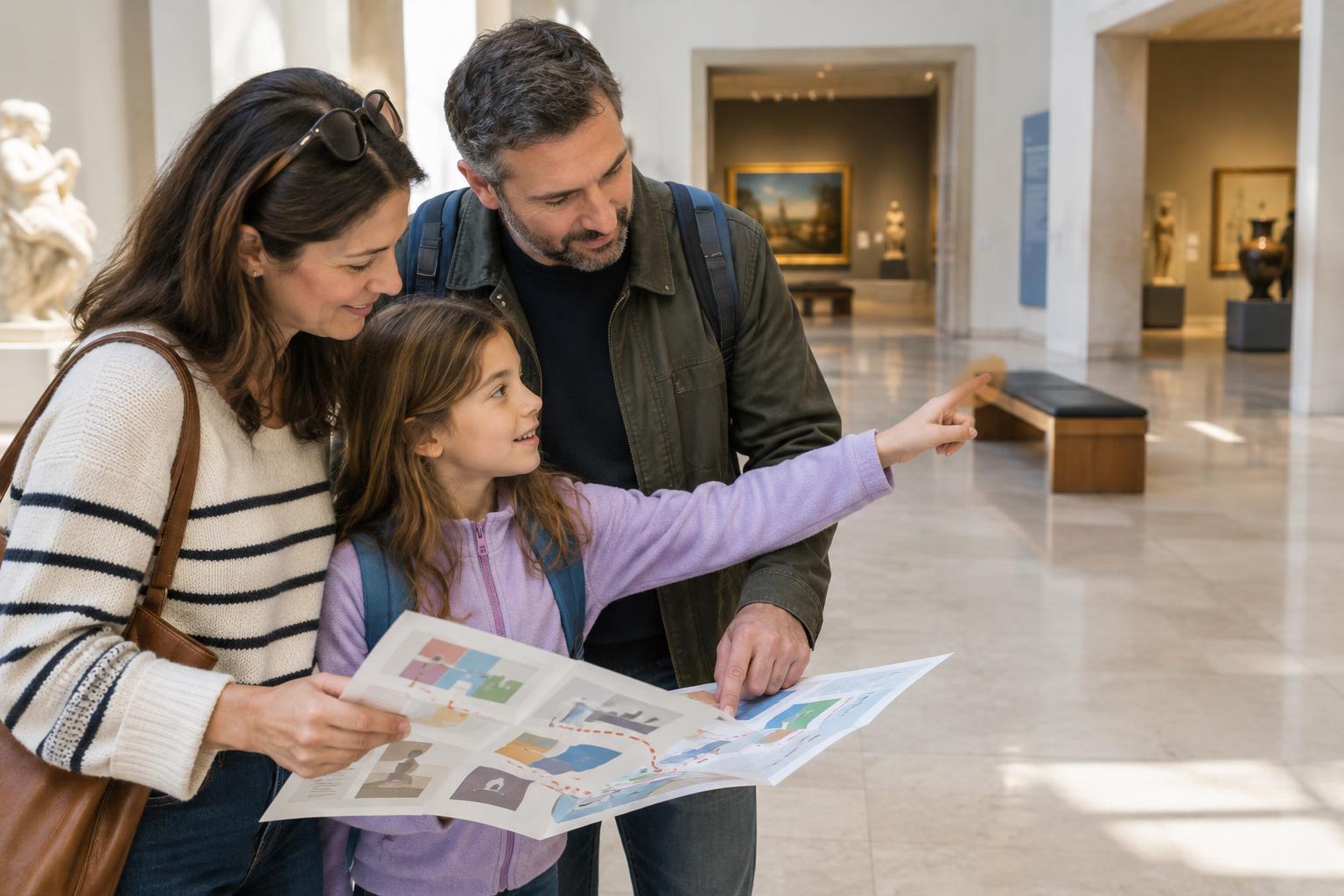
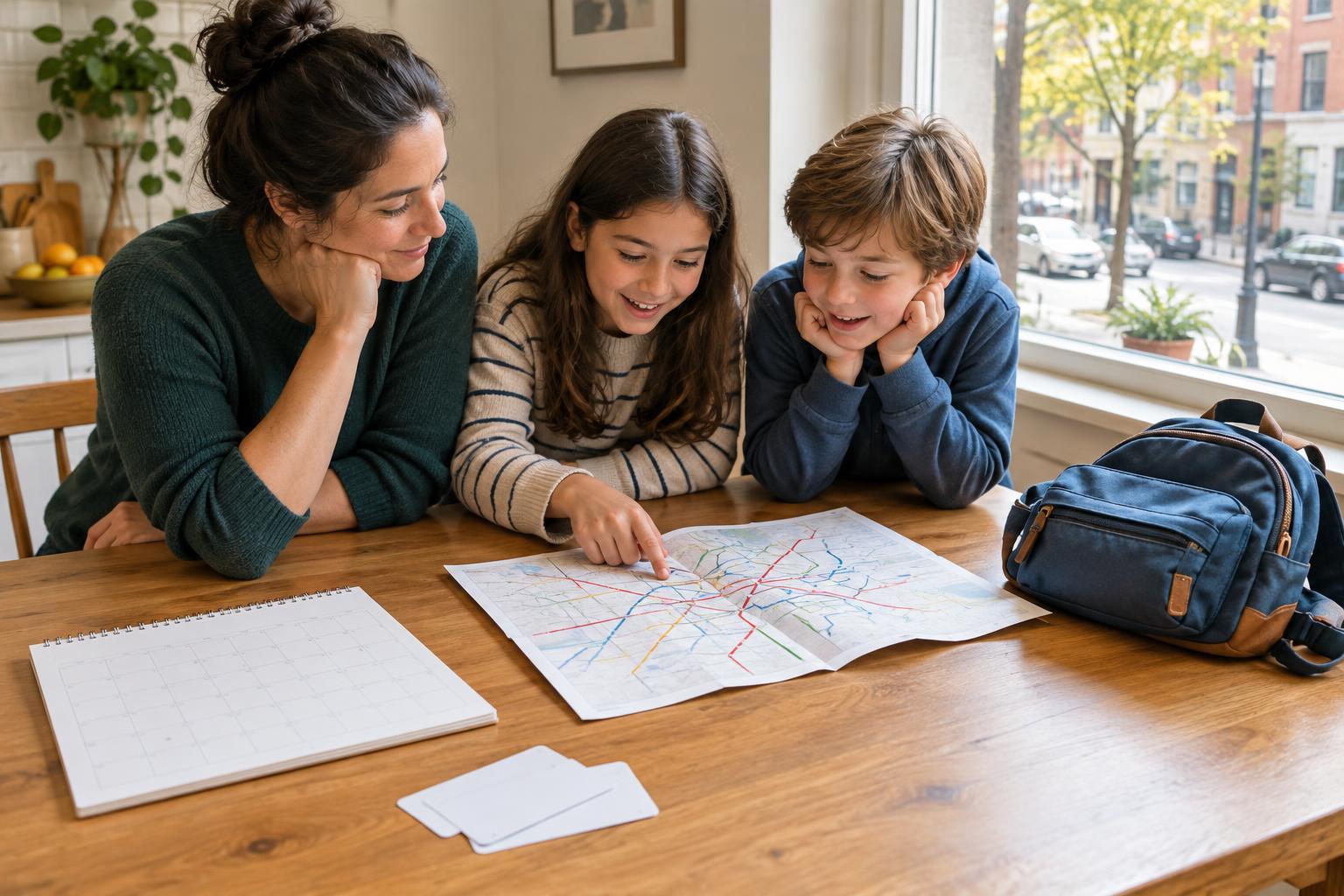
Tell your child what the day may involve: traveling there, entering a building, finding a place to put coats if needed, exploring together and going home. If the museum provides a visitor map or information about exhibitions, you can use it to pick one or two things to look for. Keep the plan small enough to change. A child who feels captivated by one display may get more from staying with it than from hurrying through five rooms.
Choose a mission, not a checklist
A tiny mission gives children a way to participate without turning the outing into a test. Invite your child to find an object with an interesting shape, a color that appears more than once or something that reminds them of home. You might ask, “What would you like to look at first?” If they have no answer, offer two choices rather than a long list.
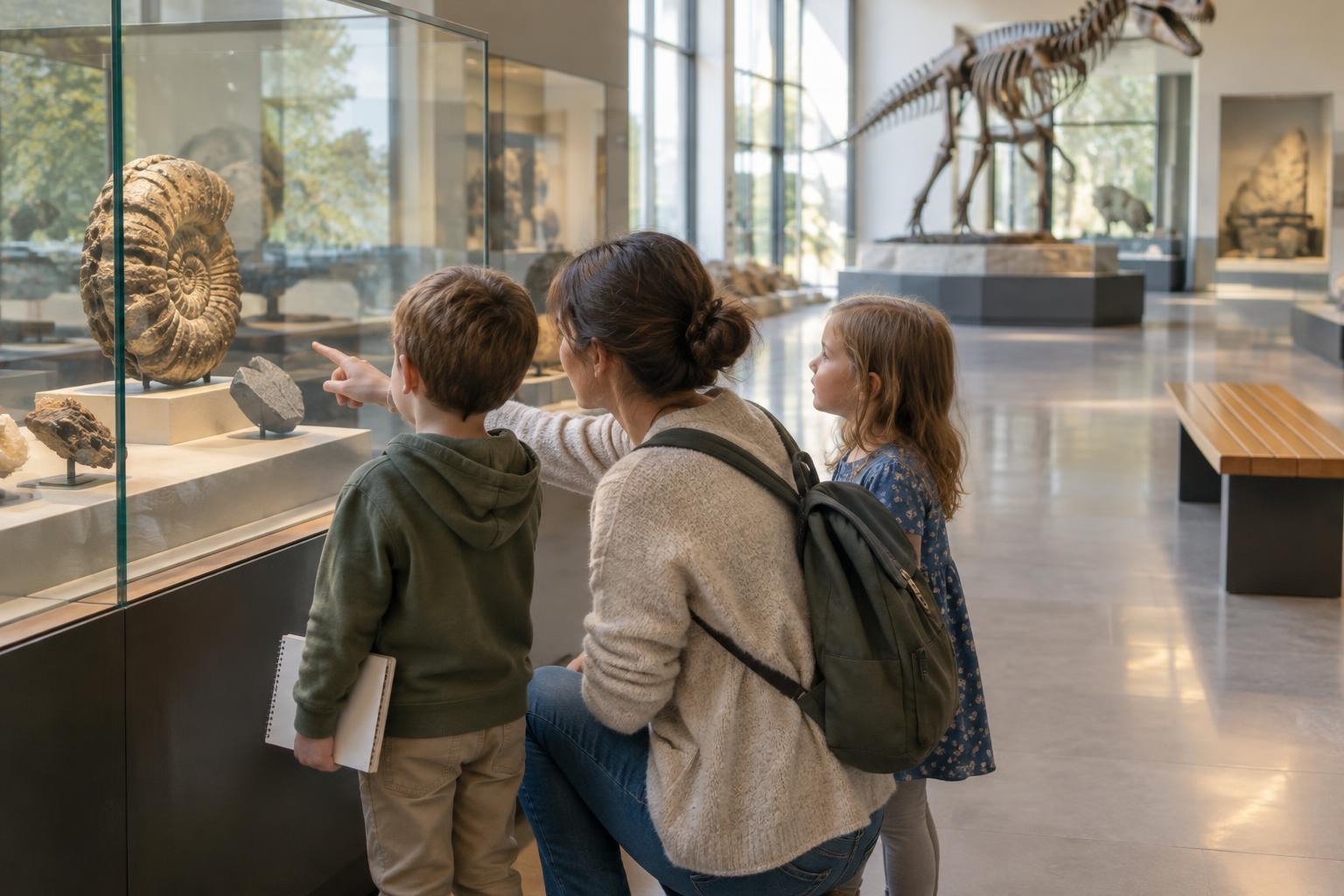
Build the mission around noticing, not finding the “right” facts. A child might be drawn to the shadow beside a sculpture instead of the sculpture itself, or to the tiny details in an old photograph. Follow that attention when you can. Questions such as “What do you notice?” and “What do you wonder?” make space for conversation without requiring an adult to know every answer. Reading a label together can be one way to investigate a question, but it need not interrupt every discovery.
Practice museum habits together
Before you go, talk about the difference between looking and touching. Explain that rules can vary by room or exhibit, so you will check signs and follow staff guidance together. At home, try a playful practice round: place an everyday object on a table and explore it with your eyes. What can you tell about its size, texture or purpose without picking it up? Then ask what you still cannot know. This turns a restriction into an invitation to observe.
You can also practice staying close to one another and using an indoor voice, while making clear that questions are welcome. Children do not need to be silent to be thoughtful visitors. If your child likes to move, plan for chances to stretch or walk between quieter moments. A short reminder at the entrance is usually easier to remember than a long set of instructions delivered days ahead.
Make room for comfort and breaks
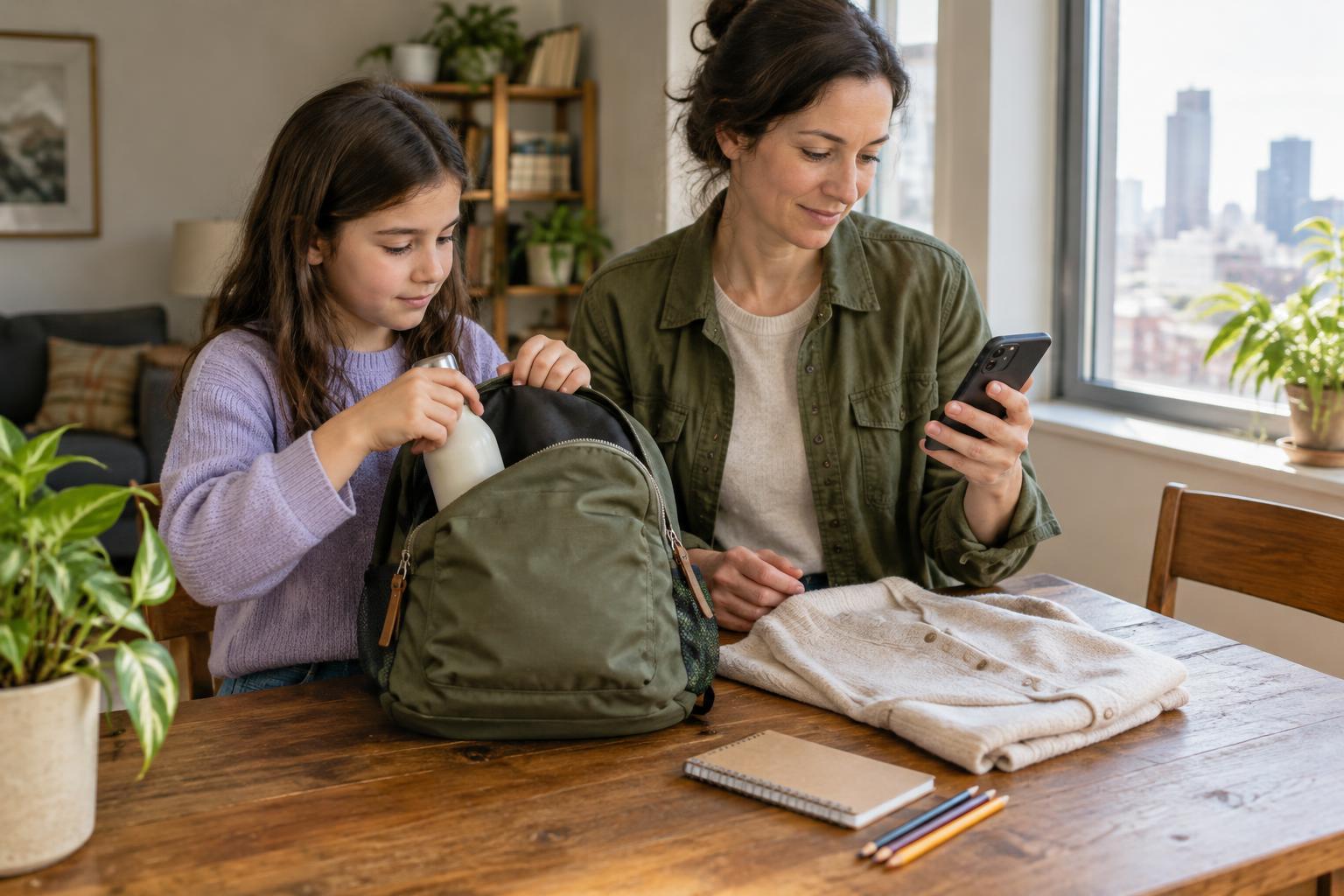
New buildings can feel busy, quiet, bright or unfamiliar in different ways. Check the museum’s visitor information for practical details that matter to your family, such as opening hours, admission, accessibility, food rules and whether bags or strollers are allowed. Pack what you normally need for an outing, while keeping the museum’s policies in mind. If a child is sensitive to noise or crowds, consider what helps them feel comfortable and identify a place to pause once you arrive.
Set an easy exit plan before anyone is tired: “We can explore one area, take a break and decide what to do next.” A successful first visit might last less time than you expected. A snack in an allowed area, a drink of water or a few minutes outside may help reset the day. If your child wants to leave, that is useful information, not a failed outing. Ending while the experience still feels manageable can leave them curious about returning.
Keep the conversation going afterward
On the way home, ask which object, room or moment your child remembers. Their answer may surprise you: a staircase, a sound or a question they still have might matter more than the exhibit you planned to see. Share one thing you noticed, too. There is no need to quiz them on labels or ask them to summarize everything they learned.
Later, turn one memory into a small activity. Draw an object from memory and compare drawings, arrange household objects as a miniature display or invent a label that explains why a favorite item matters to your family. If a question remains unanswered, write it down to explore another day. The first visit is not about seeing the whole museum. It is a chance to help a child discover that their own observations belong there.