Start with what is actually there
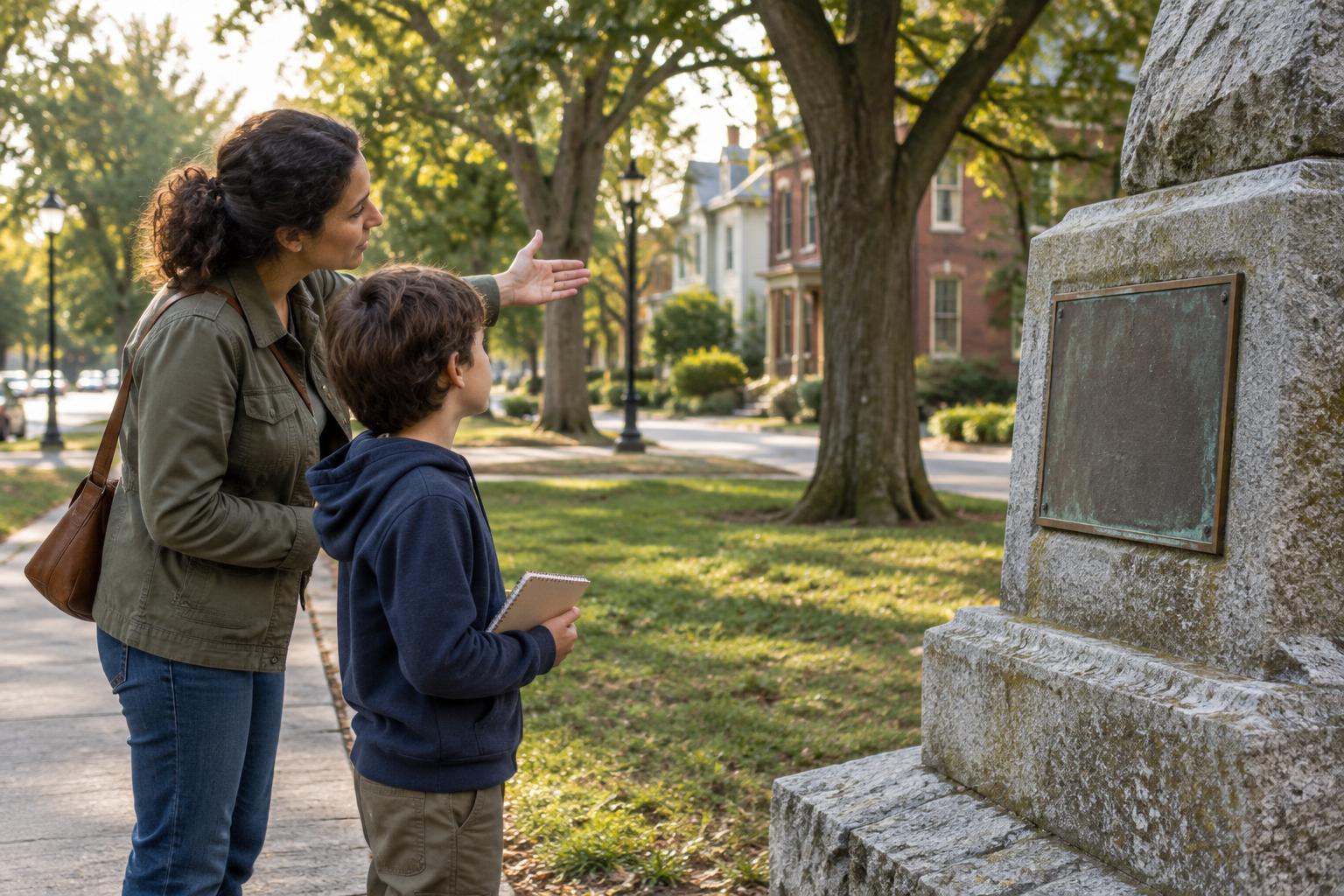
A plaque on a wall or a monument in a park can make the past feel close. It names people, describes an event or marks a place where something happened. Yet it is not the event itself. It is an object made later, using words and materials chosen by people. Reading it as a historical source means asking what it shows us and what we would need to learn elsewhere.
On a neighborhood walk, invite children to look before reading. What is the object made of? Where has it been placed? Is it easy to spot, or might someone walk past without noticing? Look for a date on the object, then read the inscription slowly. Children can sketch it or copy a few words into a notebook. These first observations give everyone something concrete to discuss, even when the language on the plaque is difficult.
Ask who is speaking
A useful question is, “Who made this, and for whom?” Sometimes a plaque names the group that installed it. Sometimes it does not. Its wording can still offer clues. Does it celebrate a person’s achievements, explain a building’s former use or ask visitors to remember a loss? Words such as “heroic” or “progress” express a point of view. Children can practice separating the information given from the judgment expressed: “The plaque says this building was a school” is different from “The plaque calls its opening a great achievement.”
Pay attention to time, too. The date an event happened may differ from the date a monument was installed. If both appear, ask why people might have chosen to mark the event at that later moment. There may not be enough information on site to answer. Writing down the question is more useful than guessing. The object can be evidence of the past it describes and of the people who later decided to commemorate it.
Notice whose stories are missing
Short inscriptions have limited space, and every account involves choices. A marker about a factory might name its owner but say little about the workers, nearby residents or changes to the land. A monument to a public figure may describe an accomplishment without addressing people affected differently by that person’s actions. This does not mean a family has to settle the entire history during one walk. It does mean the inscription should be a starting point, not the last word.
Try asking, “Who else might have been here?” and “What would we need to know to understand their experience?” Encourage possibilities without presenting them as facts. Younger children might imagine the different jobs involved in a place’s daily life; older children can list questions they would want another source to answer. If a monument uses hurtful language or honors someone whose actions caused harm, acknowledge that people may respond to it differently. It is all right to pause, listen and keep learning.
Compare clues, not just conclusions
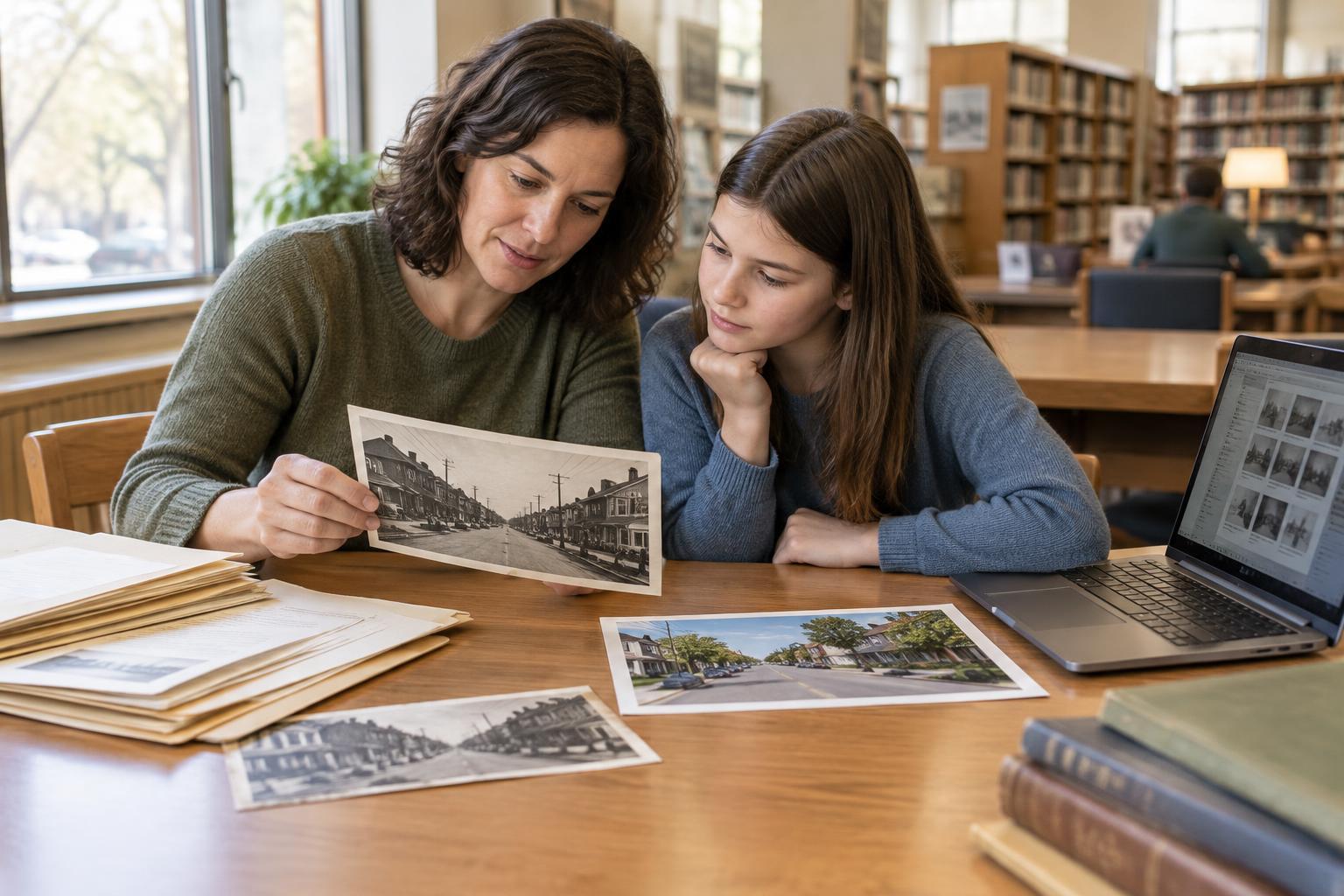
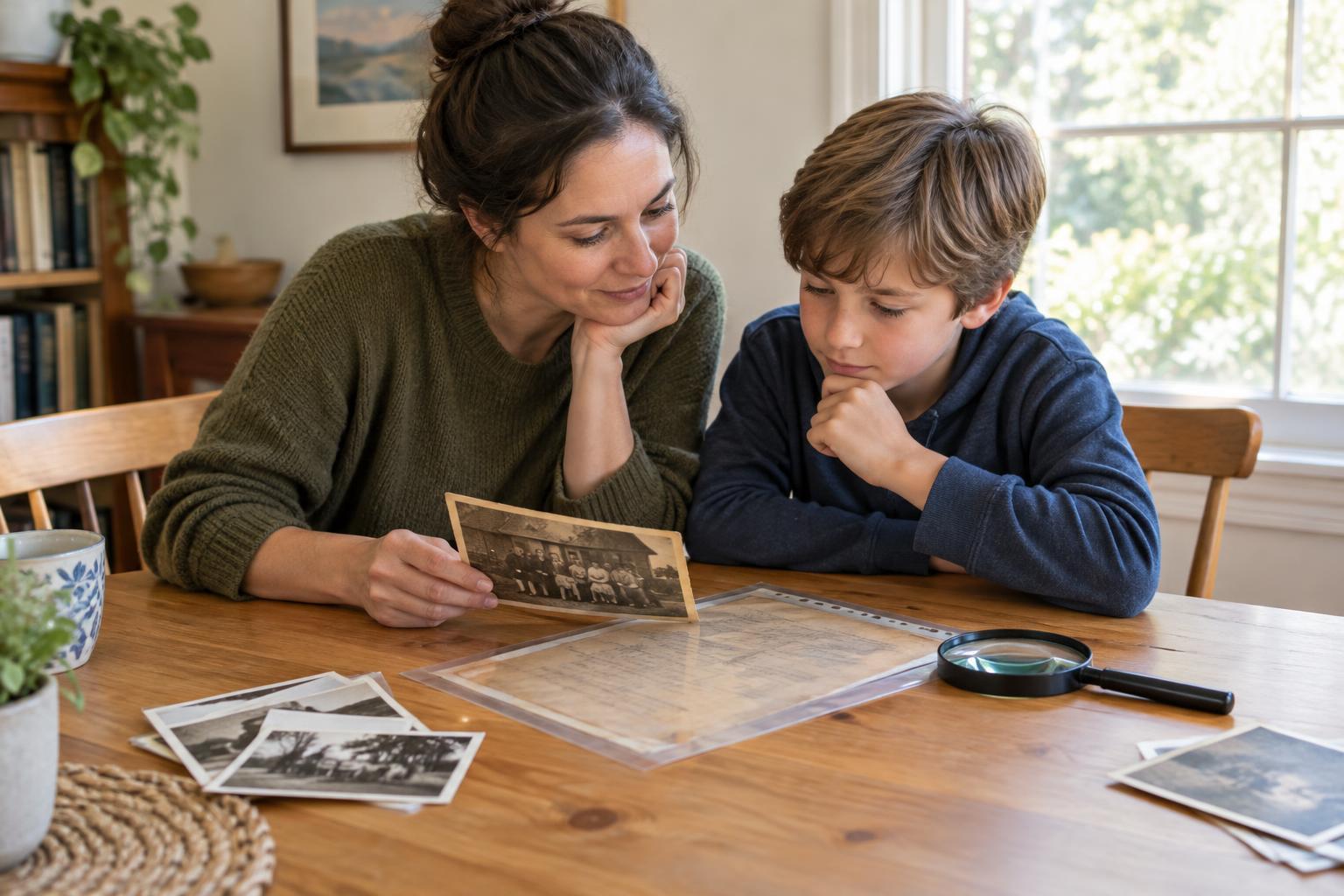
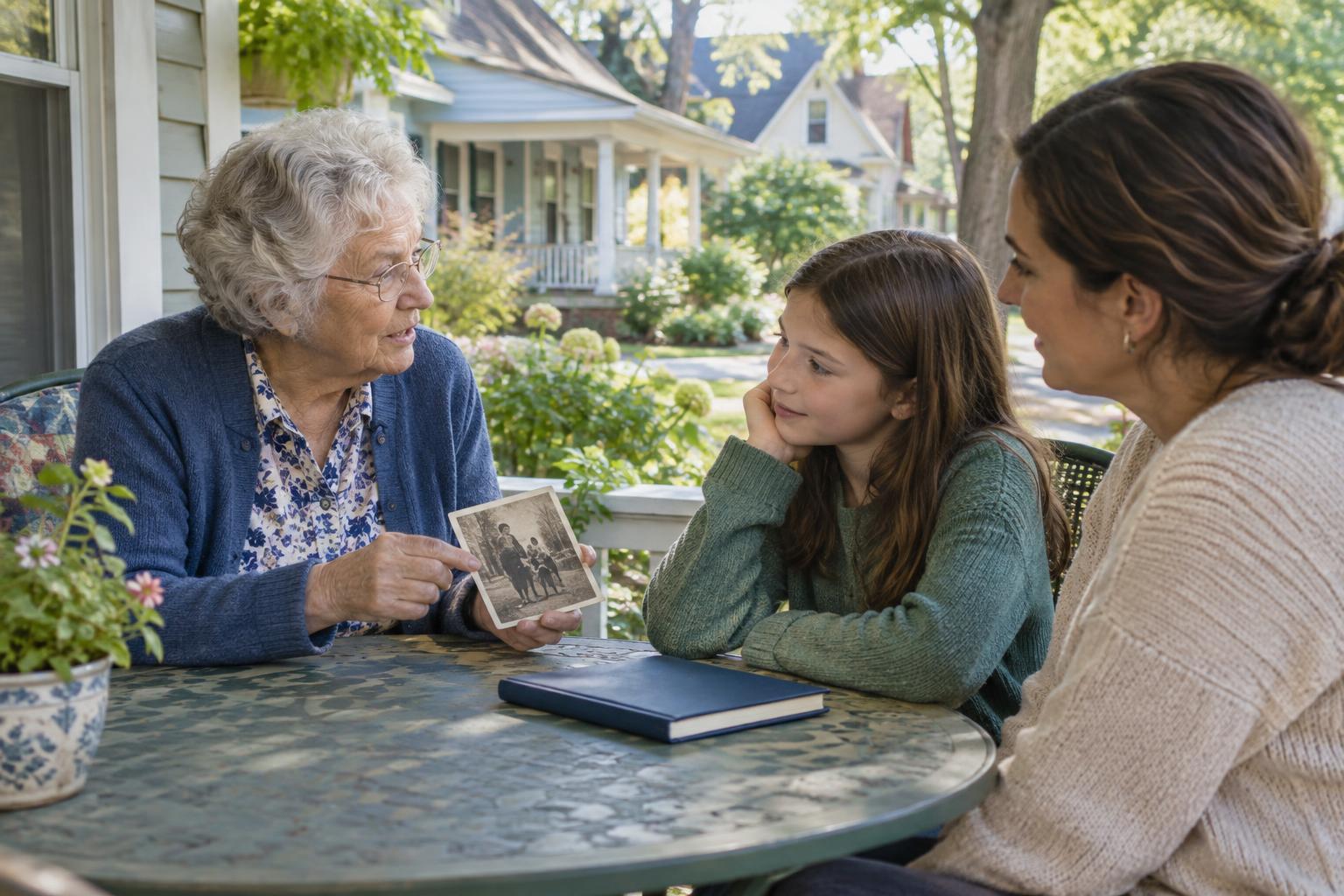
One source rarely carries a complete account. After a visit, families can look for another kind of clue: an old photograph, a map, a local history book, a newspaper clipping or an exhibit label. If these are available through a library, archive or museum, compare what each includes. Does a map show how the street changed? Does a photograph reveal a building missing from today’s view? Does another account name people absent from the plaque? Differences can lead to better questions rather than an immediate verdict about which source is “right.”
Make a simple two-column page labeled “What the marker tells us” and “What we still want to know.” Place only information the marker actually provides in the first column. In the second, include questions about its maker, wording and missing viewpoints. This small habit helps children distinguish an observation from an inference and gives a future library or museum visit a purpose.
Make room for more than one story
To finish, invite children to draft an additional label, not a replacement presented as fact. They might write three sentences: one detail observed at the site, one question the original marker raises and one perspective they would like to investigate. A drawing could show both the monument and its surroundings, including the paths people take through the space today. Keep the original wording visible in notes so the new label responds to what is really there.
The goal is not to make every walk into a test. It is to build a way of noticing: a monument tells us something about a place, and its design tells us something about how that place has been remembered. When families look closely, ask whose voice they are hearing and remain curious about other evidence, a familiar corner can become an invitation to explore local history with care.