Plan for different kinds of attention
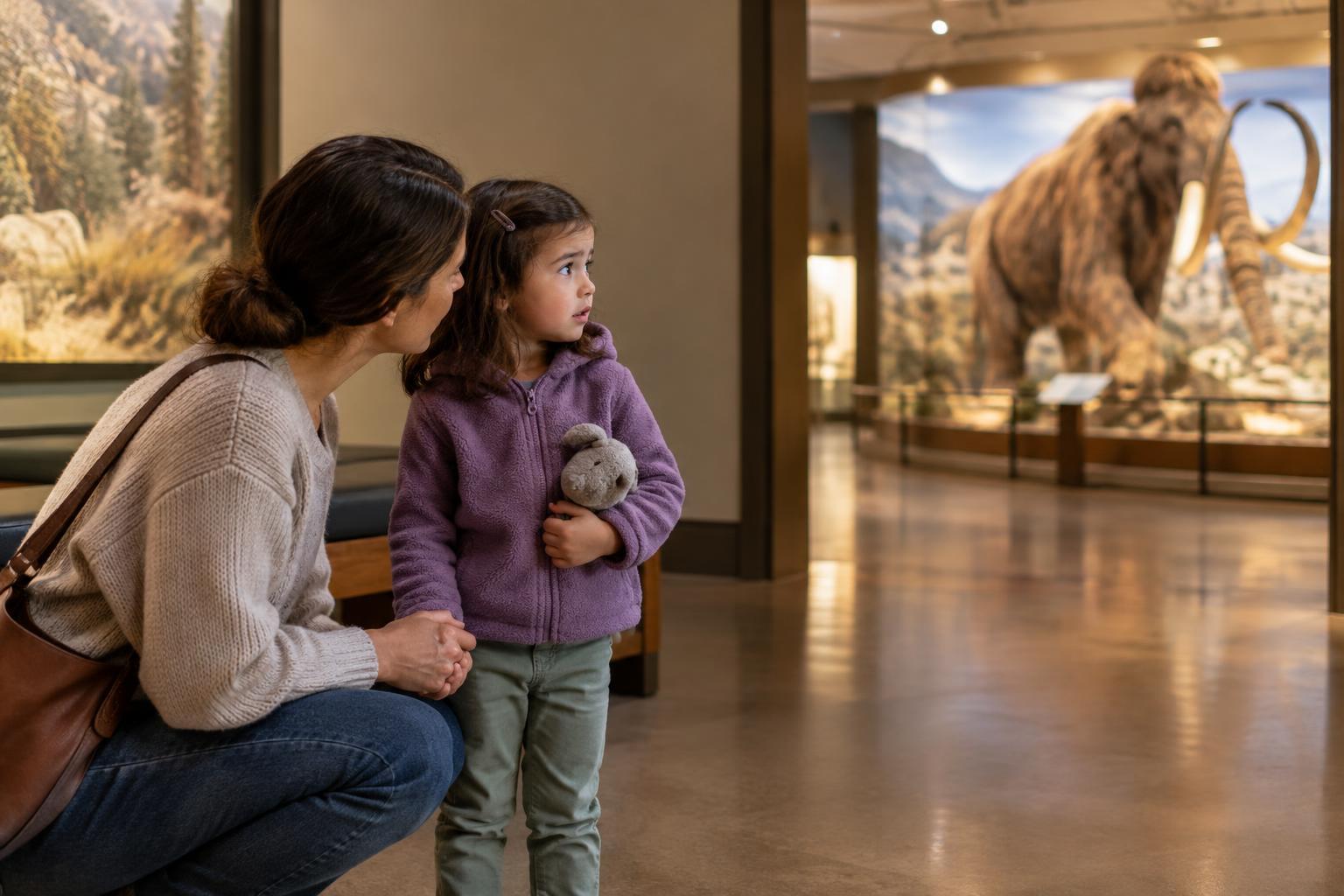
A toddler may be delighted by a staircase, a bright color, or the sound of footsteps. An older child may want to read every label or ask detailed questions. Neither way of visiting is wrong. The trick is to plan a visit that makes space for both, rather than expecting everyone to follow the same route at the same speed.
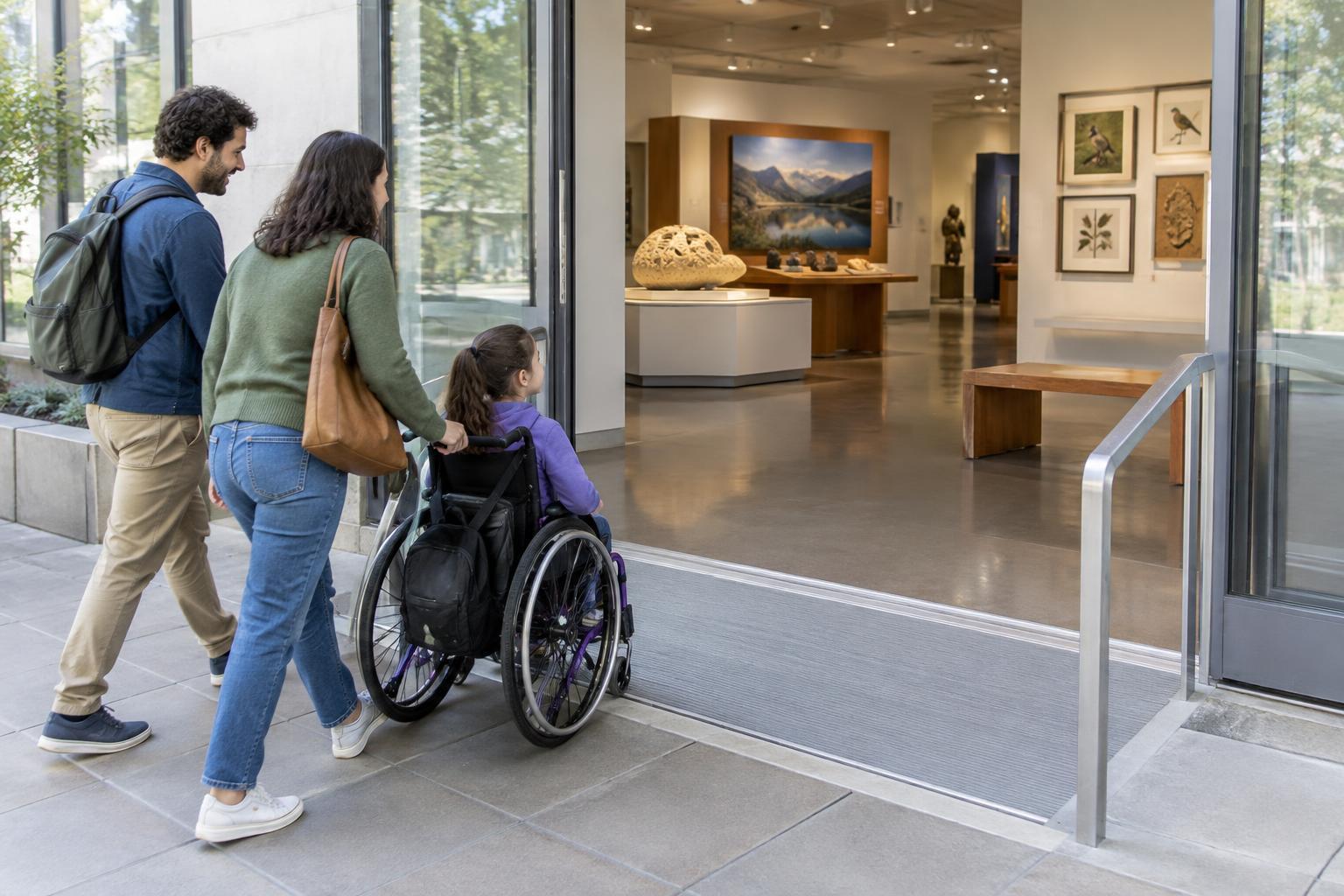
Before you go, choose one modest goal, such as seeing a particular gallery or finding three objects connected by a theme. Check the museum’s website for opening hours, ticket arrangements, bag and stroller rules, and any spaces intended for families. If a map is available, identify restrooms and a possible place to pause. Treat the rest of the visit as a bonus, not a checklist.
Give everyone a job they can enjoy
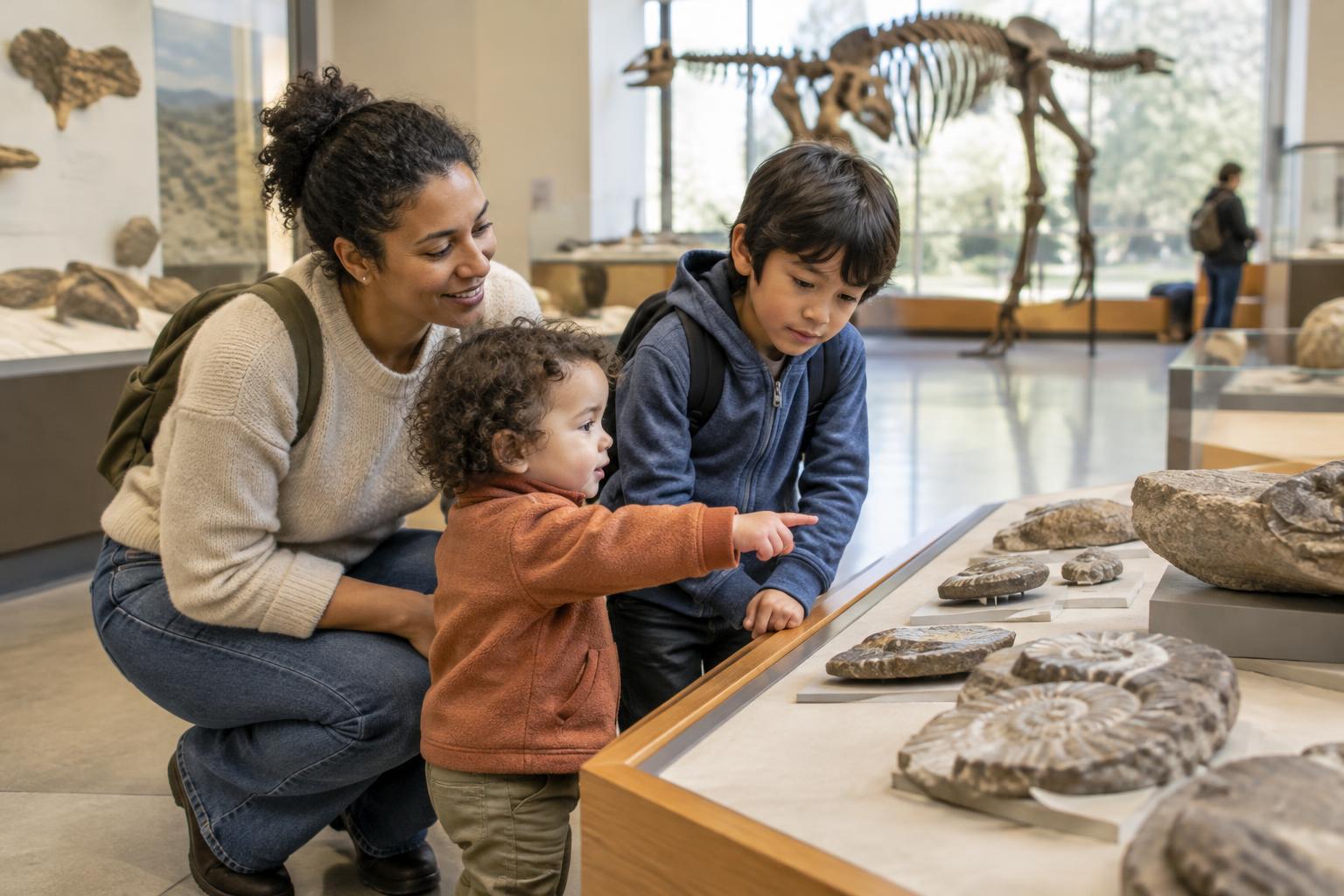
A shared mission can help siblings feel like a team. Try looking for circles, animals, tools, or signs of how people lived in another time. Toddlers can point, name colors, or copy a shape with their hands. Older children can search for details, compare two objects, or suggest a question for the group to investigate. The activity should be easy to drop when something else catches their interest.
Older children may appreciate helping choose between two galleries or deciding which object to revisit. That gives them some independence without making them responsible for managing a younger sibling. Invite them to share what they notice, but do not require them to explain every display. They deserve time to look closely at something that interests them, too.
Move in short loops, not a grand tour
Instead of trying to cover the whole building, explore one small area and then reset. Look at a few objects, step aside to talk, and decide whether to continue. A toddler who has stopped engaging may need movement, food, or a quieter moment rather than another explanation. Short loops also give older children a clear promise: you can return to the display they wanted to examine after the break.
Use simple questions that work across ages. “What do you notice first?” lets a toddler point and an older child describe a detail. “What might this have been used for?” invites guesses without turning the visit into a test. When touching is not allowed, looking from different distances or finding a similar shape elsewhere can keep hands and minds busy.
Make room for breaks and boundaries
Museum rules can vary from room to room, so read signs and explain expectations in concrete terms: walk near the displays, use quiet voices when needed, and touch only when invited. A reminder before entering a gallery is often more useful than a long list of rules at home. If you are visiting with more than one adult, agree on a simple way to regroup when children want to move at different speeds.
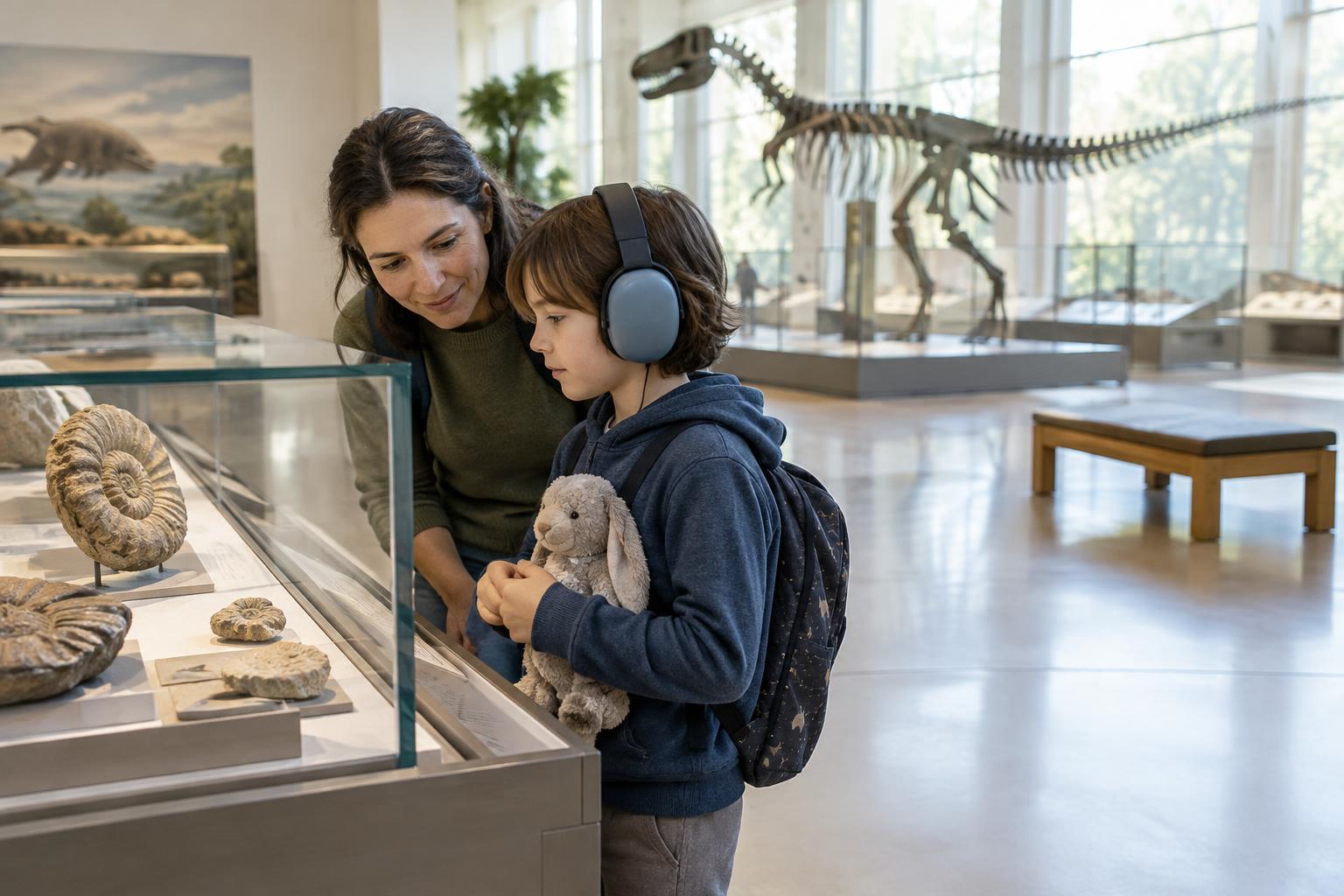
Bring only what you can comfortably carry while keeping track of the children. Water, a small snack for an area where eating is permitted, and a familiar quiet activity may help with pauses. If anyone becomes overwhelmed, it is fine to take a break or leave earlier than planned. A short visit with one memorable discovery can be more satisfying than a long visit that ends in exhaustion.
Keep the discovery going afterward
On the way home, ask each child to name one thing they remember. A toddler might recall a color or a big object; an older child might remember a question the visit raised. Both are useful starting points. Avoid pressing for a lesson learned. Casual conversation often reveals what mattered to each child.
Later, invite them to draw a favorite object, build a version from blocks, or arrange a tiny “exhibition” of safe household items. An older child can write short labels if they want to, while a toddler chooses what goes on display. These small follow-up activities let siblings revisit a shared experience in their own ways—and remind everyone that curiosity does not have to end at the museum door.