Start with the sign, not a conclusion
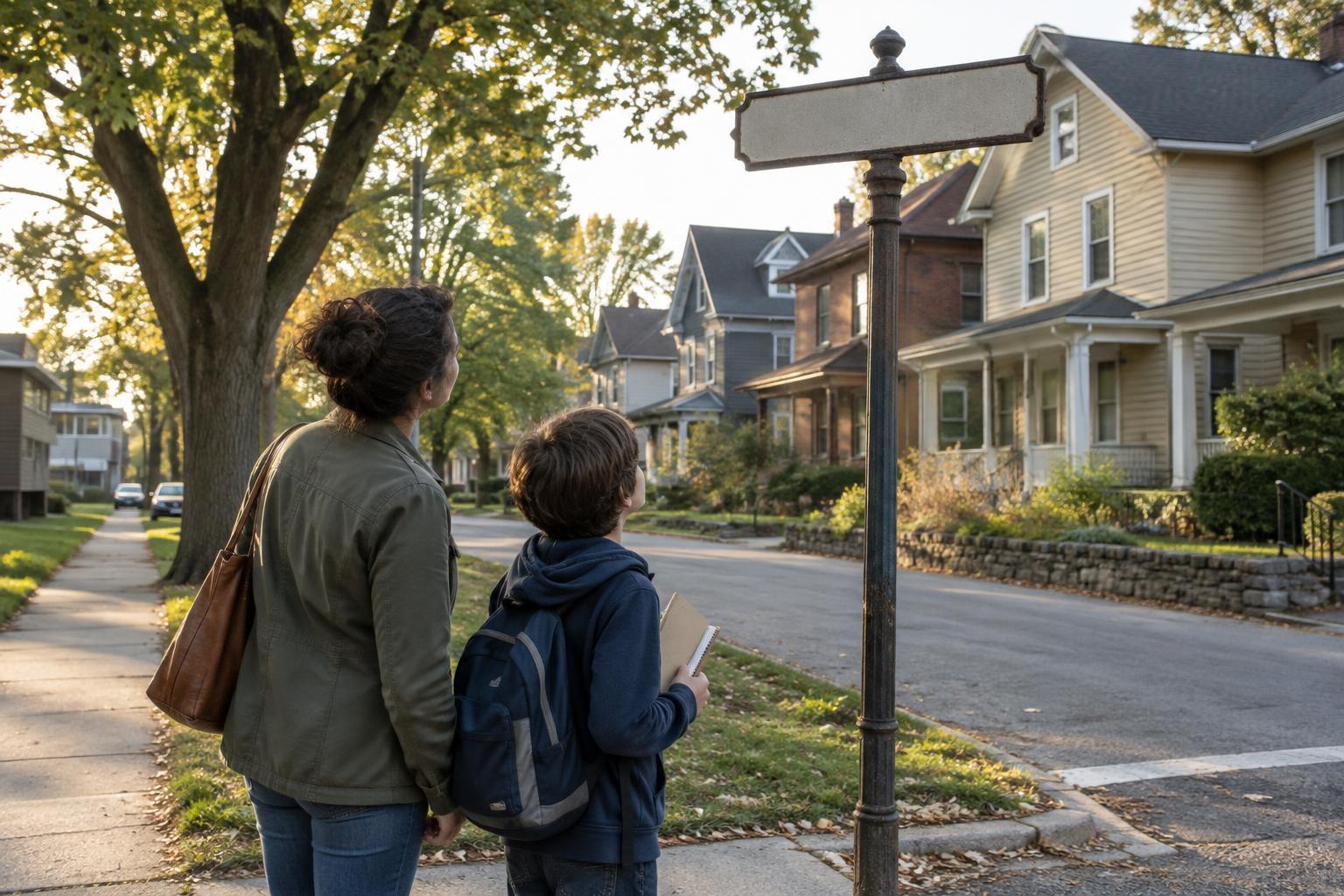
Street names are easy to overlook because they do a practical job: helping people find their way. But they can also offer clues about how a place was described, developed or remembered. A road called Mill Lane might prompt a question about work that once happened nearby. A cluster of tree names might suggest a planned naming theme rather than a former forest. Neither possibility is a fact until you look further.
On a family walk, choose a few signs to notice rather than trying to decode every street. Write down the names, sketch where the roads meet and ask what each name brings to mind. Children might sort names into groups such as people, plants, landmarks, directions or activities. The goal is not to guess the right answer immediately. It is to turn a familiar route into a set of questions worth exploring.
What a name may preserve
A street name can point toward a former feature of the landscape, such as a brook, hill or orchard. It may recall a business, a building or a person associated with the area. Names can also show how a neighborhood was presented when its streets were laid out: several roads with matching themes may have been chosen to give the area a particular identity.
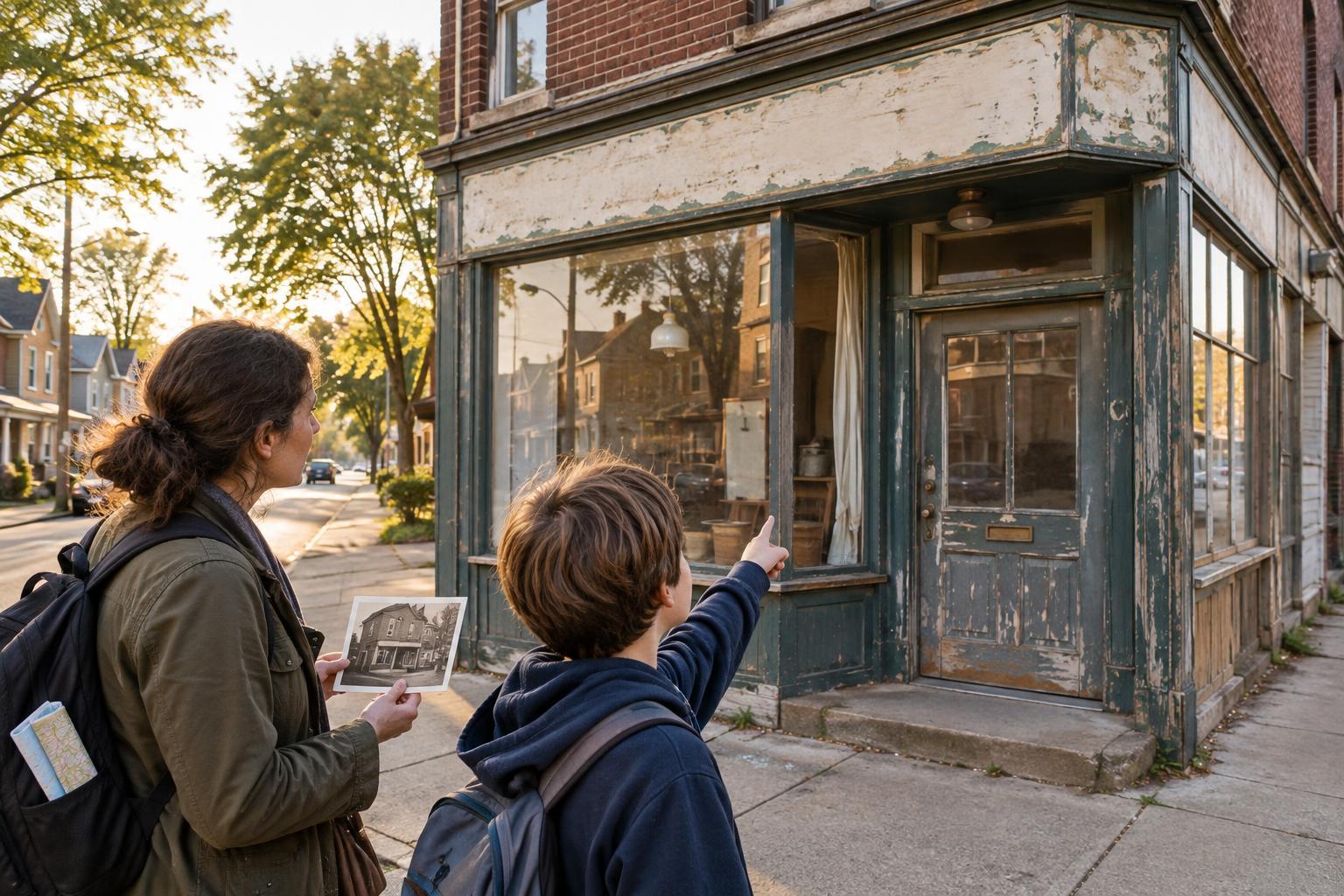
These clues become more useful when you compare them with what you can see. Does a street named for a river cross a bridge or dip toward low ground? Are there older buildings near a name that suggests a trade? Look for evidence without expecting the modern street to match its name. Waterways can be redirected or hidden, buildings can disappear and land uses can change. The mismatch itself can become an interesting history question.
What the sign cannot explain
A sign rarely tells you who chose a name, when it was chosen or why that choice won out over others. A road named for a person does not, by itself, explain that person’s connection to the place or whether everyone viewed them in the same way. Some names honor people; others may refer to property owners or simply repeat names used elsewhere. Even a name that sounds very old could have been assigned much later.
Street maps are selective records. People who worked, traveled, cared for families or built community ties in a neighborhood may have left few traces in its official names. Earlier place names, including Indigenous names, may have been changed, altered in spelling or omitted from street signs. A missing name does not mean a missing history. When discussing a sign with children, it helps to ask both, “What might this name help us remember?” and “Whose experiences would we need another source to learn about?”
Follow a question through several sources
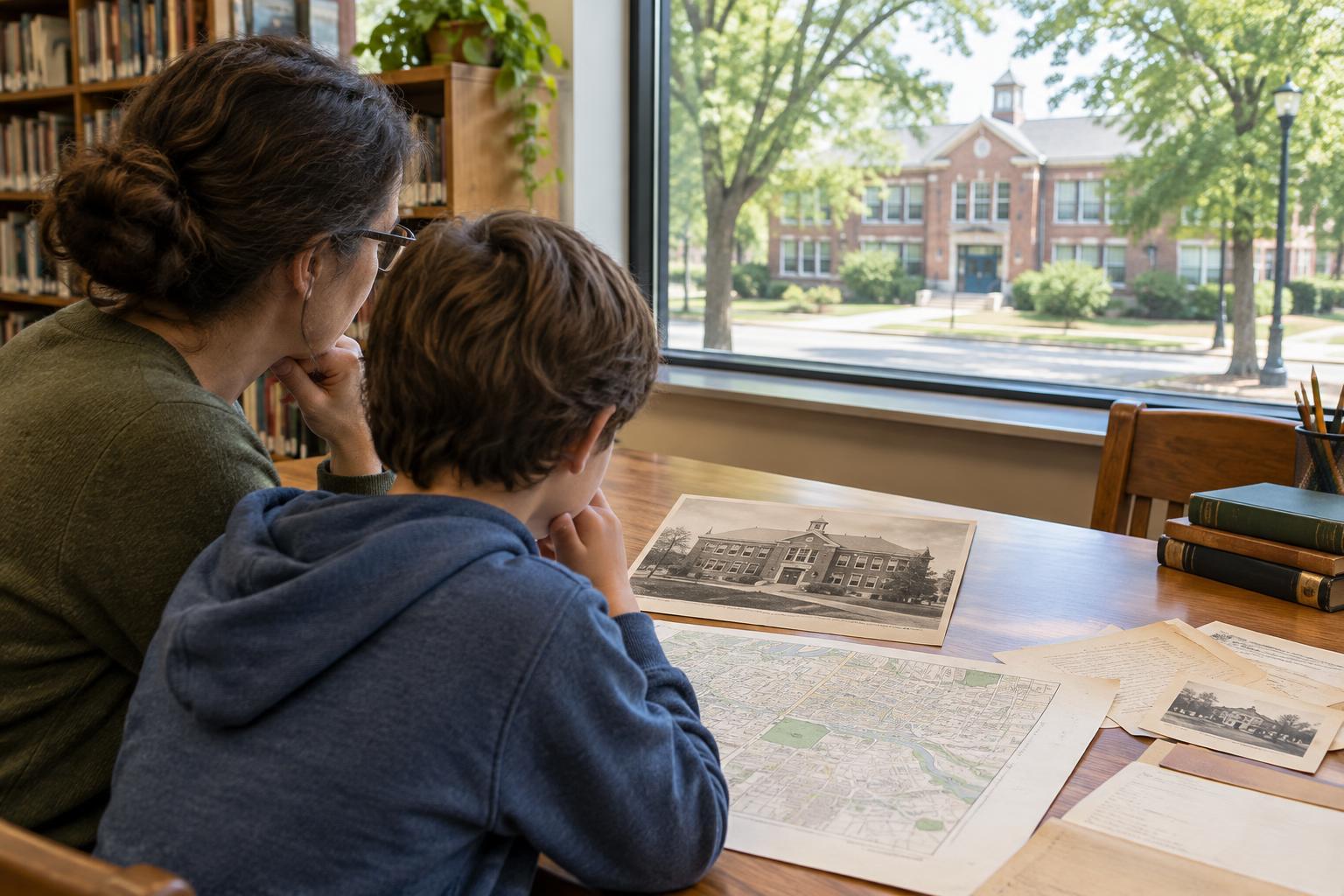
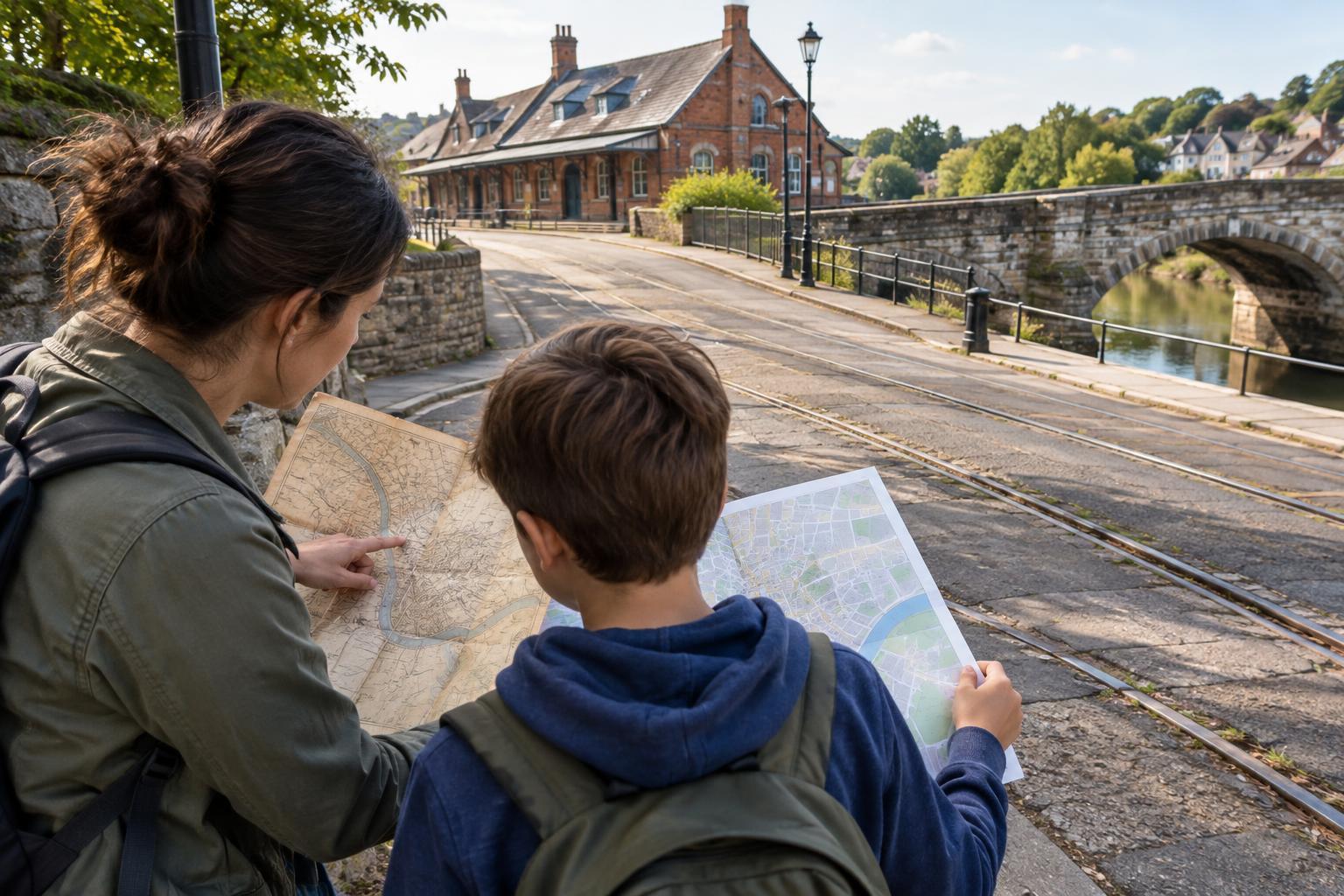
Choose one name that interests your family and make a short list of possible explanations. Then look for different kinds of evidence. Older maps may show whether the street or a nearby feature existed before the name appeared. Local history books, library collections, historical society materials and municipal records may offer context about roads, buildings or naming decisions. A museum exhibition may also help explain the wider story of an area, even if it does not address that particular street.
Compare what the sources actually say. A map can show a name in use, but it may not explain its origin. A photograph can show what a corner looked like, but it cannot tell you why a road was named. If two sources disagree, record the difference instead of forcing a tidy answer. For a child-friendly project, make a page with three columns: “What we noticed,” “What we found” and “What we still wonder.” Leave room for an answer of “We don’t know yet.”
Make room for more than one story
A street-name walk works best when it leads back to the place itself. Notice which roads feel central and which are easy to miss. Look for plaques, parks, former industrial sites or other features that might add context. Stay on public paths, and treat homes and private property with respect. If you plan to ask someone about a place, remember that a personal memory is valuable perspective, not a complete account of everyone’s experience.
To finish, invite each family member to choose one name and describe what they can say with confidence, what remains uncertain and what they would investigate next. This makes local history more than a hunt for hidden answers. Street signs can open a conversation about change, memory and belonging, while reminding us that no single name can tell the whole story of a neighborhood.