Start by taking no for an answer
You set out paper and crayons, and your child walks away. It can be tempting to offer a more exciting craft or insist they try for five minutes. First, consider a simpler response: “Okay, we can do something else.” Creative play works best when a child has room to choose whether and how to join in.
A refusal does not necessarily mean a child dislikes art. They may be tired, uncomfortable with a particular material, unsure what to draw, or more interested in moving around. Rather than trying to solve the mystery immediately, notice the circumstances. Do they turn down every invitation, or only ones that involve paint? Are they curious when you make something nearby but reluctant when asked to make their own? These observations can help you offer a better fit another day.
Change the invitation, not the child
“Make a picture” can feel like a large assignment. A smaller invitation leaves more room to play: “Want to see what shapes this sponge makes?” or “Could you help me choose a color for this line?” The child can experiment for a moment without committing to a finished piece. If they say no, let the invitation end there.
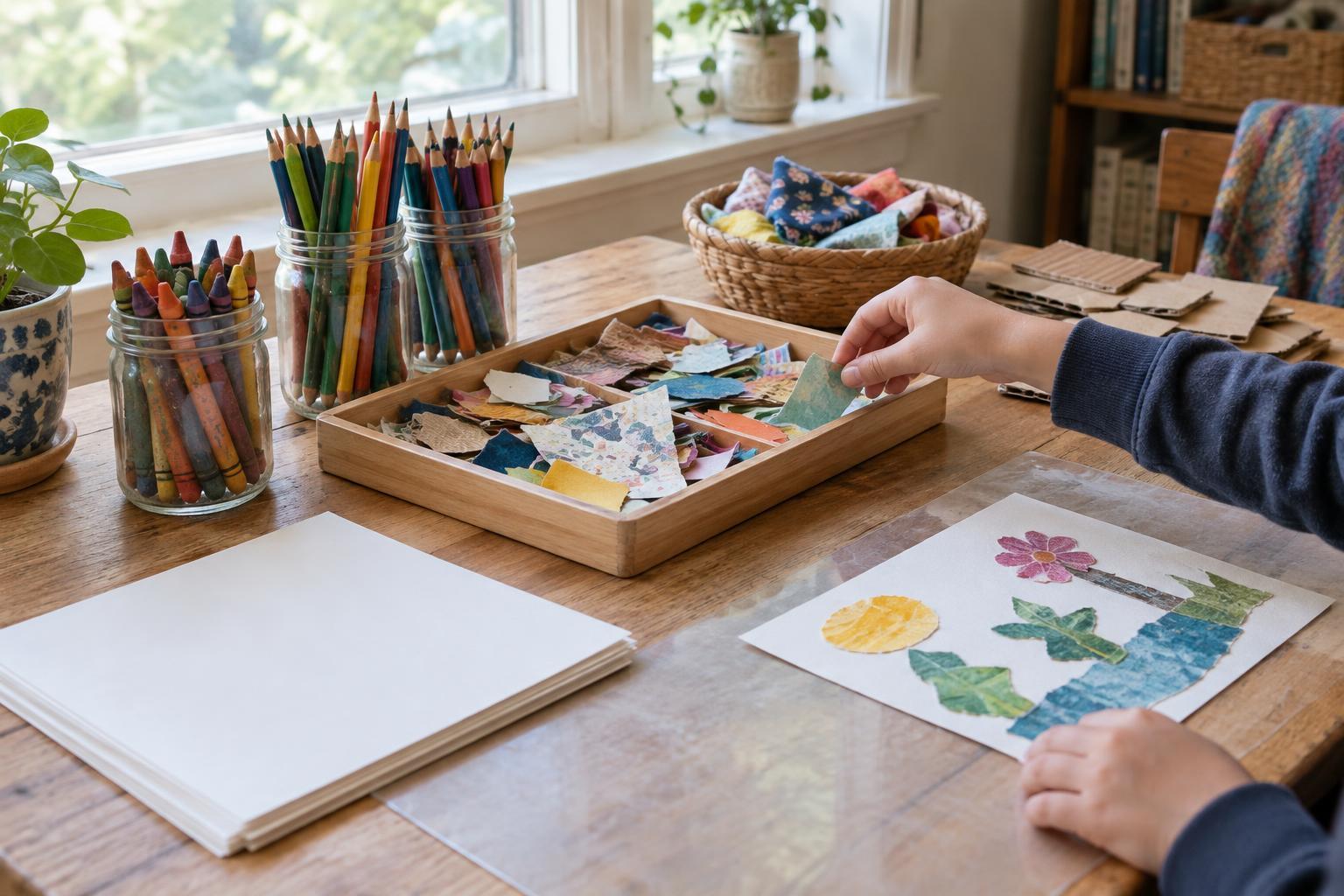
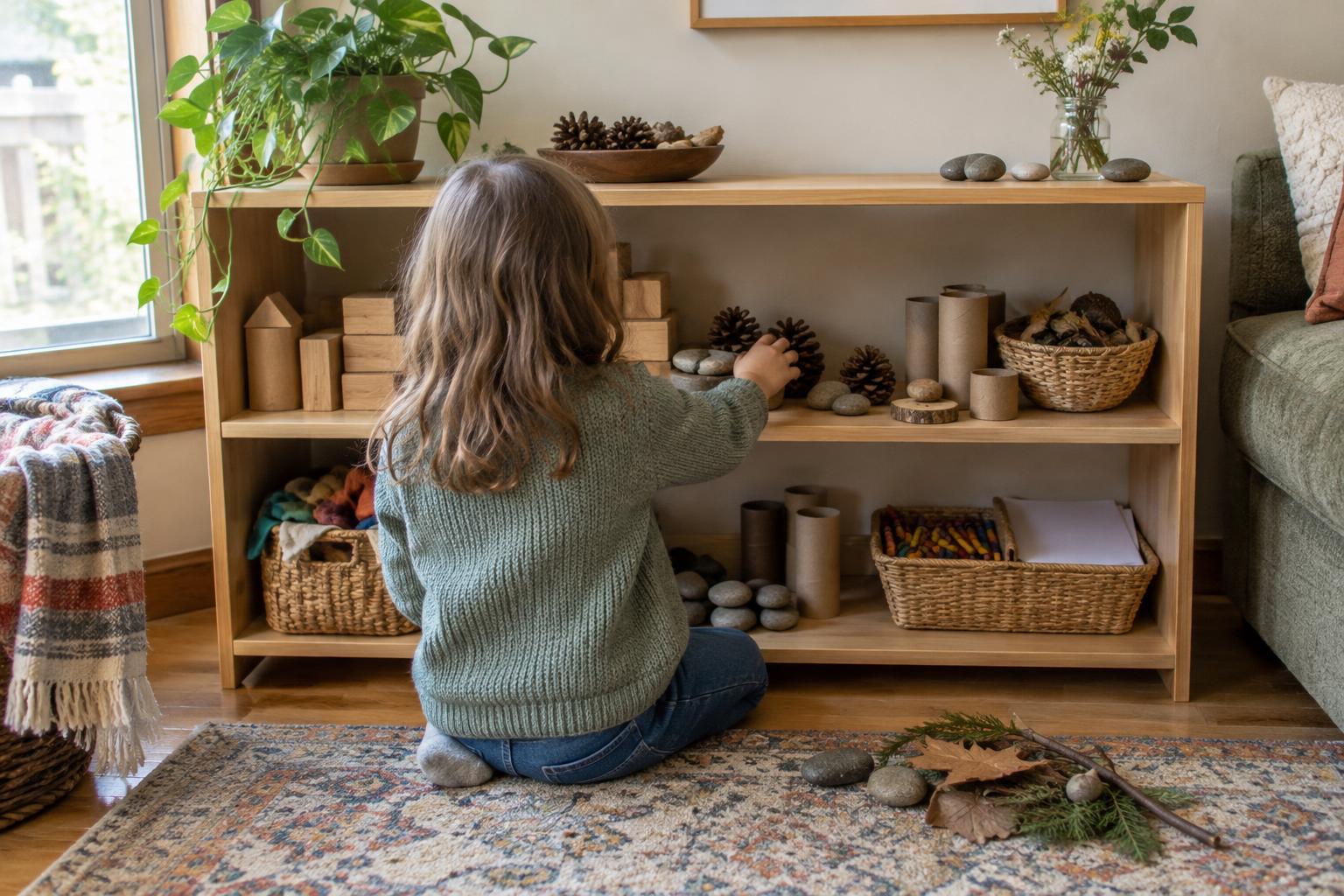
You can also put materials within reach without announcing an activity. A few sheets of scrap paper, washable markers, and tape may be enough. Use materials that suit the space and the child’s age, and supervise items that could be messy or unsafe. Some children will approach a quiet setup on their own time. Others will not, and that is fine too.
Make room for ways of creating beyond drawing
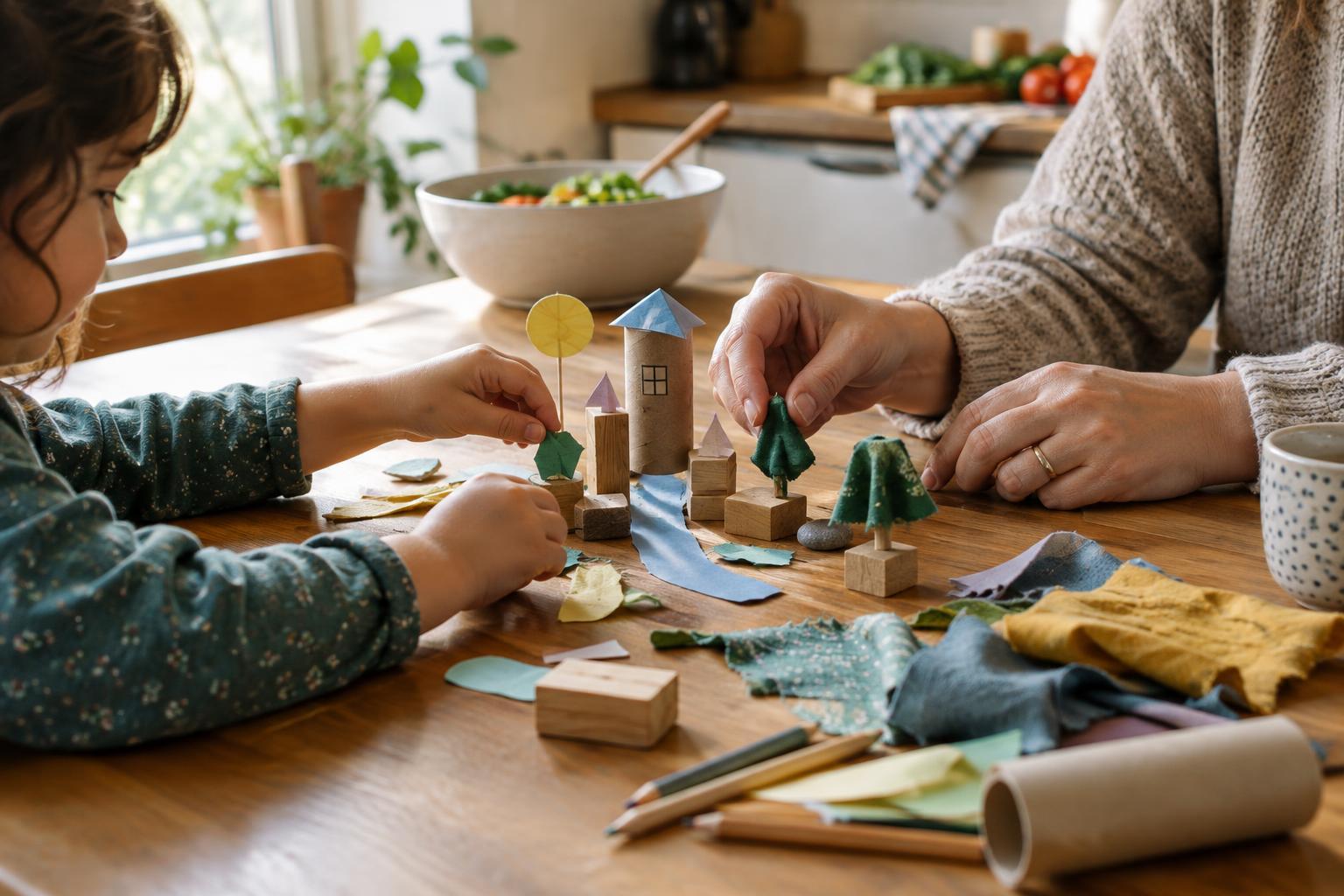
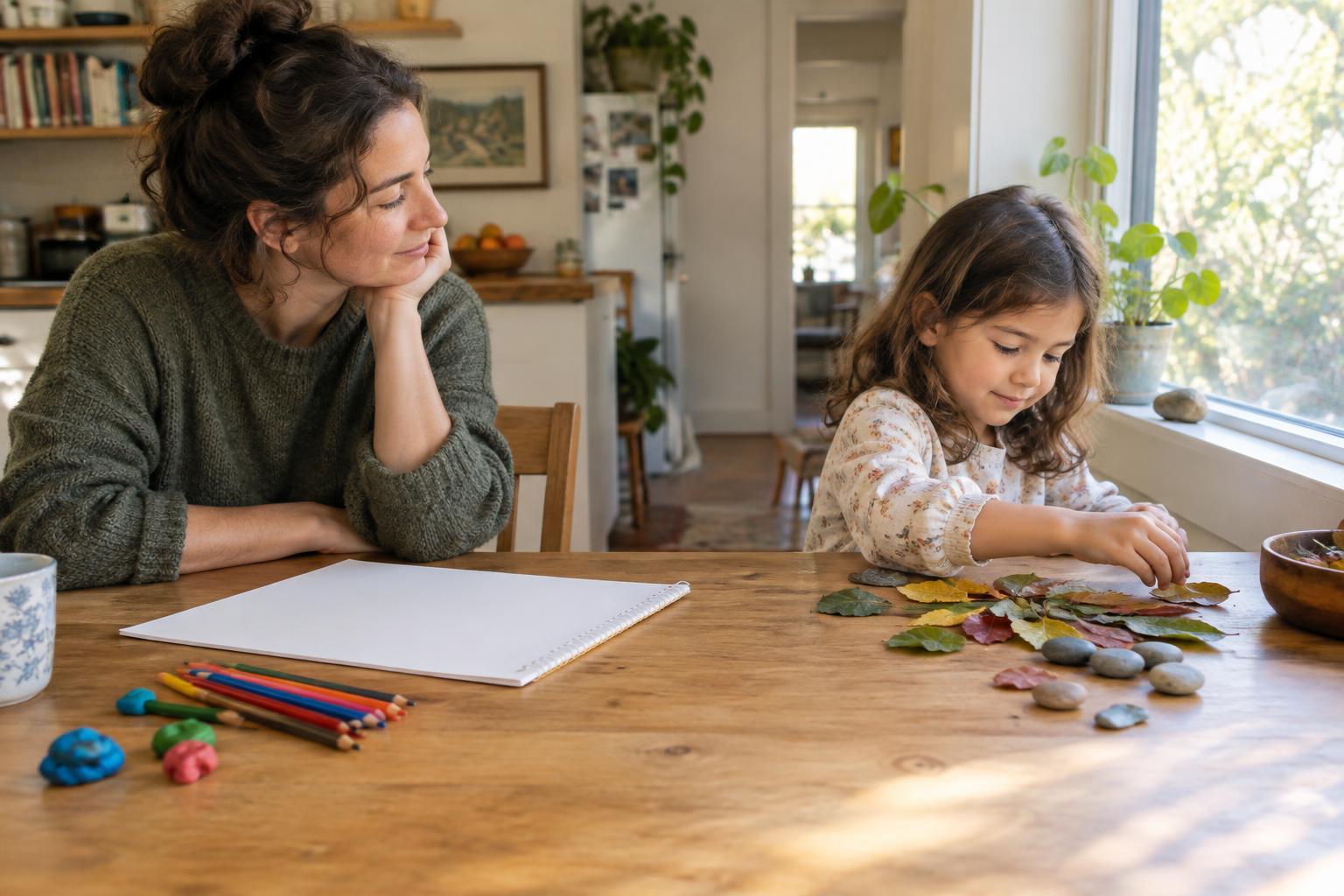
Art does not have to begin with a blank page. A child might enjoy arranging leaves by color, building a pretend storefront from boxes, making shadows with a flashlight, or creating patterns with blocks. These activities involve choices about shape, space, and storytelling, even if nothing is saved or displayed afterward.
Let their existing interests lead. For a child who likes vehicles, try making roads from strips of paper or designing a parking garage from reused packaging. For one who loves stories, offer paper figures to move across a tabletop scene. A neighborhood walk can become a search for interesting textures or building shapes; later, the child might recreate one with blocks. The walk is worthwhile even if it never becomes an art project.
Keep praise and questions low-pressure
Adults often hope to encourage children by saying, “That’s beautiful!” Yet a child who worries about getting things right may hear that the goal is to make something beautiful again next time. Try describing what you notice instead: “You used long and short lines,” or “You stacked the blue pieces together.” You can ask, “Would you like to tell me about it?” without requiring an explanation.
Avoid guessing what an unfinished drawing is supposed to be or fixing a child’s work to make it look more recognizable. If they ask for help, you can offer a choice: “Would you like me to show you one way, work beside you, or leave it as it is?” Making your own imperfect project alongside them can show that experimenting, changing direction, and stopping are all ordinary parts of making things.
Know when to step back
Some days, the best creative invitation is no invitation at all. Put the supplies away without treating the moment as a failure. A child may prefer to watch, tell a story, collect objects, or play outside. Those experiences can feed imagination without producing something for the refrigerator door.
If art time has become a repeated struggle, consider dropping the goal of making art for a while. When you bring materials back, offer one modest choice and follow the child’s lead. You might say, “I’m going to make marks with these crayons. You’re welcome to join me.” Then enjoy your own experiment. A welcoming space matters more than a completed project.