Check the rules before filling the bag
Museum policies vary, and they can change with an exhibition or event. Before packing, look at the museum’s visitor information and any details for the show you plan to see. Start with bag size, coat-check or locker availability, and rules for strollers. A roomy backpack may be convenient on the journey but awkward—or not permitted—in a gallery. If the guidance is unclear, contact the museum rather than assuming another museum’s rules will apply.
Next, check opening hours, entry arrangements and whether tickets or timed reservations are needed. Look for information about food and drink, water bottles, photography, sketching materials and hands-on areas. Families may also want to check where restrooms are located, whether re-entry is allowed and what accessibility support is available. These quick checks help you decide what to carry and what to leave at home.
Pack for comfort, not every possibility
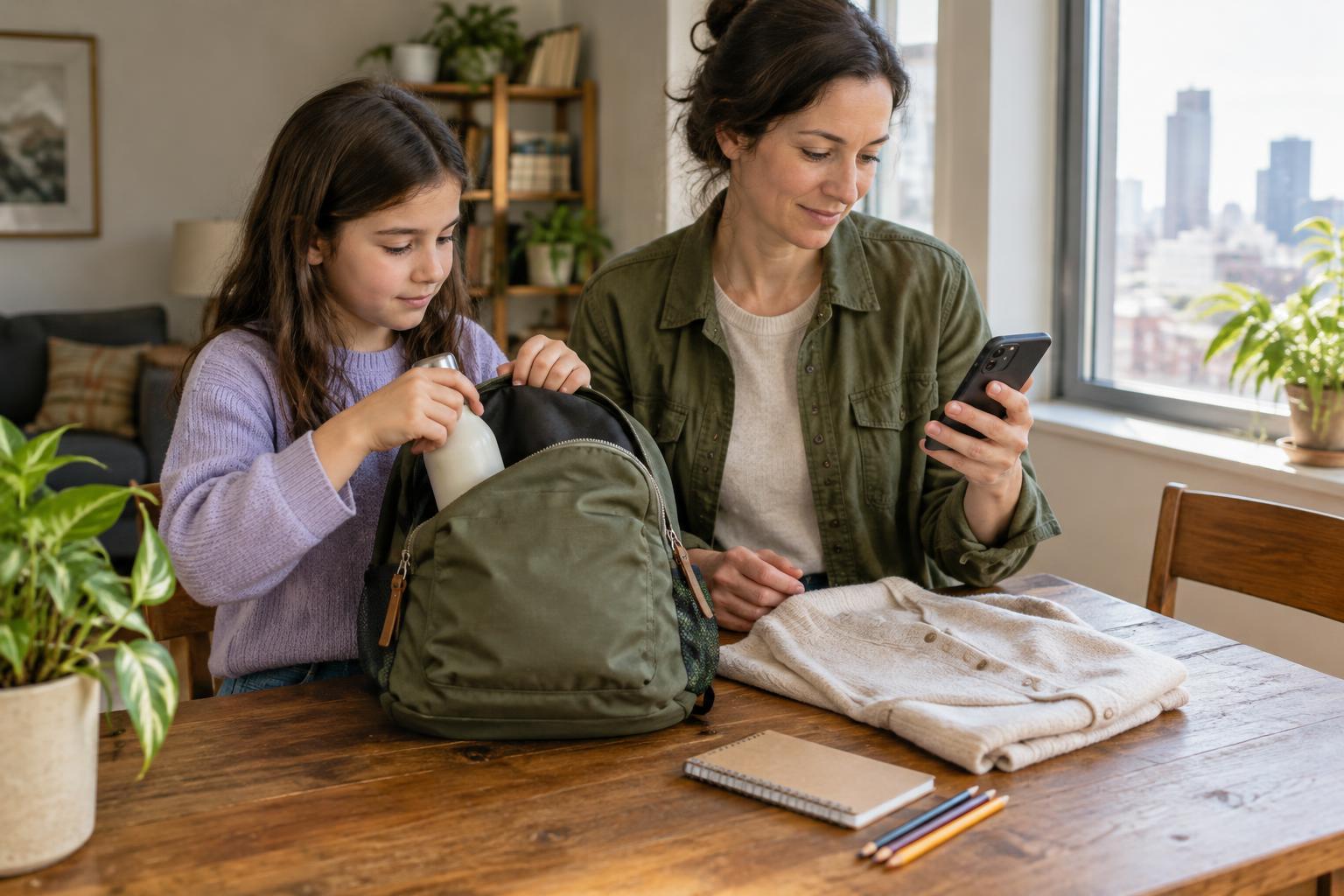
Choose the smallest bag that holds what your group genuinely needs and meets the museum’s rules. Useful basics might include tickets or booking details, a charged phone, any essential personal items, tissues and a light layer for rooms that feel cool. Comfortable shoes matter more than a packed activity kit, especially if the visit involves several floors or a walk from transit or parking.
If you’re visiting with young children, add a few familiar essentials, such as diapers or a change of clothes, based on their needs. A small, quiet activity can help during a wait, but avoid toys with loose pieces that could roll under displays. Consider how you’ll carry coats once everyone takes them off. Packing light leaves hands free for reading labels, pointing out details and helping a child who needs a break.
Plan snacks and drinks around the museum’s spaces
A snack can make a long outing easier, but many galleries do not allow eating or drinking near objects. Check whether the museum has a café, picnic area or designated place for packed food, and whether outside food is allowed there. If food must stay outside the building, plan a stop before or after the visit instead of carrying it through the galleries.
Bring a refillable bottle only if the policy permits it, and find out whether there are drinking fountains or refill points. Keep any permitted snacks simple to manage and easy to clean up. If someone in your group has specific food needs, planning ahead can reduce the pressure to find an option at the last minute. The goal is to meet everyone’s needs while respecting spaces designed to protect collections.
Bring tools for noticing, within the rules
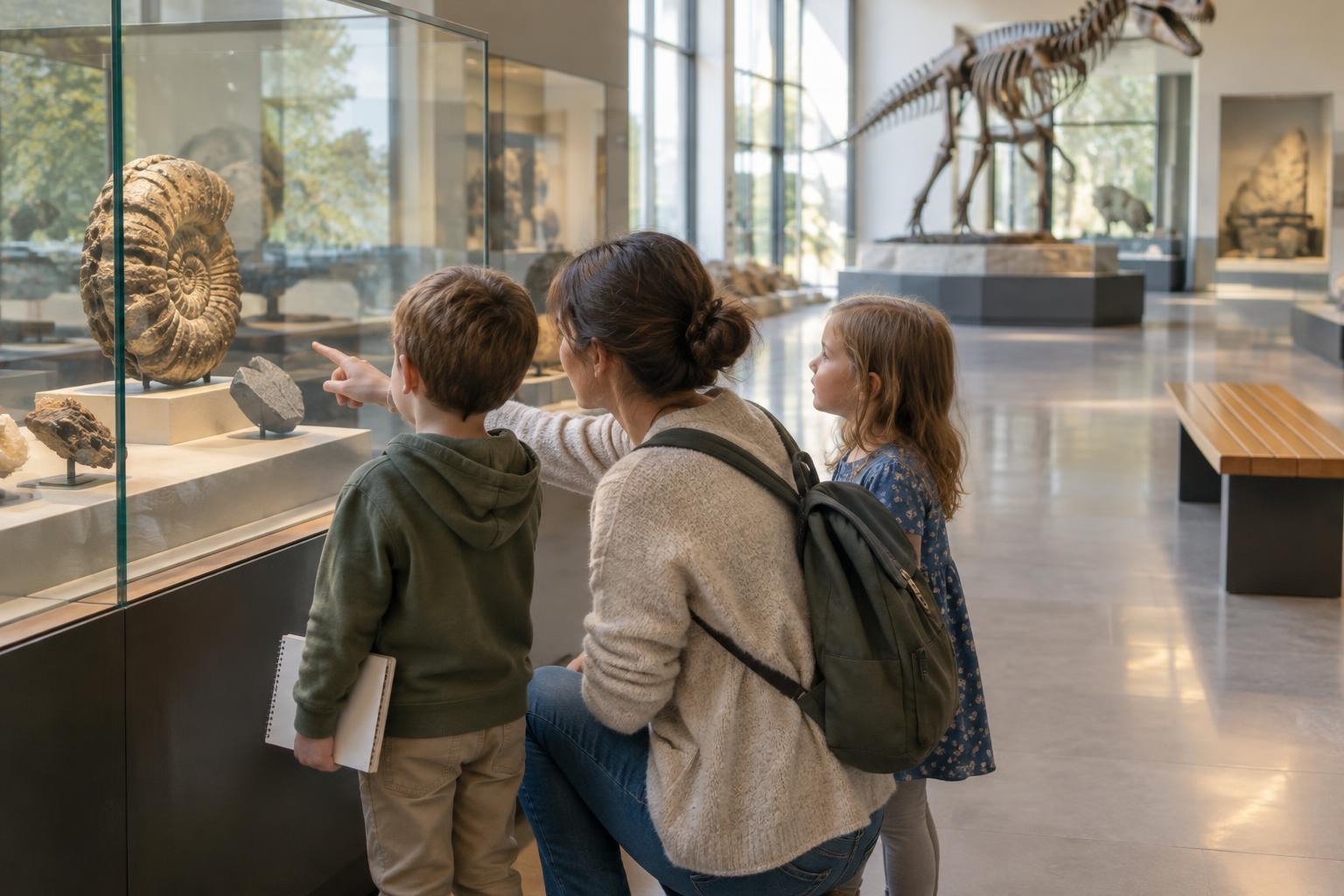
A museum visit can spark questions without much equipment. Try inviting each person to choose one object they want to look at again, or to notice a color, shape or material that appears in several places. A small notebook and pencil can be useful if writing or sketching is permitted. Some exhibitions limit pencils, pens or drawing materials, so check before adding them to the bag.
Photography rules deserve a separate look: permissions may differ between permanent galleries and special exhibitions. Flash, tripods and selfie sticks may be restricted even where personal photos are welcome. If photos are allowed, taking one or two to discuss later can be more rewarding than documenting every room. If they aren’t, a conversation on the way home can still preserve what surprised your family.
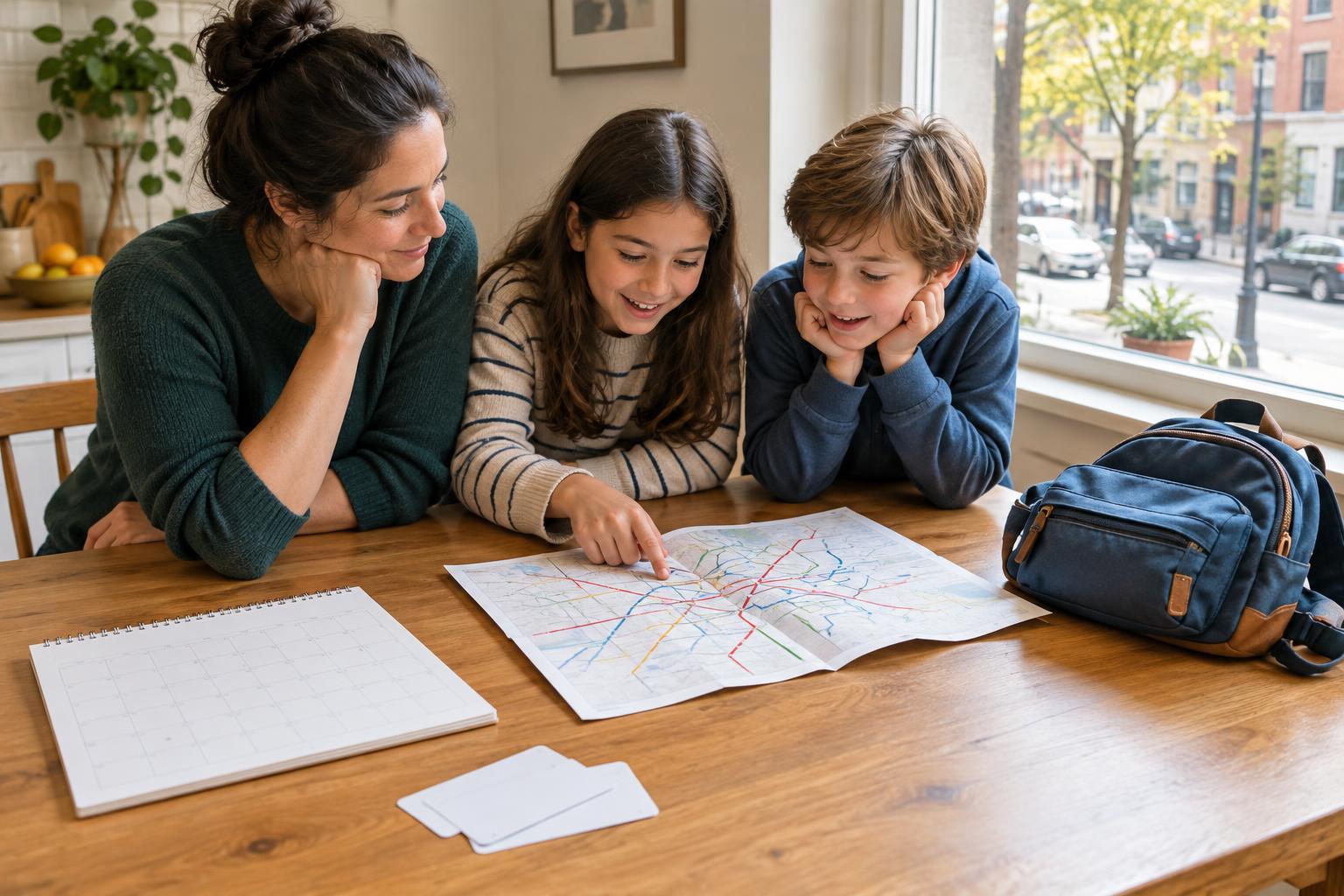
Make a flexible plan for the day
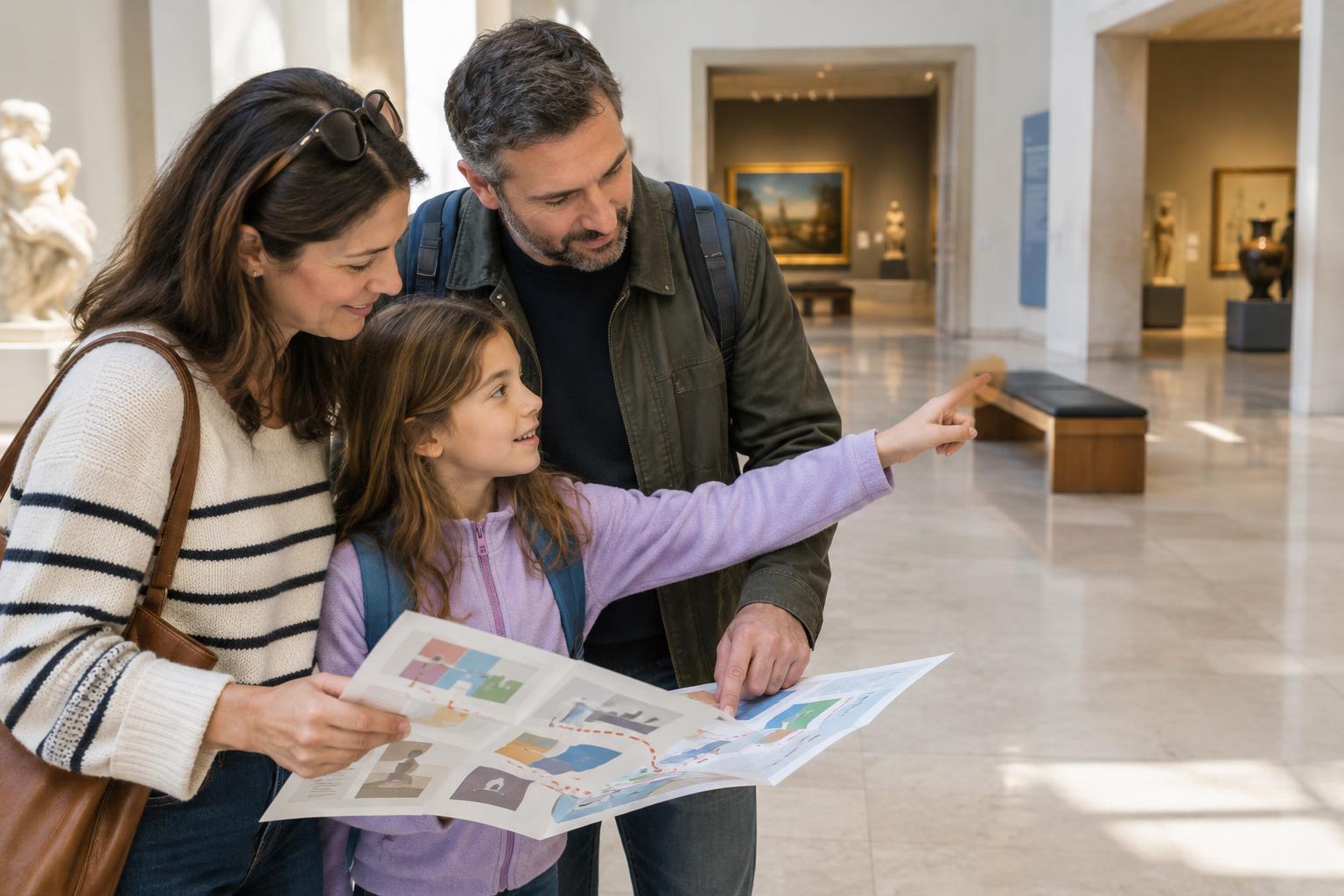
Before you leave, identify one or two things your family most wants to see. That gives the visit a starting point without turning it into a race through every gallery. If the museum offers a map, note restrooms, elevators, seating and a possible meeting point. Check guidance on stroller access, sensory resources or other accommodations relevant to your group, and ask the museum directly about anything you cannot find.
Once you arrive, adjust the plan to everyone’s energy. A short visit with time to look closely can feel more satisfying than a longer one spent hurrying. Take breaks where they are permitted, follow staff directions and let children ask questions you cannot answer on the spot. The best preparation is not a perfectly packed bag; it is enough information and flexibility to enjoy what you discover together.