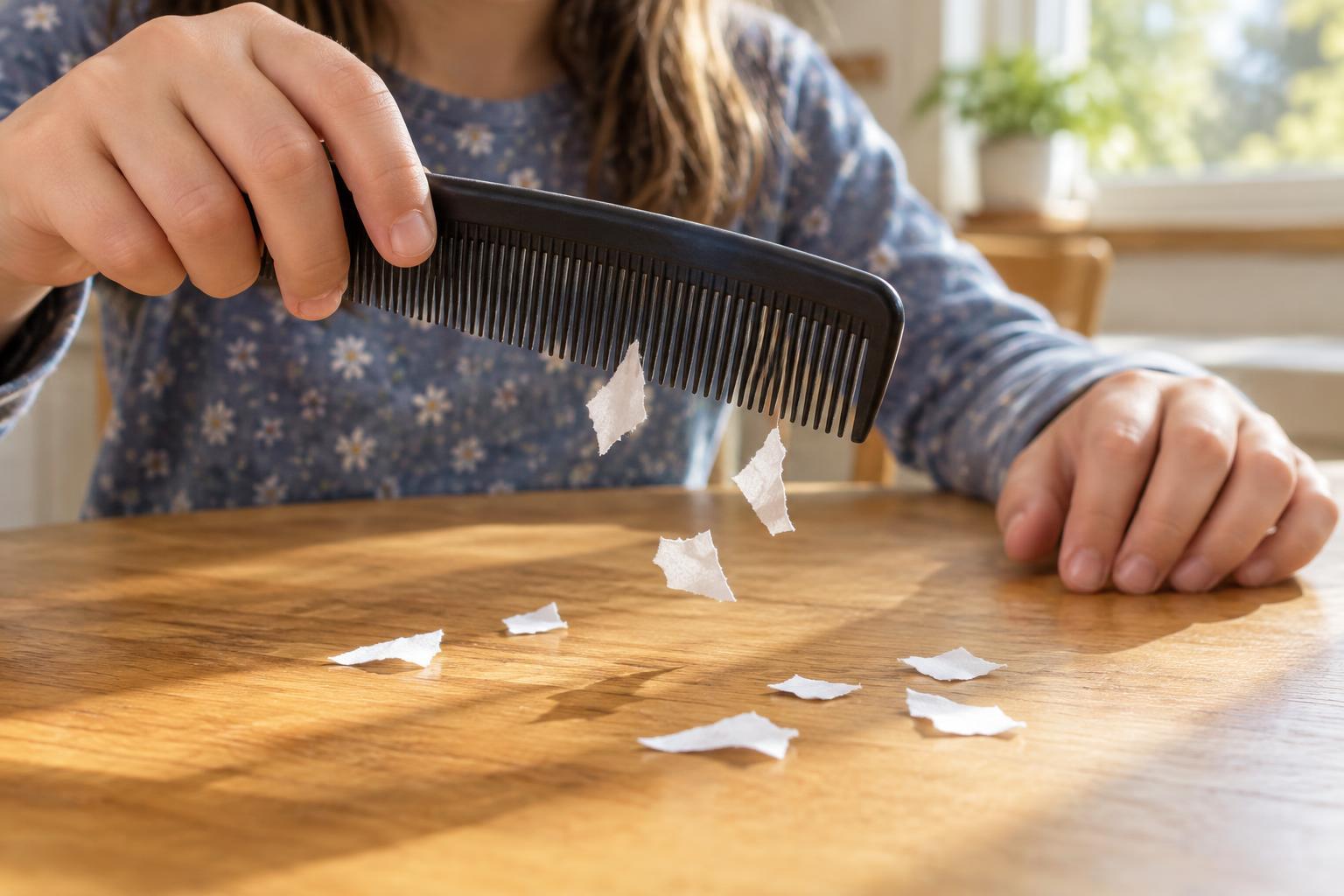
Hands-On ScienceTurn a plastic comb and a few paper scraps into a small science investigation. Children can watch paper move without being touched, then change one part of the setup to explore what affects the result.
Read article · 4 min↗
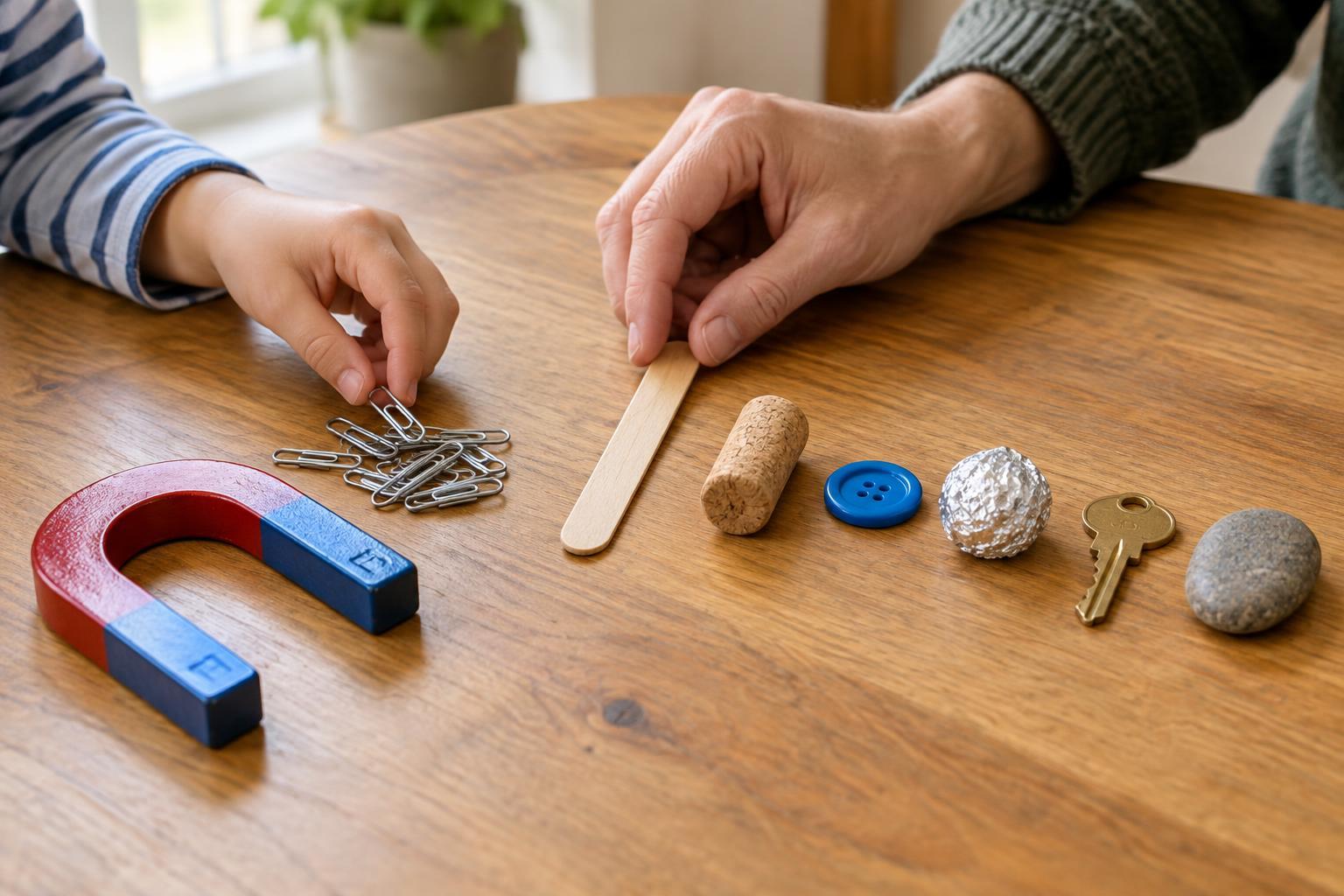
Hands-On ScienceTurn a collection of everyday objects into a hands-on science investigation. Families can predict which items a magnet will attract, test them safely, and explore why an object’s appearance does not always reveal what it is made of.
Read article · 4 min↗
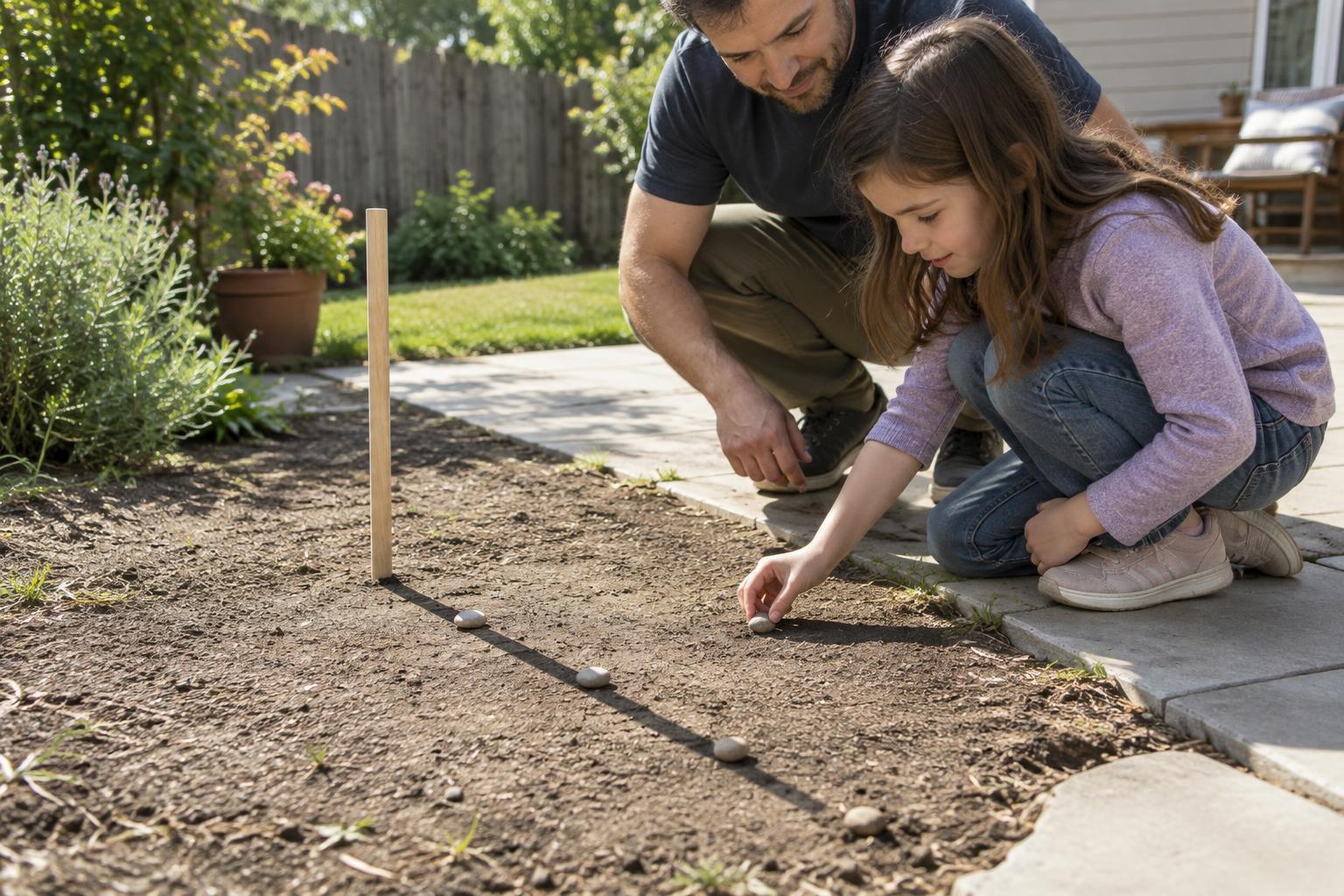
Hands-On ScienceA stick, a sunny spot and a few well-timed observations can turn an ordinary day into a science investigation. Learn how to mark a shadow’s changing position, compare its length and direction, and connect what you see to the Sun’s apparent path across the sky.
Read article · 4 min↗
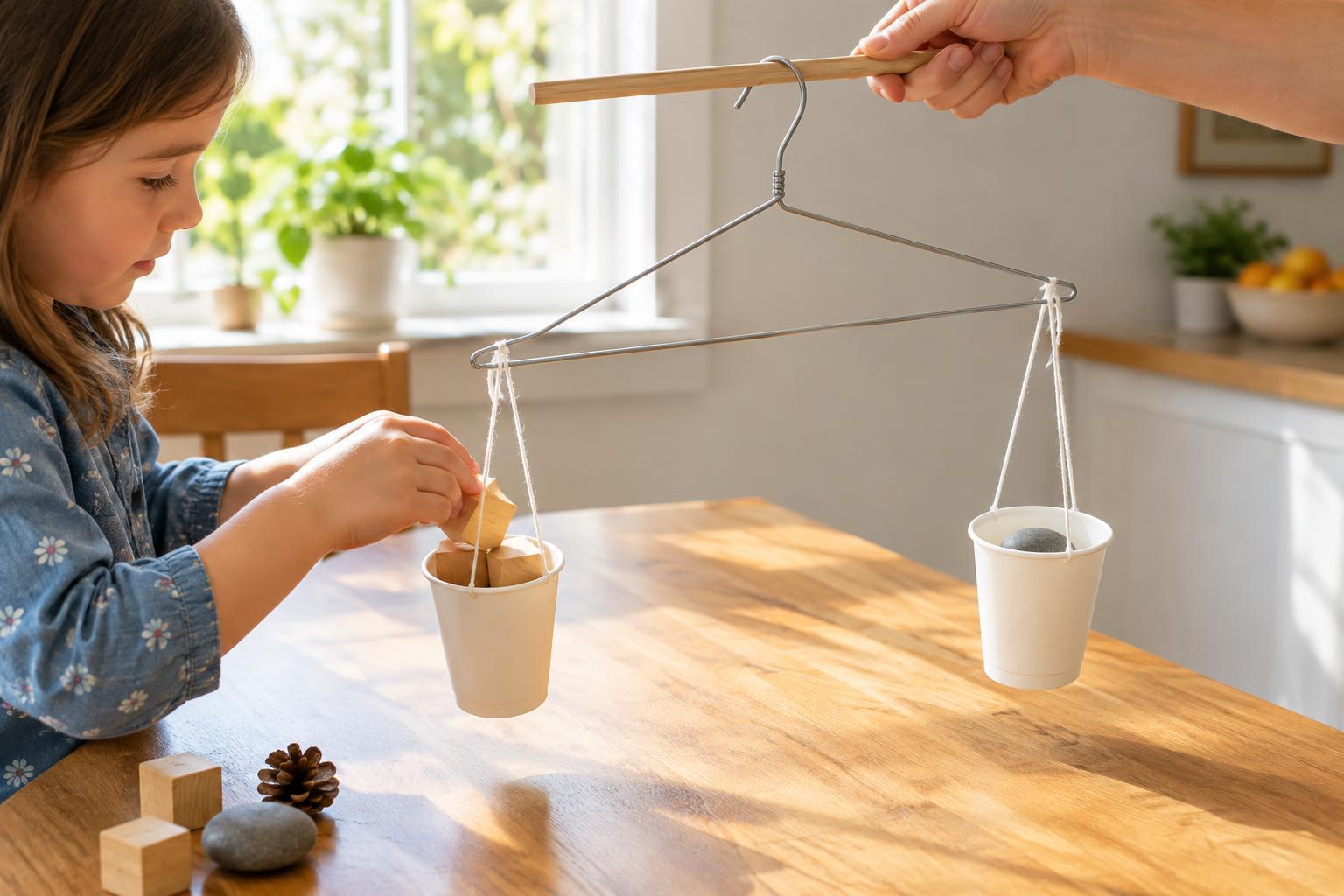
Hands-On ScienceTurn a coat hanger and two paper cups into a simple balance scale. Children can predict which household object is heavier, test their ideas, and explore how to make a comparison fair.
Read article · 3 min↗
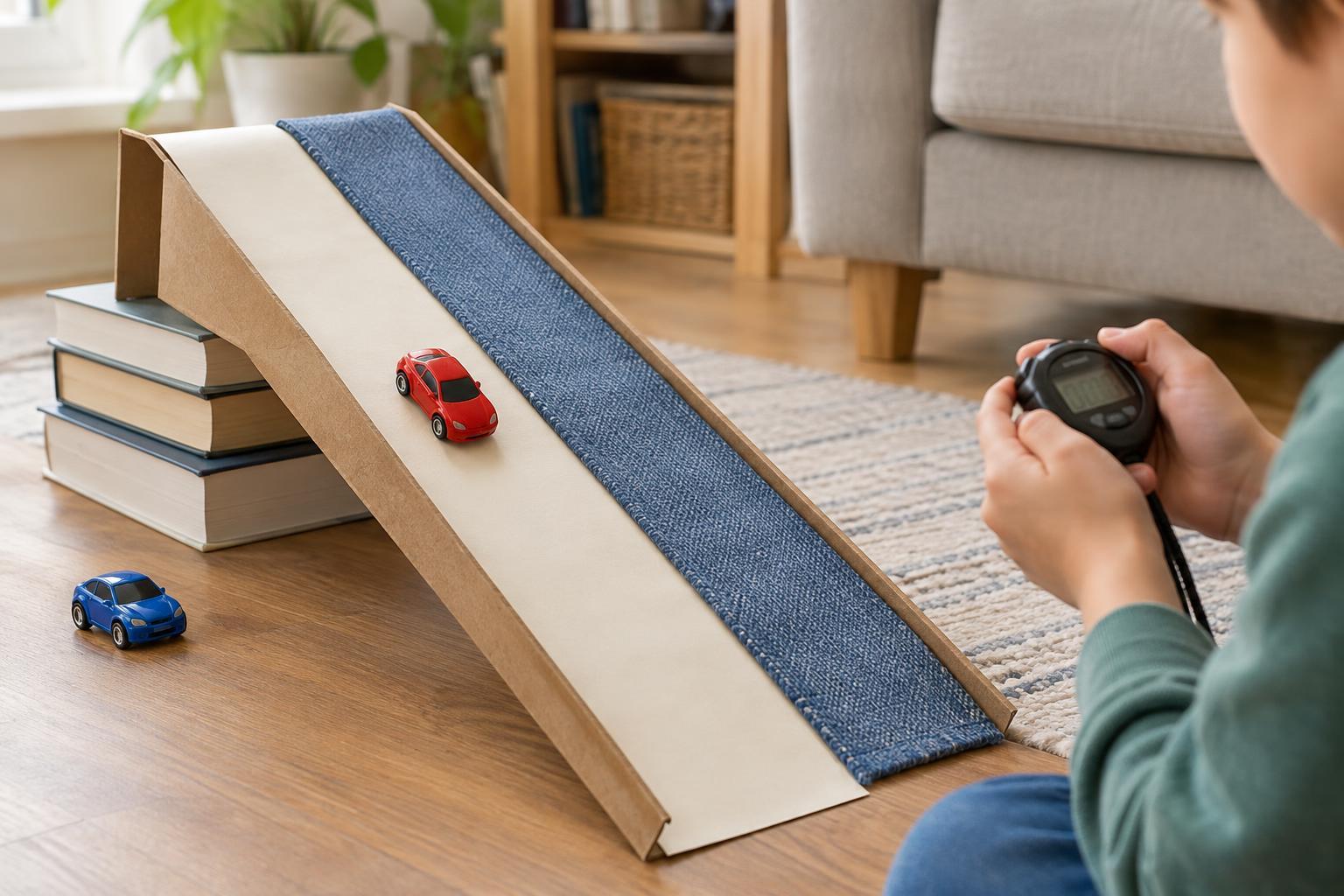
Hands-On ScienceTurn a toy car and a simple ramp into a hands-on science investigation. Children can compare surfaces, time each run, and explore why a car rolls differently on smooth paper, fabric, and other materials.
Read article · 4 min↗
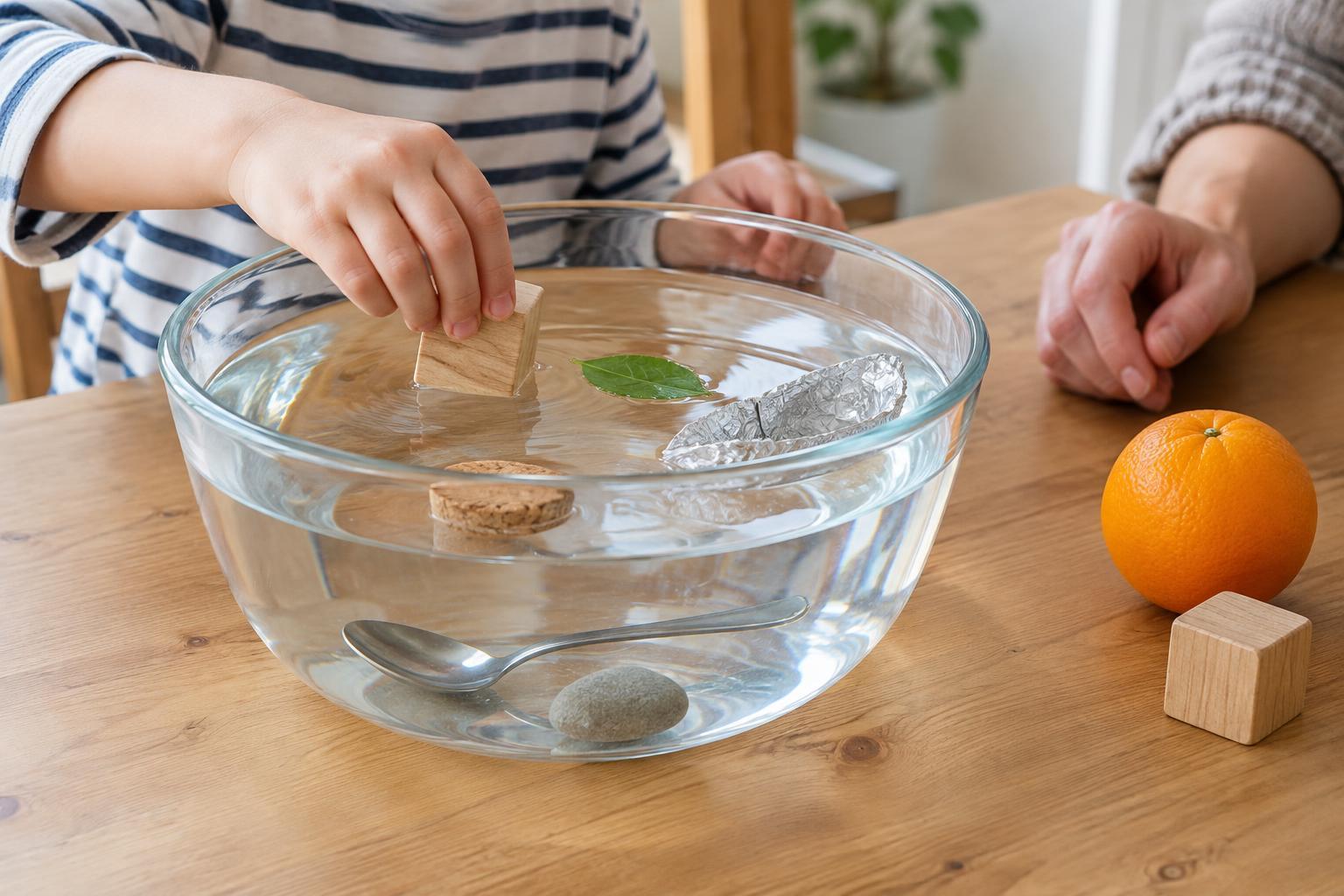
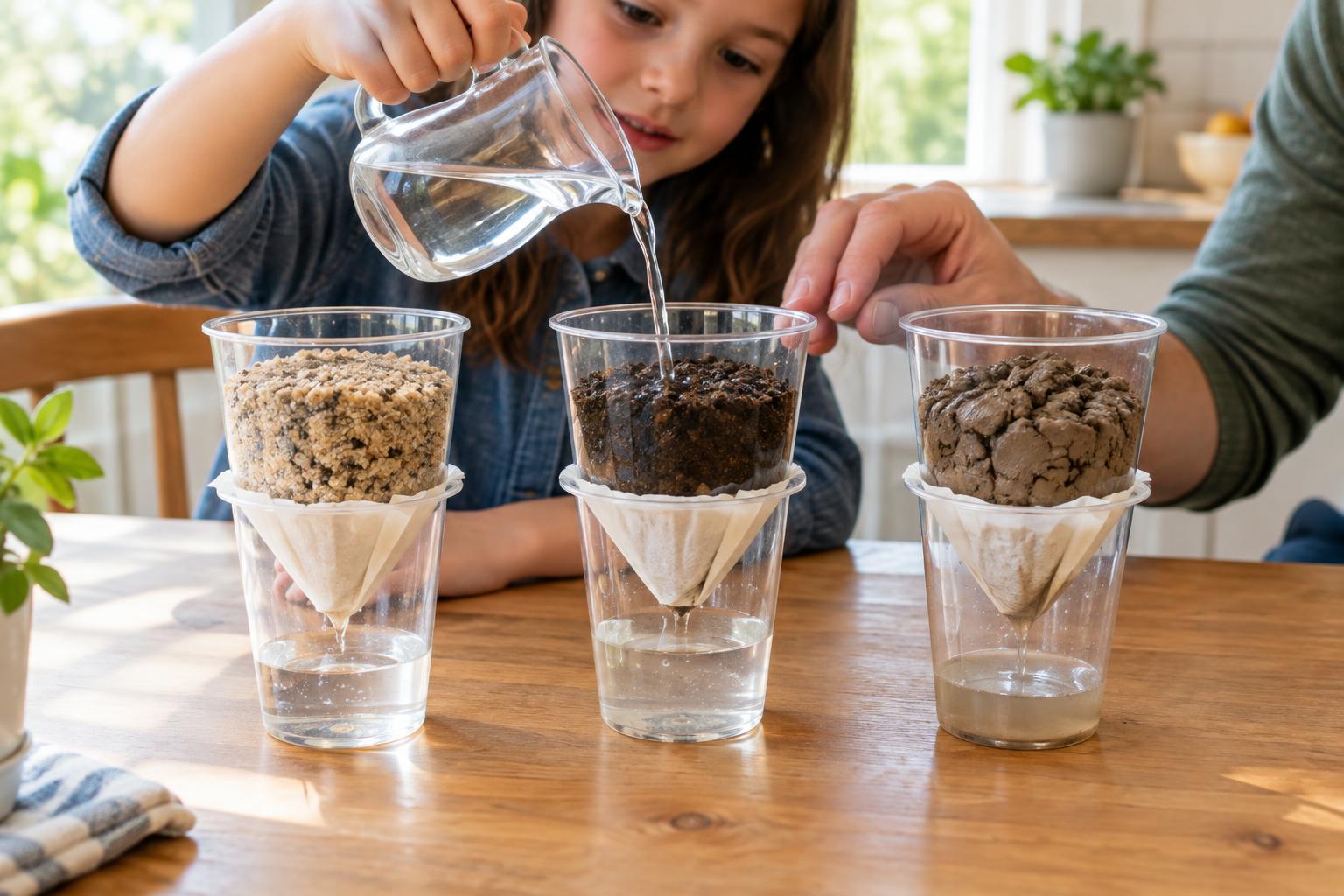
Hands-On ScienceTurn a bowl of water and a few household objects into a hands-on science investigation. Children can predict, test, compare results and explore why material, shape and trapped air all matter.
Read article · 4 min↗
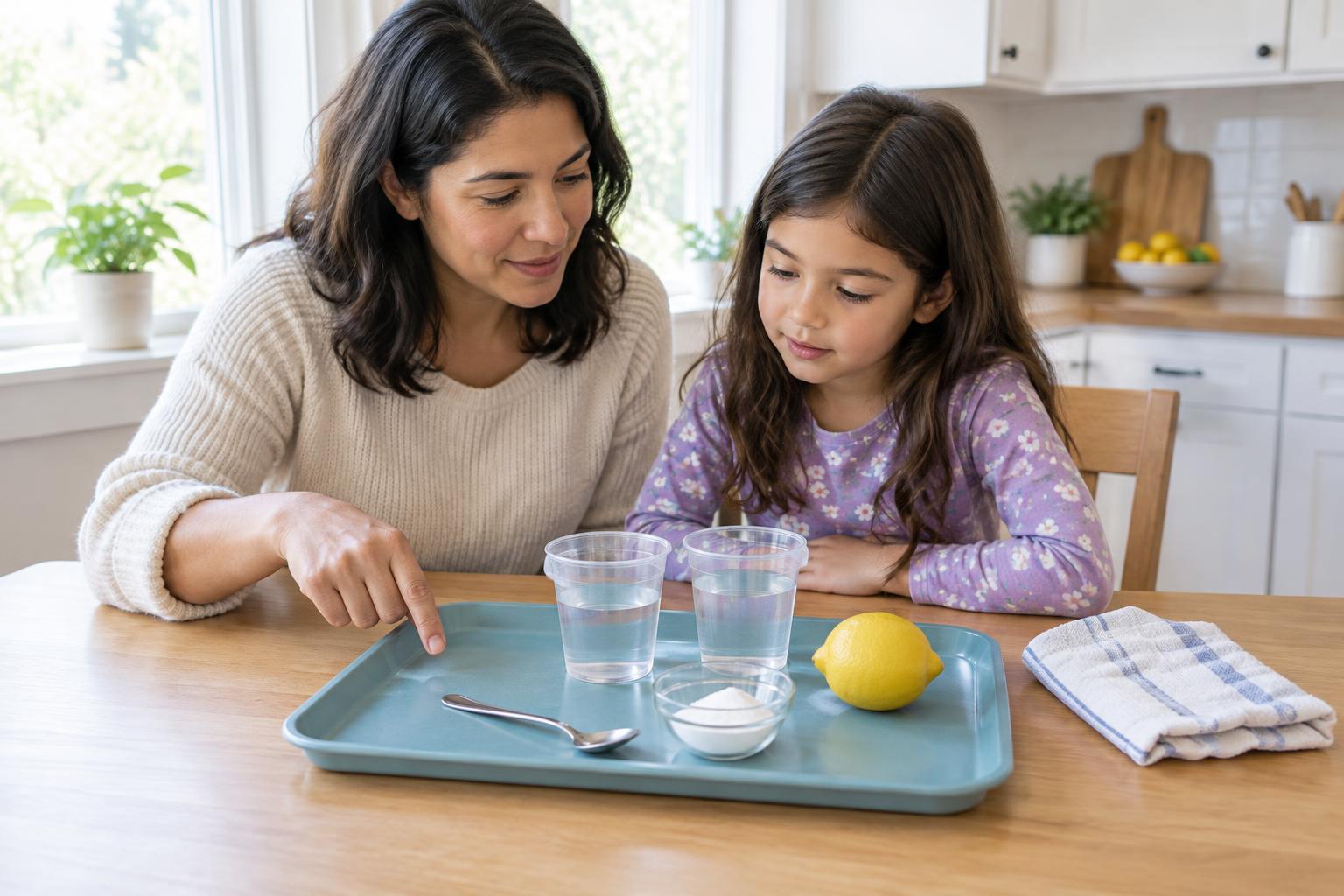
Hands-On ScienceHands-on science at home works best when everyone knows what is safe to use, where the activity will happen, and when to ask for help. Use these practical guidelines to choose simple materials, set family rules, and make cleanup part of the experiment.
Read article · 4 min↗
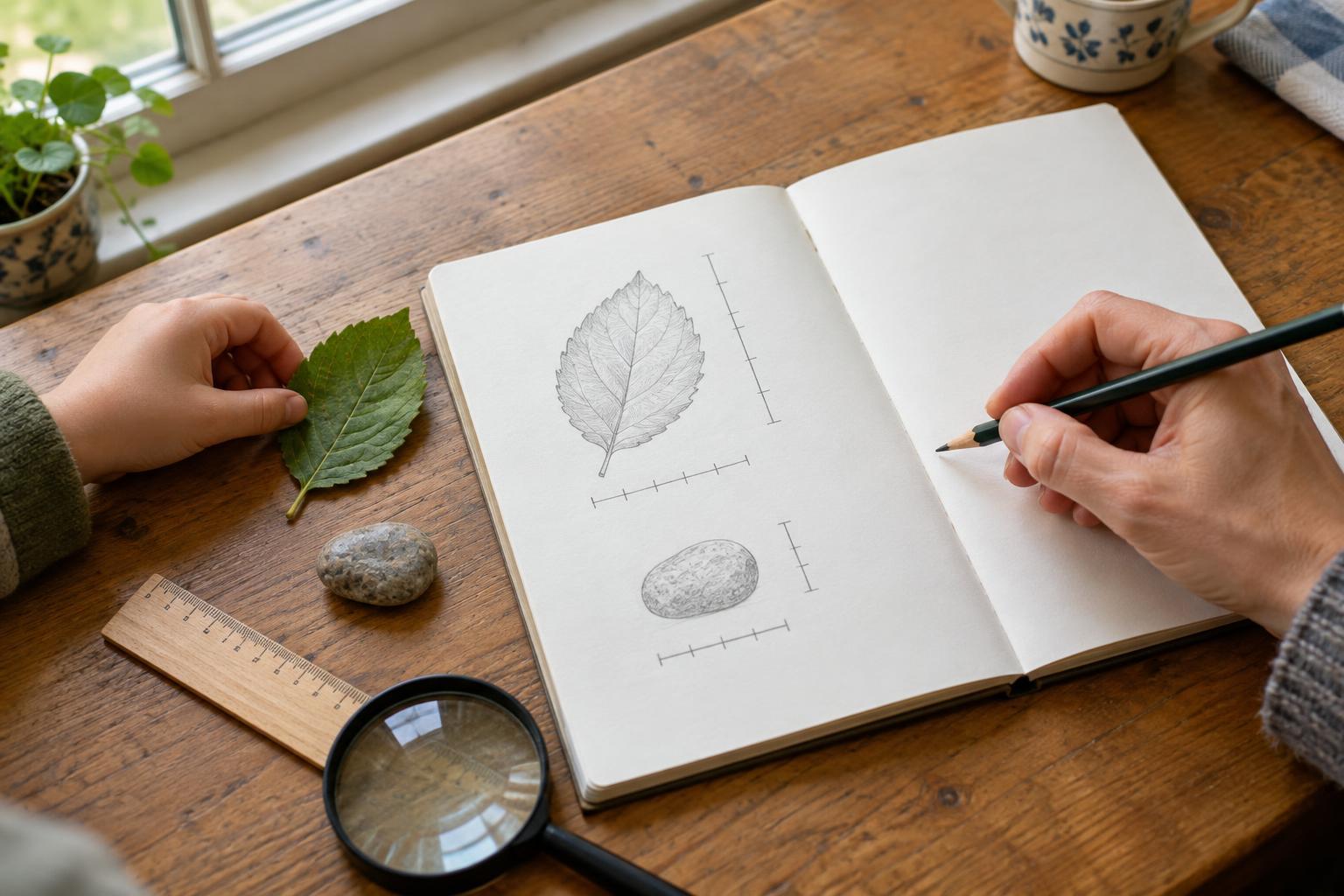
Hands-On ScienceA science notebook turns everyday noticing into an ongoing family investigation. Learn how to set up a page, draw what you see, record useful measurements, and keep questions alive without worrying about perfect answers.
Read article · 3 min↗
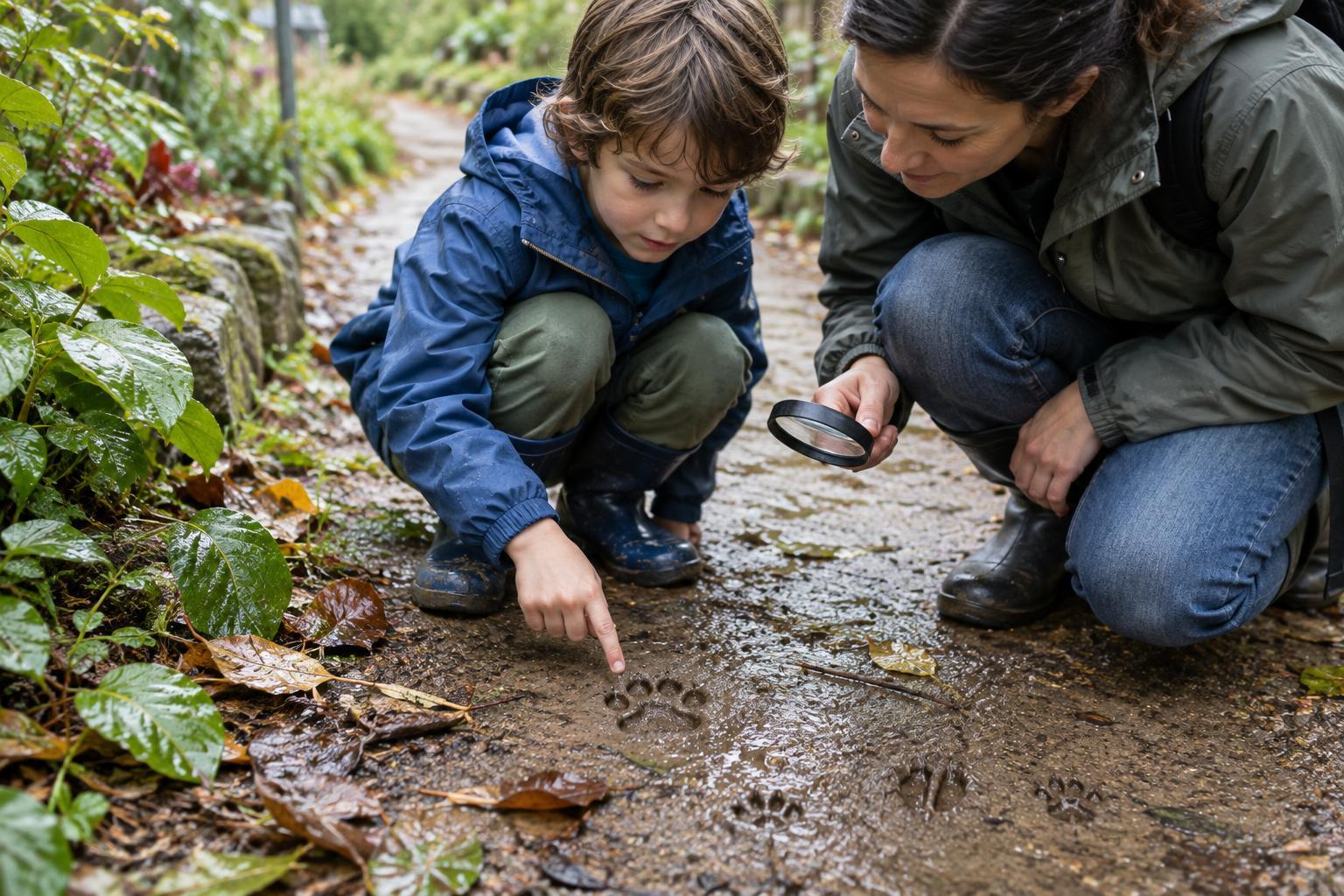
Hands-On ScienceA muddy footprint, a cloudy window, or a line of ants can spark a good question. Help kids separate what they notice from what they think it means with simple phrases and hands-on activities that fit into everyday life.
Read article · 4 min↗
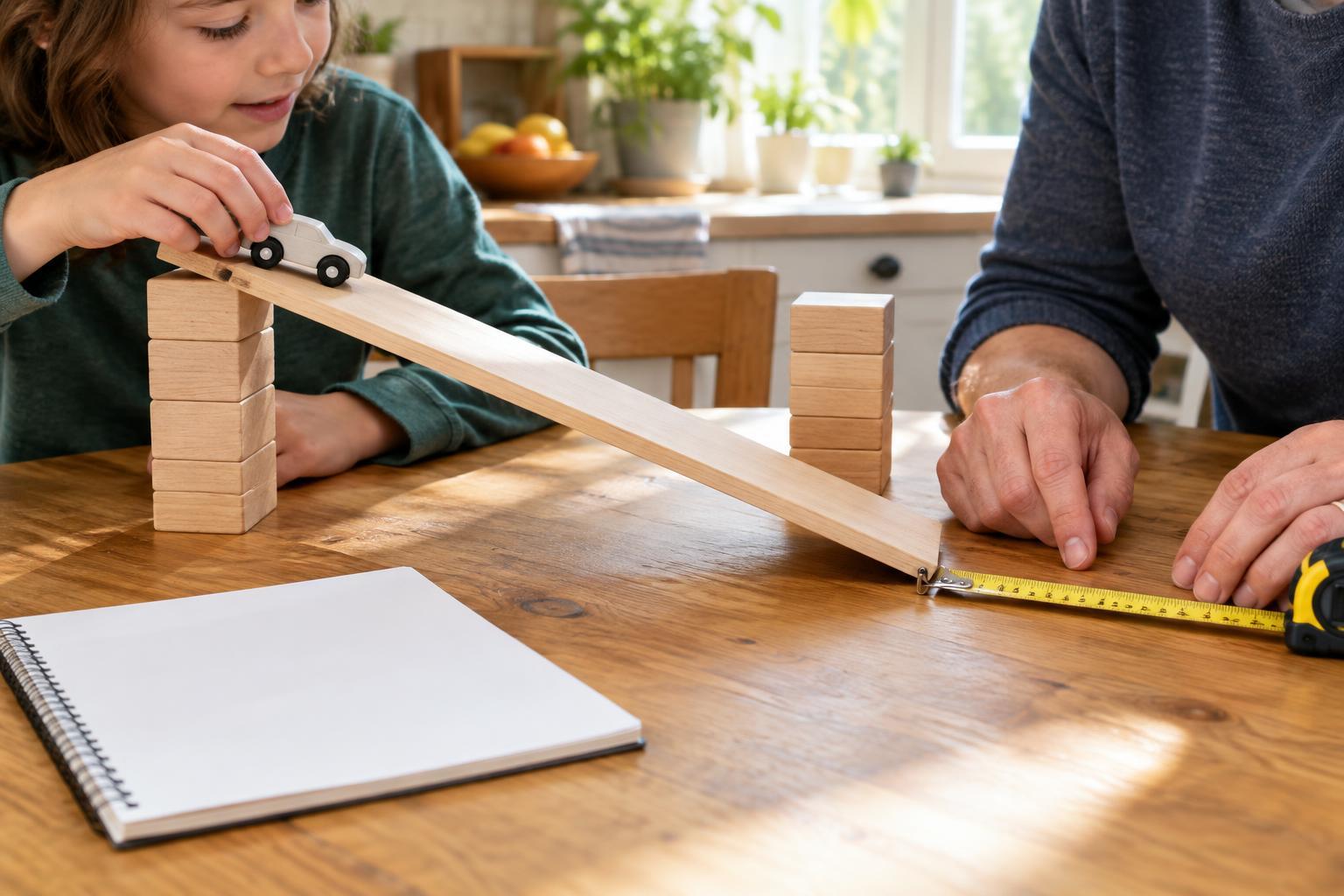
Hands-On ScienceTurn a simple toy-car ramp into a hands-on science investigation. Learn how to choose one change, keep other conditions steady, measure results and talk about surprises together.
Read article · 4 min↗
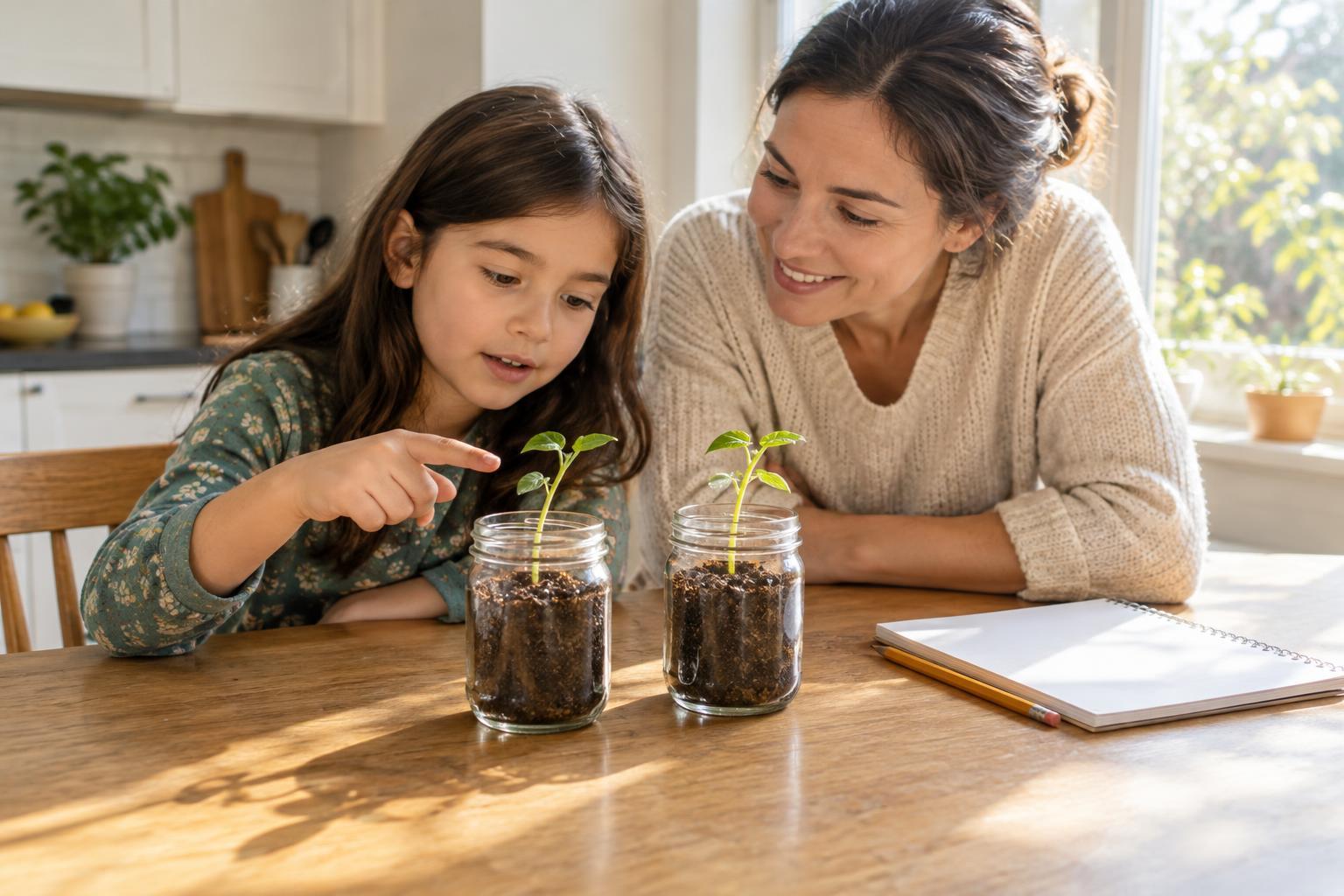
Hands-On ScienceA question like “Why did that happen?” can be the start of a family science investigation. Learn how to turn everyday observations into questions children can explore with simple materials, careful comparisons and an open mind.
Read article · 4 min↗
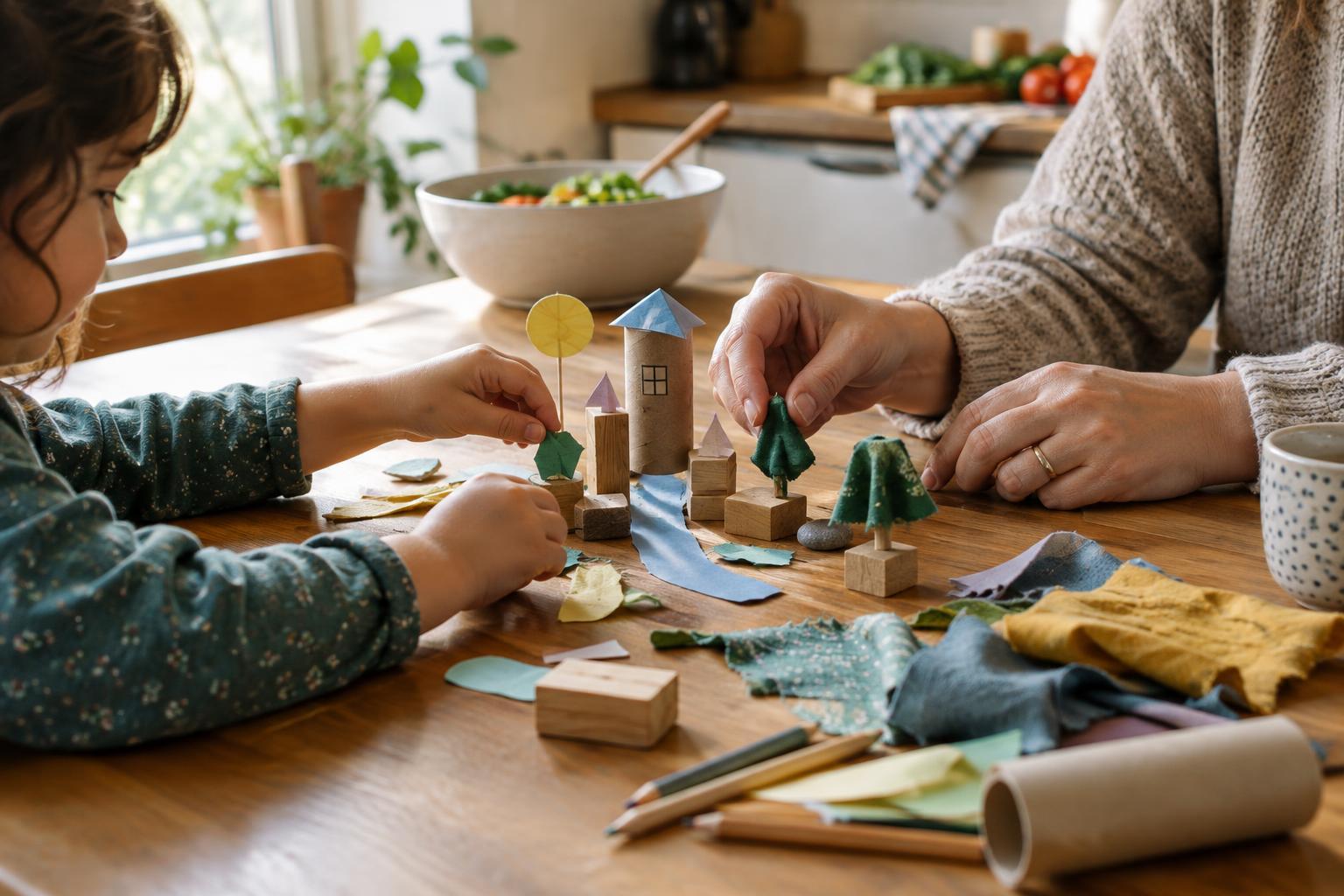
Creative PlayCreative play does not need a free afternoon or a box of new supplies. Try small, flexible activities that fit into the minutes before dinner, between errands, or after school.
Read article · 4 min↗
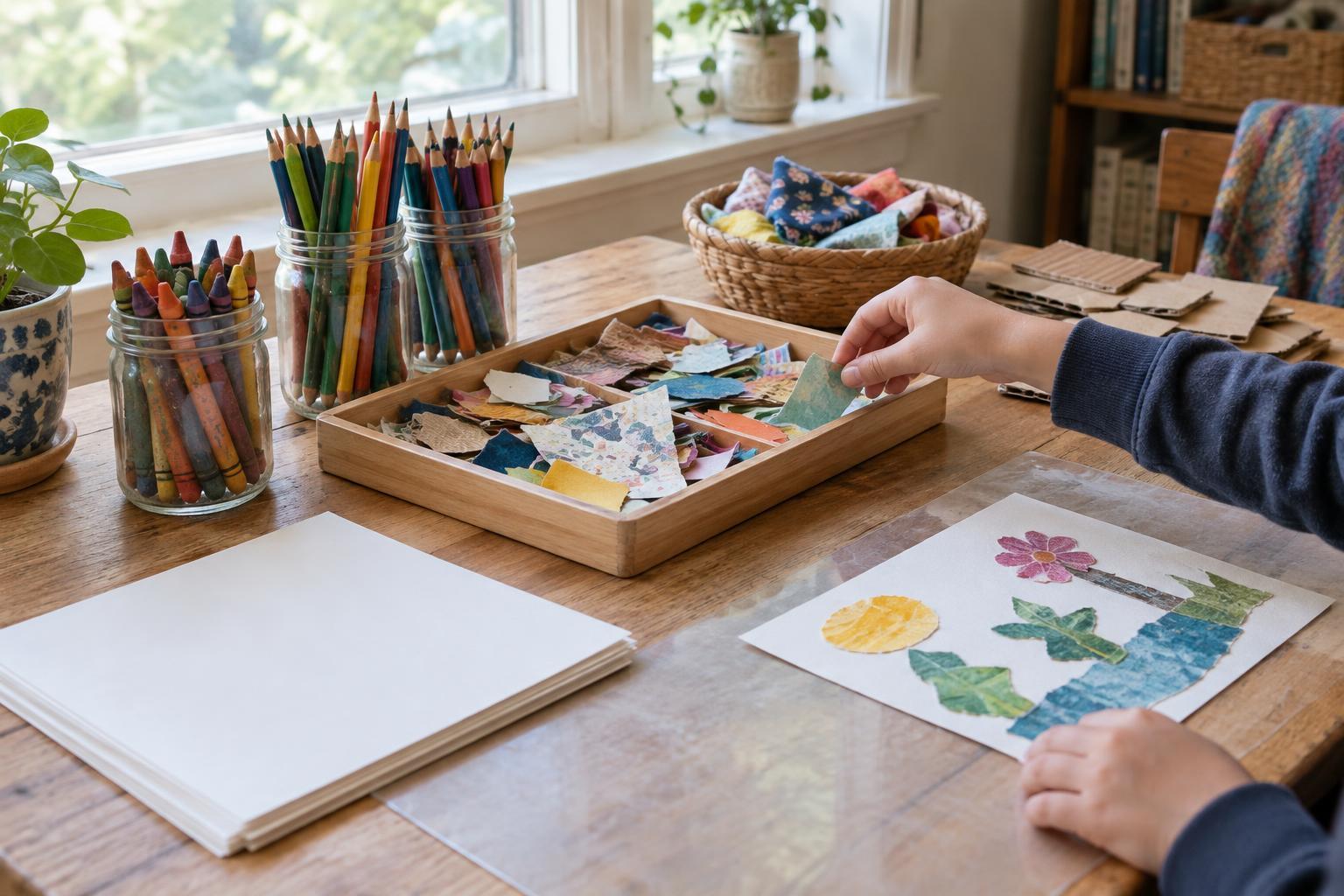
Creative PlayA simple system for sorting, storing and reusing children’s art supplies can make creative play easier without filling every shelf. Learn what to keep, where to put it and how to turn leftovers into the next project.
Read article · 4 min↗
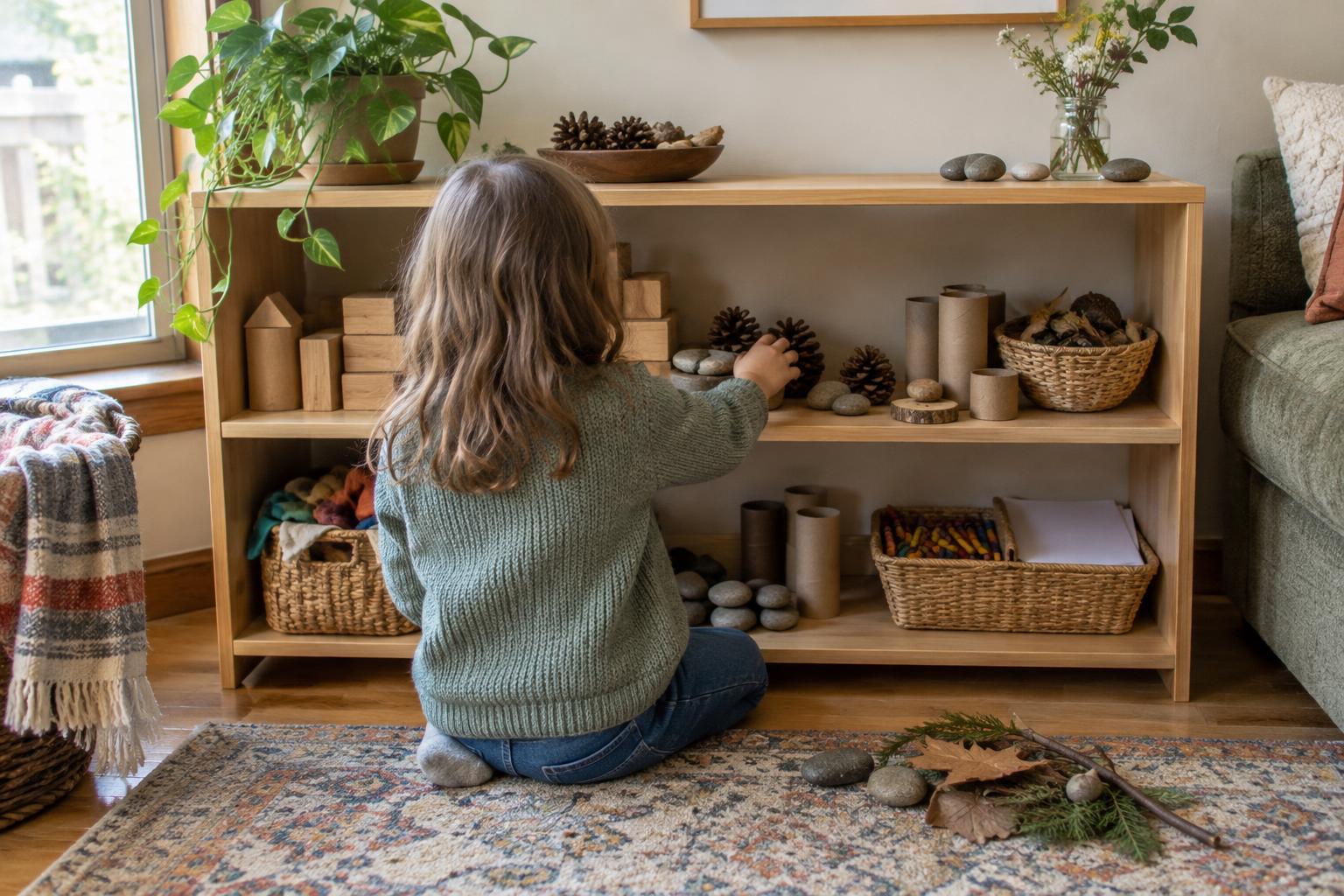
Creative PlayA small shelf can invite children to explore familiar materials in new ways. Learn how to set up a rotating invitation-to-play shelf, choose flexible supplies, refresh it without buying more, and leave room for children’s own ideas.
Read article · 4 min↗
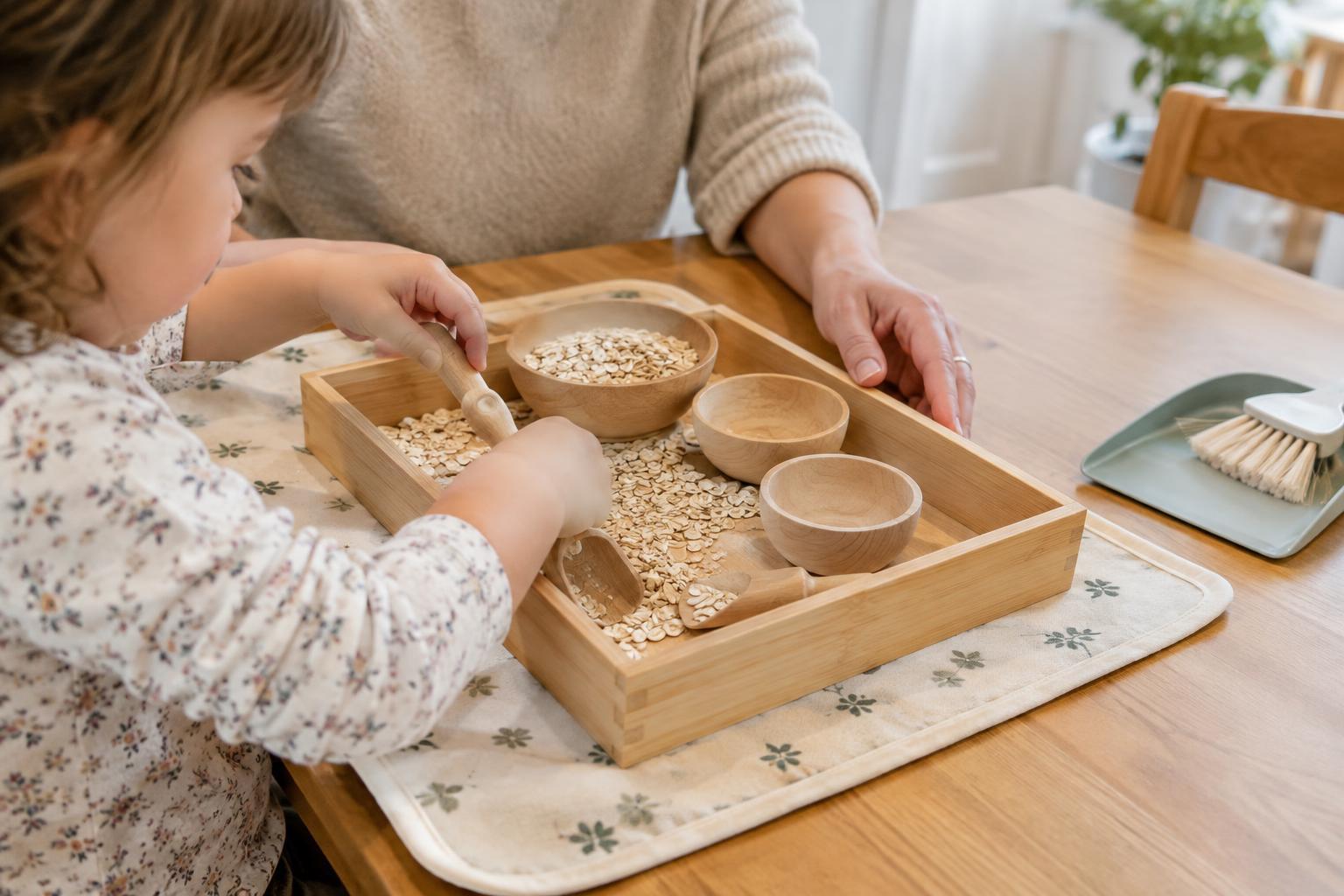
Creative PlaySensory play does not need a room full of materials or a long cleanup. A small play area, familiar household objects and a simple ending routine can give children room to explore while keeping the rest of the home usable.
Read article · 3 min↗
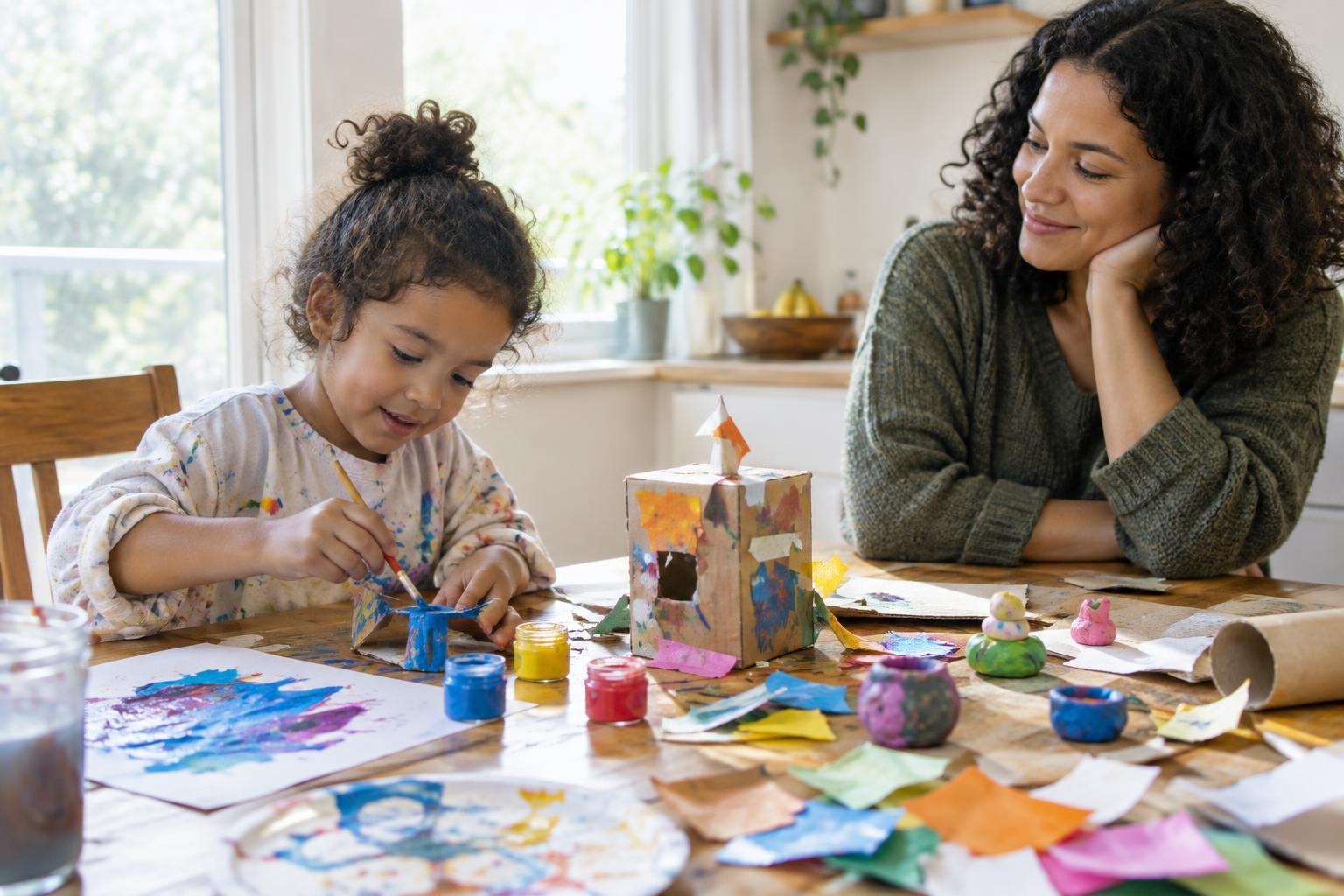
Creative PlayCreative play can become stressful when adults expect a particular result, ask too many questions or rush to improve a child’s work. These simple shifts help families make more room for curiosity, choice and experimentation.
Read article · 4 min↗
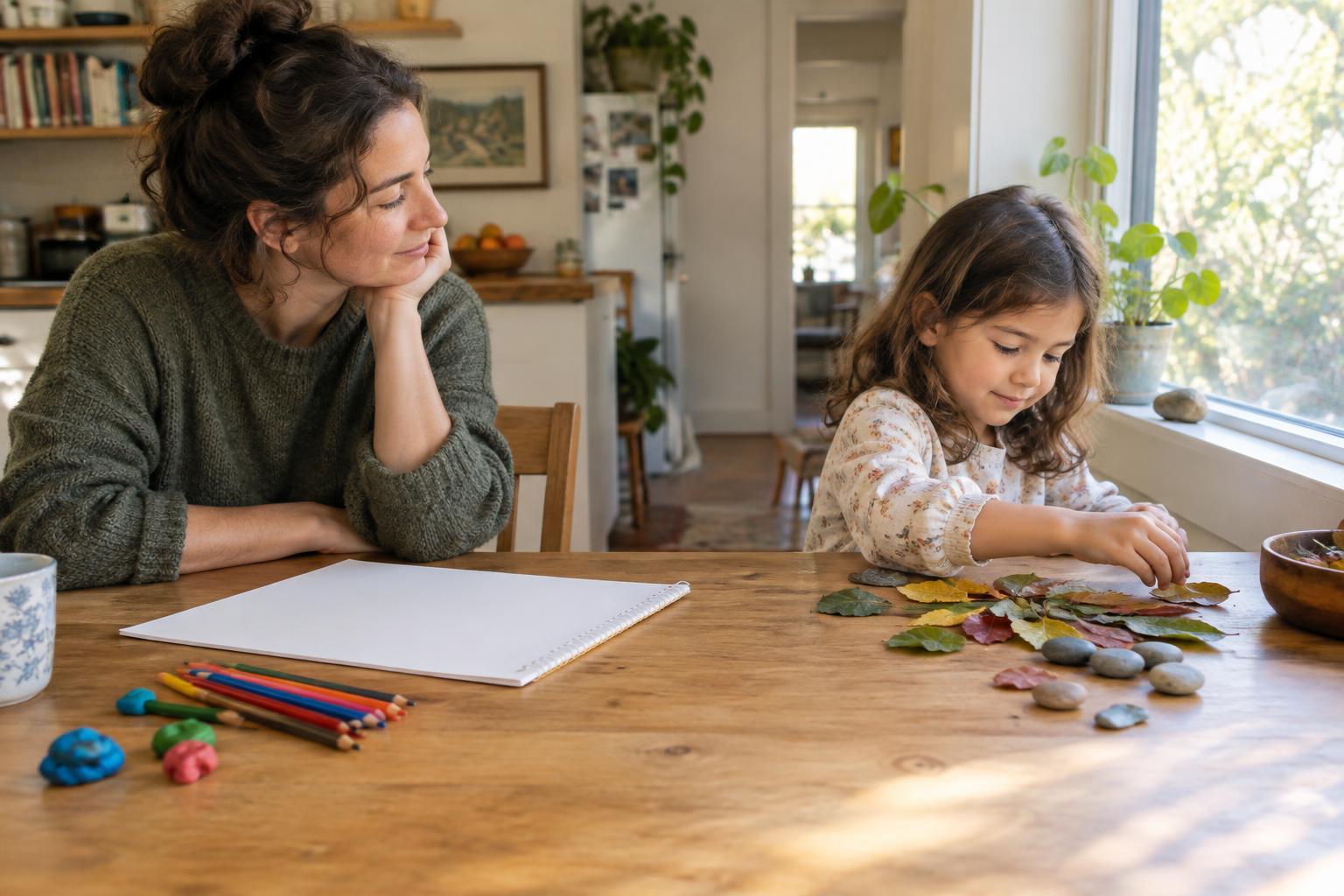
Creative PlayA child who turns down an art activity may need a different invitation, a different material, or simply permission to do something else. Try low-pressure ways to explore creativity without turning every moment into a project.
Read article · 3 min↗
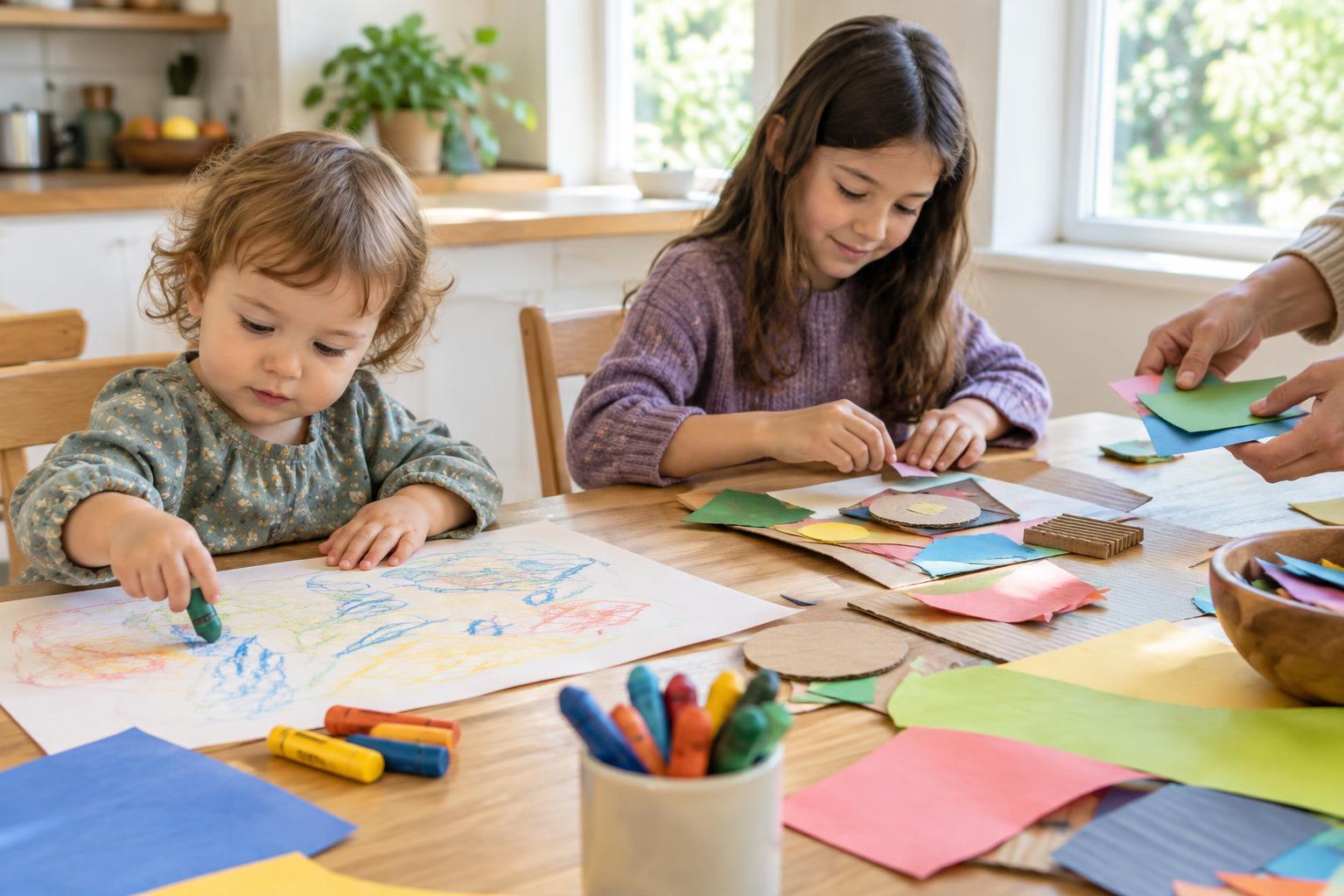
Creative PlayA shared creative activity does not have to ask every child to do the same thing. Learn how to adjust materials, choices and expectations so toddlers, older children and mixed-age groups can explore an idea together.
Read article · 4 min↗
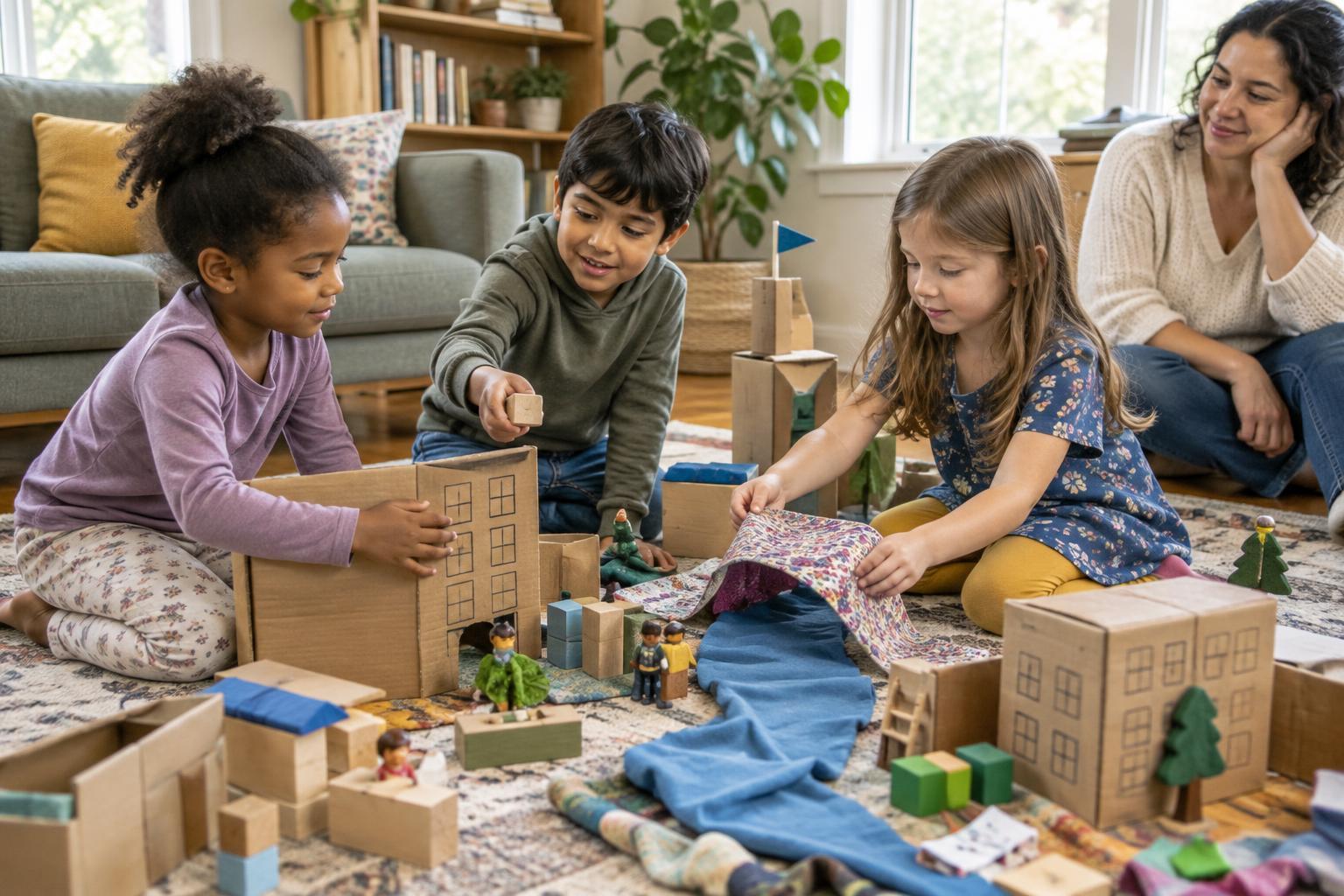
Creative PlayWhen children build, invent, or pretend together, adults can help without directing every decision. Try a few ways to set up shared play, make room for different ideas, and step in only when support is needed.
Read article · 4 min↗
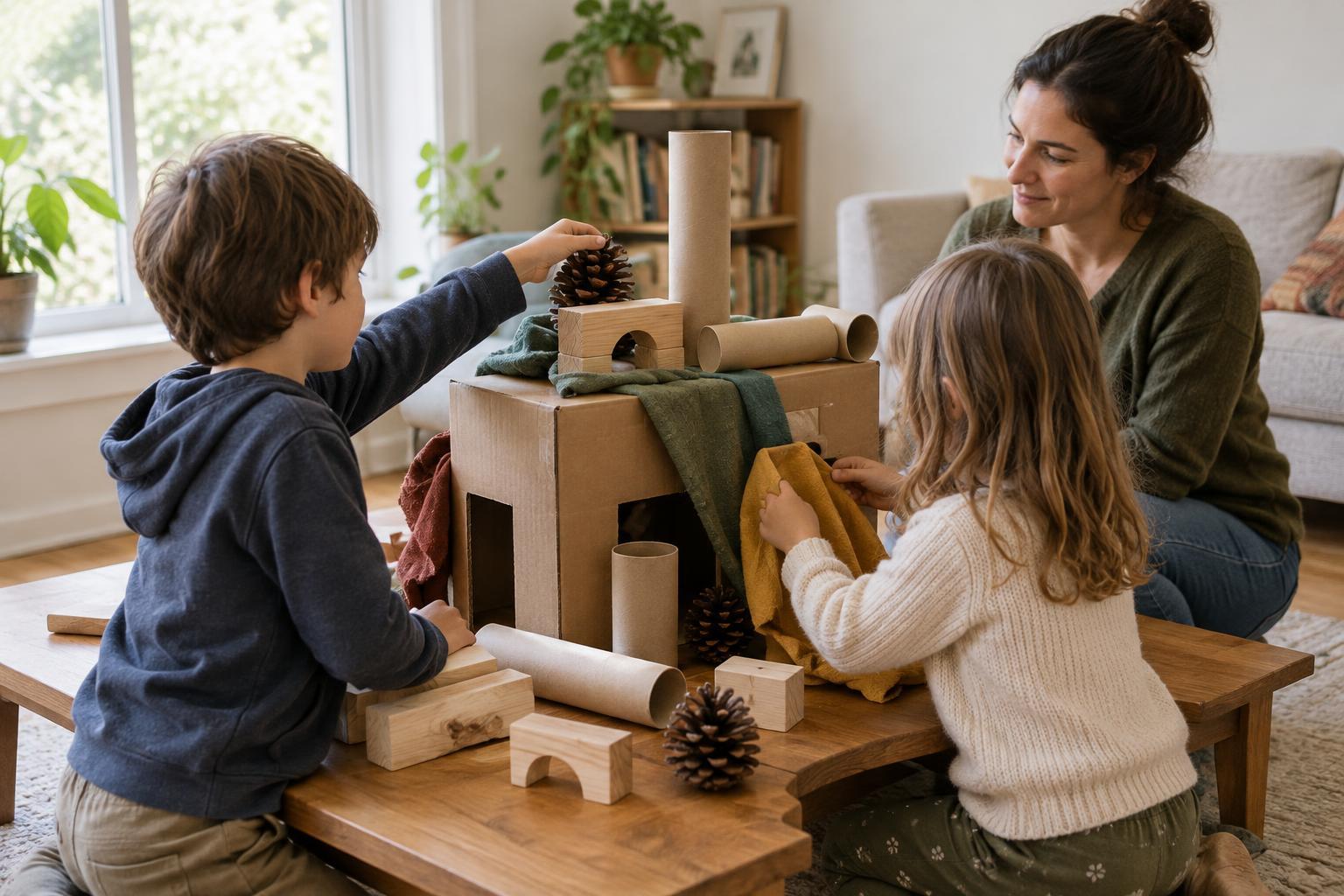
Creative PlayA box, a few fabric scraps, and some cardboard tubes can become almost anything. Learn how to set up inviting loose-parts play, choose materials with safety in mind, and make room for children’s own ideas.
Read article · 4 min↗
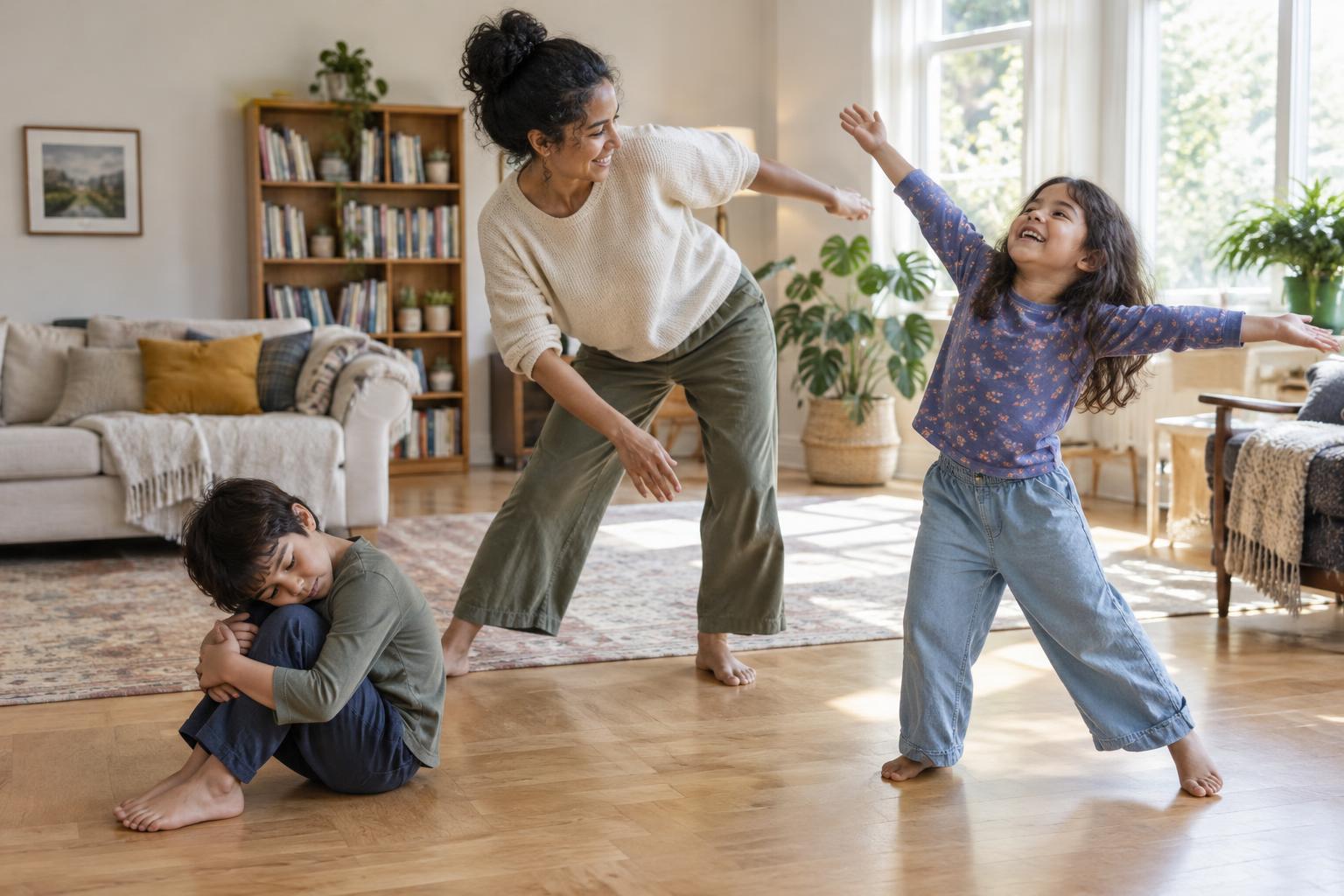
Creative PlayA feeling can become a tiny step, a slow stretch or a whole-body wiggle. These playful movement games invite children and adults to explore emotions together without needing dance lessons, special equipment or the “right” way to move.
Read article · 3 min↗
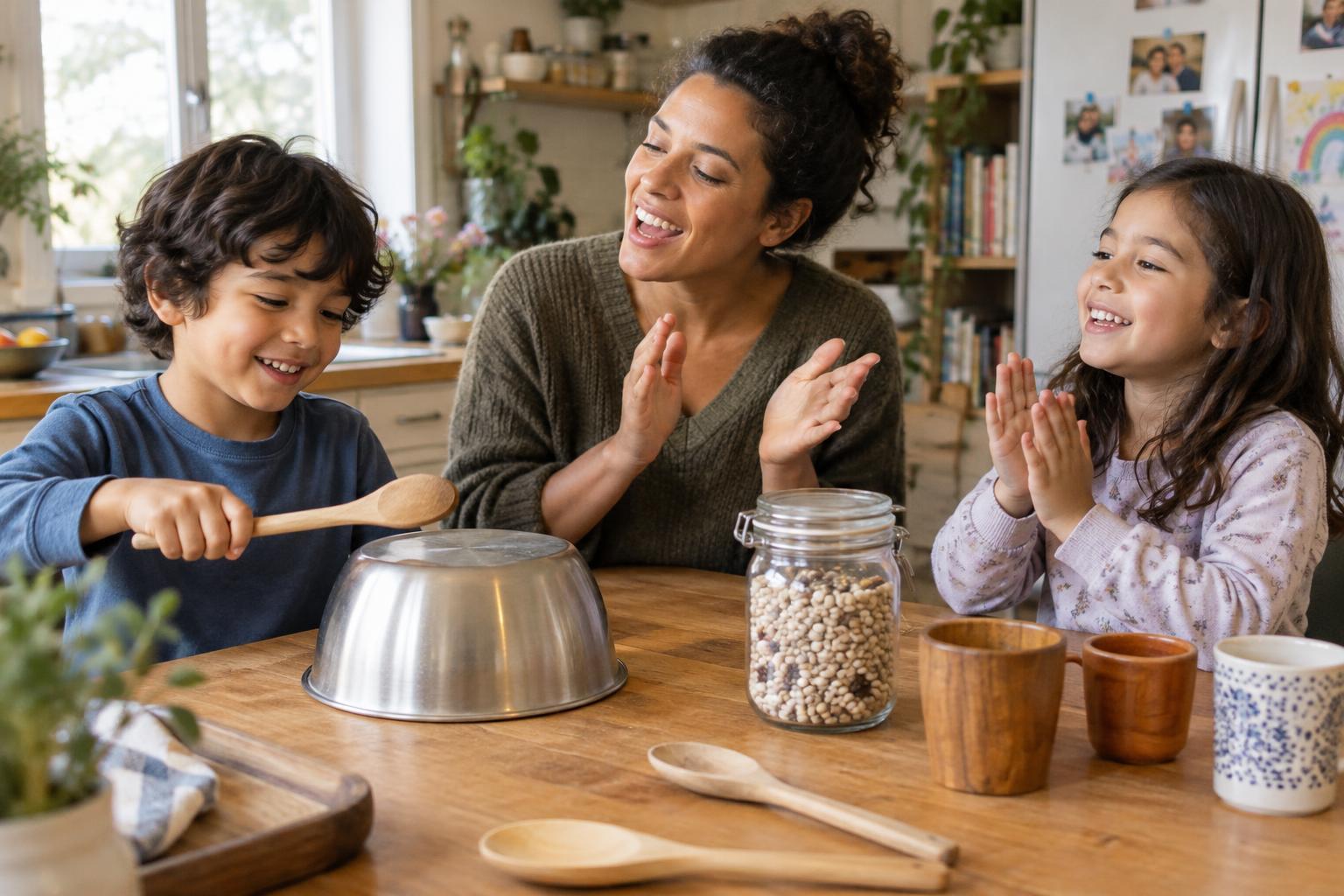
Creative PlayYou don’t need instruments to make music together. Try playful games with voices, claps, and everyday objects, then turn your favorite sounds into a family composition.
Read article · 4 min↗
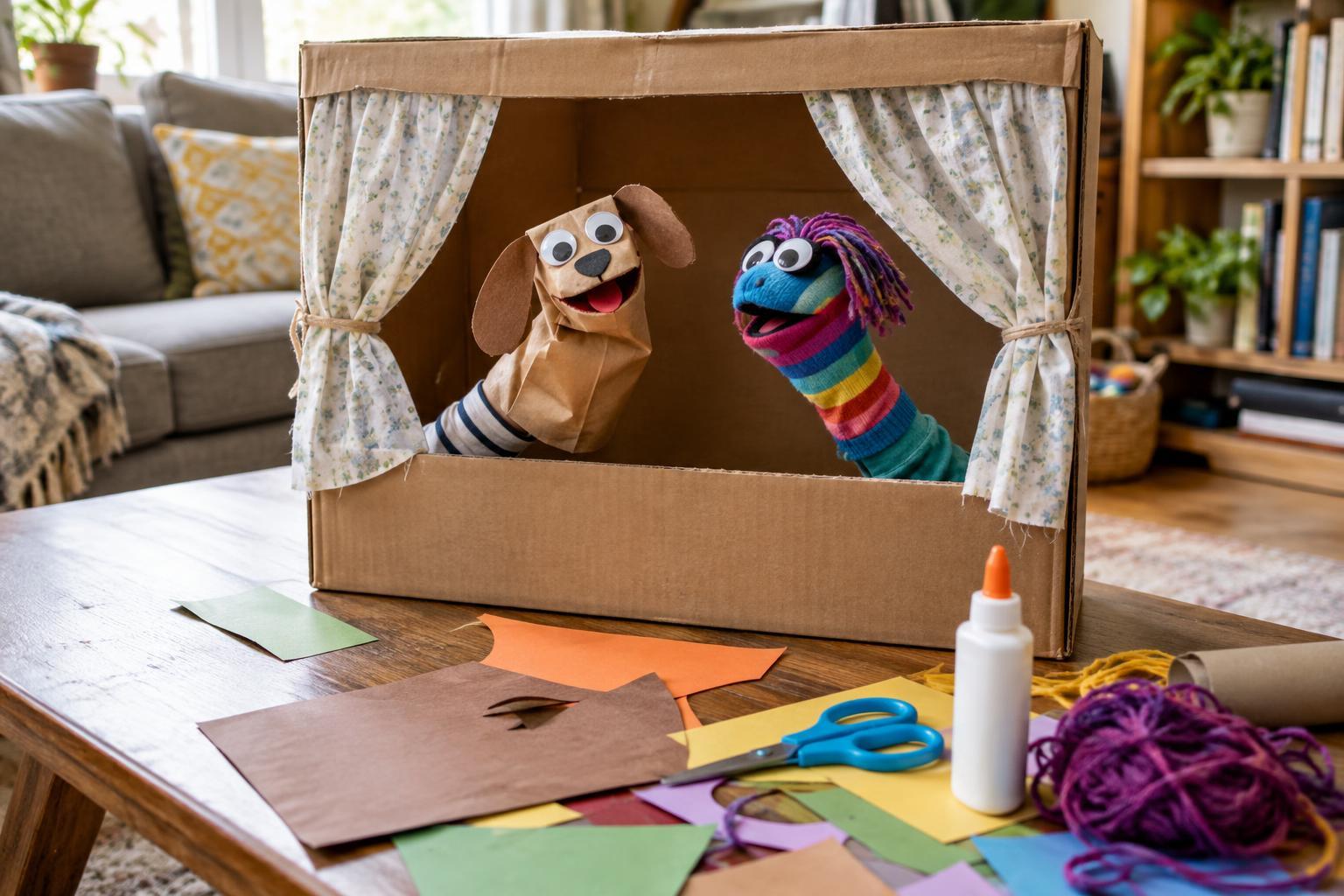
Creative PlayTurn paper bags, socks and other everyday materials into puppets, then build a small stage and put on a story together. This flexible project gives children room to make, imagine and perform in their own way.
Read article · 4 min↗
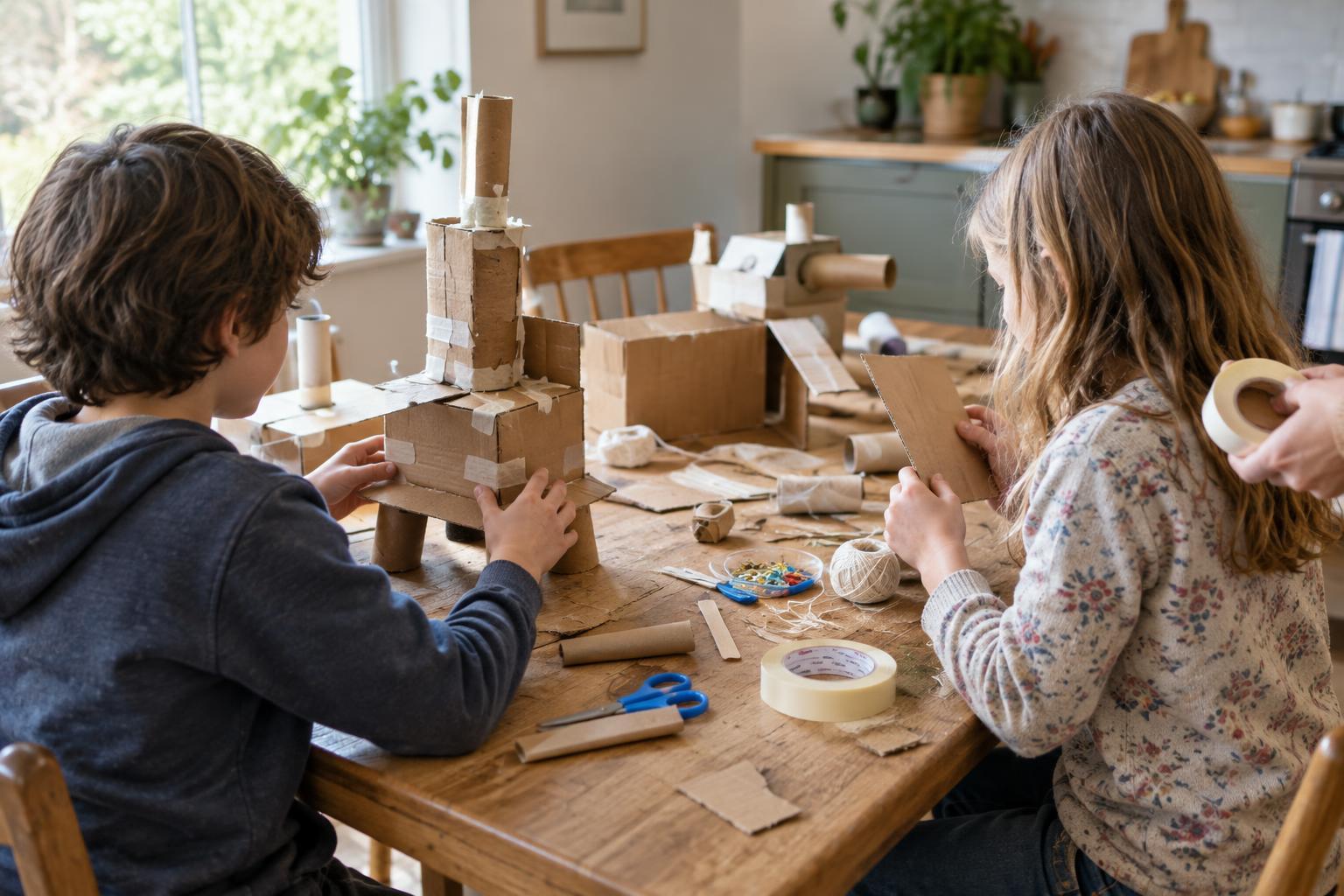
Creative PlayA cardboard box can become almost anything. Learn how to set up an inviting collection of materials, ask questions that spark ideas, and help kids test and revise their creations without taking over the design.
Read article · 4 min↗
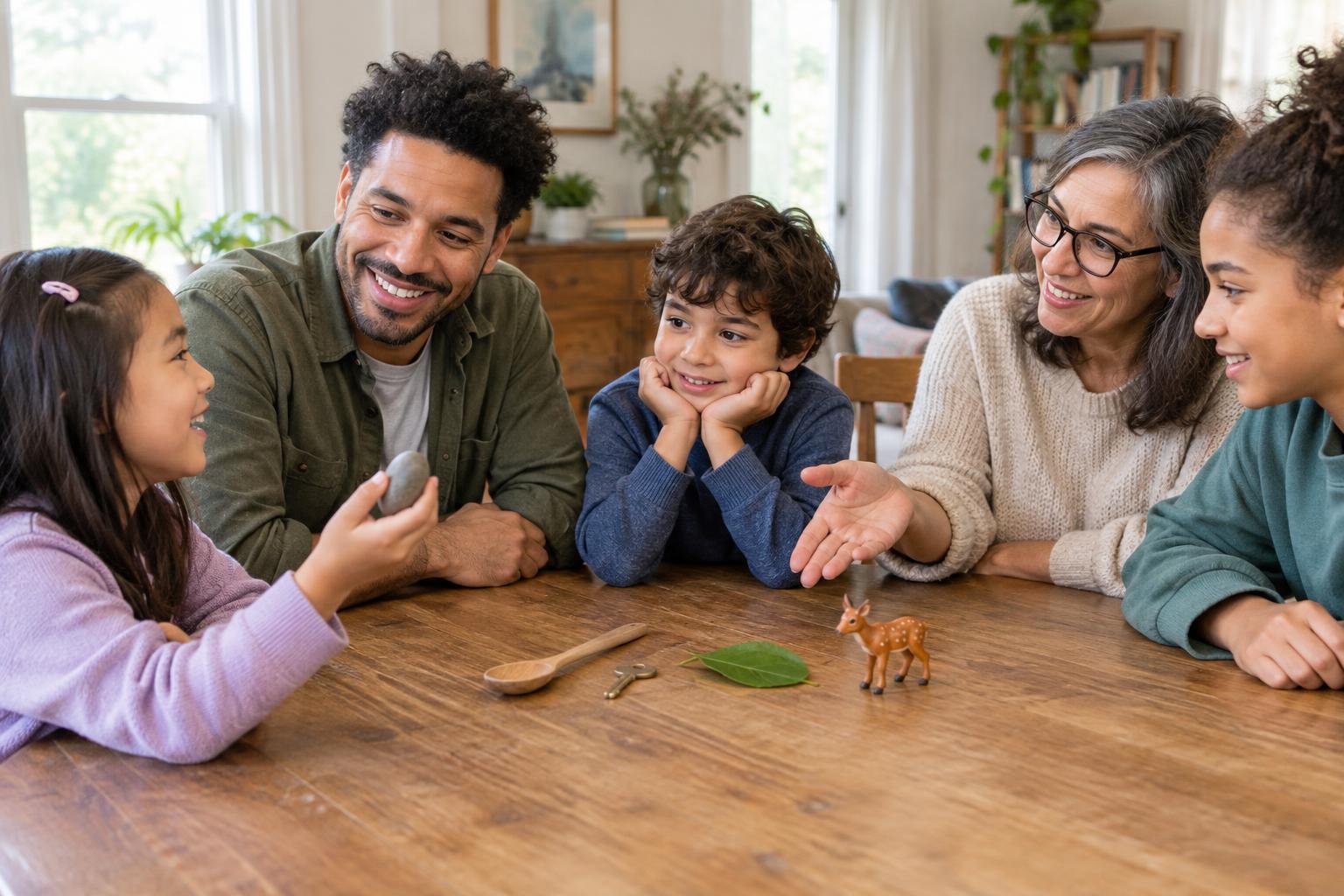
Creative PlayTurn a few everyday objects into a shared adventure. This flexible storytelling game gives each person a small part to add, with easy ways to include different ages, energy levels and ideas.
Read article · 4 min↗
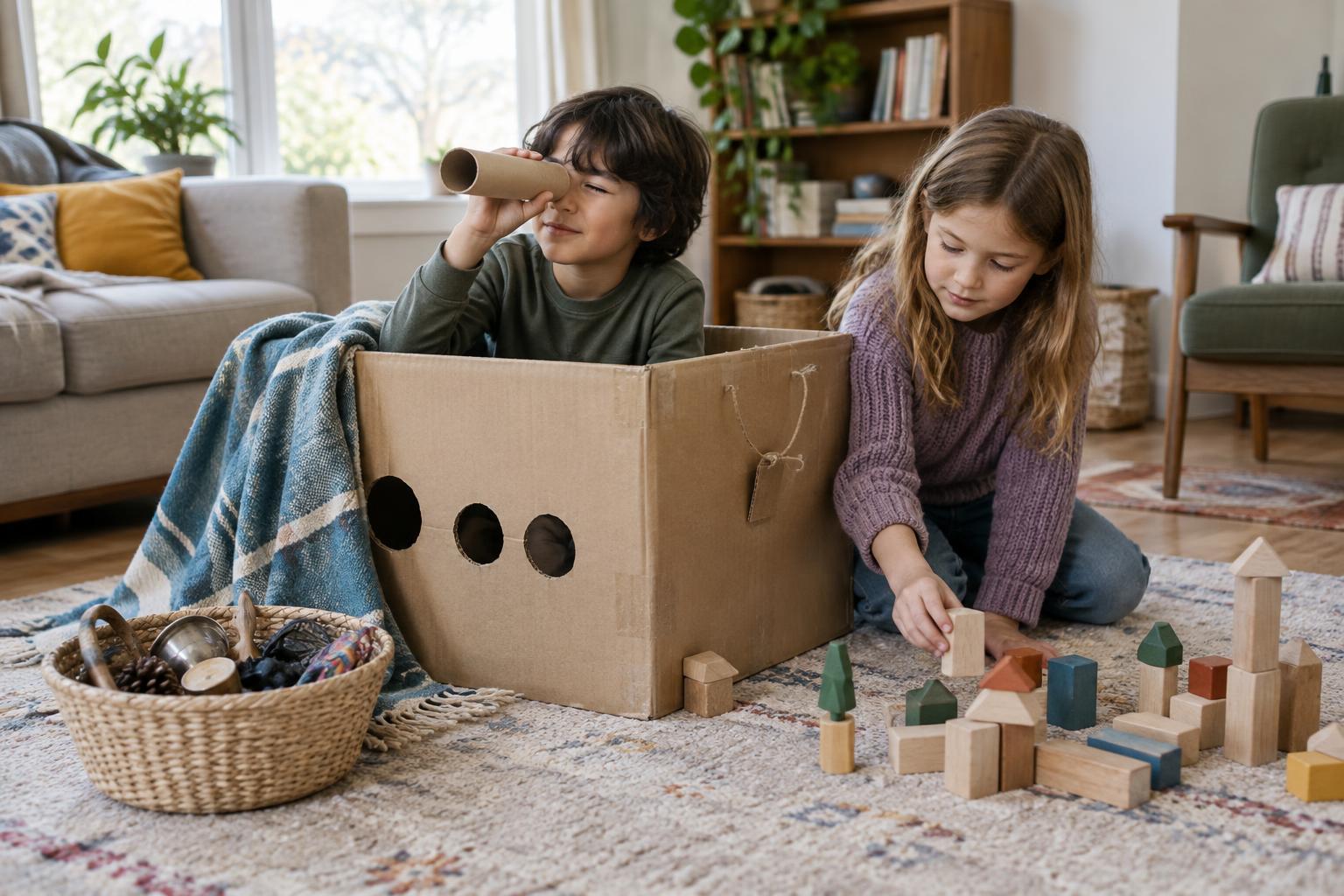
Creative PlayWhen a child says there’s nothing to do, a small invitation can work better than a fully planned activity. These pretend-play prompts use ordinary household items to spark stories, problem-solving and creative choices without requiring elaborate supplies.
Read article · 4 min↗
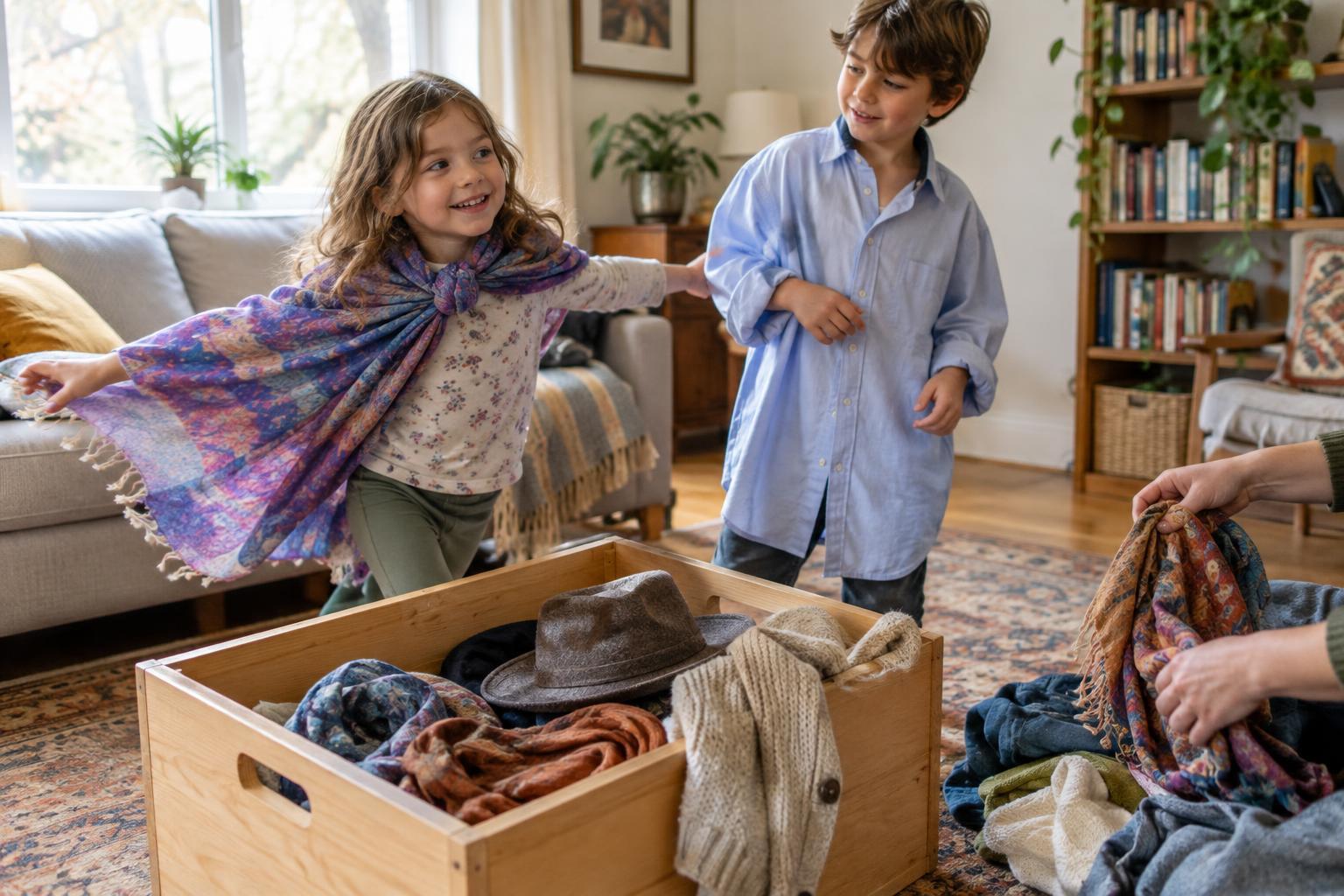
Creative PlayA dress-up box can begin with a scarf, an old shirt and a little imagination. Learn how to choose comfortable pieces from your own closets, set up a simple storage spot and turn everyday clothes into open-ended creative play.
Read article · 4 min↗
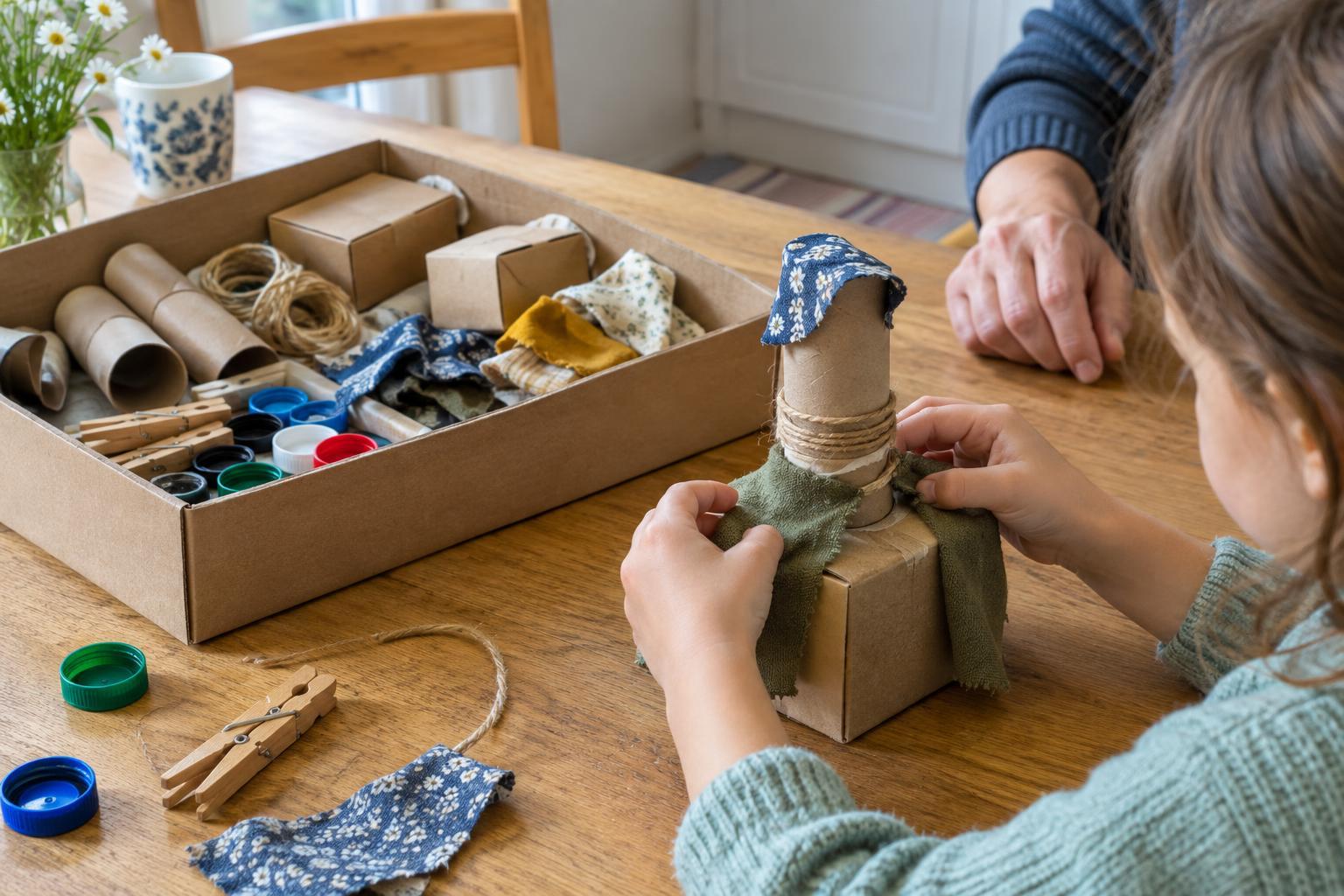
Creative PlayCreative play does not need a crowded craft cupboard. A small collection of clean, reusable household materials can invite children to build, invent stories, test ideas and start again. Here is how to assemble a flexible kit, set it out and keep it manageable.
Read article · 4 min↗
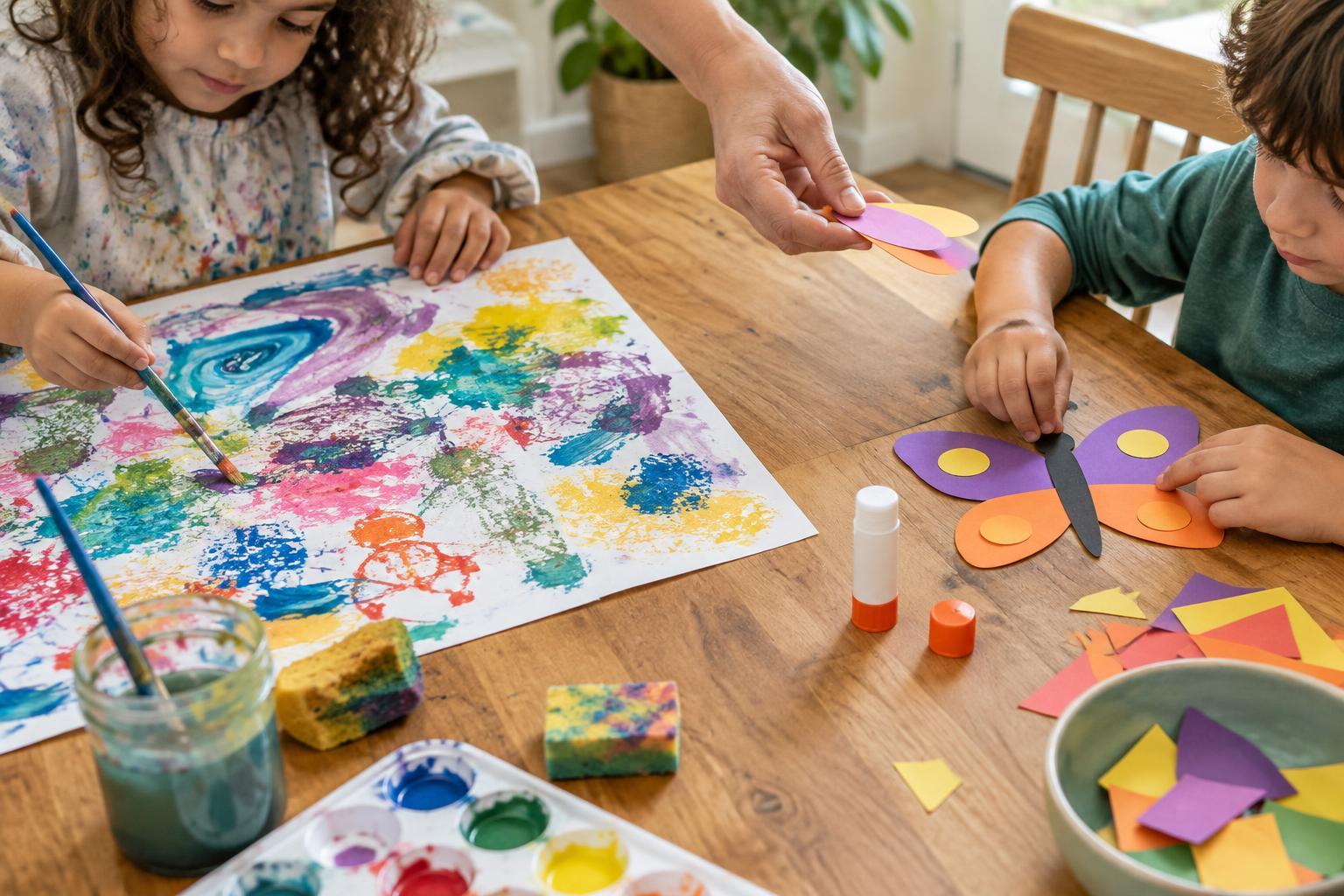
Creative PlayProcess art gives children room to experiment, while craft projects offer the satisfaction of making something specific. Learn how to choose between them, adapt each approach, and keep the focus on curiosity rather than a perfect result.
Read article · 4 min↗
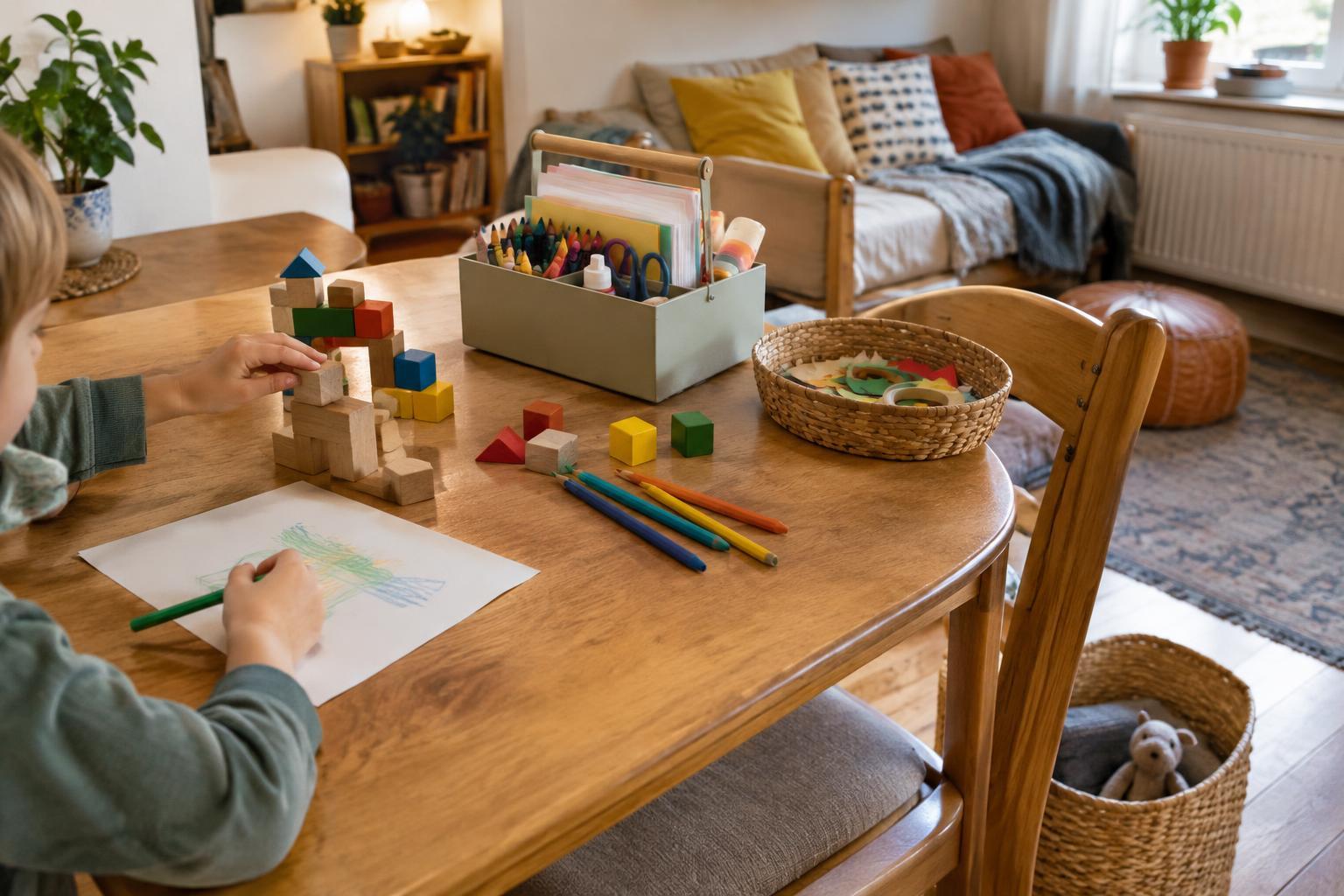
Creative PlayA creative play space does not need its own room. With a portable kit, a clear work surface and a simple cleanup routine, families can make room for drawing, building and pretend play in even a compact home.
Read article · 4 min↗
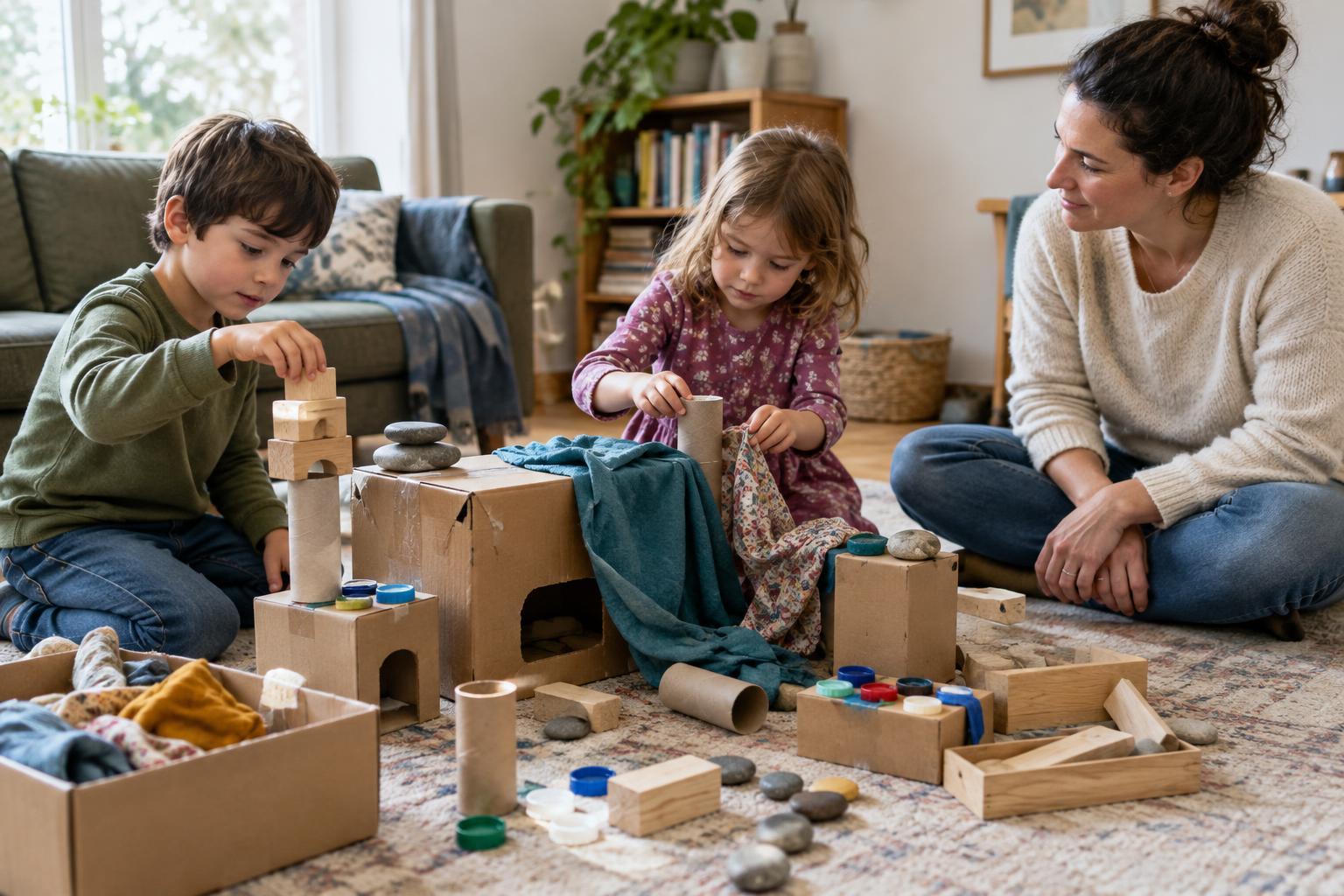
Creative PlayOpen-ended play gives children room to invent, build, change direction and decide what happens next. Learn how to set up a simple invitation to play with everyday materials, join in without taking over and keep the experience manageable at home.
Read article · 4 min↗
 Hands-On Science